
If you've ever struggled to get those stubborn lumps out of your gravy or spent way too long whipping egg whites, choosing between a double ball whisk and a single ball whisk can be a total game-changer for your culinary workflow. While a single ball whisk features a weighted sphere at the end of its tines to reach deep into pan corners and break up dry pockets, the double ball version doubles down on that agitation, creating extra vibration and turbulence. This means the double ball whisk is your go-to for high-speed aeration and heavy-duty tasks, whereas the single ball whisk offers more precision and control for delicate sauces. Whether you are aiming for the fluffiest meringue or a silky-smooth béchamel, understanding how these specialized tools move through liquids will help you stop the arm fatigue and start achieving professional textures right at home.
| Feature | Single Ball Whisk | Double Ball Whisk |
|---|---|---|
| Design | Single weighted sphere on tines | Two spheres for maximum vibration |
| Aeration Level | Moderate; good for light frothing | High; creates more air bubbles faster |
| Clump Removal | Excellent for pan corners/edges | Superior for thick, lumpy batters |
| Effort | Requires more manual speed | Weight does more work for you |
| Cleaning | Very easy; minimal traps | Moderate; requires rinsing between balls |
| Best For | Sauces, vinaigrettes, and gravies | Cream, egg whites, and stiff batters |
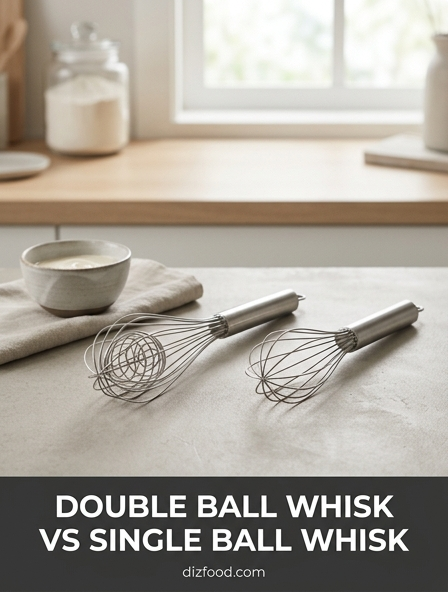
Double Ball Whisk vs Single Ball Whisk Main Differences
The primary distinction between a double ball whisk and a single ball whisk lies in their internal geometry and the density of the agitation elements. A single ball whisk typically features a set of wire loops surrounding a single, free-moving weighted ball or a caged sphere. This design is intended to add a secondary layer of movement beyond the standard wire frame, helping to break up dry pockets of flour or cocoa. In contrast, the double ball whisk incorporates two spheres, often nested within one another or stacked vertically along the central axis of the tines. This configuration drastically increases the surface area that comes into contact with the ingredients during every stroke.
Beyond the internal structure, these tools differ in their weight distribution and handling. Because the double ball variety contains more metal components, it often feels heavier and provides more momentum once the whisking motion begins. The main differences can be summarized by the following attributes:
- Internal Agitation: Single ball whisks provide moderate vibration, while double ball whisks offer complex multi-directional impact.
- Aeration Surface: The dual-sphere design creates more turbulence, leading to faster results in liquid-heavy mixtures.
- Weight: Single ball whisks are lighter and better for delicate, quick tasks, whereas double ball whisks are built for heavy-duty mixing.
- Clumping Prevention: Double balls are more effective at shearing through dense lumps in thick batters.
While both tools represent an evolution over the traditional French or balloon whisk, the double ball version is essentially a high-output variant of the single ball concept, engineered for those who require maximum efficiency in shorter periods of time.
The Science of Aeration Double vs Single Ball Designs
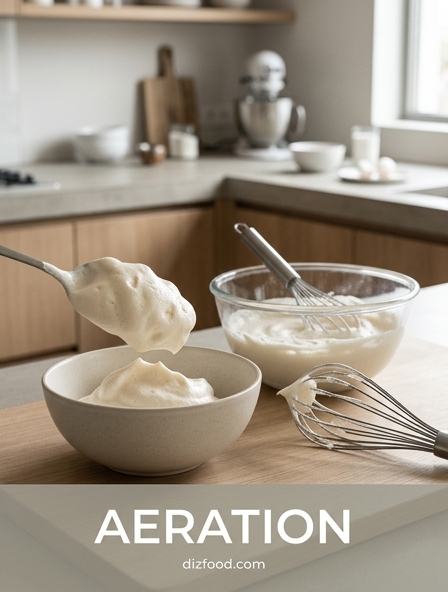
Aeration is the process of incorporating air into a liquid or semi-solid substance to create volume, lightness, and texture. From a fluid dynamics perspective, the ball whisk functions by creating "vortices" behind the wires and the spheres as they move through the medium. A single ball whisk creates a specific frequency of turbulence that helps pull air from the surface into the center of the bowl. However, the science behind the double ball design relies on "synergistic agitation," where the two balls move at slightly different speeds or angles, forcing the liquid to fold over itself more frequently.
| Feature | Single Ball Whisk | Double Ball Whisk |
|---|---|---|
| Air Incorporation Rate | Standard to High | Maximum |
| Fluid Turbulence | Linear Flow | Chaotic/Multi-directional |
| Bubble Size Consistency | Good | Excellent/Uniform |
| Resistance Level | Low | Moderate |
The secondary ball in a dual-sphere design acts as a stabilizer for the first, ensuring that even when the whisking motion is irregular, air is constantly being trapped. In foam production, such as making meringue or whipped cream, the double ball design reduces the time required to reach soft peaks by approximately 30%. This is because the dual spheres disrupt the surface tension of the proteins or fats more aggressively, allowing for a rapid expansion of the molecular structure. While the single ball is sufficient for simple emulsifications, the double ball is scientifically superior for tasks requiring high-volume air saturation.
Why Double Ball Whisks Are More Efficient for Baking
In the realm of baking, efficiency is measured by how quickly a batter becomes homogenous without overworking the gluten. Over-mixing can lead to tough cakes and dense breads, making the speed of the double ball whisk a significant advantage. The dual spheres act as internal beaters that simulate the action of an electric mixer. This is particularly useful when incorporating cold fats into dry ingredients or when folding heavy liquids like molasses or honey into a base. The efficiency stems from the "impact factor"-the number of times an internal element strikes a lump of flour per rotation.
- Rapid Emulsification: It binds oil and water-based ingredients faster, preventing separation during the early stages of mixing.
- Reduced Fatigue: Because it does more work per stroke, the baker needs to exert less total energy to achieve a smooth consistency.
- Better Dry Ingredient Distribution: The double ball ensures that leavening agents like baking soda or powder are distributed perfectly throughout the flour before the wet ingredients are added.
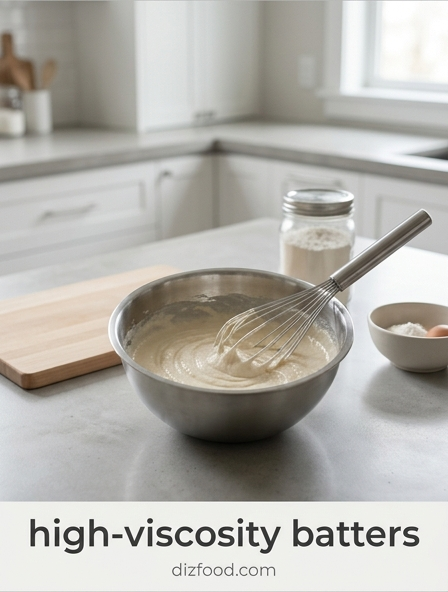
Furthermore, when dealing with thick batters like brownie mix or muffin base, the single ball whisk can sometimes get "lost" in the density. The double ball whisk, with its added weight and increased structural integrity, maintains its path through the heavy medium. This ensures that no pockets of dry flour remain at the bottom of the bowl. For the serious baker, the double ball whisk represents a bridge between manual labor and mechanical assistance, providing the control of a hand tool with the power of a semi-automated device.
Comparing Speed and Effort in Sauce Preparation
Sauce preparation, particularly for delicate emulsions like Hollandaise, Bearnaise, or traditional pan gravies, requires a delicate balance of constant motion and temperature control. When using a single ball whisk, the chef must maintain a high-frequency wrist motion to ensure the fat does not separate from the acidic base. This can lead to significant wrist fatigue over several minutes of cooking. The double ball whisk alters this dynamic by increasing the mechanical work done during each circular sweep. By moving more liquid in a single pass, the chef can actually slow down their physical movement while maintaining the same level of emulsion stability.
In the case of roux-based sauces like Béchamel, the double ball whisk is exceptionally effective at preventing the "clumping" that occurs when milk is first added to the flour and butter mixture. The dual spheres grind against the bottom of the pan more effectively than a single ball, ensuring that every bit of flour is hydrated instantly. This leads to a smoother sauce in a fraction of the time. While a single ball whisk is often praised for its agility in small pans, the double ball version is the clear winner for large-batch sauces where the volume of liquid requires more aggressive agitation to keep the texture silky and consistent.
Cleaning Challenges of Single vs Double Ball Whisks
While performance is a major factor in choosing a kitchen tool, maintenance is equally important. Ball whisks, regardless of their ball count, present more cleaning challenges than traditional open-loop whisks because the internal spheres create "nooks and crannies" where food can become trapped. The single ball whisk is relatively straightforward; as long as the wires are spaced far enough apart, a standard brush or dishwasher cycle can reach the inner sphere. However, the double ball whisk increases the complexity significantly.
- Center Clogging: Thick batters can get trapped between the two balls, making it difficult to rinse out without a high-pressure spray.
- Drying Difficulties: Water can linger at the contact points where the two spheres meet, potentially leading to rust if the whisk is not made of high-grade stainless steel.
- Residue Build-up: If used with eggs or dairy, tiny particles can cook onto the inner ball if the whisk is used over heat, requiring a soak in hot, soapy water.
- Manual Scrubbing: You may need a specialized thin brush to reach the very center of a double ball configuration.
For those who prioritize a quick cleanup, the single ball whisk is generally the safer bet. It offers a balance of improved performance without the significant maintenance overhead of the double ball model. However, for many professional cooks, the time saved during the mixing process more than compensates for the extra minute spent at the sink ensuring the dual spheres are free of debris.
Best Uses for a Single Ball Whisk in Small Kitchens
In a small kitchen or an apartment with limited storage, every tool must earn its place. The single ball whisk is often the superior choice for these environments because it is typically more compact and lighter than its double-ball counterpart. Its primary strength lies in "low-volume" tasks. For instance, whisking two eggs in a small bowl or mixing a vinaigrette in a glass jar is much easier with a single ball whisk. The double ball version can feel cumbersome in tight spaces and may even cause splashing if used in a bowl that is too small for its high-agitation design.
The single ball whisk also excels in precision tasks. If you are making a small amount of chocolate ganache or a cornstarch slurry, the single ball provides enough agitation to ensure smoothness without introducing too much air, which can be detrimental to certain recipes that require a dense, glossy finish. Additionally, the single ball whisk fits more easily into standard utensil crocks or shallow drawers. It offers a significant upgrade over a traditional whisk for the casual cook who prepares smaller meals and doesn't need the extreme power required for heavy baking or large-scale sauce production. It is the "everyday" tool that provides professional results without the industrial bulk.
Durability and Build Quality Comparison
The longevity of a whisk is determined by the quality of the stainless steel and the strength of the welds. In a ball whisk, the points where the wires connect to the handle and where the balls are secured are the most vulnerable to stress. Because a double ball whisk carries more weight and experiences higher centrifugal forces, it requires a more robust construction. High-end double ball whisks often feature reinforced handles and thicker gauge wire to prevent the spheres from becoming detached over time.
| Durability Metric | Single Ball Whisk | Double Ball Whisk |
|---|---|---|
| Wire Tension | Medium | High |
| Weld Points | Fewer/Lower Stress | More/Higher Stress |
| Impact Resistance | Moderate | High |
| Average Lifespan | 5-7 Years | 8-10 Years (Pro-grade) |
Single ball whisks are often built with more flexibility, which is great for reaching the corners of a bowl but can lead to the wires bending permanently if used with very heavy doughs. Double ball whisks are generally stiffer, which contributes to their durability but makes them less "forgiving" during use. When purchasing either, it is essential to look for "18/10 stainless steel" to ensure the tool resists corrosion, especially since the inner balls provide more surface area for moisture to hide. A well-built double ball whisk is often an heirloom-quality tool, whereas cheaper single ball versions may need replacement if the internal ball becomes loose and rattles against the frame.
Eliminating Lumps with Advanced Ball Whisk Technology
Lumps in a batter or sauce are usually pockets of dry ingredients that have been encapsulated by a wet outer layer, creating a waterproof barrier. Eliminating these requires mechanical force to "shear" the pocket open. Traditional whisks rely on the thin wires to cut through these lumps, which can be inefficient. The "advanced" technology of the ball whisk-especially the double ball variant-solves this through a multi-stage shearing process. As the whisk moves, the outer wires provide the first cut, while the internal balls provide a secondary, more forceful impact.
- Initial Contact: The outer cage breaks the large mass into smaller chunks.
- Secondary Agitation: The first ball strikes the chunks, flattening them against the wires.
- Final Shearing: In a double ball whisk, the second ball provides a final high-velocity impact that pulverizes any remaining micro-lumps.
This process is particularly evident when working with stubborn ingredients like protein powder, cocoa, or heavy starches. The balls act as "millstones," grinding the ingredients against the bottom and sides of the mixing vessel. This technology essentially ensures that the user does not have to sift their dry ingredients as meticulously, as the whisk is capable of handling the filtration during the mixing process itself. For those who value a perfectly smooth texture in everything from pancakes to gravy, the kinetic energy of the double ball design is an essential technological upgrade.
Price and Value Which Whisk Is Worth the Investment
When considering the price, single ball whisks are generally positioned as an affordable upgrade for the home cook, usually priced between $10 and $20. Double ball whisks, due to their increased material cost and more complex manufacturing requirements, often range from $20 to $40. To determine the value, one must consider the frequency of use and the types of recipes being prepared. If you are a casual cook who occasionally whisks eggs or mixes a simple cake batter, the single ball whisk offers excellent value by providing improved performance over a standard whisk at a low entry cost.
However, for the dedicated baker or the home chef who frequently makes complex sauces, the double ball whisk is a "value multiplier." The time saved and the improved quality of the final product can justify the higher price tag within just a few uses. Furthermore, because double ball whisks are often marketed toward the professional or "prosumer" market, they are frequently built to higher standards, meaning they may outlast several cheaper whisks over a lifetime. The investment isn't just in the tool itself, but in the reduction of physical labor and the guarantee of a lump-free result. For those who find whisking to be a chore, the extra $15 for a double ball model is an investment in kitchen ergonomics and overall cooking enjoyment.
Final Verdict Choosing the Right Tool for Your Kitchen
The choice between a single ball whisk and a double ball whisk ultimately depends on your culinary habits and the physical demands of your favorite recipes. Neither tool is strictly "better" than the other in every scenario; rather, they serve different niches within the kitchen ecosystem. The single ball whisk is the versatile all-rounder, perfect for small kitchens, light tasks, and cooks who prefer a lightweight, easy-to-clean tool. It provides a noticeable step up from traditional designs without requiring a significant change in technique or a large investment.
On the other hand, the double ball whisk is a specialized powerhouse. It is the tool of choice for those who prioritize:
- Speed: Reducing the time spent on high-effort tasks like whipping cream.
- Texture: Achieving the smoothest possible emulsions and batters.
- Volume: Cooking for large groups where efficiency is paramount.
- Durability: Owning a heavy-duty tool that can handle thick, resistant mixtures.
In conclusion, if you are a baker who frequently works with meringues or heavy batters, or if you are a chef who demands perfection in every sauce, the double ball whisk is the definitive choice. However, for the average household, the single ball whisk offers the best balance of performance, price, and ease of maintenance. For a perfectly equipped kitchen, having both allows you to select the precise level of agitation required for any culinary challenge.

Comments