
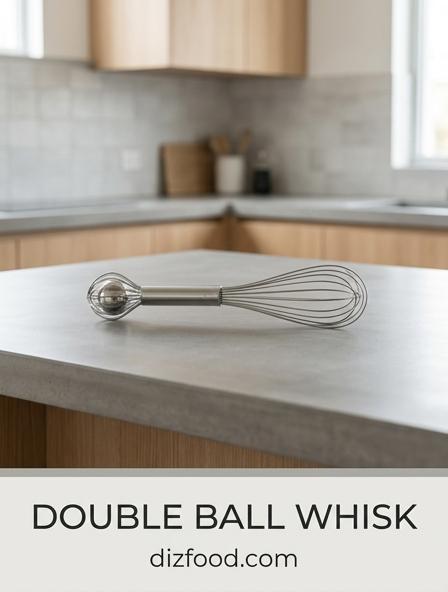
Understanding the Double Ball Whisk Design
The double ball whisk is a specialized culinary instrument engineered to maximize efficiency during the mixing process. Unlike the traditional balloon whisk, which features a single set of wire loops, this design incorporates an outer cage surrounding a smaller, secondary ball or inner cage. This dual-layered structure is typically crafted from high-quality stainless steel to ensure durability and resistance to rust. The central ball often contains a weighted bead or a series of smaller loops that move independently from the outer wires.
This architectural choice serves several specific functions in a modern kitchen environment. By increasing the surface area and the number of points of contact within the liquid, the whisk can break down particulates more effectively. Key features of the design include:
- Outer wires that scrape the sides and bottom of the mixing bowl.
- An inner sphere that disrupts liquid flow to prevent lumping.
- A heavy-duty handle designed for a secure, non-slip grip.
- Balanced weight distribution for consistent movement.
The synergy between these components allows the user to achieve a smooth consistency in less time than a standard whisk would require.
Benefits of Dual Cage Aeration Technology
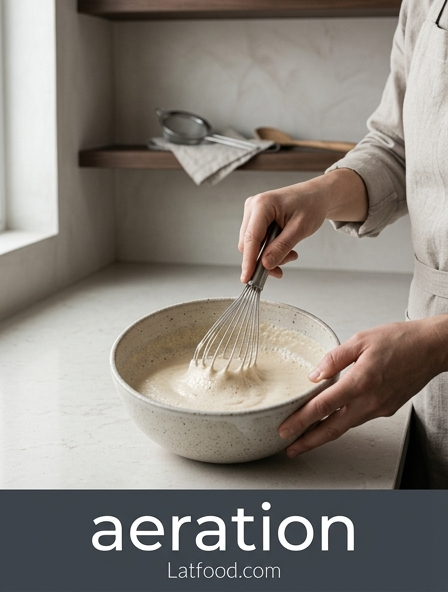
Aeration is the process of incorporating air into ingredients to create volume and lightness. The dual cage system of a double ball whisk excels at this by creating turbulent flow patterns. As the whisk moves through a liquid, the inner ball vibrates and oscillates, creating thousands of tiny air bubbles that are then trapped by the outer wires. This mechanical action is significantly more aggressive than the motion of a single-layered tool.
The efficiency of this technology can be observed when comparing the time and energy required to achieve stiff peaks in egg whites or cream. The following table highlights the performance differences between standard and double ball designs:
| Feature | Standard Balloon Whisk | Double Ball Whisk |
|---|---|---|
| Air Incorporation | Moderate | High/Rapid |
| Lump Reduction | Manual effort required | Automatic disruption |
| Time to Peak | Longer duration | Significantly reduced |
By utilizing this dual-layer approach, bakers can ensure their soufflés and meringues possess the structural integrity and fluffiness required for professional-grade results.
Best Ingredients for Fluffy Whipped Cream
To fully leverage the power of a double ball whisk, one must start with high-quality ingredients that respond well to rapid aeration. The fat content of the cream is the most critical factor; for the best results, always select heavy whipping cream with a fat content of at least 36%. Lower fat percentages will struggle to maintain the air bubbles created by the dual cage, leading to a runny consistency that collapses quickly.
Temperature management is equally vital for success. Both the cream and the mixing equipment should be as cold as possible to help the fat globules emulsify and trap air. Consider using the following additions to enhance the stability and flavor of your whipped cream:
- Powdered sugar (contains cornstarch for added stability).
- Pure vanilla extract or vanilla bean paste for depth.
- A pinch of cream of tartar to strengthen the protein bonds.
- Cold mascarpone or cream cheese for a thicker, pipeable texture.
Using these ingredients in conjunction with the intensive mixing action of the double ball whisk results in a velvet-like finish that holds its shape beautifully on cakes and desserts.
Step by Step Guide to Whipping Cream
Achieving the perfect whipped cream requires a combination of the right tools and a disciplined technique. The double ball whisk accelerates this process, so it is important to monitor the texture closely to avoid over-beating, which can turn cream into butter in seconds. Follow these steps for an optimal outcome:
- Place your metal mixing bowl and double ball whisk in the freezer for 15 minutes before starting.
- Pour the chilled heavy cream into the bowl, filling it no more than halfway to allow for expansion.
- Begin whisking with a side-to-side motion, using the inner ball to break the surface tension of the liquid.
- Once the cream begins to thicken and show soft ripples, add your sweeteners and flavorings.
- Increase the speed of your motion until the whisk leaves clear tracks in the cream.
- Stop immediately once stiff peaks form-this is when the cream stands straight up when the whisk is lifted.
The dual cages ensure that even the cream at the very bottom of the bowl is fully aerated, leaving no liquid residue behind.
Handling Thick Batters with Precision
While often associated with light foams, the double ball whisk is surprisingly effective at managing heavier mixtures like pancake, waffle, or cake batters. The primary challenge with thick batters is the formation of flour pockets or "dry spots" that can ruin the texture of the finished baked good. The inner ball acts as a secondary agitator that pierces through dense clumps of flour and cocoa powder, ensuring a homogenous mixture without the need for over-mixing.
Over-mixing is a common pitfall that develops too much gluten, resulting in a tough, rubbery crumb. Because the double ball whisk is so efficient at incorporating dry ingredients into wet ones, you can achieve a smooth batter with fewer strokes. This precision is especially useful for delicate recipes like muffins or quick breads where a light touch is essential. The outer wires effectively scrape the bottom of the bowl, ensuring that no unmixed flour is left hiding at the base, while the inner ball provides the shearing force necessary to emulsify fats and liquids seamlessly.
Mastering the Correct Whisking Motion
The effectiveness of a double ball whisk is largely dependent on the user's technique. Many amateur cooks use a circular "stirring" motion, which is inefficient for aeration. To maximize the utility of the dual-cage design, one should employ a vigorous side-to-side or "beating" motion. This forces the liquid to pass through both sets of wires rapidly, creating the necessary turbulence for air incorporation.
Proper form not only improves the food's texture but also prevents physical strain. Consider these technical tips when using your whisk:
- Hold the whisk handle at a 45-degree angle to the bowl.
- Use your wrist for the majority of the movement rather than your entire arm.
- Maintain a consistent tempo to build a stable emulsion or foam.
- Rotate the bowl occasionally to ensure every section of the mixture is processed.
By focusing on a lateral movement rather than a circular one, you allow the inner ball to bounce and vibrate, which is the secret to the tool's superior performance.
Reducing Arm Fatigue with Efficient Tools
Kitchen tasks that require repetitive motion can often lead to discomfort or fatigue, particularly when working with viscous ingredients. The double ball whisk is designed with ergonomics in mind, aiming to reduce the physical toll on the chef. Because the dual cages incorporate air and break down lumps twice as fast as traditional models, the total time spent whisking is cut in half. This reduction in duration is the most direct way to combat arm and wrist strain.
Furthermore, many professional-grade double ball whisks feature weighted handles and silicone grips. These features help to absorb the vibration generated by the inner ball, preventing the "buzzy" feeling that can lead to cramping. The balanced center of gravity ensures that the whisk does most of the work, requiring less downward pressure from the user. For those who frequently bake in large batches, investing in a tool that prioritizes efficiency is a necessary step in maintaining a comfortable and productive kitchen environment.
Common Mistakes When Using Ball Whisks
Despite its intuitive design, there are several common errors that can hinder the performance of a double ball whisk. One of the most frequent mistakes is using a bowl that is too small. Because the dual-cage design is so high-energy, it can cause splashing if there isn't enough vertical space for the ingredients to move. Always choose a deep, high-sided bowl to contain the agitation.
Other common pitfalls include:
- Underestimating speed: The whisk works best with brisk movements; slow stirring negates the benefits of the inner ball.
- Neglecting the "blind spots": Failing to tilt the whisk to reach the corners where the wall meets the floor of the bowl.
- Over-whisking: Because it works quickly, users often miss the transition from soft to stiff peaks.
- Using it for dough: This tool is not a dough hook; very stiff bread doughs can bend or trap the inner ball.
By avoiding these errors, you can ensure the longevity of your tool and the quality of your culinary creations.
Cleaning and Caring for Your Double Whisk
Maintaining a double ball whisk requires a bit more attention than a standard whisk due to the secondary inner cage. Food particles, particularly thick batters or egg yolks, can become trapped between the inner and outer wires. To keep your whisk in pristine condition, follow these maintenance steps:
- Rinse the whisk under hot running water immediately after use to prevent ingredients from drying and hardening.
- Use a narrow bottle brush or a dedicated kitchen brush to reach the inner ball and scrub away stubborn residues.
- Check if the whisk is dishwasher safe; while many are stainless steel, some may have handles that require hand-washing.
- Shake the whisk vigorously after washing to remove water trapped inside the inner cage to prevent spotting.
- Store the whisk hanging up or in a wide utensil crock to avoid bending the wires.
Regular inspection of the wire attachment points is also recommended to ensure the cages remain securely fastened to the handle over years of use.
Achieving Professional Results Every Time
The transition from a hobbyist cook to a confident chef often comes down to the quality of one's tools. The double ball whisk represents a significant upgrade in kitchen technology, offering a level of precision and speed that is difficult to replicate with traditional utensils. By mastering the use of this tool, you can achieve the silkiest sauces, the loftiest meringues, and the most consistent batters. It removes the guesswork from emulsification and aeration, providing a reliable outcome regardless of the recipe's complexity.
Ultimately, professional results are born from a combination of high-quality ingredients, proper technique, and efficient hardware. The double ball whisk bridges the gap between manual labor and mechanical perfection. Whether you are preparing a simple Sunday brunch or a complex multi-course dinner, having this tool in your drawer ensures that you can handle any mixing task with speed and elegance. Embracing this design allows for greater creative freedom, as you no longer have to fear the physical exhaustion or inconsistent textures often associated with hand-whisking.

Comments