
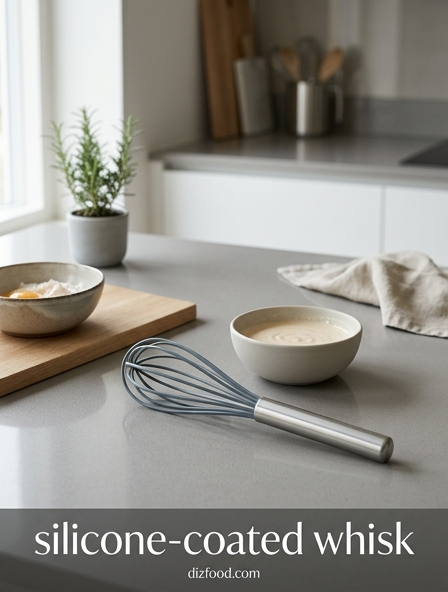
The Vulnerability of Non-Stick Coatings
Modern kitchens rely heavily on non-stick cookware, primarily featuring polytetrafluoroethylene (PTFE) or ceramic-based coatings. While these surfaces provide exceptional food release, they are inherently fragile and susceptible to physical degradation. The primary threat to these coatings is the use of abrasive metal utensils, which can create microscopic gouges in the surface. Once the integrity of a non-stick layer is compromised, the damage typically cascades, leading to widespread peeling and the loss of the pan's functional properties.
- Susceptibility to mechanical abrasion from stainless steel wires.
- Increased risk of chemical leaching once the base material is exposed.
- Loss of hydrophobic properties, causing food to bond to the surface.
- Potential for coating flakes to enter the food supply during high-heat agitation.
Maintaining the lifespan of expensive pans requires a fundamental shift in tool selection. Silicone-coated whisks act as a protective barrier, ensuring that the necessary agitation for sauces and batters does not result in the destruction of the underlying cookware. By understanding the structural limitations of non-stick materials, cooks can appreciate why a softer interface is essential for long-term kitchen efficiency.
Silicone Versus Metal Whisk Performance
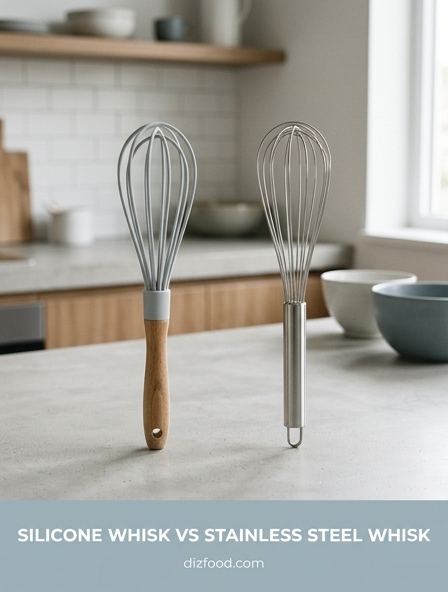
Choosing between silicone and metal whisks often involves balancing durability with surface protection. Metal whisks are traditionally favored for their rigidity and ability to cut through heavy batters, yet they present significant risks to modern vessels. Silicone-coated alternatives provide a softer touch while maintaining enough internal structural integrity-usually through a stainless steel core-to perform complex culinary tasks effectively.
| Feature | Metal Whisk | Silicone Whisk |
|---|---|---|
| Surface Safety | Abrasive; damages non-stick | Non-abrasive; protects coatings |
| Noise Level | High; clanging against metal | Low; dampened contact sound |
| Flexibility | Rigid and stiff | Flexible and adaptive |
| Heat Resistance | Excellent (will not melt) | High (up to 450°F to 500°F) |
While metal whisks may offer slightly better aeration for meringues due to thinner wires, the silicone-coated variety excels in everyday pan sauces and custards. The dampening effect of the silicone also reduces the auditory fatigue often associated with vigorous mixing in a professional or domestic kitchen environment.
Preventing Surface Scratches and Damage
The primary utility of a silicone-coated whisk lies in its ability to navigate the contours of a pan without leaving a trace. When whisking a roux or a delicate reduction, the tines of the whisk frequently come into high-velocity contact with the bottom and sides of the pot. A metal whisk acts like a series of small knives, micro-scratching the surface with every rotation. These scratches are not merely cosmetic; they create "anchor points" where proteins and sugars can bind, eventually causing food to stick.
Silicone serves as a high-friction yet low-impact material. It glides over delicate surfaces, ensuring that the kinetic energy of the whisking motion is directed entirely toward the ingredients rather than the vessel itself. This preventative measure is particularly crucial for copper-lined pans or specialized enamelware, where even minor scratches can lead to permanent discoloration or oxidation. By adopting silicone-coated tools, home cooks can ensure their high-end culinary investments remain in pristine condition for years, avoiding the dulling effects of traditional metal-on-metal friction that plagues most standard kitchen setups.
Heat Resistance and Cooking Safety
Safety in the kitchen extends beyond preventing physical cuts; it involves the chemical stability of the tools used under extreme temperatures. High-quality silicone-coated whisks are engineered to withstand temperatures ranging from 450°F to 500°F. This makes them ideal for stirring boiling sugar, thick gravies, or deep-frying batters where lower-grade plastics would melt or warp. Unlike nylon, which can deform and release fumes when exposed to high heat, food-grade silicone remains inert and stable.
- Thermal Stability: Maintains shape and function at high temperatures.
- Chemical Inertness: Does not react with acidic or alkaline ingredients.
- BPA-Free Composition: Ensures no harmful plasticizers leach into the food.
- Cool-Touch Properties: Silicone does not conduct heat as rapidly as bare metal.
Furthermore, the safety of silicone is highlighted by its resistance to staining and odor retention. When cooking spicy or highly pigmented foods like curry or tomato sauce, the non-porous nature of the silicone ensures that the tool does not become a reservoir for bacteria or cross-contamination. This thermal and chemical resilience makes it a superior choice for both hot and cold culinary applications.
Preserving the Life of Your Cookware
The financial aspect of kitchen management often centers on the longevity of essential hardware. Professional-grade non-stick pans and enameled cast iron represent a significant investment. Using improper tools is the fastest way to depreciate these assets. A silicone-coated whisk acts as an insurance policy for your cookware. By eliminating the friction and impact damage caused by stainless steel, these whisks prevent the premature retirement of pots that would otherwise be discarded due to flaking or sticking.
Preservation also extends to the aesthetic quality of the kitchen. Scratching not only ruins the functionality of a pan but also makes it look aged and poorly maintained. Silicone tools allow for vigorous whisking techniques-such as the side-to-side motion required for emulsions-without the fear of leaving permanent swirl marks. In the long run, the cost of replacing a few metal whisks with silicone-coated versions is vastly overshadowed by the savings realized from not having to replace an entire set of premium pans every two years. Sustainable cooking starts with choosing tools that respect the surfaces they touch, fostering a more durable and efficient culinary environment.
Achieving Smooth Textures Without Scrapes
Culinary excellence often depends on the smoothness of a sauce or the consistency of a batter. Achieving a lump-free béchamel or a silky pastry cream requires constant agitation, specifically reaching into the corners of the saucepan where flour and starch tend to settle. A silicone-coated whisk is uniquely suited for this task because its wires are flexible enough to conform to the radius of the pan's edge. This ensures that every millimeter of the cooking surface is swept during the mixing process.
Unlike rigid metal whisks that may bounce off the bottom of the pan, the silicone coating provides a "grip" that helps incorporate dry ingredients into liquids more efficiently. This results in a superior emulsion without the harsh scraping sound of metal against metal. Whether you are folding air into egg whites or smoothing out a thick chocolate ganache, the balanced tension of silicone-coated wires allows for precision and control. This refined movement prevents the localized burning of ingredients, as the whisk can effectively move food away from the heat source at the bottom of the vessel, ensuring a uniform temperature and texture throughout the entire mixture.
Ergonomic Design and Comfortable Handling
The comfort of a kitchen tool is just as important as its functionality, especially during labor-intensive tasks like whipping cream or tempering eggs. Silicone-coated whisks often feature enhanced ergonomic designs that prioritize user comfort. The handles are frequently constructed from non-slip materials, providing a secure grip even when hands are wet or covered in flour. This ergonomic focus reduces the strain on the wrist and forearm, making prolonged whisking much more manageable for the home cook or professional chef.
- Contoured handles that fit the natural curve of the palm.
- Weight-balanced construction to prevent hand fatigue.
- Non-slip textures for increased safety during high-speed mixing.
- Shock-absorbing properties that reduce the vibration felt by the user.
By dampening the vibrations that occur when the whisk hits the sides of the bowl, silicone whisks offer a much smoother experience. This is particularly beneficial for individuals with joint pain or arthritis, as the tool absorbs much of the mechanical stress that would otherwise be transferred to the user's hand. Comfortable handling leads to better technique, which ultimately results in better-prepared food and a more enjoyable cooking process.
Hygienic Benefits of Food-Grade Silicone
Hygiene is a critical factor in tool selection, and food-grade silicone offers several advantages over traditional materials. One of the most significant benefits is its non-porous surface, which prevents the absorption of food particles, oils, and odors. This makes silicone-coated whisks exceptionally resistant to bacterial growth and mold. Unlike wooden-handled tools that can crack and harbor pathogens, or cheap plastic whisks that can develop deep scratches, silicone remains smooth and easy to sanitize over its entire lifespan.
Many silicone whisks are designed with a seamless or fully encapsulated construction. This means there are no gaps where the wires meet the handle, eliminating the common problem of water and food debris getting trapped inside the handle-a frequent source of rust and contamination in metal whisks. Because silicone is chemically stable, it does not react with acidic foods like citrus or vinegar, ensuring that no metallic taste or harmful chemicals are transferred to the dish. This high level of purity and ease of sterilization makes silicone an ideal material for maintaining the highest standards of food safety in both domestic and commercial settings.
Easy Cleanup and Maintenance Tips
The utility of a kitchen tool is often measured by the ease of its post-cooking maintenance. Silicone-coated whisks excel in this regard due to their hydrophobic and non-stick properties. Food residues, even sticky substances like caramel or thick batters, slide off the silicone wires much more easily than they do from bare stainless steel. This reduces the need for aggressive scrubbing, which further preserves the tool's integrity. Most high-quality silicone whisks are dishwasher safe, allowing for high-temperature sterilization without the risk of warping or degradation.
For those who prefer hand-washing, a simple soak in warm soapy water is usually sufficient to remove any remaining debris. To maintain the whisk properly, it is recommended to inspect the coating occasionally for any signs of peeling or deep cuts, though this is rare with premium food-grade silicone. Drying the whisk thoroughly before storage prevents any mineral buildup from hard water. By following these basic maintenance steps, a silicone-coated whisk can remain a reliable and hygienic part of the kitchen arsenal for many years, providing consistent performance with minimal effort required for its upkeep.
Essential Tool for Modern Kitchens
As kitchen technology evolves, the tools we use must adapt to protect and complement new materials. The silicone-coated whisk has transitioned from a niche specialty item to an essential staple for any modern cook. It represents the perfect intersection of traditional utility and contemporary material science. By offering the versatility to work across all types of cookware-from seasoned cast iron to the most delicate ceramic non-stick-it eliminates the need for multiple specialized whisks, streamlining the kitchen inventory.
Beyond its protective qualities, the silicone whisk reflects a broader movement toward quieter, safer, and more ergonomic kitchen environments. It addresses the common frustrations of modern cooking: the noise of metal clanging, the damage to expensive pans, and the difficulty of cleaning complex tools. Whether you are a professional chef executing a complex hollandaise or a home baker preparing a weekend cake, the silicone-coated whisk provides the reliability and gentleness required for success. Its adoption is a small but significant step toward more sustainable and enjoyable culinary practices, ensuring that your cookware and your recipes both turn out perfectly every time.

Comments