
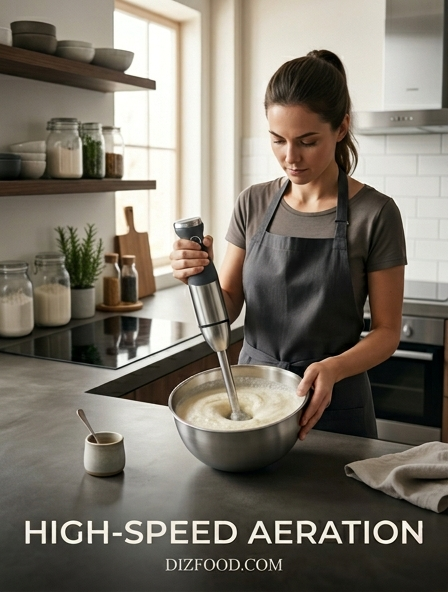
The Science of High Speed Aeration
High-speed aeration is a mechanical process that relies on the rapid incorporation of air into a liquid or semi-solid matrix to create a stable foam. At the molecular level, this process involves the denaturation of proteins, particularly in substances like egg whites or heavy cream. As the whisk or beater moves at high velocity, the physical force stretches the protein strands, unfolding them from their naturally coiled state. These unfolded proteins then realign to form a protective film around the newly introduced air bubbles, trapping them in place.
- Mechanical Shearing: The rapid movement breaks down large air pockets into microscopic bubbles.
- Surface Tension Reduction: Proteins act as surfactants, lowering the tension to prevent bubble collapse.
- Matrix Formation: A network of interconnected proteins provides the necessary lift and lightness.
The efficiency of this process is dictated by the speed of the agitator and the viscosity of the base. In high-speed kitchen applications, the goal is to maximize the volume while ensuring that the air bubbles are uniform in size, which directly impacts the final texture and "mouthfeel" of the aerated product.
Essential Tools for Maximum Volume
Selecting the correct apparatus is critical for achieving professional-grade aeration. The geometry of the whisk and the power of the motor determine how effectively air is integrated into the mixture. Stand mixers are generally preferred for large-scale aeration due to their planetary mixing action, which ensures every part of the bowl is reached. However, immersion blenders with specialized whisk attachments are increasingly popular for small-batch precision.
| Tool Type | Primary Benefit | Best Application |
|---|---|---|
| Balloon Whisk | Maximum surface area | Manual egg white beating |
| Planetary Mixer | Consistent high speed | Large meringues and sponges |
| Immersion Aerator | High-velocity shearing | Molecular foams and emulsions |
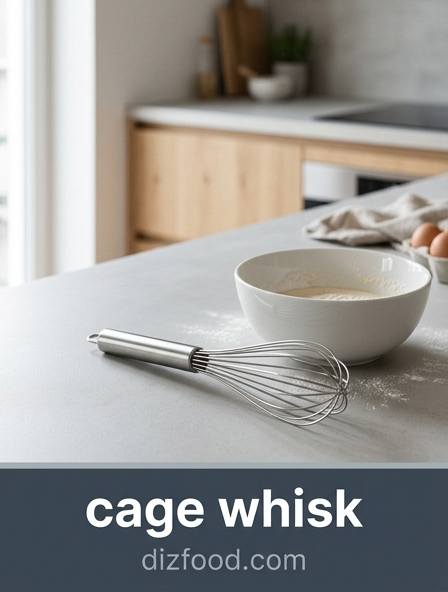
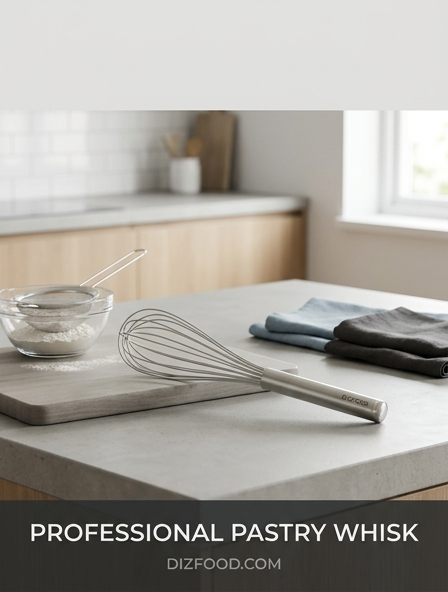
For high-speed tasks, the wire count on a whisk matters significantly. A whisk with more wires will create more "cuts" through the liquid per rotation, leading to a finer, more stable foam in less time. Professional bakers often look for stainless steel wires that are rigid enough to resist bending under the weight of the developing foam.
The Role of Bowl Material and Temperature
The environment in which aeration takes place is just as important as the technique itself. Bowl material can chemically interact with the ingredients to assist or hinder the process. Copper is the gold standard for egg whites because it reacts with conalbumin to create a more stable, elastic bond that is resistant to over-beating. Conversely, plastic bowls are often avoided because they retain microscopic fat residues that can prevent proteins from foaming.
- Copper: Enhances stability through chemical ion exchange.
- Stainless Steel: Highly durable and easy to sanitize, though provides no chemical aid.
- Glass: Good for temperature retention but lacks the grip of metal.
Temperature serves as a secondary control variable. When aerating heavy cream, colder temperatures are essential to keep the fat globules in a solid state, allowing them to form the structure that traps air. For egg whites, room temperature is preferred as it lowers the surface tension, allowing the proteins to stretch and expand much more quickly during high-speed agitation. Mastering these environmental factors ensures consistent results regardless of the ambient kitchen conditions.
Achieving Structural Stability with Sugar
Sugar is more than a sweetener in the context of high-speed aeration; it acts as a structural reinforcement agent. When added to a foam, sugar dissolves into the water film surrounding the air bubbles. This creates a viscous syrup that slows down the drainage of liquid from the bubble walls, a process known as syneresis. However, the timing of the sugar addition is paramount to the final volume and density of the aerated mass.
- Initial Aeration: Beat the base until soft peaks form to establish the initial air structure.
- Gradual Incorporation: Add sugar slowly to prevent the weight from collapsing the fragile bubbles.
- Final Polish: Increase to high speed to ensure all granules are fully dissolved and the foam is glossy.
If sugar is added too early, it can interfere with the protein denaturation, resulting in a low-volume, heavy foam. If added too late, the sugar may remain crystalline, leading to a gritty texture and potential weeping after the bake. Properly timed, sugar creates a resilient, high-gloss finish that can withstand the heat of the oven without collapsing.
Mastering the Stages of Meringue Peaks
Understanding the visual and physical cues of aeration stages allows for precise control over culinary outcomes. As air is pumped into the mixture, the texture transitions through several distinct phases. Monitoring these stages at high speed requires constant attention, as the window between a perfect peak and an over-beaten, broken mess is often only a matter of seconds.
- Foamy Stage: Large, translucent bubbles; the mixture is still mostly liquid.
- Soft Peak: The foam is white and holds its shape but the tip sags over when the whisk is lifted.
- Stiff Peak: The foam is rigid and the tip stands straight up; the mixture is glossy and stable.
When the aeration goes too far, the protein network becomes overly tight and begins to squeeze the water out, resulting in a curdled appearance. This over-aeration is irreversible and requires the chef to start over. To avoid this, many professionals drop the mixer speed during the final transition from soft to stiff peaks to ensure they do not overshoot the desired texture. Each stage serves a specific purpose, from light folding to piped decorations.
Advanced Techniques for Faster Whisking
Efficiency in high-speed aeration can be improved by optimizing the physical movement of the agitator. While mechanical mixers handle the heavy lifting, understanding the fluid dynamics at play can help in troubleshooting or manual adjustments. The goal is to maximize the "shear rate," which is the frequency with which the whisk blades pass through the liquid. This is achieved by combining rotational speed with lateral movement.
- Figure-Eight Motion: This manual technique ensures the mixture is constantly folded back onto itself.
- Incremental Speed Ramping: Starting at medium-low speed to build a foundation before hitting high speeds.
- Orbital Adjustment: Moving the whisk in a circular path while it rotates to prevent "dead zones" in the bowl.
Using these techniques prevents the formation of a vortex, which can actually trap less air than a chaotic, turbulent motion. In a professional setting, speed is often varied throughout the process to manage the heat generated by friction. Excessive friction can warm the ingredients, which is particularly detrimental when working with dairy-based foams that rely on chilled fat for their structural integrity.
Common Aeration Pitfalls and Solutions
Even with the best tools, aeration can fail due to several common kitchen hazards. The most frequent culprit is fat contamination. In egg whites, even a microscopic drop of yolk or a smudge of oil on the bowl can prevent the proteins from bonding around the air bubbles. Humidity also plays a role, as excess moisture in the air can be absorbed by sugars, causing the foam to become heavy and lose its lift.
| Problem | Probable Cause | Recommended Solution |
|---|---|---|
| Grainy Texture | Over-beating or undissolved sugar | Lower speed; use superfine sugar |
| Collapsing Foam | Fat contamination or under-beating | Degrease tools with lemon juice |
| Liquid Seepage | Syneresis/Poor protein bonding | Add a stabilizer or increase sugar |
To salvage a foam that is beginning to show signs of over-beating, one can sometimes add a fresh, unbeaten egg white and whisk gently by hand to reintegrate the moisture. However, prevention remains the best strategy. Ensuring all equipment is "squeaky clean" and monitoring the ambient humidity are standard operating procedures for any chef focusing on high-speed aeration tasks.
Using Stabilizers for Long Lasting Foam
While mechanical force creates the foam, chemical stabilizers ensure it lasts long enough to be useful. In high-speed aeration, stabilizers work by modifying the pH or the viscosity of the liquid phase. Acids, such as cream of tartar or lemon juice, are the most common additives. They lower the pH of the egg whites, which makes the protein molecules less likely to bond too tightly and squeeze out the air.
- Cream of Tartar: The most reliable acid for stabilizing meringues and soufflés.
- Cornstarch: Often used in Pavlovas to create a marshmallow-like interior.
- Xanthan Gum: A modern stabilizer used in vegan foams to mimic protein structures.
In addition to acids, hydrocolloids like gelatin or xanthan gum can be used in more advanced applications, such as culinary siphons or molecular gastronomy foams. These substances create a physical gel-like framework that locks the air bubbles in place, allowing the foam to persist for hours or even days. This is particularly useful for restaurant service where aerated elements must be prepared in advance and held for plating.
Precision Timing for Optimal Texture
Timing is the invisible ingredient in successful aeration. The duration of high-speed whisking determines the density, volume, and elasticity of the final product. Every second counts because the transition from a liquid to a semi-solid foam happens along an exponential curve. Initially, volume increases slowly, but as the protein network becomes more complex, the expansion accelerates rapidly until it reaches its maximum capacity.
- The Build Phase: The first 2-3 minutes focus on creating a uniform base of small bubbles.
- The Expansion Phase: High-speed beating for 1-2 minutes to maximize volume.
- The Finishing Phase: A final 30 seconds at lower speed to equalize bubble size.
Relying on a timer is helpful, but sensory cues are more reliable. A chef must listen for the sound change-a heavier, "slapping" sound against the bowl usually indicates that stiff peaks are approaching. Visually, the mixture will shift from a dull matte to a vibrant, pearlescent sheen. Stopping at exactly the right moment ensures the foam is flexible enough to fold into other ingredients without breaking.
Transforming Bakes with Aerated Bases
The mastery of high-speed aeration is what separates a dense, heavy cake from a light, ethereal sponge. Aerated bases, such as those found in Genoise or Chiffon cakes, rely entirely on the air trapped in egg foams for their rise. Unlike chemically leavened bakes that use baking powder, aerated bakes use the expansion of air bubbles in the heat of the oven to create their structure. This results in a much finer crumb and a more delicate texture.
When incorporating an aerated base into a heavier batter, the "folding" technique is vital. Using a wide spatula, the chef must gently cut through the center and lift the bottom of the mixture over the top, rotating the bowl as they go. The goal is to retain as much of the high-speed aeration as possible. Even a few seconds of aggressive mixing at this stage can deflate the bubbles, leading to a flat, rubbery result. When done correctly, the aerated base provides the essential lift that defines classic pastry arts, from the lightest mousses to the loftiest soufflés.

Comments