
Achieving the ultimate golden crunch is a breakfast art form, yet the debate between the modern convenience of an electric toaster and the artisanal flair of stovetop toasting continues to simmer. While an electric toaster provides a "set-and-forget" reliability perfect for frantic mornings, toasting your bread in a skillet offers a superior sensory experience, allowing you to sear in moisture while achieving a rich, buttery crust that a heating element simply can't replicate. Whether you prioritize the precise, uniform browning of a high-end appliance or the customizable, gourmet texture of a pan-seared slice, understanding how these methods affect the crumb and flavor profile is the secret to elevating your daily toast from a side dish to a standalone star.
| Feature | Electric Toaster | Stovetop (Skillet) |
|---|---|---|
| Speed & Ease | 1-3 mins; fully automated. | 3-5 mins; requires active flipping. |
| Texture Profile | Uniformly dry and crunchy throughout. | Crisp exterior with a soft, pillowy center. |
| Flavor Enhancement | Dry heat only; neutral taste. | Bastes in butter/oils for rich flavor. |
| Precision Control | Numbered dials for browning levels. | Visual, real-time heat management. |
| Versatility | Standard sliced bread only. | Handles thick sourdough, buns, and wraps. |
| Best For... | High-volume, efficient daily routines. | Gourmet brunch and artisanal breads. |
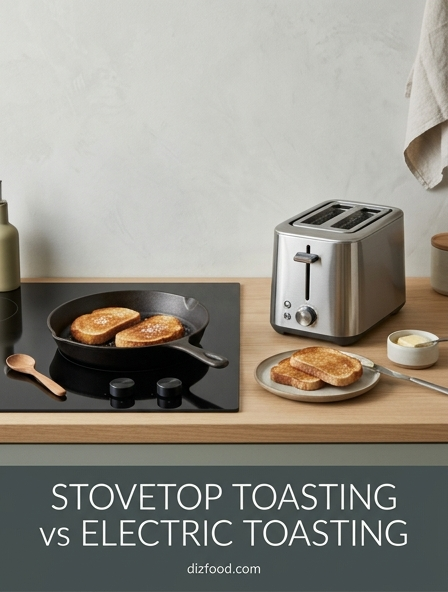
Stovetop vs Electric Toasting Comparison
The debate between stovetop and electric toasting centers on the trade-off between artisanal control and automated efficiency. Electric toasting relies on infrared radiation emitted by nichrome wires, which surround the bread in a confined chamber to strip away moisture quickly. In contrast, stovetop toasting utilizes conductive heat, where the bread makes direct contact with a heated surface, usually a cast iron skillet or a stainless steel pan. This fundamental difference in heat transfer creates two distinct culinary outcomes that appeal to different types of home cooks.
| Feature | Electric Toaster | Stovetop Pan |
|---|---|---|
| Heat Source | Radiant Infrared | Conductive Surface |
| User Interaction | Set and Forget | Active Monitoring |
| Versatility | Bread Only | Various Shapes/Sizes |
| Moisture Content | Drier Result | Higher Retention |
While the electric toaster is a specialized tool designed for a single purpose, the stovetop method is a technique that leverages existing cookware. Electric models are praised for their "pop-up" convenience, which prevents burning through timed cycles. However, the stovetop method offers unparalleled flexibility, allowing users to toast thick-cut sourdough, odd-shaped baguettes, or even leftover pizza crusts that would never fit into a standard toaster slot. Choosing between them depends on whether you prioritize a quick morning routine or the textural nuances of your breakfast.
Flavor Profiles of Pan Toasted Bread
The flavor profile of pan-toasted bread is significantly more complex than that of its electric counterpart. This is primarily due to the Maillard reaction, a chemical interaction between amino acids and reducing sugars that occurs more intensely during conduction. When bread is pressed against a hot pan, the surface sugars caramelize rapidly, creating a deep, nutty aroma. Because pan toasting often involves a fat medium like butter or olive oil, these fats act as flavor carriers, infusing the crumb with rich, savory notes that radiant heat cannot replicate.
- Nutty Undertones: The direct high heat transforms starch into flavorful dextrins.
- Fat Integration: Oils and butters fry the surface, adding a decadent mouthfeel.
- Aromatic Intensity: The open-air environment allows the smell of toasted grain to fill the kitchen.
- Variable Browning: Slight hotspots in a pan create a range of flavors from sweet to smoky in a single slice.
In a standard toaster, the bread is essentially dehydrated until the surface browns. This often results in a "cleaner" but flatter grain flavor. Pan toasting, however, allows for the addition of aromatics like garlic cloves or rosemary sprigs directly into the pan. This technique seasons the bread from the outside in, making the toast a standalone dish rather than a mere vessel for toppings. For those who view toast as a culinary canvas, the stove provides a depth of flavor that a heating element simply cannot match.
Electric Toaster Convenience and Consistency
The primary appeal of the electric toaster lies in its ability to produce identical results morning after morning. For the busy individual, the "set-and-forget" nature of a modern toaster is an indispensable asset. These machines are engineered with bimetallic strips or electronic timers that ensure the heating elements shut off at the precise moment the desired browning level is reached. This level of automation removes the risk of human error, such as the common "burnt toast" scenario that occurs when a pan is left unattended on a burner for just a few seconds too long.
- Insert the bread slices into the designated slots.
- Adjust the browning dial to the preferred numerical setting.
- Depress the lever to initiate the heating elements.
- Wait for the mechanical pop-up notification.
Furthermore, electric toasters are designed to heat both sides of the bread simultaneously. This dual-sided heating ensures that the internal moisture is trapped behind two uniform walls of crunch. In a kitchen where multitasking is essential, being able to walk away from the toaster to pour coffee or pack a lunch is a significant logistical advantage. Consistency is the hallmark of the appliance; as long as the bread type remains the same, the outcome is guaranteed. This reliability makes the electric toaster the gold standard for high-volume households and those who value a streamlined, predictable morning ritual over culinary experimentation.
Texture Analysis Stovetop vs Electric
Texture is perhaps the most divisive element in the toasting debate. An electric toaster creates a uniform, vertical crunch. Because the bread sits upright, moisture escapes evenly from both sides, resulting in a slice that is often crisp all the way through to the center. This creates a brittle, "cracker-like" quality that many enjoy for its structural integrity, especially when spreading cold butter or heavy jams. The crunch is loud, consistent, and provides a sharp contrast to soft toppings like avocado or poached eggs.
Stovetop toasting, conversely, produces a textural gradient. The side in contact with the pan becomes incredibly crisp and golden, while the upward-facing side remains relatively soft until it is flipped. This method preserves more of the bread's internal moisture, resulting in a "tender-crisp" experience. The exterior mimics the crunch of a grilled cheese sandwich, while the interior remains pillowy and chewy. This contrast is particularly desirable for artisanal loaves with high hydration levels, such as ciabatta or focaccia, where maintaining the crumb's elasticity is just as important as achieving a golden exterior. The result is a more substantial mouthfeel that feels like a cooked meal rather than a dried snack.
Energy Efficiency in Toasting Methods
When analyzing energy efficiency, the electric toaster is the clear winner for small-scale tasks. Toasters are designed with a very small thermal mass and highly concentrated heating elements. They reach their operating temperature almost instantly and lose very little heat to the surrounding environment because the bread is enclosed within a small chamber. A standard two-slice toaster uses approximately 800 to 1500 watts, but because it only runs for about two minutes, the total energy consumption is remarkably low.
| Metric | Electric Toaster | Gas/Electric Stove |
|---|---|---|
| Preheat Time | 0 Seconds | 2-4 Minutes |
| Heat Loss | Minimal (Enclosed) | High (Open Air) |
| Total Cook Time | 2 Minutes | 5-7 Minutes |
| Environmental Impact | Lower per slice | Higher per slice |
Using a stovetop requires heating a heavy pan, which acts as a thermal heat sink. Whether using a gas flame or an electric coil, a significant amount of energy is expended just to get the pan to a temperature capable of searing the bread. Furthermore, much of the heat generated by a stovetop burner escapes into the kitchen air rather than being absorbed by the food. While the difference in a monthly utility bill might be negligible for a single slice, the cumulative energy waste of heating a 12-inch skillet for one piece of toast is significantly higher than using a localized appliance specifically engineered for the task.
Why Foodies Prefer Stovetop Toasting
For the dedicated foodie, the extra effort required for stovetop toasting is a small price to pay for the superior sensory experience. The preference often stems from the ability to control every variable of the process. On a stovetop, one can adjust the flame height, choose the specific fat for toasting, and apply pressure to the bread to ensure even browning across uneven surfaces. This "handcrafted" approach appeals to those who view cooking as a therapeutic or artistic endeavor rather than a chore.
- Total Control: You can check the underside of the bread every few seconds for the perfect shade.
- Infusion Opportunities: Using flavored oils, such as chili oil or truffle butter, is only possible in a pan.
- No Size Limits: Foodies often use irregular, hand-cut slices that are too large for commercial toaster slots.
- Texture Customization: The ability to toast only one side, leaving the other soft, is a gourmet technique.
There is also an element of nostalgia and tradition associated with the skillet. It evokes the feeling of a farmhouse breakfast or a professional bistro kitchen. Many enthusiasts argue that the electric toaster "deadens" the bread by drying it out too much, whereas the pan "awakens" it. By searing the bread in a skillet, you are essentially treating it as a protein, developing a crust that enhances the natural ferment of a high-quality sourdough or rye. For the epicurean, the stovetop is the only way to respect the integrity of a high-quality loaf.
Speed Comparison for Quick Breakfasts
In a head-to-head race for the fastest breakfast, the electric toaster wins by a wide margin. The efficiency of a toaster is built into its design; the moment you press the lever, the nichrome wires glow red-hot and begin the toasting process. There is no "preheating" phase. For a standard slice of white or whole-wheat bread, a toaster can achieve a medium-brown finish in roughly 90 to 120 seconds. This speed is crucial for families or individuals operating on a tight morning schedule where every minute counts.
Stovetop toasting is a multi-stage process that requires patience. First, the pan must be placed on the burner and brought up to temperature, which can take several minutes depending on the material of the cookware. Once the pan is hot, the bread must be monitored and flipped halfway through. If you are using butter, you must also wait for it to melt and foam before adding the bread. Total time for a single slice on the stove can easily reach five to seven minutes. While this might seem insignificant in isolation, it represents a 300% increase in time compared to the electric method. For anyone who needs to eat while standing up or while rushing out the door, the electric toaster remains the unrivaled champion of convenience.
The Role of Butter in Pan Toasting
The relationship between butter and bread changes fundamentally when moving from a toaster to a pan. In the electric toasting method, butter is typically applied after the bread has been toasted. The heat of the bread melts the butter, but the fat mostly sits on top or soaks into the dry pores. This is a "passive" application. In contrast, pan toasting involves an "active" application where the bread is placed directly into a pool of melted, bubbling butter. This creates a fried exterior that is fundamentally different from simply "buttered toast."
When butter is heated in a pan, the water content evaporates, leaving behind milk solids and fat. As the bread toasts, it absorbs these milk solids, which then brown alongside the bread's sugars. This creates a flavor known as *beurre noisette* (brown butter) directly on the surface of the slice. The fat also helps to distribute heat more evenly into the nooks and crannies of the bread's surface, ensuring that every millimeter of the crust is crispy. This method results in a rich, decadent crust that shatters when bitten, followed by a buttery, soft interior. For many, the integration of fat during the heating process is the single greatest argument in favor of the stovetop method, transforming a simple carbohydrate into a rich culinary experience.
Maintenance and Longevity of Toasters
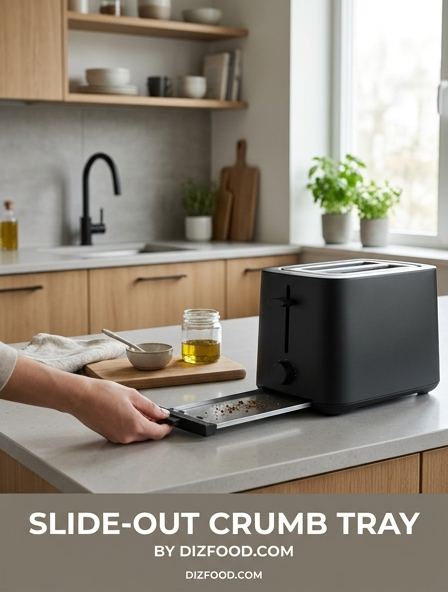
Maintenance is an often-overlooked factor when choosing a toasting method. Electric toasters are notorious for accumulating breadcrumbs in their internal base, which can become a fire hazard if not cleaned regularly. Most modern toasters include a removable crumb tray, but fine particles inevitably find their way into the heating elements and mechanical components. Over time, these elements can burn out or become less efficient, and because toasters are closed units, they are rarely repairable. Most household toasters have a lifespan of five to ten years before they are relegated to a landfill.
- Toaster Care: Requires frequent emptying of crumb trays and occasional shaking.
- Pan Care: Requires standard washing or seasoning (for cast iron) after each use.
- Durability: A high-quality skillet can last a lifetime, whereas a toaster is a disposable electronic.
- Repairability: Toasters are difficult to fix; pans never "break" in a functional sense.
The stovetop method, meanwhile, uses cookware that is already part of the kitchen ecosystem. A cast iron skillet or stainless steel pan is virtually indestructible. Maintenance involves a simple wash and dry, or a quick wipe-down if only a small amount of butter was used. There are no wires to fray, no timers to break, and no hidden chambers to collect mold or pests. From a sustainability and long-term cost perspective, the stovetop method is far superior, as it relies on durable goods rather than electronic appliances with planned obsolescence.
Final Verdict on the Best Toasting Method
The "best" method for toasting bread is entirely dependent on the context of the meal and the lifestyle of the cook. Neither method is objectively superior; rather, they serve different masters. The electric toaster is the master of utility. It is the perfect tool for the "functional breakfast," where the goal is to provide a consistent, crunchy base for toppings with minimal effort and maximum speed. Its ability to provide uniform results without supervision makes it a staple of the modern, fast-paced household.
Conversely, the stovetop method is the master of flavor and texture. It is the preferred choice for a slow weekend brunch, a gourmet sandwich, or when working with high-quality artisanal breads that deserve more than a generic heating cycle. While it requires more energy, more cleanup, and more active attention, the reward is a superior culinary product characterized by a buttery, Maillard-rich crust and a moist, tender interior. Ultimately, if you view toast as a quick delivery system for peanut butter, stick with the electric toaster. If you view toast as a central component of a meal that should be savored for its own merits, the stovetop is undoubtedly worth the extra effort. Most well-equipped kitchens have room for both: a reliable toaster for the Tuesday morning rush and a well-seasoned skillet for the Sunday morning feast.

Comments