
Ever wondered why the same loaf of bread can taste entirely different depending on how you apply the heat? The science of toasting is all about moisture evaporation and the Maillard reaction, where the texture profile shifts from a soft crumb to a complex, crunchy crust. While an electric toaster offers a convenient, uniform dry heat, manual methods often provide a richer, more varied surface tension and flavor depth. Mastering these subtle changes ensures your breakfast always hits the right spot. For a deeper dive into which method reigns supreme, check out our comparison of stovetop toasting vs electric toasting.
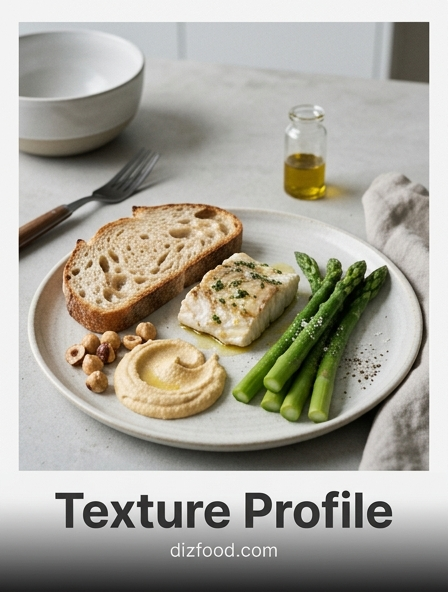
The Science of the Maillard Reaction and Bread Texture
The Maillard reaction is a fundamental chemical process in the kitchen that dictates the sensory profile of toasted bread. This non-enzymatic browning occurs when reducing sugars and amino acids interact under heat, typically beginning around 285°F (140°C). Beyond merely changing the color of the crust, this reaction produces hundreds of volatile flavor compounds and restructures the carbohydrate surface into a rigid, brittle lattice. This transformation is what provides the characteristic "snap" when biting into a well-toasted slice.
- Aromatics: Development of nutty, malty, and toasted scent profiles.
- Dehydration: Removal of surface moisture to create a desiccated outer layer.
- Structural Integrity: Cross-linking of proteins that reinforces the bread's exterior.
As the reaction progresses, the crumb beneath the surface remains protected, creating a textural gradient. If the heat is too low, the bread dries out entirely without browning; if too high, the Maillard reaction quickly transitions into carbonization, resulting in a bitter, burnt texture rather than a savory, crisp one.
Standard Pop-Up Toasters and Uniform Crispness
The standard pop-up toaster is designed for efficiency and high-intensity radiant heat. By utilizing Nichrome wires wrapped around mica sheets, these devices emit infrared radiation that directly strikes the surface of the bread. Because the heating elements are positioned mere millimeters from the slice, the moisture on the surface evaporates almost instantly, locking in a thin, uniform crust while the interior remains relatively soft.
- Vertical Orientation: Allows steam to rise and escape freely, preventing sogginess.
- Proximity: Ensures rapid searing of the outer cells to stop deep desiccation.
- Mechanical Timing: Uses bimetallic strips or capacitors to ensure consistent exposure.
This method is ideal for factory-sliced white or wheat breads which have a consistent thickness. The primary textural advantage of a pop-up toaster is the "shatter-crisp" effect, where the very outer layer becomes fragile and glass-like. However, this method can struggle with uneven artisan slices, where protruding edges may char before the recessed areas of the crumb have undergone sufficient browning.
Toaster Ovens vs Conventional Ovens for Moisture Retention
When choosing between a toaster oven and a conventional oven, the primary variable is the volume of the cooking chamber. A toaster oven features a compact environment where the proximity of the heating elements creates a more aggressive drying effect on the surface. In contrast, a conventional oven has a much larger air volume, which allows for a more gradual heat transfer and better moisture retention within the bread's crumb.
| Feature | Toaster Oven | Conventional Oven |
|---|---|---|
| Heat Distribution | Direct Radiant | Circulating Convective |
| Surface Texture | Hard and Crunchy | Firm but Yielding |
| Internal Moisture | Moderate Loss | High Retention |
For thick-cut brioche or dense rye, the conventional oven is superior for achieving a "custardy" interior. The slower ramp-up in temperature allows the center of the bread to reach a palatable temperature without the exterior becoming overly desiccated. Toaster ovens are better suited for quick, high-contrast textures where a hard bite is the desired outcome.
Pan Searing Techniques for a Richer Golden Crust
Pan searing bread involves conductive heat transfer, which differs significantly from the radiant heat of a toaster. By placing a slice in a hot skillet, heat is transferred directly from the metal surface to the bread. This creates a dense, compressed crust that is much richer than dry-toasted bread. The weight of the bread against the pan ensures that the heat penetrates evenly across the surface, filling in the microscopic nooks of the crumb.
- Medium Heat: Allows for deep browning without scorching the sugars.
- Pressing: Using a weight or spatula to increase surface contact.
- Lid Usage: Trapping steam briefly to soften the interior before the final crisp.
This technique is favored for sandwiches like grilled cheese or patty melts, where the bread must act as a structural barrier. The resulting texture is less "glassy" and more "leathery-crisp," providing a satisfying chew that holds up against wet fillings. The lack of airflow in a pan means the moisture is pushed inward, keeping the center of the bread remarkably supple.
Air Fryer Toasting for Maximum Exterior Crunch
Air fryers have revolutionized the texture profile of toasted kitchen items through high-velocity convection. Unlike a standard oven, the air fryer uses a powerful fan to circulate superheated air around the bread from all angles simultaneously. This creates an accelerated dehydration of the exterior, resulting in a crunch that is deeper and more substantial than what is achievable in a pop-up toaster. The air movement effectively "blasts" away the boundary layer of moisture.
- Preheating: Ensures the bread hits a wall of heat for an immediate sear.
- Perforated Basket: Allows airflow to reach the bottom, preventing a soggy underside.
- Short Intervals: Prevents the bread from turning into a crouton-like state.
Because the air fryer is so efficient at removing moisture, it is the optimal tool for reviving day-old bread that has gone stale or soft. It restores the crystalline structure of the starch through rapid heat, making the crust exceptionally loud and brittle while maintaining a hot, airy center.
The Impact of Heat Intensity on Crumb Softness
The relationship between heat intensity and the bread's internal crumb is a study in thermodynamic gradients. When bread is subjected to extreme heat for a short duration, the exterior undergoes the Maillard reaction so quickly that the heat does not have time to migrate to the center. This results in a "flash-toast" effect: a scorched, crispy shell with a steaming, soft, and elastic interior. This contrast is highly prized in gourmet breakfast preparation.
Conversely, low-intensity heat applied over a longer period results in a more uniform drying of the bread. As the temperature rises slowly, the moisture throughout the entire slice evaporates, leading to a crunchy texture that persists all the way through. This is the difference between a piece of toast and a rusk or Melba toast. High intensity preserves the "stretch" of the gluten network in the center, whereas low intensity causes the gluten to become brittle and crumbly. Controlling this intensity is the key to managing the "bite" of the final product.
Artisan Sourdough vs White Bread Texture Transformations
The inherent composition of bread significantly alters how its texture evolves under heat. Artisan sourdough, characterized by high hydration and a wild yeast fermentation process, possesses a robust protein structure and large, irregular alveoli (air pockets). When toasted, these large pores create a variegated texture with jagged, extra-crunchy peaks and chewy, recessed valleys. White bread, with its tight, uniform crumb and added fats, reacts much more predictably.
| Bread Type | Crust Character | Crumb Reaction |
|---|---|---|
| Sourdough | Thick, splintering | Chewy, elastic |
| White Bread | Thin, delicate | Soft, melting |
| Whole Grain | Gritty, fibrous | Dense, toothsome |
The acidity in sourdough also affects the Maillard reaction, often requiring higher temperatures to achieve the same level of browning as a sugar-enriched white loaf. Furthermore, the thick skin of an artisan loaf acts as a heat shield, requiring a longer dwell time in the toaster to reach the desired core temperature without over-browning the edges.
How Broiling Creates a Contrasting Surface Snap
Broiling is a top-down heating method that utilizes intense infrared energy from a very close distance. In a kitchen setting, this is often the fastest way to achieve a "surface snap"-a very thin, very hard layer of toasted starch that breaks away easily from the bread beneath it. Because the heat is only applied to one side at a time, the cook has total control over the level of carbonization and browning.
- Visual Monitoring: Essential due to the rapid transition from brown to burnt.
- One-Sided Toasting: Keeps the bottom side soft, ideal for open-faced melts.
- Charcoal Notes: Often introduces a smoky flavor profile not found in toasters.
This technique is particularly effective for thick slices of baguette or ciabatta. The intense heat causes the natural sugars on the surface to caramelize almost instantly, creating a texture that mimics a wood-fired oven. The resulting snap provides a sophisticated mouthfeel that contrasts sharply with the airy, un-toasted underside of the slice.
The Role of Fat and Oils in Achieving Crispness
The addition of fats-whether butter, olive oil, or lard-completely alters the physics of toasting. Fat acts as a high-efficiency thermal conductor, bridging the gap between the heat source and the bread's surface. Instead of simple dehydration, the bread undergoes a shallow-frying process. This leads to a texture that is "crisp" rather than "crunchy," characterized by a delicate, oily snap that dissolves quickly on the tongue.
- Uniformity: Fat fills the pores, ensuring the heat reaches every part of the crumb.
- Flavor Sealing: Creates a barrier that prevents the interior from drying out.
- Tenderizing: Shortens gluten strands, making the toasted bite less chewy.
When butter is used, the milk solids also undergo their own browning, adding a layer of complexity to the Maillard reaction. Oil-toasted bread tends to be crunchier and more resilient, while butter-toasted bread offers a melt-in-the-mouth crispness. Without fat, the texture is strictly defined by the desiccation of starch; with fat, it becomes a multi-sensory experience of richness and friability.
Timing and Temperature Controls for the Perfect Bite
The final texture profile of any kitchen-toasted item is a result of the precise calibration between timing and temperature. There is a "sweet spot" in the toasting cycle where the maximum amount of flavor has been developed via the Maillard reaction, but the moisture loss in the crumb has not yet reached a point of toughness. Managing this requires an understanding of carry-over cooking, where the internal temperature continues to rise even after the bread is removed from the heat.
For a perfect bite, a high initial temperature is often preferred to "set" the exterior, followed by a brief period of lower heat to warm the center. This dual-phase approach prevents the bread from becoming "rubbery," a common defect caused by slow moisture migration at low temperatures. Professional chefs often use the "tap test" to check for a hollow sound, indicating that the crust has detached from the crumb sufficiently to provide a distinct textural contrast. Ultimately, timing is the final arbiter of whether a slice is merely warm bread or a perfected piece of culinary texture.

Comments