
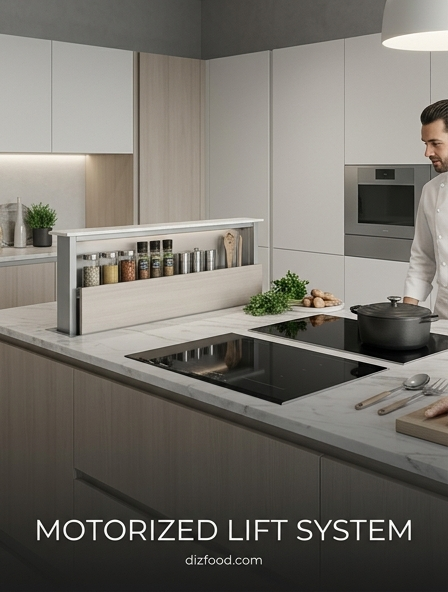
Modern kitchens are rapidly evolving to prioritize universal design, ensuring that every family member can navigate the heart of the home with ease and dignity. A motorized lift system stands out as the premier choice for accessibility, offering seamless, automated height adjustments for countertops and heavy appliances at the simple touch of a button. These innovative systems eliminate the physical strain of reaching or bending, making the kitchen more inclusive for individuals with limited mobility or varying heights. By integrating smart technology into your cabinetry, you create a safer, more ergonomic environment that enhances daily independence and efficiency. When upgrading your space, it is essential to understand the functional differences between a manual lever vs. motorized lift to determine which solution best fits your modern lifestyle.
The Rise of Accessible Kitchen Design
The evolution of the modern kitchen has shifted significantly toward universal design, a philosophy that ensures spaces are usable by all people regardless of age or physical ability. As the population ages and the desire for "aging in place" grows, motorized lift systems have become a cornerstone of accessible architecture. These systems transform static cabinetry into dynamic environments that adapt to the user's specific needs rather than forcing the user to adapt to a fixed layout.
The integration of motorized technology addresses several key components of inclusive design:
- Variable counter heights to accommodate both standing and seated users.
- Automated shelving that brings heavy appliances down to a reachable level.
- Hands-free or low-force activation mechanisms for those with limited grip strength.
- Clear floor space enhancement by tucking away bulky equipment when not in use.
By prioritizing accessibility, homeowners are creating environments that are not only more functional for individuals with disabilities but also more convenient for every member of the household. This movement represents a fusion of high-end engineering and empathetic design, ensuring that the heart of the home remains a welcoming space for everyone.
Why Motorized Lifts Beat Manual Appliance Storage
Traditional appliance garages and manual pull-out shelves have long been the standard for hiding kitchen clutter. However, these manual solutions often present physical challenges, such as requiring significant force to pull, lift, or slide heavy machinery like stand mixers or espresso machines. Motorized lifts provide a superior alternative by utilizing precision-calibrated actuators to handle the weight, eliminating the risk of muscle strain or accidental drops.
When comparing the two systems, the benefits of automation become clear across several metrics:
| Feature | Manual Storage | Motorized Lift |
|---|---|---|
| Physical Effort | High; requires lifting/pulling | Zero; push-button operation |
| Safety | Risk of pinching or dropping | Integrated sensors and stops |
| Durability | Wear on hinges and tracks | Controlled, consistent motion |
| Space Efficiency | Requires swing clearance | Vertical or recessed paths |
The transition to motorized systems reflects a broader trend toward luxury and convenience, where the effort of meal preparation is minimized through mechanical assistance, allowing the cook to focus on the culinary process rather than the logistics of appliance management.
Ergonomic Benefits of Height Adjustable Toasting Stations
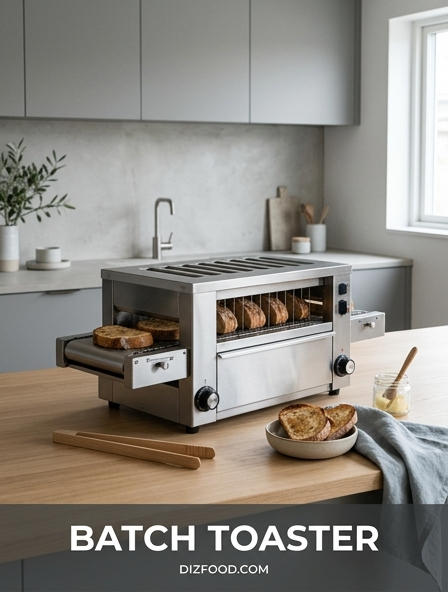
Ergonomics in the kitchen is often overlooked until chronic pain or discomfort arises. A height-adjustable toasting station, powered by a motorized lift, allows users to position their appliances at the optimal "elbow height." This prevents the repetitive bending or overreaching that typically occurs with standard 36-inch countertops. For taller individuals, a lift can raise the toaster to a comfortable viewing level, while for children or wheelchair users, it can be lowered to ensure safe access.
Maintaining proper posture during kitchen tasks is essential for long-term spinal health. By utilizing a motorized system, the kitchen environment becomes personalized. The benefits include:
- Reduction in lower back strain by eliminating deep bending into low cabinets.
- Prevention of shoulder impingement by avoiding high reaches for heavy items.
- Improved visual clarity of appliance settings and countdown timers.
- Enhanced safety when handling hot items, as the appliance is positioned at a stable, reachable height.
These ergonomic adjustments contribute to a more efficient workflow, reducing fatigue during meal preparation and making the kitchen a more comfortable space for extended use.
Maximizing Small Kitchen Space with Retractable Lifts
In urban dwellings and smaller homes, counter space is a premium commodity. Motorized retractable lifts offer an ingenious solution by utilizing "dead space" inside cabinetry or behind backsplashes. Instead of allowing a toaster, blender, or air fryer to permanently occupy valuable work surfaces, these items can be hidden within a motorized compartment that rises only when needed. This "now you see it, now you don't" approach doubles the available workspace for food preparation.
Retractable lifts can be installed in various configurations to suit unique layouts:
- Pop-up Lifts: Rise vertically from the countertop.
- Drop-down Lifts: Descend from upper cabinetry to eye level.
- In-Island Lifts: Concealed within a kitchen island to maintain a clean aesthetic.
By clearing the visual clutter of cords and bulky appliances, small kitchens appear larger and more organized. The ability to reclaim square footage without sacrificing the utility of essential gadgets makes motorized lifts an essential tool for modern high-density living. It transforms a crowded kitchen into a versatile, multi-functional zone.
Improving Safety for Users with Limited Mobility
Safety is a paramount concern in kitchen design, particularly for those with limited mobility or neurological conditions that affect coordination. Manual handling of heavy or hot appliances poses a significant burn and injury risk. Motorized lift systems mitigate these hazards by providing a stable, controlled platform for appliance movement. Integrated safety sensors can detect obstructions, automatically halting the motor to prevent pinched fingers or damage to the unit.
For users who rely on mobility aids, motorized lifts provide independence. Consider the following safety advantages:
- Stable platforms prevent appliances from sliding or tipping during use.
- Remote or voice-controlled operation removes the need to reach across hot surfaces.
- Soft-start and soft-stop technology ensures that liquids inside blenders or kettles do not spill.
- Automatic shut-off features can be synced with the lift to ensure power is cut when the appliance is retracted.
By removing the physical barriers to appliance use, motorized systems empower individuals to cook for themselves safely. This autonomy is vital for mental well-being and allows for a higher quality of life within the home environment.
Seamless Integration of Smart Toasters and Lift Technology
The intersection of the Internet of Things (IoT) and kitchen hardware has paved the way for the "Smart Kitchen." Motorized lifts are no longer isolated mechanical components; they can now be integrated into a home's digital ecosystem. Imagine a smart toaster that communicates with its lift system; as the toast cycle nears completion, the lift automatically raises the appliance to the user's preferred height, accompanied by a notification on their smartphone or smart watch.
Integration provides several sophisticated layers of functionality:
- Voice Command: Syncing with Alexa or Google Home to "deploy the breakfast station."
- Preset Profiles: Different heights for different family members stored in a mobile app.
- Energy Management: Ensuring the lift only draws power during operation and shuts down standby modes.
- Maintenance Alerts: Diagnostic tools that notify the user if the lift mechanism requires lubrication or calibration.
This level of synergy between the appliance and the cabinetry creates a futuristic cooking experience. It moves beyond simple automation into the realm of intuitive assistance, where the kitchen anticipates the user's needs and reacts accordingly.
Reducing Physical Strain with One Touch Operation
Repetitive strain injuries and arthritis can make simple kitchen tasks, like retrieving a heavy toaster from a cupboard, a painful ordeal. One-touch motorized operation removes the physical requirement of gripping, pulling, and lifting. By replacing traditional handles and heavy hinges with a simple electronic button or touch-capacitive sensor, the kitchen becomes a "low-effort" environment. This technology is particularly beneficial for the millions of people living with joint inflammation.
The engineering behind one-touch systems focuses on user-centric interaction. Key features include:
- Light-touch buttons that require minimal pressure to activate.
- Wireless remote controls that can be placed anywhere for convenient access.
- Smartphone synchronization for operation from across the room.
- Programmable logic that remembers the exact height needed for different tasks.
Reducing the mechanical load on the human body allows users to conserve energy and avoid pain. In a motorized kitchen, the furniture does the heavy lifting, ensuring that the physical act of cooking remains an enjoyable hobby rather than a strenuous chore that leads to exhaustion or injury.
Precision Engineering for Quiet and Smooth Appliance Movement
A luxury kitchen environment is defined not just by its appearance, but by its acoustic and tactile performance. High-quality motorized lifts utilize precision-engineered linear actuators and dampened tracks to ensure movement is nearly silent. This is a critical factor in open-concept homes where the noise of a grinding motor could disrupt conversations or quiet mornings. The use of high-grade materials like extruded aluminum and hardened steel ensures the system remains stable under heavy loads.
The technical specifications of premium lift systems often include:
| Component | Technical Advantage |
|---|---|
| DC Motors | Provide high torque with minimal noise output. |
| Synchronized Actuators | Ensures the platform stays perfectly level during transit. |
| Overload Protection | Prevents motor burnout if the weight limit is exceeded. |
| Vibration Dampening | Absorbs micro-movements for a fluid, premium feel. |
This attention to mechanical detail ensures that the lift operates with a "soft touch." The result is a seamless transition between storage and utility, providing a sense of sophisticated reliability that manual cabinetry simply cannot replicate.
Modern Aesthetics Meets Functional Accessibility
For many years, accessible design was criticized for having a "clinical" or "institutional" appearance. However, motorized lift technology has bridged the gap between medical-grade utility and high-end interior design. Modern lifts are designed to be completely invisible when not in use, allowing for the clean lines and minimalist surfaces favored in contemporary architecture. The "hidden kitchen" trend relies heavily on these lifts to maintain a sleek, uncluttered aesthetic without sacrificing functionality.
The aesthetic benefits of integrating motorized lifts include:
- The elimination of countertop "clutter" and tangled power cords.
- Customizable cabinet fronts that match the surrounding décor perfectly.
- Seamless integration into luxury materials like marble, quartz, or exotic woods.
- A "wow factor" that adds a sense of modern sophistication to the home.
By prioritizing both form and function, designers can create kitchens that are beautiful enough for a design magazine while remaining fully functional for users with diverse physical needs. It proves that accessibility does not have to come at the expense of style.
Future Proofing Your Home with Automated Kitchen Solutions
Investing in motorized kitchen lifts is a strategic move for long-term home value and personal longevity. As homeowners look toward the future, the ability for a house to adapt to changing physical needs becomes a significant selling point. A kitchen equipped with height-adjustable stations and automated storage is "future-proof," meaning it will remain functional for the occupants as they transition into different stages of life, from young parenthood to senior living.
Future-proofing with automation offers several long-term advantages:
- Increased Resale Value: Smart, accessible features are highly attractive to a wide demographic of buyers.
- Adaptability: The kitchen can be adjusted for different users without expensive renovations.
- Longevity of Independence: Supports the ability to live independently for a longer period.
- Technological Readiness: Modern lift systems are designed to be compatible with future smart home upgrades.
Ultimately, the kitchen of the future is one that serves the user. By integrating motorized lift technology today, homeowners are ensuring that their most important living space remains relevant, safe, and exceptionally convenient for decades to come, regardless of what the future holds.

Comments