
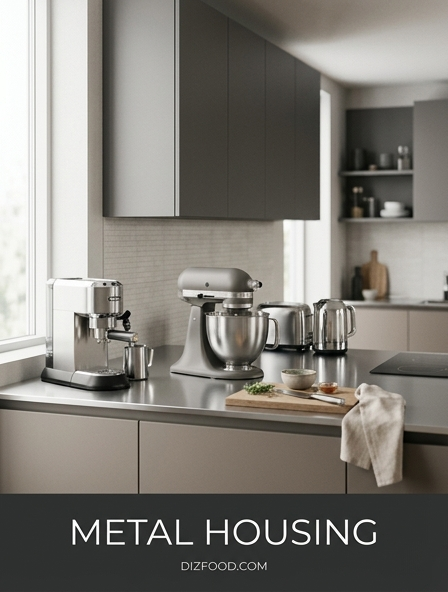
Superior Heat Resistance in High Volume Toasting
In the demanding environment of a high-volume commercial kitchen, appliances are subjected to relentless thermal stress. Metal housing, particularly when constructed from high-grade stainless steel or aluminum, offers a level of heat resistance that synthetic alternatives simply cannot match. This material integrity ensures that the outer shell remains stable and cool to the touch where necessary, preventing the warping or melting that can occur with prolonged exposure to high temperatures. By effectively dissipating internal heat, metal casings protect sensitive electronic components and heating elements from premature failure.
The thermal properties of metal also contribute to consistent cooking results. While plastic might soften or release odors when heated, metal maintains a rigid structure that keeps internal components perfectly aligned. This stability is crucial for conveyor toasters and heavy-duty pop-up units that operate for hours on end. The following benefits highlight the thermal advantages of metal:
- High melting points prevent structural deformation during peak hours.
- Superior heat dissipation reduces the risk of internal component overheating.
- Reflective internal surfaces improve energy efficiency and browning consistency.
- Resistance to thermal shock prevents cracking during rapid temperature changes.
Maximizing Lifespan with Commercial Grade Steel
Selecting equipment with commercial-grade steel housing is a strategic investment in longevity. In a busy kitchen, the lifespan of an appliance is often dictated by its ability to withstand constant use and environmental stressors. Steel housing provides a rugged exterior that resists the fatigue common in high-traffic food service settings. Unlike composite materials that may become brittle over time due to UV exposure or chemical cleaners, quality steel retains its tensile strength and structural properties for decades.
This durability is further enhanced by the specific grades of steel used in professional manufacturing. By choosing the right alloy, manufacturers can tailor the housing to specific kitchen needs, whether it is for high-heat toasting or high-moisture prep areas. The table below compares common materials used in appliance construction:
| Material Type | Durability Rating | Expected Lifespan |
|---|---|---|
| Stainless Steel (304) | Extreme | 15+ Years |
| Galvanized Steel | High | 8-12 Years |
| High-Impact Plastic | Moderate | 3-5 Years |
Enhanced Impact Protection for Busy Kitchens
The frantic pace of a commercial kitchen often leads to accidental bumps, drops, and collisions. Metal housing acts as a protective shield, absorbing physical impacts that would shatter or crack lesser materials. This "armor" is vital for maintaining the operational status of the kitchen; a dented metal toaster usually continues to function perfectly, whereas a cracked plastic unit might expose dangerous electrical components or become a safety hazard. This resilience minimizes downtime and ensures that service remains uninterrupted even after mishaps.
Beyond accidental impact, metal housing resists the daily wear and tear of being moved, stored, and cleaned. The structural rigidity ensures that the internal mechanisms remain securely housed and calibrated. To maintain the highest level of protection, kitchens should follow these protocols:
- Inspect housing for deep gouges that might compromise the protective coating.
- Ensure all mounting screws are tightened to maintain the integrity of the shell.
- Position heavy-duty appliances away from high-traffic corners where carts may collide.
- Use non-abrasive tools to avoid thinning the metal surface over years of cleaning.
Sanitary Advantages of Non Porous Metal Surfaces
Hygiene is the cornerstone of any professional food service operation. Metal housing, specifically stainless steel, is naturally non-porous, meaning it does not harbor bacteria, mold, or food particles within its structure. This characteristic makes it significantly easier to sanitize compared to textured plastics or painted surfaces that may develop microscopic cracks over time. When food splashes occur, the smooth surface of the metal allows for a complete wipe-down, ensuring that no organic matter is left behind to contaminate future batches of food.
The resistance of metal to chemical cleaners is also a major sanitary advantage. Kitchens utilize aggressive degreasers and sanitizing agents that can degrade or discolor other materials. Metal housing remains unaffected by these chemicals, allowing staff to use the necessary strength of cleaners to meet health code requirements. Key sanitary features include:
- Total resistance to liquid absorption and odors.
- Smooth finish that prevents the buildup of grease and carbon.
- Compatibility with high-temperature steam cleaning.
- Inherent antimicrobial properties found in certain specialized alloys.
Fire Safety Standards for Industrial Toasters
Safety is a non-negotiable aspect of commercial kitchen design, particularly when dealing with appliances that generate high heat. Metal housing is a critical safety feature because it is non-combustible. In the event of an internal electrical fault or a bread jam that catches fire, the metal enclosure acts as a containment vessel, preventing flames from spreading to surrounding cabinetry or flammable materials. This fire-resistant barrier provides kitchen staff with precious time to intervene and use suppression systems before a minor incident turns into a major disaster.
Compliance with international fire safety standards often mandates the use of metallic enclosures for high-wattage heating equipment. These standards ensure that the exterior temperatures remain within safe limits and that the material will not contribute fuel to a fire. Choosing metal-housed toasters ensures the facility meets rigorous insurance and fire marshal requirements, providing peace of mind for business owners. Using metal helps mitigate risks such as toxic smoke inhalation, which is often a byproduct of burning plastic components during an appliance fire.
Corrosion Resistance in Humid Cooking Environments
Kitchens are inherently humid environments, filled with steam from boiling water, dishwashers, and heavy cooking. This moisture, combined with salt and acidic food particles, creates a highly corrosive atmosphere that can quickly destroy standard equipment. Metal housing, especially when treated or alloyed with chromium and nickel, provides an essential defense against rust and oxidation. This corrosion resistance ensures that the appliance remains structurally sound and aesthetically pleasing, even after years of exposure to salty air or steam-heavy prep stations.
Without the protection of high-quality metal, internal rust can lead to electrical shorts and mechanical failures. The choice of metal grade is vital for different kitchen zones. The following table outlines how different metals perform in high-moisture environments:
| Metal Type | Moisture Resistance | Best Application |
|---|---|---|
| 304 Stainless Steel | Excellent | Steam-heavy zones |
| Aluminum (Anodized) | Very Good | General dry storage |
| Powder-Coated Steel | Moderate | Low-humidity areas |
Structural Integrity Under Constant Operational Heat
Continuous operation in a professional kitchen means that equipment is rarely allowed to cool down completely. This constant thermal load can cause materials to expand and contract, leading to "creep" or permanent deformation in less stable substances. Metal housing is engineered to maintain its structural integrity under these conditions. The high modulus of elasticity in steel and aluminum ensures that the frame does not sag or warp, keeping the internal conveyor belts or pop-up tracks perfectly aligned for consistent operation.
Maintaining alignment is not just about performance; it is about preventing mechanical wear. When a housing warps, it puts uneven pressure on bearings and motors, leading to premature mechanical failure. To ensure the longest structural life, operators should consider the following:
- Allow for proper ventilation clearance around the metal housing.
- Ensure the appliance is leveled to prevent gravitational stress on the frame.
- Avoid placing heavy objects on top of the housing that could cause bowing.
- Monitor for any loose rivets or welds that may occur over years of thermal cycling.
Low Maintenance Benefits of Metal Appliance Housing
Labor costs and maintenance time are significant factors in the profitability of a food service business. Metal appliance housing is favored for its low-maintenance requirements. Because the material is tough and resistant to staining, it does not require specialized coatings or frequent repainting. A simple routine of wiping down the surface with a damp cloth and a mild detergent is usually sufficient to keep the equipment looking new. This ease of care allows kitchen staff to focus on food preparation rather than tedious equipment scrubbing.
Furthermore, metal housing is less likely to suffer from the "pitting" or deep scratching that can trap dirt on softer surfaces. Even if a metal surface is scratched, it does not compromise the structural integrity of the unit. The low maintenance profile includes several operational advantages:
- Fast cleaning cycles during busy shifts.
- No need for specialized polishing agents for standard hygiene.
- Resistance to permanent staining from acidic foods like tomatoes or citrus.
- Longer intervals between deep cleaning due to superior surface tension.
Long Term Cost Savings Through Hardware Durability
While appliances with metal housing often carry a higher initial purchase price, the long-term cost savings are substantial. The total cost of ownership is reduced through decreased replacement frequency and lower repair costs. A plastic-housed unit may need to be replaced every three years due to cracking or aesthetic degradation, whereas a metal-housed unit can easily serve a kitchen for over a decade. When the cost is amortized over the lifespan of the product, the metal-housed appliance is almost always the more economical choice.
Additionally, metal components have a higher resale value and are more easily repaired than integrated plastic shells. If a metal panel is damaged, it can often be straightened or replaced individually. The financial benefits are clear when comparing the investment over time:
| Financial Factor | Metal Housing | Plastic Housing |
|---|---|---|
| Initial Cost | Higher | Lower |
| Replacement Cycle | 10-15 Years | 2-4 Years |
| Repairability | High | Low/None |
Professional Aesthetics and Heavy Duty Performance
The appearance of a kitchen can influence both staff morale and customer perception, especially in open-concept kitchens. Metal housing provides a professional, sleek aesthetic that signals quality and cleanliness. The "industrial look" of stainless steel is synonymous with culinary excellence and heavy-duty performance. Beyond looks, the weight of metal housing provides a stable base for the appliance, preventing it from sliding on the countertop during use-a common issue with lightweight plastic units.
This heavy-duty performance ensures that the appliance can handle the rigors of a commercial environment without vibrating or producing excessive noise. The density of the metal helps dampen the sound of internal motors and fans, contributing to a better working environment. To maximize both aesthetics and performance, kitchens should:
- Use specific stainless steel cleaners to maintain a fingerprint-free shine.
- Match metal finishes across appliances for a cohesive kitchen design.
- Utilize the weight of the metal to ensure secure placement on prep lines.
- Appreciate the "patina" of well-used metal as a mark of a productive kitchen.

Comments