
Ever wondered why professional chefs consistently achieve that elusive balance of vibrant color and perfect "bite"? The secret lies in mastering the science of moisture application through flash steaming and interval steaming. While flash steaming utilizes a high-intensity, rapid-fire burst of heat to seal in nutrients and preserve a crisp texture, interval steaming employs a sophisticated, rhythmic release of vapor that allows heat to penetrate deeper without overcooking the exterior. By choosing between these two culinary techniques, you can transform simple ingredients-from delicate sea bass to hardy root vegetables-into gourmet-quality dishes that boast superior flavor profiles and restaurant-grade structural integrity.
| Feature | Flash Steaming | Interval Steaming |
|---|---|---|
| Core Mechanism | Constant, high-pressure 100°C+ steam. | Cyclical "on/off" steam pulses. |
| Best For | Thin greens, shellfish, and fillets. | Root crops, thick poultry, and grains. |
| Texture Result | Al dente, firm, and snappy. | Tender, succulent, and uniform. |
| Flavor Impact | Bright, fresh, and sharp profiles. | Deep, mellow, and integrated flavors. |
| Prep Time | Ultra-fast (usually 1-4 minutes). | Variable (15-45 minutes). |
| Nutrient Retention | High; prevents heat degradation. | Maximum; prevents cellular collapse. |
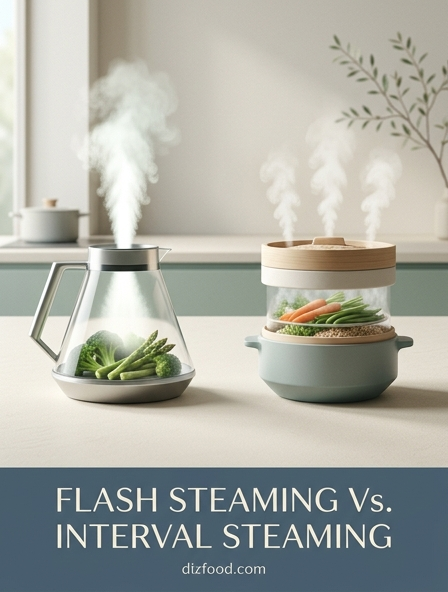
Understanding Flash Steaming vs Interval Steaming
In the realm of modern culinary technology, the manipulation of humidity is just as critical as the management of dry heat. Flash steaming and interval steaming represent two distinct philosophies of moisture application, each designed to achieve specific textural and chemical outcomes in food. Flash steaming is characterized by an immediate, high-volume saturation of the cooking chamber. It is a process where steam is introduced rapidly to create a pressurized or semi-pressurized environment, ensuring that the food is instantly enveloped in a high-temperature vapor cloud. This method is primarily used for speed and the preservation of vibrant colors in delicate ingredients.
Conversely, interval steaming is a more calculated and rhythmic approach to moisture management. Instead of a constant or single burst, steam is injected into the oven at specific intervals throughout the cooking cycle. This technique is most frequently utilized in combi-ovens and high-end convection systems to balance the drying effects of circulating hot air. By pulsing the steam, chefs can maintain a specific level of surface hydration without oversaturating the ingredient, which is essential for complex tasks like artisan bread baking or slow-roasting meats. Understanding the fundamental difference between these two-immediate saturation versus periodic hydration-is the first step in mastering professional-grade kitchen equipment and elevating the quality of finished dishes.
Core Differences in Steam Generation Methods
The mechanical generation of steam dictates how these two methods function within a kitchen environment. Flash steaming typically relies on a powerful boiler system or a high-capacity injection nozzle that can transform water into vapor almost instantaneously. The objective is to displace the oxygen in the oven cavity with pure steam as quickly as possible. This creates a high-energy environment where the latent heat of vaporization is transferred to the food surface at an accelerated rate. Because the steam is constant or delivered in one massive "flash," the thermal energy remains extremely high and consistent.
Interval steaming utilizes sophisticated sensors and timers to manage the "duty cycle" of steam production. In this mode, the oven might inject steam for thirty seconds and then remain dry for five minutes, or follow a pre-programmed percentage-based humidity level. This allows for a hybrid cooking environment where the benefits of dry convection heat and moist steam can coexist. Unlike flash steaming, which aims for 100% saturation, interval steaming is often used to maintain a specific "relative humidity" that prevents the exterior of the food from dehydrating too quickly while still allowing for the development of flavors that only occur in drier environments, such as the Maillard reaction.
| Feature | Flash Steaming | Interval Steaming |
|---|---|---|
| Steam Delivery | Constant or Instant Burst | Pulsed/Periodic Cycles |
| Primary Goal | Rapid Heat Transfer | Controlled Hydration |
| Saturation Level | High (up to 100%) | Variable (20% - 80%) |
| Equipment Type | Pressure Steamers/Combi | Advanced Combi-Ovens |
Flash Steaming Benefits for Fast Heat Transfer
The primary advantage of flash steaming is its efficiency in transferring thermal energy. Water vapor is a significantly more effective conductor of heat than dry air. When a flash of steam enters the chamber, it condenses on the cooler surface of the food, releasing a massive amount of latent heat. This process allows food to reach its target internal temperature much faster than traditional roasting or even standard steaming. For commercial kitchens, this speed is vital for high-volume service, allowing for the rapid preparation of vegetables, seafood, and grains without the long lead times associated with other methods.
Beyond speed, flash steaming is exceptional for locking in the aesthetic qualities of fresh produce. The rapid application of heat denatures the enzymes that cause browning and nutrient loss almost instantly. This "shocks" the food, preserving the bright greens of broccoli or the deep oranges of carrots. Because the cooking time is so drastically reduced, there is less time for the cellular structure of the food to break down, resulting in a superior "snap" or bite. This method is particularly effective for "set-and-forget" items in a high-pressure environment where consistency and visual appeal are the top priorities for the culinary team.
The Science Behind Interval Steaming for Baking
In the world of professional baking, interval steaming is the gold standard for achieving artisanal results. The science relies on the interaction between steam and the starches on the surface of the dough. During the initial phase of baking, known as "oven spring," the yeast undergoes a final burst of activity before the heat kills it. By introducing steam at intervals during this period, the surface of the dough remains moist and flexible. This prevents a premature crust from forming, allowing the bread to expand to its maximum volume without cracking or tearing in an uncontrolled manner.
Furthermore, the moisture from interval steaming facilitates the gelatinization of starches on the exterior of the loaf. As these starches dissolve into a thin slurry and eventually dry out as the steam cycle ends, they create a glassy, crisp, and thin crust that is characteristic of high-quality baguettes and sourdoughs. If the steam were constant (flash steaming), the crust would become tough and rubbery rather than crisp. By pulsing the steam, the baker ensures that the humidity is present only when needed to facilitate expansion and starch conversion, then allows the dry heat to take over for the final browning and caramelization stages.
Texture and Moisture Retention Comparison
The impact of these two methods on the final texture of food cannot be overstated. Flash steaming creates a uniform texture that is moist from the core to the surface. It is ideal for foods where a "crust" or "bark" is undesirable. For example, when steaming bao buns or dumplings, flash steaming ensures the dough remains soft, pillowy, and fully hydrated. The high intensity of the steam prevents any part of the food from drying out, which is why it is the preferred method for reheating delicate proteins like fish or thinly sliced meats that would otherwise become fibrous and tough in a dry oven.
Interval steaming, however, is designed to create a contrast in textures. It is the preferred method when the goal is a moist interior coupled with a structured or crispy exterior. When roasting a large joint of meat, such as a prime rib, interval steaming provides enough moisture to prevent the outer layers from becoming overly dry and leathery during the long cooking process, yet it allows for periods of dry heat that render fat and develop a flavorful crust. This dual-action approach ensures that the moisture retention is high within the muscle fibers while the exterior benefits from the heat-concentrating effects of periodic drying, offering a more complex mouthfeel than flash steaming can provide.
When to Use Flash Steaming for Professional Results
Flash steaming is the tool of choice when the chef requires absolute control over color and enzymatic activity. In professional settings, this is most common during the "prep" phase or for specific high-speed service items. It is especially useful for the following applications:
- Vegetable Blanching: Quickly setting the color and texture of green vegetables before shocking them in ice water.
- Shellfish Preparation: Opening clams, mussels, and oysters instantly without overcooking the delicate meat inside.
- Dim Sum and Dumplings: Ensuring the wrappers remain translucent and moist without becoming waterlogged.
- Rapid Reheating: Using "regen" modes in combi-ovens to bring pre-cooked plated meals to temperature without loss of moisture.
The "flash" approach is also beneficial when working with high-protein items that are prone to shrinking. By hitting the item with a massive amount of heat and moisture simultaneously, the exterior proteins set quickly, which can help in retaining internal juices. However, it requires precise timing; even thirty seconds too long in a flash-steam environment can turn a perfect piece of snapper into a rubbery, overcooked mess. It is a technique of precision and speed, requiring a deep understanding of how different ingredients respond to sudden thermal shocks.
Achieving the Perfect Crust with Interval Steam
Achieving a professional-grade crust on breads and roasted meats is nearly impossible without the use of interval steam. The process begins with a heavy injection of steam at the start of the bake to keep the "skin" of the food hydrated. As the cooking progresses, the interval timer pauses the steam, allowing the dry heat of the convection fan to wick away surface moisture. This oscillation between wet and dry environments is what allows for the development of the Maillard reaction-the chemical reaction between amino acids and reducing sugars that gives browned food its distinctive flavor.
To achieve the perfect crust using interval steam, consider these steps:
- Initial Saturation: Use a heavy burst of steam during the first 5-10 minutes to allow for maximum expansion (oven spring).
- The Drying Phase: Cut the steam entirely for the middle third of the cooking process to allow the surface to begin the browning process.
- Finish Polishing: A final, short interval of steam at the end of the process can sometimes be used to give the crust a glossy sheen, particularly in commercial bread production.
This method ensures that the crust is thick enough to provide a satisfying crunch but thin enough to be easily bitten through. It prevents the "leathery" texture that often occurs when food is cooked in a purely dry environment or the "soggy" texture of a constant-steam environment.
Impact of Steam Timing on Food Quality
Timing is the most critical variable when choosing between flash and interval steaming. The stage at which moisture is introduced can fundamentally change the chemical structure of the food. In flash steaming, the timing is usually "front-loaded"-all the energy is delivered at once to initiate cooking. This is vital for starch-heavy foods like rice or potatoes, where a delay in heat application can result in a chalky or uneven texture. The immediate presence of steam ensures that every grain or piece begins its gelatinization process at the same moment.
In contrast, the timing in interval steaming is spread across the entire cooking duration to manage the rate of evaporation. If steam is introduced too late in an interval cycle, the surface of the food may have already "set," preventing any further expansion or moisture absorption. Conversely, if steam is applied too frequently, the surface temperature of the food will stay too low to allow for browning. Quality is therefore a result of the equilibrium between the cooling effect of evaporating water and the heating effect of the oven's elements. Professional chefs must calibrate these intervals based on the surface-to-volume ratio of the food; smaller items require shorter, more frequent intervals, while larger roasts benefit from longer, more spaced-out bursts.
Nutrient Preservation in Different Steaming Modes
Nutrient preservation is a significant factor in the debate between flash and interval steaming. Flash steaming is generally considered the superior method for retaining water-soluble vitamins, such as Vitamin C and the B-complex group. Because the cooking time is minimized and the food is not submerged in water (as in boiling), the leaching of nutrients is kept to an absolute minimum. The rapid "flash" of heat quickly deactivates the enzymes that would otherwise break down antioxidants and phytochemicals during a slower cooking process.
Interval steaming, while still much healthier than frying or boiling, is slightly less efficient at nutrient preservation for delicate vegetables due to the longer exposure times. However, it excels in the preservation of fats and fat-soluble vitamins (A, D, E, and K) in meats and complex dishes. By maintaining a humid environment through intervals, the fats are less likely to oxidize or turn rancid from over-exposure to high dry heat. This keeps the nutritional profile of the fats intact and ensures that the meat remains succulent. Ultimately, flash steaming is the healthy choice for "live" foods like greens, while interval steaming is the better choice for "structural" foods where the preservation of the food's integrity over a longer period is the priority.
Choosing the Right Steaming Technique for Your Recipe
Selecting the correct steaming mode requires an analysis of your end goal: are you looking for speed and color, or texture and complexity? Use flash steaming when your priority is the "natural" state of the ingredient. If you want a piece of salmon that is buttery and vibrant, or asparagus that is crisp and neon green, the rapid, high-saturation environment of flash steaming is your best path. This method is about "locking in" what is already there and using moisture as a high-speed delivery vehicle for heat.
Choose interval steaming when the recipe requires a transformation of the exterior or a long, controlled cook. If you are baking a crusty loaf of bread, roasting a chicken with crispy skin, or slow-cooking a root vegetable gratin, the pulsed moisture of interval steaming will provide the necessary hydration to keep the interior tender while allowing the exterior to reach the high temperatures needed for browning. To make the right choice, ask yourself if the dish would benefit from a crust; if the answer is yes, interval steaming is the solution. If the answer is no, and you want uniform tenderness, flash steaming will yield the most professional and consistent results.

Comments