
Revolutionizing your commercial kitchen starts with mastering high-pressure steaming techniques to maximize throughput and maintain food integrity. By harnessing the power of pressurized steam, chefs can drastically reduce cooking times while ensuring that vegetables, proteins, and grains retain their vibrant colors and essential nutrients. This efficient approach not only accelerates service during peak hours but also lowers overall energy consumption, making it a sustainable choice for any busy establishment. To determine which equipment best fits your specific culinary requirements, it is vital to weigh the pros and cons of a high pressure steamer vs. low pressure steamer.
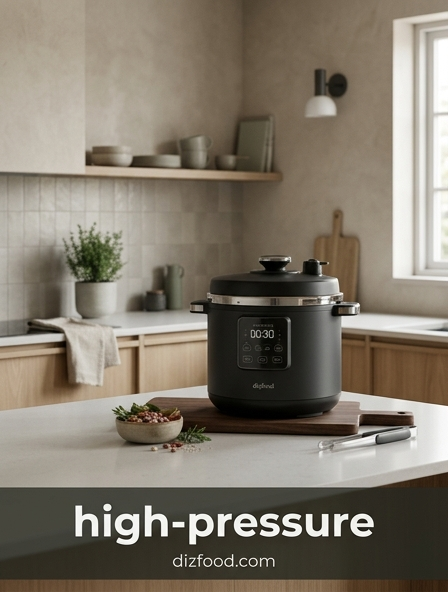
The Science of High Pressure Steaming
High-pressure steaming operates on the fundamental thermodynamic principle that the boiling point of water increases as the atmospheric pressure rises. In a sealed environment, the internal pressure is artificially elevated, typically reaching 5 to 15 pounds per square inch (psi) above standard sea-level pressure. This elevation allows the steam to reach temperatures well beyond the usual 212°F (100°C), often climbing to 250°F (121°C) or higher. The increased temperature accelerates the molecular motion within the food, facilitating a much faster transfer of thermal energy.
Furthermore, the density of the steam under pressure ensures a more uniform distribution of heat compared to dry-air methods. This pressurized vapor penetrates the cellular structure of ingredients more effectively, breaking down complex carbohydrates and proteins with surgical precision. Key scientific benefits include:
- Enhanced Vapor Density: More water molecules contact the food surface per second.
- Latent Heat Transfer: Significant energy is released as steam condenses back into liquid on the cooler food surface.
- Saturated Environment: Prevents the dehydration of surface tissues, maintaining internal moisture levels.
Drastic Reductions in Cooking Duration
One of the most immediate advantages of high-pressure steaming in a professional kitchen is the exponential reduction in cooking times. By operating at higher temperatures, the chemical reactions required to tenderize fibers and gelatinize starches occur at a fraction of the time required by traditional boiling or poaching. This efficiency allows chefs to produce large quantities of food in rapid succession, which is critical during peak service hours.
The following table illustrates the significant time savings achieved when transitioning from conventional steaming to high-pressure systems:
| Ingredient | Conventional Time | High-Pressure Time |
|---|---|---|
| Whole Potatoes | 30-40 Minutes | 8-10 Minutes |
| Carrots (Sliced) | 10-12 Minutes | 2-3 Minutes |
| Brown Rice | 45-50 Minutes | 15-18 Minutes |
| Beef Brisket | 3-4 Hours | 45-60 Minutes |
These time savings do not merely improve speed; they fundamentally alter the kitchen's throughput capacity, allowing for "just-in-time" preparation that ensures maximum freshness for the consumer.
Superior Nutrient and Color Retention
High-pressure steaming is widely regarded as one of the healthiest methods for food preparation. Because the cooking cycle is significantly shortened and the food is not submerged in water, the leaching of water-soluble vitamins-such as Vitamin C and the B-complex group-is kept to an absolute minimum. The pressurized environment also displaces oxygen, which helps prevent the oxidation of sensitive phytonutrients and antioxidants.
The visual appeal of the food is similarly preserved. Chlorophyll in green vegetables and carotenoids in orange and yellow vegetables remain vibrant because the rapid cooking time prevents the thermal degradation of pigments. Chefs often observe the following results:
- Vibrant Pigmentation: Broccoli and asparagus retain a deep, bright green hue.
- Soluble Solid Retention: Natural sugars and minerals stay within the food rather than dissolving into cooking liquid.
- Enzymatic Inactivation: Rapid heating quickly halts the enzymes responsible for browning and texture loss.
Energy Efficiency in Modern Steaming
In an era where sustainability and operational costs are paramount, high-pressure steaming stands out as an energy-efficient solution. Because the equipment is hermetically sealed, there is virtually no heat loss to the surrounding kitchen environment. This not only saves energy directly used for cooking but also reduces the load on the kitchen's HVAC and ventilation systems, as less ambient heat and humidity are released.
Modern pressurized steamers are designed with precision controls that manage energy input based on the internal pressure levels. Once the target pressure is reached, the system requires only a minimal amount of energy to maintain that state. Key efficiency factors include:
- Reduced Water Consumption: High-pressure systems often use significantly less water than open-pot boiling.
- Insulated Cavities: Heavy-duty insulation ensures that the thermal energy stays focused on the food.
- Rapid Preheating: Small chamber volumes allow the system to reach operational pressure in minutes.
Streamlining High Volume Food Production
For institutional kitchens, such as those in hospitals, schools, or large hotels, high-pressure steaming is essential for managing high-volume food production. The ability to cook 50 pounds of vegetables or grains in under ten minutes ensures that the line never stalls. It also allows for batch cooking that matches the pace of service, reducing the need for holding food in warming cabinets, which can degrade quality.
To maximize workflow in high-volume settings, the following steps are typically implemented:
- Staggered Loading: Using multiple small-capacity pressure steamers to ensure a constant supply of fresh product.
- Standardized GN Pans: Utilizing Gastronorm perforated pans to allow maximum steam circulation around the product.
- Programmed Presets: Using digital controllers to ensure consistency regardless of which staff member is operating the equipment.
This systematic approach minimizes human error and guarantees that the final product meets rigorous quality standards every time.
Optimal Textures through Pressure Control
Texture is a critical component of the culinary experience, and high-pressure steaming provides unparalleled control over the structural integrity of food. The rapid penetration of steam can soften tough connective tissues in meats, such as collagen, turning them into succulent gelatin far faster than braising. For vegetables, the precision of pressure allows for a "tender-crisp" result that is difficult to achieve with other wet-heat methods.
By adjusting the psi settings, chefs can customize the environment for different textures:
- Low Pressure (3-5 psi): Ideal for delicate seafood and leafy greens to prevent overcooking.
- High Pressure (10-15 psi): Best for dense root vegetables, legumes, and tough cuts of meat.
- Immediate Exhaust: Rapidly releasing pressure at the end of the cycle stops the cooking process instantly, preventing carryover cooking that leads to mushiness.
Versatility Across Diverse Ingredient Groups
While often associated with vegetables, high-pressure steaming is a versatile technique applicable to a wide range of ingredients. It is particularly effective for items that typically require long hydration or softening periods. The high-energy environment forces moisture into the center of dried goods and dense proteins with remarkable speed.
The versatility can be categorized by how the pressure interacts with different food groups:
| Food Group | Benefit of Pressure | Typical Result |
|---|---|---|
| Legumes | Rapid hydration of starches | Creamy interior, intact skins |
| Grains | Uniform heat distribution | Fluffy, non-clumping texture |
| Shellfish | Quick protein coagulation | Tender, juicy meat |
| Root Crops | Deep fiber breakdown | Smooth, consistent mash |
This adaptability makes the pressure steamer a "workhorse" appliance capable of handling everything from appetizers to complex desserts like steamed puddings.
Essential Safety Protocols for Pressurized Systems
Operating high-pressure equipment requires strict adherence to safety protocols to protect kitchen staff from steam burns and mechanical failures. Modern commercial units are equipped with multiple redundant safety features, but human oversight remains the most important factor in accident prevention. Staff must be thoroughly trained on the physics of the machine and the potential risks of pressurized steam.
Key safety procedures include:
- Gasket Inspection: Regularly checking the door seal for cracks or debris that could lead to a pressure leak.
- Manual Pressure Release: Ensuring the pressure gauge reads zero before attempting to open the door mechanism.
- Valve Clearance: Checking that the safety relief valves are not obstructed by food particles or mineral scale.
- PPE Usage: Wearing heat-resistant gloves and face shields when opening the unit to avoid "steam flash."
By integrating these steps into the daily opening and closing checklists, kitchens can maintain a high-speed production environment without compromising worker safety.
Maintenance for Long Term Equipment Efficiency
To ensure the longevity and reliability of high-pressure steaming equipment, a rigorous maintenance schedule is mandatory. The primary enemy of these systems is mineral buildup, specifically limescale, which can clog injectors and coat heating elements, leading to uneven cooking and eventual mechanical failure. Because these units process large amounts of water, water filtration is not optional.
A comprehensive maintenance routine should focus on the following areas:
- Daily Descaling: Utilizing automatic or manual descaling cycles to remove calcium deposits from the steam generator.
- Drain Line Cleaning: Ensuring the condensate drain is clear to prevent water backflow into the cooking chamber.
- Component Lubrication: Applying food-grade lubricant to door hinges and locking bars to prevent seizing.
- Periodic Calibration: Having a technician verify that the pressure sensors and thermostats are providing accurate readings.
Integrating Steam Technology into Workflows
Integrating high-pressure steaming into a professional kitchen workflow requires a shift in prep logic. Because cooking times are so short, the "bottleneck" often moves from the stove to the prep station. Chefs must ensure that all ingredients are washed, cut, and seasoned before the steamer is even turned on, as the window for error is much smaller when a dish cooks in three minutes rather than twenty.
To successfully integrate this technology, kitchens should follow a structured workflow:
- Mise en Place: Complete all knife work and portioning in advance to keep up with the steamer's speed.
- Batch Timing: Coordinate the steaming of components so they finish exactly when the protein from the grill or oven is ready.
- Cooling Protocols: For prep-and-chill operations, have an ice bath or blast chiller ready to immediately stop the cooking of steamed items.
When used correctly, high-pressure steaming becomes the heartbeat of the kitchen, driving efficiency and ensuring a superior, consistent product for every guest.

Comments