
Professional cooking isn't just about flavor; it's a scientific approach to preserving the vital vitamins and minerals often lost in standard home preparation. By utilizing precise temperature control and specialized equipment, professional methods minimize heat exposure and water contact, preventing nutrient leaching. These techniques ensure that vegetables retain their vibrant colors and proteins maintain their cellular integrity, resulting in meals that are both delicious and nutritionally dense. Mastering these subtle culinary shifts allows you to transform simple ingredients into powerhouses of health. To elevate your kitchen technique, it is essential to understand the specific benefits of Flash Steaming Vs. Interval Steaming.
Thermal Impact on Micronutrients
The application of heat in a professional kitchen environment serves as a double-edged sword regarding nutritional value. While thermal processing enhances the bioavailability of certain compounds, such as lycopene in tomatoes or beta-carotene in carrots, it simultaneously threatens the stability of heat-labile micronutrients. Ascorbic acid (Vitamin C) and the B-vitamin complex are particularly susceptible to thermal degradation, where prolonged exposure to high temperatures results in oxidative breakdown.
Professional chefs must understand the kinetic relationship between temperature intensity and nutrient loss. High-heat applications like searing or deep-frying can cause rapid denaturation of enzymes and essential minerals. To mitigate these effects, balancing the core temperature of ingredients with the external heat source is vital. Strategic heat application ensures that the structural integrity of the food remains intact while preventing the volatilization of delicate organic molecules.
- Vitamin C: Highly sensitive to oxidation at temperatures above 60°C.
- Thiamine (B1): Degrades significantly during long-duration boiling.
- Folate: Susceptible to breakdown under sustained dry heat.
- Enzymes: Most metabolic enzymes in raw produce are inactivated at 48°C.
Steaming Versus Submersion Methods
The choice between steaming and boiling is one of the most critical decisions for nutrient preservation. Boiling involves the total immersion of ingredients in water, which facilitates the migration of water-soluble vitamins from the plant tissue into the surrounding liquid. Unless this liquid is consumed as a soup or sauce, those nutrients are effectively lost to the drainage system. Steaming, conversely, utilizes the latent heat of water vapor to cook food without direct contact with a solvent.
Research consistently indicates that steaming maintains the structural and chemical profile of vegetables far more effectively than submersion. By avoiding the dilution effect of boiling, steaming preserves the osmotic pressure within plant cells, preventing the rupture of vacuoles where many nutrients are stored. This method also allows for shorter cooking intervals, further protecting the chemical bonds of sensitive micronutrients.
| Method | Nutrient Retention | Leaching Risk | Textural Impact |
|---|---|---|---|
| Boiling | 40% - 60% | Very High | Soft/Hydrated |
| Steaming | 80% - 95% | Negligible | Crisp/Firm |
| Blanching | 60% - 75% | Moderate | Al Dente |
Precision Temperature Regulation Benefits
Modern culinary technology has introduced precision temperature regulation, allowing chefs to target specific thermal transition points with extreme accuracy. In a high-volume kitchen, utilizing tools like immersion circulators or high-precision combi-ovens ensures that ingredients never exceed the threshold of nutrient degradation. When temperature is controlled within a single degree, the Maillard reaction can be achieved on the surface without overcooking the nutrient-dense interior of the product.
This level of control is particularly beneficial for proteins and delicate green vegetables. High-precision cooking prevents the excessive tightening of protein fibers, which often squeezes out nutrient-rich juices. Furthermore, by maintaining a consistent environment, chefs can reduce the "carry-over" cooking effect that often leads to unintended nutrient loss during the resting phase. This scientific approach shifts the focus from traditional sensory estimation to a data-driven methodology that prioritizes the biological value of every ingredient served to the patron.
Preserving Water Soluble Vitamins
Water-soluble vitamins, primarily the B-group and Vitamin C, represent the most vulnerable components of the human diet during food preparation. Because these compounds dissolve readily in water, any cooking process involving excessive moisture or prolonged soaking can strip an ingredient of its primary health benefits. Professional kitchens must implement specific protocols to minimize the transit of these vitamins from the food matrix into the cooking medium.
- Use minimal water volumes when wet-heat cooking is unavoidable.
- Incorporate cooking liquids into final sauces to recover leached nutrients.
- Maintain the skin or natural casing of vegetables during the cooking process.
- Implement rapid cooling techniques to stop thermal degradation immediately.
- Reduce the surface area exposed to water by utilizing larger vegetable cuts.
By treating water-soluble vitamins as volatile assets, chefs can adjust their techniques to ensure maximum retention. This includes using specialized equipment that circulates moist air rather than liquid water, effectively creating a barrier that keeps the nutrients locked within the cellular structure of the produce.
Antioxidant Stability in Professional Kitchens
Antioxidants, such as polyphenols, flavonoids, and carotenoids, are essential for neutralizing free radicals, yet their stability varies wildly depending on the cooking environment. In professional settings, the goal is to stabilize these compounds while improving their accessibility. For instance, the antioxidants in broccoli (glucosinolates) are highly sensitive to boiling but remain relatively stable during a quick steam or stir-fry. Conversely, the antioxidant capacity of carrots and tomatoes actually increases with heat, as the thermal energy breaks down tough cell walls.
- Anthocyanins: Found in purple produce; stabilized by acidic environments and quick heat.
- Quercetin: Highly stable in onions even during prolonged roasting.
- Sulforaphane: Requires specific enzymes that are easily destroyed by high heat.
- Lycopene: Becomes more bioavailable when processed with a small amount of lipid.
Chefs must tailor their approach based on the specific antioxidant profile of the ingredient. By manipulating pH levels and fat content during the cooking process, the professional kitchen becomes a laboratory for maximizing the functional benefits of the menu items.
Minimizing Nutrient Leaching Effects
Leaching is the physical process where nutrients migrate from food into a liquid medium through diffusion or osmosis. In a kitchen, this occurs most frequently during soaking, washing, and boiling. To minimize this effect, the ratio of water to food must be kept as low as possible. Furthermore, the duration of exposure is a critical variable; the longer an item sits in liquid, the more its nutritional profile is depleted. Professional standard operating procedures often dictate that vegetables should only be washed briefly under cold running water rather than submerged for extended periods.
Another factor in leaching is the surface area-to-volume ratio. Finely diced vegetables lose a higher percentage of their mineral and vitamin content compared to whole or large-cut pieces because more cell membranes are ruptured and exposed to the environment. Strategies to combat this include "blanch and shock" methods where the exposure time is precisely timed to the second, or utilizing dry-heat methods like roasting and grilling where the moisture loss is purely evaporative, leaving the minerals behind in the charred or caramelized exterior.
Advantages of Steam Convection
Steam convection technology represents a pinnacle in the evolution of nutrient-dense cooking. By combining the speed of convection fans with the gentle moisture of steam, these ovens create an ideal atmosphere for rapid heat transfer. The convection component ensures that heat is distributed evenly across all surfaces, preventing "hot spots" that can scorch delicate vitamins. Meanwhile, the steam injection maintains a high-humidity environment that prevents the food from drying out and losing its natural juices.
- Uniform heat distribution reduces the need for excessive fats or oils.
- High-density steam prevents the oxidation of light-sensitive vitamins.
- The closed system environment traps volatile aromatic compounds and nutrients.
- Programmable cycles allow for multi-stage cooking to protect different nutrients.
The efficiency of steam convection also translates to shorter cooking cycles. Because water vapor transfers heat more effectively than dry air, the total time food is exposed to thermal stress is significantly reduced. This technology allows professional kitchens to produce high volumes of food that retain the vibrant colors and nutritional integrity typically associated with small-batch, artisanal preparation.
Visual Indicators of Nutrient Density
The aesthetic quality of food often serves as a direct proxy for its nutritional content. In professional culinary arts, color is the primary indicator of phytochemical preservation. Bright, vibrant greens in vegetables like asparagus or spinach indicate that the chlorophyll has been "set" rather than destroyed. When green vegetables turn a drab olive color, it signifies a chemical reaction where magnesium is lost from the chlorophyll molecule, often corresponding with a significant loss of Vitamin C and other vital nutrients.
Similarly, the "snap" or turgidity of a vegetable indicates that the pectin and fiber structures have not been excessively degraded. A vegetable that retains its structural integrity likely holds its water-soluble nutrients within its cells. Chefs use these visual and textural cues to monitor the quality of their output in real-time. Dull colors, mushy textures, and excessive liquid on the plate are all red flags that the cooking process has compromised the nutrient density of the dish. Maintaining high visual standards is therefore synonymous with maintaining high nutritional standards.
Reduced Cooking Time Efficiency
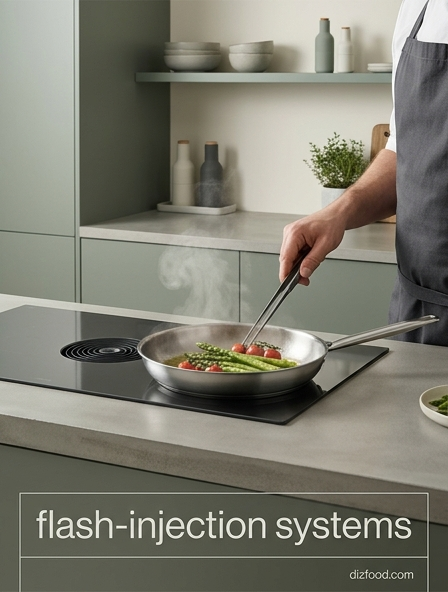
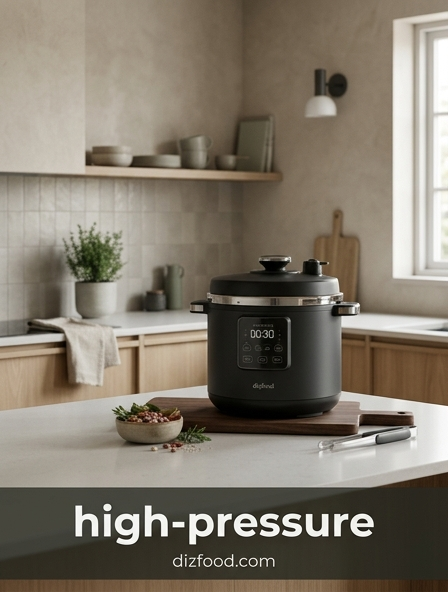
In the relationship between heat and nutrition, time is the most aggressive variable. The longer an ingredient is exposed to thermal energy, the greater the cumulative degradation of its molecular structure. Shortening the cooking duration is perhaps the most effective way to ensure a high-yield nutrient profile. This is often achieved through high-intensity, short-duration techniques such as flash-steaming, stir-frying, or pressure cooking. These methods utilize high energy to reach the desired internal temperature quickly, bypassing the long periods of slow degradation associated with traditional braising or stewing.
- Pre-heating equipment to ensure immediate heat transfer upon contact.
- Using consistent, smaller cuts to speed up the thermal journey to the center.
- Utilizing pressure to raise the boiling point and cook food in a fraction of the time.
- Employing "carry-over" cooking strategically to minimize active heat time.
By optimizing the efficiency of the kitchen line, chefs can serve meals that are not only faster to the table but also richer in biological value. This efficiency requires a deep understanding of the thermal properties of different food groups and the precision of modern kitchen appliances.
Professional Steam Equipment Optimization
Maximizing nutrient retention in a commercial setting requires the proper calibration and maintenance of steam-based equipment. Professional steamers, whether they are boiler-based or connectionless, must be monitored for scale buildup, as mineral deposits can insulate heating elements and lead to inconsistent steam quality. High-quality steam should be "dry"-meaning it carries a high thermal load without excessive water droplets-to ensure that it cooks the food through vapor transition rather than unintended washing.
- Routine descaling of steam generators to ensure consistent temperature output.
- Gasket inspections to prevent steam leakage and pressure loss.
- Water filtration systems to remove chlorine and minerals that affect food flavor.
- Calibration of internal probes to ensure accurate core temperature readings.
Optimization also involves the strategic loading of the equipment. Overcrowding a steam oven can create cold pockets where food is steamed for too long at sub-optimal temperatures, leading to leaching and color loss. By following manufacturer guidelines and integrating smart-cooking probes, kitchen staff can guarantee that every batch of produce meets the highest possible standards for both flavor and nutritional density.

Comments