
Understanding Thermal Conductivity in Premium Steaming Pots
Thermal conductivity is the fundamental physical property that dictates how efficiently a material transfers heat from an external source to the water within a steaming vessel. In the realm of premium cookware, the ability of the pot to conduct heat determines how quickly the transition from liquid to vapor occurs. High-quality steaming pots are engineered to minimize the thermal resistance between the stovetop and the cooking chamber, ensuring that energy is not wasted. This efficiency is measured by the material's k-value, where higher numbers indicate a more responsive cooking environment.
When selecting a premium steaming pot, the following factors play a crucial role in thermal performance:
- The thickness of the conductive core, typically made of aluminum or copper.
- The molecular density of the metal, which influences heat flow speed.
- Surface area contact with the heating element, especially important for induction.
- The quality of the bonding between different metal layers to prevent air pockets.
Understanding these principles allows chefs to predict how a pot will respond to temperature adjustments. A pot with superior conductivity allows for near-instantaneous changes in steam production, which is essential for precise culinary techniques that require strict heat management throughout the cooking process.
How Even Heat Distribution Prevents Steaming Hot Spots
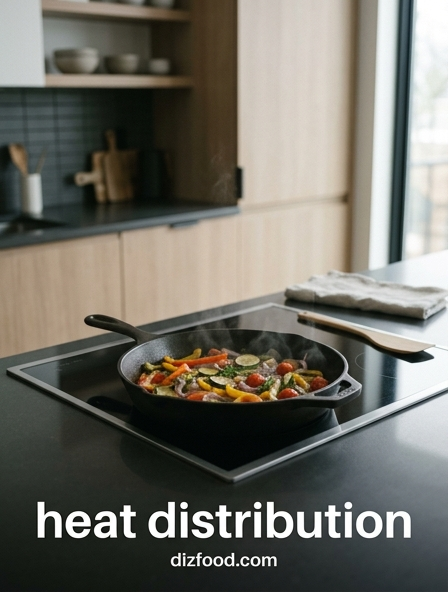
Hot spots are localized areas on the bottom of a pot where the temperature is significantly higher than the surrounding surface. In steaming, these thermal irregularities can cause violent, uneven boiling, which leads to inconsistent steam pressure and turbulent water movement. Even heat distribution ensures that the entire base of the pot reaches a uniform temperature, allowing for a steady and gentle rise of vapor. This uniformity is critical because it prevents some parts of the steamer basket from being blasted with intense heat while others remain relatively cool.
To mitigate the risk of hot spots, manufacturers utilize several engineering strategies:
- Utilizing thick-gauge metal bases that act as a thermal buffer.
- Applying multi-layered cladding that extends from the base up the sides.
- Precision-machining the base to ensure it remains perfectly flat when heated.
- Integrating high-conductivity materials that move heat laterally as well as vertically.
By eliminating these temperature peaks, the steaming process becomes more predictable. Vegetables, proteins, and grains cook at a synchronized rate, ensuring that the texture remains consistent across the entire batch. This level of control is what separates professional-grade steaming from standard home methods.
The Role of Multi-Ply Materials in Consistent Results
Multi-ply construction refers to the bonding of multiple layers of different metals to create a composite material that utilizes the strengths of each. Typically, this involves a core of highly conductive aluminum or copper sandwiched between layers of durable, non-reactive stainless steel. This combination is essential for achieving consistent steaming results, as the interior core handles the rapid and even movement of heat, while the outer layers provide structural integrity and a food-safe surface. The synergy of these materials ensures that the heat is dispersed evenly across the entire surface area of the pot.
The following table illustrates the common composition of a high-performance 5-ply steaming pot:
| Layer Position | Material Used | Primary Function |
|---|---|---|
| Interior Layer | 18/10 Stainless Steel | Durability and Non-reactivity |
| Inner Core 1 | Pure Aluminum | Rapid Heat Distribution |
| Center Core | Aluminum Alloy | Heat Retention and Stability |
| Inner Core 2 | Pure Aluminum | Lateral Thermal Transfer |
| Exterior Layer | Magnetic Steel | Induction Compatibility |
This layered approach prevents the warping that often occurs in single-ply pots, maintaining a flat profile for better heat contact and reliable results over years of heavy kitchen use.
Why Copper and Aluminum Bases Lead to Perfect Steam
Copper and aluminum are the gold standard for heat distribution in the kitchen due to their exceptionally high thermal conductivity. While stainless steel is prized for its beauty and resistance to corrosion, it is a relatively poor conductor of heat. By integrating copper or aluminum into the base of a steaming pot, manufacturers create a tool that reacts almost instantly to the heat source. Copper, in particular, offers the fastest response time, allowing a chef to bring water to a boil or reduce it to a simmer with incredible speed, which is vital for delicate steaming tasks.
Key benefits of using these metals in steaming pot bases include:
- Reduced preheating times, leading to faster overall meal preparation.
- Minimized energy consumption as the pot reaches steaming temperature faster.
- Enhanced lateral heat flow, ensuring the edges of the pot are as hot as the center.
- Precise control over the intensity of the steam being generated.
In a steaming context, the rapid heat transfer provided by these metals ensures that the steam is generated consistently. This prevents the "pulsing" effect found in lower-quality pots, where steam levels fluctuate, potentially leading to soggy or unevenly cooked food.
Eliminating Temperature Fluctuations for Delicate Vegetables
Delicate vegetables such as asparagus, bok choy, and snap peas require a very specific thermal environment to retain their vibrant color and crisp texture. Large fluctuations in temperature can cause the cellular walls of these vegetables to collapse, resulting in a mushy consistency and a loss of nutritional value. A high-quality steaming pot stabilizes the internal environment by maintaining a constant vapor pressure. This stability is achieved through superior heat retention and distribution, which prevents the internal temperature from dropping when the lid is briefly lifted or when fresh ingredients are added.
Maintaining a steady temperature is critical for several high-sensitivity ingredients:
- Leafy Greens: Requires short, high-intensity steam to prevent wilting.
- Cruciferous Vegetables: Needs uniform heat to soften stalks without overcooking florets.
- Root Vegetables: Benefits from consistent steam to ensure even starch gelatinization.
- Fine Herbs: Requires gentle, low-velocity steam to preserve essential oils.
By using cookware that masters thermal control, the chef ensures that the steam remains at a constant 212°F (100°C) without the peaks and valleys that characterize inferior metal alloys. This results in vegetables that are perfectly tender-crisp every time.
Engineering Your Cookware for Uniform Steam Circulation
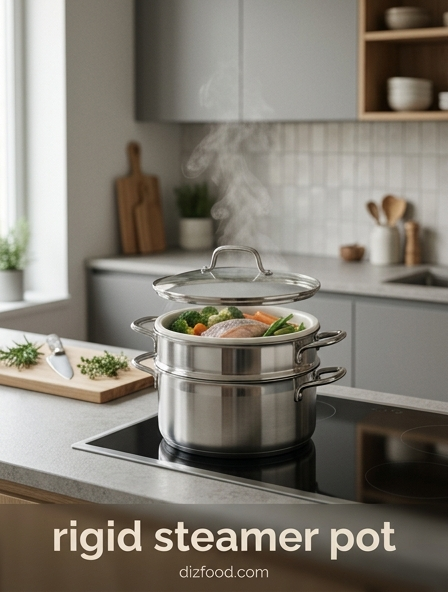
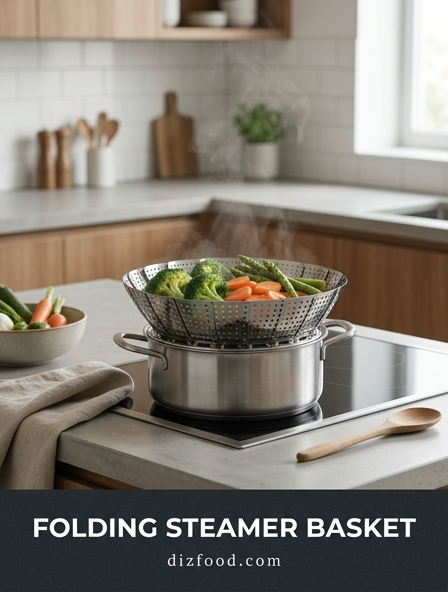
While the base of the pot handles heat distribution, the internal engineering of the steaming chamber dictates how that heat is circulated. Uniform steam circulation is achieved through the strategic placement of perforations in the steamer basket and the aerodynamic design of the lid. If the steam is not distributed evenly as it rises, food located near the center of the basket may cook faster than food at the edges. Professional steaming sets are designed with specific hole patterns that encourage the vapor to swirl and penetrate the food from all angles, ensuring a 360-degree cooking environment.
Important engineering features for uniform circulation include:
- Tapered Side Walls: Directs rising steam toward the center of the food load.
- Precision-Drilled Perforations: Ensures equal pressure across the entire steaming tray.
- High-Domed Lids: Creates a convection-like effect where steam condenses and recirculates.
- Ventilated Rims: Prevents excessive pressure buildup while maintaining a steady flow.
This careful design ensures that every square inch of the cooking surface receives the same amount of thermal energy. Consequently, the chef can pack the steamer basket more efficiently without worrying about the middle sections remaining undercooked while the exterior becomes overdone.
Impact of Encapsulated Bases on Reliable Heat Delivery
An encapsulated base, often referred to as a "sandwich base," is a distinct construction method where a thick disc of aluminum or copper is bonded to the bottom of a stainless steel pot. This design is specifically engineered to provide reliable and heavy-duty heat delivery. The thickness of the encapsulated disc acts as a thermal reservoir, storing heat and then releasing it slowly and evenly into the water. This is particularly advantageous on electric or ceramic cooktops where the heat source may cycle on and off, as the disc bridges those gaps to provide a continuous stream of steam.
The effectiveness of an encapsulated base can be summarized by its structural components:
| Component | Material | Benefit |
|---|---|---|
| Protective Cap | Stainless Steel | Prevents corrosion of the core metal. |
| Conductive Disc | Heavy-Gauge Aluminum | Spreads heat to the very edge of the pot. |
| Bonding Layer | Friction-Bonded Alloy | Ensures no air gaps for maximum transfer. |
This construction style is favored for its durability and its ability to prevent scorching. For steaming, the encapsulated base provides the high thermal mass necessary to maintain a rolling boil even when cold water or frozen ingredients are introduced to the system.
Science of Heat Retention and Distribution in Steaming
The science of steaming relies on the latent heat of vaporization. When water turns into steam, it carries a significant amount of energy that is released upon contact with the cooler surface of the food. For this process to be effective, the pot must not only distribute heat but also retain it. Heat retention refers to the material's ability to maintain its temperature against the cooling effects of the environment. A pot with poor retention will lose heat through its sides and lid, causing the steam to condense prematurely and drip back into the water, which reduces the efficiency of the cooking process.
Key scientific principles at play include:
- Thermal Mass: The ability of heavy metals to store heat energy.
- Convection Currents: The movement of steam driven by temperature gradients.
- Evaporative Cooling: The energy loss that occurs when steam escapes the vessel.
- Radiant Heat: Heat emitted from the sides of the pot into the surrounding air.
By balancing these factors, premium cookware ensures that the maximum amount of energy is directed toward the food. Superior heat distribution within the metal itself ensures that the water reaches the boiling point uniformly, creating a high-density steam environment that cooks food faster and more gently than boiling or frying.
Mastering Precision Cooking with High-Performance Metal Alloys
Modern metallurgy has allowed for the creation of high-performance alloys that are specifically tailored for the rigors of professional cooking. These alloys are designed to be more than just conductive; they are engineered for "thermal agility." This means they can ramp up to temperature quickly but also cool down just as fast when the heat source is removed. In steaming, this precision is vital when dealing with high-protein items like fish or dumplings, where even thirty seconds of residual heat can lead to overcooking. These alloys often include proprietary blends of chromium, nickel, and manganese.
Characteristics of high-performance alloys in steaming pots include:
- Oxidation Resistance: Prevents the metal from degrading under constant moisture.
- High Tensile Strength: Allows for thinner, more responsive walls without sacrificing durability.
- Low Thermal Expansion: Ensures the pot doesn't deform or "spin" on flat cooktops.
- Enhanced Magnetic Properties: Optimizes the pot for high-efficiency induction cooking.
Mastering the use of these materials allows chefs to execute complex recipes with confidence. The predictable nature of high-performance alloys removes the guesswork from steaming, providing a reliable foundation for consistent culinary output across different heat sources and environments.
Achieving Culinary Excellence Through Superior Thermal Control
The ultimate goal of superior heat distribution and thermal control in steaming is the achievement of culinary excellence. When a pot manages heat effectively, it preserves the integrity of the ingredients. Nutrients that are typically leached out during boiling remain trapped within the food, and the natural flavors are intensified rather than diluted. Superior thermal control means the chef is in command of the steam's velocity and temperature, allowing for a range of techniques from "flash steaming" high-heat vegetables to "gentle steaming" delicate custards and seafood.
The benefits of mastering thermal control include:
- Vibrant Presentation: Colors remain bright and appetizing.
- Nutrient Density: Vitamins and minerals are preserved through gentle heating.
- Texture Perfection: Avoids the common pitfalls of mushy or rubbery results.
- Flavor Concentration: The natural juices of the food are not washed away.
In conclusion, the kitchen environment is a laboratory of thermodynamics. By choosing cookware that prioritizes heat distribution, evenness, and material quality, the cook transforms a simple steaming task into a precise culinary art. High-performance steaming pots are not just vessels; they are essential tools for anyone seeking to elevate their cooking to the highest professional standards.

Comments