
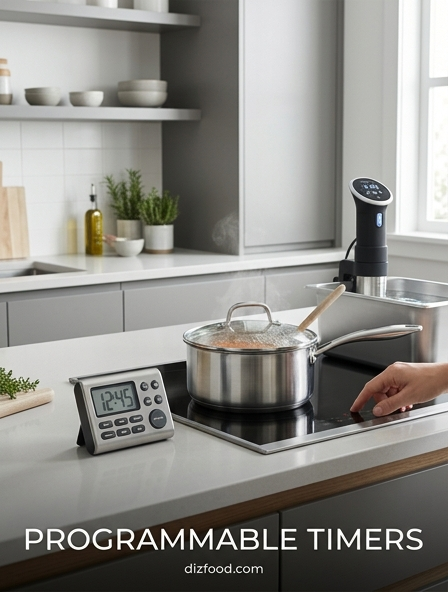
The Role of Precision Timers in Modern Steaming
Precision timing has revolutionized the way home cooks approach steaming, transforming it from a guessing game into a scientific process. In modern kitchens, programmable timers ensure that heat application is exact, preventing the common pitfalls of overcooking or uneven heat distribution. When steaming delicate proteins or fibrous vegetables, even a thirty-second deviation can alter the final result. Precision timers allow for a level of control that manual monitoring simply cannot match, especially when dealing with high-pressure steam environments.
- Accurate heat regulation for sensitive ingredients.
- Elimination of manual monitoring requirements.
- Standardization of cooking results across different batches.
- Integration with digital sensors for real-time feedback.
Beyond simple convenience, these timers provide the reliability needed for professional-grade results at home. By automating the duration of steam exposure, users can focus on other aspects of meal preparation without the constant need to check for doneness. This technological shift has made steaming one of the most reliable methods for health-conscious individuals who prioritize both efficiency and food quality in their daily routines.
Effortless Batch Cooking with Programmable Settings
Batch cooking is a cornerstone of efficient kitchen management, and programmable timers are the primary tool that makes it feasible. When preparing large quantities of grains or vegetables for the week, the ability to set specific durations for different food groups ensures that every portion is cooked perfectly. Programmable settings allow the user to walk away from the kitchen, confident that the steamer will handle the transition between high-intensity steam and the finishing phase without intervention.
| Food Category | Batch Quantity | Timer Setting |
|---|---|---|
| Root Vegetables | 2.0 kg | 25 Minutes |
| Leafy Greens | 1.5 kg | 4 Minutes |
| White Rice | 1.0 kg | 18 Minutes |
The use of these settings significantly reduces the cognitive load associated with multitasking. Instead of managing multiple manual stopwatches, the programmable interface handles the logistics. This is particularly beneficial for those who utilize their weekends for meal prep, as it allows for a streamlined workflow where multiple cycles can be run consecutively with minimal setup time between rounds.
Preserving Nutrients Through Controlled Steam Intervals
One of the primary benefits of steaming is the preservation of water-soluble vitamins and minerals that are often lost during boiling. However, excessive heat exposure can still degrade these nutrients. Controlled steam intervals managed by programmable timers ensure that food is exposed to heat only for the minimum time required. By strictly adhering to these intervals, the integrity of antioxidants and enzymes is maintained, resulting in a more nutritious meal.
- Select the appropriate steam density based on the ingredient's density.
- Program the timer to the exact second to prevent thermal degradation.
- Utilize the immediate cooling phase once the timer expires.
- Monitor internal temperatures to calibrate future timer settings.
Precision in timing is the key to maintaining the vibrant colors and natural flavors of fresh produce. When a timer is set correctly, the structural fiber of the food remains intact, preventing the mushy texture associated with nutrient loss. Advanced timers often include pre-set intervals specifically designed for nutrient density, making it easier for users to optimize their health goals through smart kitchen technology.
Eliminating Kitchen Stress with Automated Shut Off Features
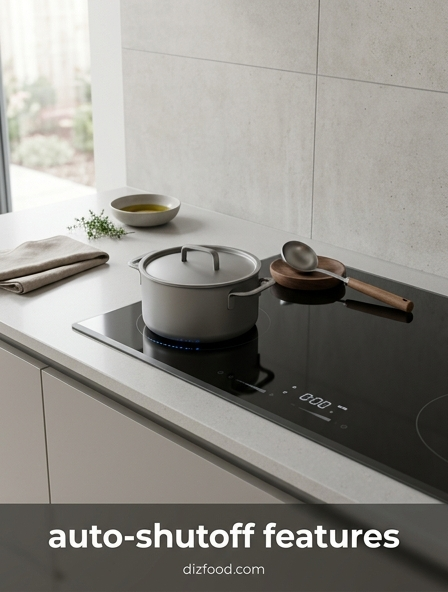
Kitchen safety and mental peace are often overlooked aspects of the cooking process. Automated shut-off features integrated into programmable timers act as a fail-safe against the dangers of dry boiling or overcooking. When a timer reaches zero, the heating element is instantly deactivated, preventing the kitchen from filling with smoke or the appliance from sustaining damage. This feature is essential for busy parents or professionals who may be interrupted during their cooking session.
- Prevents accidental fires caused by unattended appliances.
- Protects the longevity of the steamer's heating element.
- Reduces energy consumption by stopping heat immediately.
- Allows for remote operation without safety concerns.
The psychological benefit of knowing an appliance will turn itself off cannot be overstated. It eliminates the "did I turn off the stove?" anxiety that often plagues home cooks. By delegating the responsibility of heat termination to a reliable digital component, the user regains control over their time and focus, making the kitchen a much less stressful environment to navigate during peak hours.
Mastering Vegetable Texture Using Timed Steam Cycles
Achieving the perfect "al dente" texture in vegetables is a hallmark of culinary skill, and programmable timers make this mastery accessible to everyone. Different vegetables require vastly different steam durations to reach their ideal texture. A programmable system allows the cook to define these cycles down to the second, ensuring that broccoli remains crisp while squash becomes tender. The consistency provided by timed cycles means that the same results can be replicated every single time.
| Vegetable Type | Desired Texture | Timer Duration |
|---|---|---|
| Asparagus | Crisp-Tender | 5 Minutes |
| Carrots (Sliced) | Softened | 8 Minutes |
| Brussels Sprouts | Firm | 7 Minutes |
By experimenting with small increments in timing, users can customize their steamer cycles to match their personal preferences. Once these "sweet spots" are identified and programmed, the guesswork is eliminated. This precision is especially useful when preparing meals for guests, as it ensures that the texture of the side dishes is professional and consistent across all plates, regardless of the quantity being prepared.
Streamlining Weekly Meal Prep with Set and Forget Logic
The "set and forget" logic facilitated by programmable timers is a game-changer for individuals with demanding schedules. This approach involves loading the steamer, inputting the desired parameters, and allowing the machine to handle the rest. It transforms a labor-intensive task into a background process. For weekly meal prep, this means that while the protein is steaming, the user can be chopping salads, cleaning the kitchen, or even leaving the room to handle other chores.
- Layer ingredients according to their required cooking times.
- Input the total duration into the programmable interface.
- Engage the delay-start feature if the meal is for later.
- Transfer cooked items to storage containers immediately after the chime.
Efficiency is maximized when the timer handles the transition between active cooking and the "keep warm" phase. This prevents food from sitting in a cold, damp environment which can ruin the texture. By utilizing the logic of programmable systems, meal prep becomes a streamlined assembly line, reducing the total hours spent in the kitchen and increasing the success rate of healthy eating habits.
Achieving Consistent Results in High Volume Steaming
High-volume steaming presents a unique challenge: ensuring that the center of a crowded steamer basket reaches the same temperature as the edges. Programmable timers help mitigate this by allowing for longer, more controlled steam cycles that penetrate large quantities of food evenly. Consistency is the primary goal in high-volume cooking, whether for a large family gathering or professional catering. Timers ensure that the heat exposure is long enough for safety but short enough for quality.
- Ensures food safety by meeting minimum heat durations.
- Maintains uniform quality across dozens of servings.
- Reduces the likelihood of human error during busy shifts.
- Provides a trackable record of cooking times for quality control.
When dealing with large volumes, the margin for error narrows. A few extra minutes can lead to a significant amount of food waste if the texture becomes unpalatable. Programmable timers provide the necessary precision to manage these risks effectively. By standardizing the timing, the cook ensures that the hundredth serving of steamed fish is just as moist and tender as the first.
The Benefits of Multi Stage Programmable Timers
Advanced kitchen timers now offer multi-stage programming, which allows users to set different heat intensities for specific time intervals within a single cooking session. This is particularly useful for complex recipes that require an initial high-heat blast to kill bacteria followed by a lower-temperature steam to finish cooking gently. This staggered approach mimics professional techniques where temperature control is adjusted dynamically to suit the ingredient's changing state.
- Stage 1: High-intensity steam for rapid internal heating.
- Stage 2: Medium-intensity steam for even cooking.
- Stage 3: Low-heat "Keep Warm" phase to prevent condensation.
These sophisticated timers provide the flexibility needed for sensitive items like custards or bao buns, where the rise and finish are crucial. By automating these transitions, the timer removes the need for the user to manually adjust settings mid-cycle. This results in a superior culinary outcome that would be difficult to achieve with a basic single-stage countdown timer, pushing the boundaries of what home steaming can achieve.
Reducing Active Kitchen Time with Efficient Steam Scheduling
Efficient steam scheduling is about more than just cooking food; it is about reclaiming time. Programmable timers allow users to schedule their cooking to finish exactly when they are ready to eat. By using delay-start functions, a user can prepare the steamer in the morning and have fresh, hot vegetables ready the moment they walk through the door after work. This drastically reduces the "active" time spent standing over a stove, allowing for a better work-life balance.
- Calculate the time needed for prep versus actual steaming.
- Set the timer to conclude five minutes before mealtime.
- Use the "Keep Warm" function to bridge any scheduling gaps.
- Optimize the order of cooking to minimize steamer cleaning.
This level of scheduling efficiency makes healthy eating more sustainable. When the barrier to a fresh meal is reduced to simply pressing a button, the temptation to order processed convenience food diminishes. The timer becomes a silent assistant, managing the logistics of heat and time while the user focuses on more important tasks, eventually leading to a more organized and productive household.
Essential Programmable Functions for Advanced Meal Preppers
For the advanced meal prepper, a basic timer is not enough. Specific programmable functions are essential for managing complex weekly menus. Features such as "memory recall" allow users to save their most-used settings, while "dual-zone timing" enables the simultaneous steaming of two different foods with different requirements. These functions are designed to maximize throughput and minimize the time spent configuring the appliance for every use.
| Feature | Primary Benefit | Use Case |
|---|---|---|
| Delay Start | Hands-free timing | Breakfast prep overnight |
| Cycle Repeat | Continuous output | Large volume batching |
| Custom Presets | One-touch operation | Daily staple grains |
Understanding and utilizing these advanced functions can transform the kitchen experience. They allow for a high degree of customization, catering to specific dietary needs or unique ingredient requirements. As kitchen technology continues to evolve, these programmable features will remain at the heart of efficient, healthy, and high-quality food preparation for the modern consumer.

Comments