
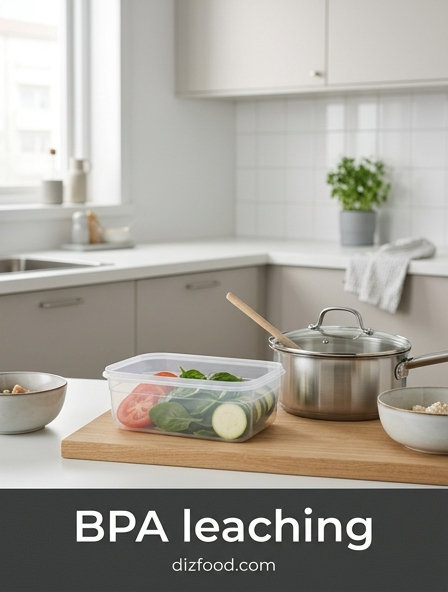
Understanding BPA Leaching Risks in Plastic Steamers
Bisphenol A, commonly known as BPA, is a chemical compound primarily used in the production of polycarbonate plastics. In the context of kitchen appliances, many traditional food steamers utilize these plastics for their lightweight and transparent properties. However, the structural integrity of BPA-based plastic is not permanent, especially when subjected to high-stress environments. When plastic is heated during the steaming process, the chemical bonds can weaken, leading to the migration of molecules from the container directly into the food being prepared.
The primary concern regarding BPA leaching involves its role as an endocrine disruptor. Because the chemical structure mimics estrogen, it can interfere with the body's hormonal signaling pathways. Research suggests that even low-level exposure can have cumulative effects over time. Common factors that increase the risk of leaching in plastic steamers include:
- The age of the plastic components, as older materials degrade more easily.
- Presence of visible scratches or "cloudy" patches on the surface.
- The duration of the steaming cycle, with longer cycles providing more time for migration.
- The alkalinity or acidity of the food items placed in the steamer baskets.
Why Glass is the Safest Material for Steam Cooking
Glass is widely regarded by health experts and culinary professionals as the gold standard for non-toxic cooking. Unlike plastic, glass is a non-porous and inert material, meaning it does not react with food or release harmful chemicals when exposed to high temperatures. When you utilize glass tiers for steaming, the only elements interacting with your ingredients are pure water vapor and heat. This ensures that the natural flavors and chemical compositions of your vegetables, grains, and proteins remain unaltered by external synthetic additives.
Furthermore, glass offers superior durability in terms of chemical stability. While plastic may warp, discolor, or develop a residue over time, high-quality tempered or borosilicate glass maintains its clarity and integrity for years. The benefits of choosing glass extend beyond chemical safety to include practical kitchen advantages:
- Complete resistance to odors and staining from colorful spices like turmeric.
- The ability to monitor the cooking process clearly without opening the lid.
- Ease of sanitization, as glass can withstand high-temperature dishwashing without degrading.
- Environmental sustainability, as glass is infinitely recyclable compared to most heat-resistant plastics.
Health Benefits of Chemical Free Electric Steamers
Transitioning to a chemical-free electric steamer is a proactive step toward reducing the overall toxic load on the human body. Modern electric steamers that utilize glass or high-grade stainless steel eliminate the risk of consuming phthalates and bisphenols. By removing these synthetic compounds from the cooking equation, users can better support their metabolic health and hormonal balance. This is particularly crucial for vulnerable populations, such as pregnant women and young children, whose developing systems are more sensitive to endocrine-disrupting chemicals.
Beyond the avoidance of toxins, these steamers promote a nutrient-dense diet. Steaming is a gentle cooking method that preserves water-soluble vitamins, such as Vitamin C and B-complex, which are often lost during boiling. When this healthy method is paired with non-toxic materials, the result is "clean" food in every sense of the word. Users often report a cleaner, crisper taste in their meals, as there is no subtle "plastic" aftertaste that can sometimes permeate food cooked in polycarbonate containers. Investing in a chemical-free appliance ensures that the pursuit of a healthy diet is not undermined by the tools used to prepare it.
How Heat Accelerates BPA Transfer from Plastic to Food
The relationship between temperature and chemical leaching is a critical factor in kitchen safety. Heat acts as a catalyst, providing the thermal energy necessary to break the polymer chains in plastic. In a steamer, the temperature consistently reaches 212°F (100°C), which is the boiling point of water. At these elevated levels, the movement of molecules increases significantly, allowing BPA to detach from the plastic matrix and dissolve into the moisture surrounding the food.
This process is further exacerbated by the presence of steam, which acts as a solvent. The following table illustrates how different factors influence the rate of chemical migration in plastic kitchenware:
| Factor | Effect on Leaching | Risk Level |
|---|---|---|
| High Temperature | Accelerates molecular breakdown | High |
| Surface Abrasion | Increases surface area for leaching | Moderate |
| Fat Content in Food | BPA is lipophilic (attracted to fats) | High |
| Extended Steam Time | Longer exposure for migration | Moderate |
Preserving Food Purity with Non Toxic Glass Tiers
Maintaining the purity of ingredients is the primary goal of any health-conscious cook. Glass tiers provide a physical and chemical barrier that guarantees the integrity of the steam. When water boils in the base of the steamer, the vapor rises through the tiers, circulating around the food. In a glass system, this vapor remains pure. There are no volatile organic compounds or microplastics being carried by the steam and deposited onto the surface of your ingredients. This is essential for delicate foods like fish and leafy greens, which have high surface area-to-volume ratios and are prone to absorbing environmental contaminants.
To ensure maximum purity when using glass tiers, follow these steps:
- Always use filtered or distilled water in the reservoir to prevent mineral buildup.
- Arrange food in a single layer to allow even steam circulation.
- Avoid using plastic utensils to move food within the glass tiers to prevent scratching.
- Clean the glass components with mild, organic detergents to avoid soap residue.
By following these practices, the natural antioxidants and phytonutrients in your food are preserved in their most pristine state.
Essential Features to Look for in Glass Electric Steamers
When shopping for a glass electric steamer, it is important to distinguish between purely aesthetic designs and those engineered for safety and performance. The most critical component is the quality of the glass itself. Look for heavy-duty borosilicate glass, which is designed to withstand rapid temperature changes without cracking or shattering. Additionally, check the construction of the heating element and the water reservoir; these should ideally be made of food-grade stainless steel rather than plastic, ensuring that the water never touches BPA-containing materials before it turns into steam.
A well-designed steamer should also offer functional features that enhance the cooking experience while maintaining safety. Consider the following attributes:
- Digital precision timers to prevent overcooking and nutrient loss.
- Dry-boil protection that automatically shuts off the unit if water levels are low.
- Stackable glass trays that allow for multi-level cooking of different food groups.
- Removable glass bases for easy cleaning and serving directly at the table.
- External water fill inlets so you can add moisture without releasing steam and heat.
Comparing Plastic versus Glass Steamers for Long Term Health
When evaluating kitchen appliances for long-term health, the choice between plastic and glass involves more than just the initial purchase price. Plastic steamers are often cheaper and less fragile, making them attractive for occasional use. However, from a health perspective, plastic is a temporary material. Over months of use, the repeated heating and cooling cycles cause the plastic to become brittle and porous. These microscopic changes create pockets where bacteria can hide and increase the surface area available for chemical leaching into your family's meals.
In contrast, glass represents a lifetime investment in wellness. While the initial cost may be higher, the lack of chemical migration provides peace of mind that cannot be measured in dollars. The following comparison highlights the long-term differences:
| Feature | Plastic Steamers | Glass Steamers |
|---|---|---|
| Chemical Safety | Risk of BPA/Phthalates | 100% Chemical-free |
| Durability | Degrades over time | Indefinite (if handled carefully) |
| Flavor Integrity | May retain food odors | Preserves pure flavors |
| Maintenance | Can warp in dishwasher | Highly heat resistant |
Maintaining Nutrient Integrity without Plastic Contamination
The primary motivation for steaming food is often the preservation of sensitive nutrients. Many vitamins, particularly Vitamin C and various antioxidants, are sensitive to high heat and oxidative stress. Steaming is a "moist heat" method that cooks food quickly at a lower temperature than roasting or frying, which helps retain these vital compounds. However, the benefits of nutrient preservation are compromised if the food is simultaneously being infused with plasticizers. The goal of modern healthy cooking is to maximize the "good" (nutrients) while eliminating the "bad" (synthetic chemicals).
By using a glass steamer, you create a controlled environment where the nutrient profile of the food is the only thing that matters. Because glass does not retain heat as aggressively as metal or absorb it like thick plastic, the steaming environment is incredibly stable. This stability allows for precise cooking times, ensuring that vegetables remain vibrant and "al dente," which is the state where nutrient density is at its peak. Without the interference of leaching plastics, the bioavailability of the vitamins is unhindered, providing the body with the purest form of nourishment possible.
Step by Step Guide to BPA Free Meal Preparation
Preparing a meal that is entirely free from BPA requires attention to detail, from the selection of the ingredients to the choice of the cooking vessel. The process begins with sourcing fresh, whole foods that have not been stored in plastic packaging or cans lined with epoxy resins. Once the ingredients are secured, the cooking process must be handled with care to avoid re-introducing toxins through heat exposure.
Follow this guide to ensure a toxin-free steaming experience:
- Wash all vegetables in a mixture of water and vinegar to remove pesticide residues.
- Fill your glass steamer reservoir with filtered water to avoid chlorine and heavy metals.
- Cut ingredients into uniform sizes to ensure they steam quickly, reducing total heat exposure.
- Place the glass tiers onto the base and set the timer according to the specific food type.
- Once finished, remove the glass lid carefully to avoid steam burns and serve immediately.
- Allow the glass tiers to cool naturally before washing to prevent thermal shock.
This systematic approach ensures that every step of your meal preparation supports a lifestyle free from harmful chemical leaching.
Why Modern Kitchens are Switching to Glass Steaming Technology
The shift toward glass steaming technology is part of a broader movement toward "cleaner" living and sustainable kitchen practices. As consumers become more educated about the long-term effects of microplastics and endocrine disruptors, the demand for transparent, safe materials has skyrocketed. Modern kitchens are moving away from the "disposable" culture of cheap plastic appliances in favor of high-quality, durable goods that prioritize health over convenience. Glass steamers fit perfectly into this aesthetic, offering a sleek, professional look that complements modern countertops.
Beyond health concerns, the switch is driven by several key factors:
- The "Farm to Table" movement, which emphasizes the purity of ingredients.
- Increased awareness of the environmental impact of plastic manufacturing.
- A preference for multi-functional appliances that can go from the steamer base to the dining table.
- The desire for transparency, literally and figuratively, in how food is prepared.
Ultimately, glass steaming technology represents the intersection of ancient cooking wisdom and modern safety standards, providing a reliable way to nourish the body without compromise.



Comments