
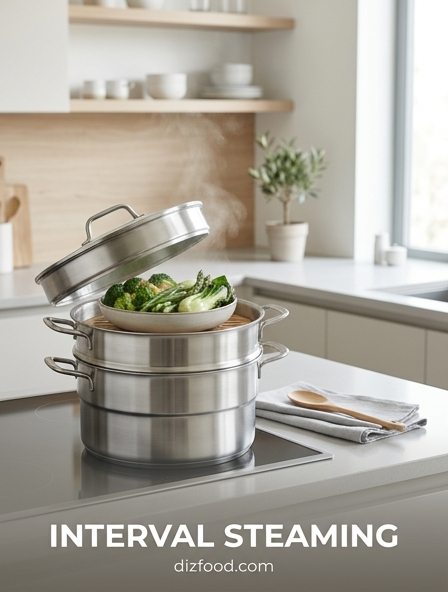
Understanding the Science of Interval Steaming
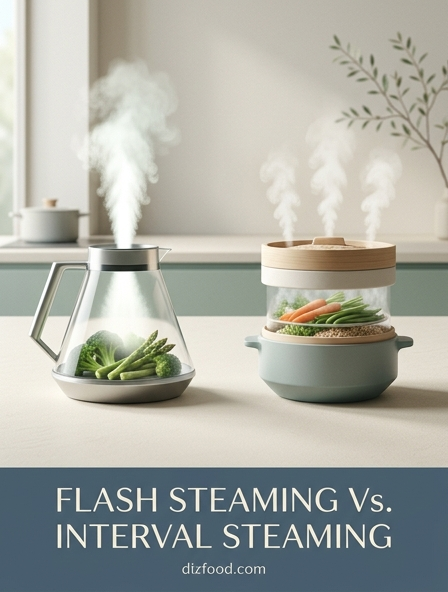
Interval steaming is a sophisticated culinary technique that diverges from traditional continuous steaming by introducing water vapor in controlled bursts. This method relies on the thermodynamic principle of latent heat, where the periodic introduction of steam allows the food's internal temperature to rise steadily without being overwhelmed by a constant high-heat environment. By cycling the steam, the cooking chamber maintains a high level of humidity while preventing the surface of the food from becoming oversaturated or waterlogged. This balance is critical for delicate items that require a gentle touch to maintain structural integrity.
The process involves several key components that work in harmony to produce superior results. Chefs often prefer this method because it provides greater control over the rate of heat penetration. The primary benefits include:
- Reduced thermal shock to the cellular structure of the ingredients.
- Improved energy efficiency within the cooking appliance.
- Better retention of water-soluble vitamins and minerals.
- Prevention of the "graying" effect often seen in over-steamed proteins.
By understanding these scientific foundations, cooks can manipulate the duration and frequency of steam pulses to suit specific ingredients, moving beyond a one-size-fits-all approach to moisture-based cooking.
The Secret to Uniform Heat Distribution
One of the primary challenges in traditional steaming is the uneven distribution of heat, which can lead to cold spots or overcooked edges. Interval steaming addresses this by utilizing the "rest" periods between steam pulses. During these intervals, the residual heat already present within the food migrates toward the center, promoting equilibrium. This passive heat transfer ensures that the core of the ingredient reaches the desired temperature at approximately the same time as the exterior, a phenomenon particularly important for thick cuts of meat or dense root vegetables.
| Feature | Continuous Steaming | Interval Steaming |
|---|---|---|
| Heat Gradient | Steep/Aggressive | Gentle/Gradual |
| Surface Texture | Often soggy | Firm and intact |
| Internal Consistency | Variable | Highly Uniform |
By preventing the accumulation of condensed water on the food's surface, interval steaming allows for a more efficient transfer of energy. The air circulation during the "off" cycles prevents the formation of an insulating layer of cold air, ensuring that every subsequent pulse of steam is utilized to its maximum potential for a perfect finish.
Preserving Natural Juices Through Pulsed Steam
The integrity of an ingredient's internal moisture is what defines succulence. In conventional steaming, the constant presence of high-intensity vapor can actually cause muscle fibers in proteins to contract violently, squeezing out precious juices and leaving the final product dry and stringy. Pulsed steam, however, applies heat in a rhythmic fashion that encourages the fibers to relax between bursts. This gentler approach preserves the cell walls, ensuring that the natural oils and juices remain trapped within the food rather than leaking into the steamer tray.
Furthermore, the periodic reduction in humidity allows for a slight evaporation at the surface, which concentrates the natural flavors of the ingredient. This concentration creates a more robust taste profile that is often lost in traditional water-heavy cooking methods. When the steam returns, it re-hydrates only the very surface, creating a barrier that locks in the intensified flavors. This cycle of hydration and concentration is the hallmark of professional-grade steaming, resulting in seafood that is exceptionally moist and poultry that retains its natural plumpness throughout the entire cooking process.
Mastering Temperature Control for Succulence
Precision is the cornerstone of modern interval steaming. Unlike boiling or basic steaming, which often operate at a fixed 100 degrees Celsius, interval techniques allow for lower-temperature cooking that mimics the results of sous-vide but with the added benefit of steam's superior heat transfer properties. Mastering this requires a careful calibration of the steam-to-air ratio within the oven. By adjusting the frequency of the vapor pulses, a chef can maintain an ambient temperature as low as 60 or 70 degrees Celsius, which is ideal for achieving a tender, edge-to-edge medium-rare finish in meats.
To master this level of control, follow these fundamental steps:
- Calibrate the appliance to the specific moisture requirements of the ingredient.
- Set the interval frequency based on the density of the food item.
- Monitor the internal core temperature using a high-precision probe.
- Adjust the final pulse duration to achieve the desired surface finish.
The result of this meticulous control is a level of succulence that is impossible to achieve with dry heat or uncontrolled steam. It allows the collagen in tougher cuts to break down slowly into gelatin without ever reaching the temperatures that cause protein toughening.
Optimal Timing for Perfectly Steamed Proteins
Timing in interval steaming is not merely about the total duration spent in the oven; it is about the ratio of steam "on" time to "off" time. Proteins with high connective tissue require longer intervals with lower steam intensity to allow for collagen breakdown, whereas delicate proteins like white fish require short, intense bursts followed by longer resting periods. This specialized timing prevents the proteins from becoming rubbery. The following table provides a general guideline for common proteins using a standard interval setting.
| Protein Type | Interval Ratio (On/Off) | Estimated Time (Min) |
|---|---|---|
| White Fish Fillets | 1:3 | 6 - 8 |
| Chicken Breast | 1:1 | 15 - 20 |
| Salmon Steaks | 1:2 | 10 - 12 |
| Pork Tenderloin | 2:1 | 25 - 30 |
It is important to remember that these times are estimates. The true indicator of success is the internal temperature. Because interval steaming is so efficient, carry-over cooking is often more pronounced. Removing the protein just a few degrees before the target temperature is reached is essential for professional-grade results.
Enhancing Texture with Intermittent Vapor Cycles
Texture is perhaps the most significant differentiator when comparing interval steaming to other moist-heat methods. Continuous steam often leaves the exterior of food soft and mushy, particularly in items like dumplings or breads. Intermittent vapor cycles allow the surface of the food to "set" during the dry periods. This is particularly beneficial for starch-based items, where the initial steam gelatinizes the surface, and the subsequent dry interval allows it to become slightly firm, preventing the dough from becoming water-saturated.
Key textural benefits include:
- Crisper skins on poultry when finished with a high-heat dry cycle.
- Firm yet tender vegetables with no "water-logged" taste.
- Enhanced "snap" in sausages and cured meats.
- Better structural integrity for delicate seafood like scallops.
By cycling the moisture, you are effectively manipulating the surface tension of the food. This allows for a more complex mouthfeel, where the exterior offers a slight resistance before giving way to a perfectly tender interior. This contrast is the hallmark of high-end culinary execution and is easily achieved through the rhythmic application of vapor.
The Role of Moisture Retention in Cooking
Moisture retention is the ultimate goal of any steaming technique, but interval steaming takes this further by managing the vapor pressure within the cooking vessel. When steam is applied continuously, the pressure can force moisture out of the food's pores. In contrast, interval steaming maintains a balanced environment where the vapor pressure outside the food matches the internal pressure. This equilibrium prevents the "squeezing" effect, ensuring that the moisture remains where it belongs: inside the cells of the food.
This retention is not just about juiciness; it is also about yield. Professional kitchens favor interval steaming because it significantly reduces shrinkage. A piece of meat cooked with pulsed steam can retain up to 15% more of its raw weight compared to roasting or traditional steaming. This leads to a more substantial and visually appealing plate. Furthermore, the retained moisture carries flavors more effectively across the palate, enhancing the overall sensory experience of the dish. The science of moisture retention is therefore as much about economic efficiency as it is about culinary excellence, making it an essential concept for any serious cook to master.
Vegetable Precision Using Interval Techniques
Vegetables are often the victims of over-steaming, which turns vibrant greens into dull, mushy piles. Interval steaming provides the precision needed to preserve both the color and the nutritional profile of plant-based ingredients. The short bursts of steam are sufficient to soften the cellulose without destroying the chlorophyll or leaching out the vitamins. This results in vegetables that possess a vibrant, "fresh-from-the-garden" color and a satisfying crunch.
When working with vegetables, consider these specific interval strategies:
- Leafy Greens: Use very short pulses (10 seconds) with long rests to wilt without browning.
- Root Vegetables: Use a 1:1 ratio to ensure the dense core is cooked through without the outside becoming mealy.
- Cruciferous: Use high-intensity pulses to penetrate the florets quickly, preserving the snap of the stalk.
Because the vegetables are not submerged in water or subjected to constant steam, their natural sugars are not diluted. This means that carrots taste sweeter, broccoli tastier, and asparagus more earthy. The interval method turns vegetables from a side dish afterthought into a highlight of the meal.
Equipment Essentials for Modern Steam Cooking
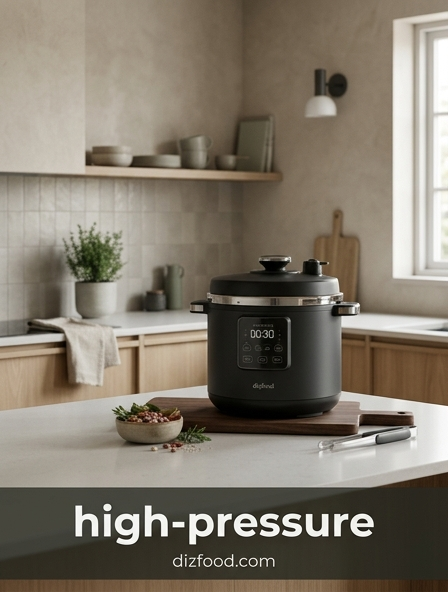
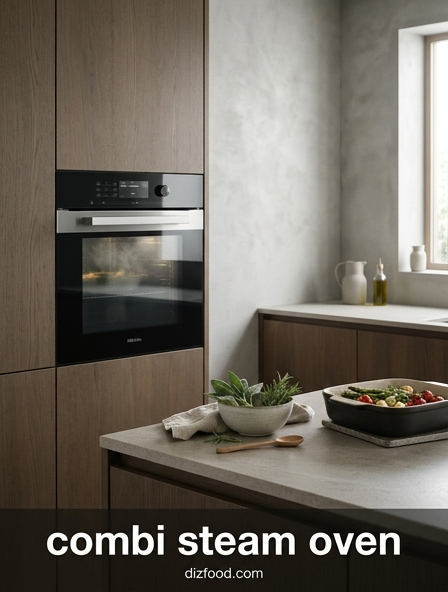
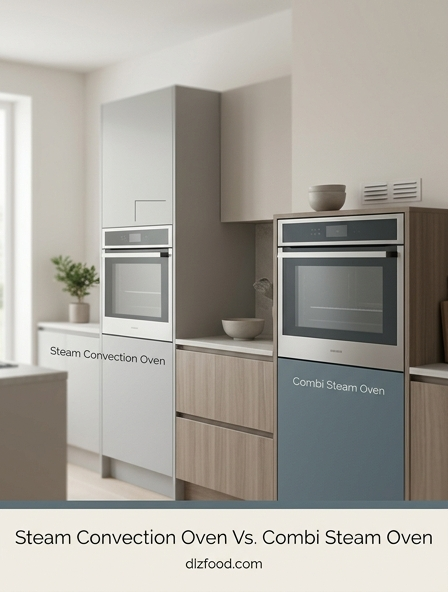
To successfully execute interval steaming, the right equipment is paramount. While traditional bamboo steamers are excellent for basic tasks, they lack the mechanical control required for pulsed vapor cycles. Modern combi-ovens or dedicated steam ovens with programmable logic controllers are the gold standard. These machines allow the user to define the exact percentage of humidity and the specific duration of each steam injection. This level of automation ensures consistency across multiple batches, which is vital in a professional setting.
Essential equipment includes:
- Combi-Steam Oven: Capable of switching between dry heat and variable steam.
- Perforated Trays: These allow steam to circulate 360 degrees around the food, preventing soggy bottoms.
- Core Temperature Probes: Essential for monitoring the internal progress without opening the door and losing heat.
- Water Filtration System: To prevent mineral buildup in the steam nozzles, ensuring consistent vapor output.
Investing in quality hardware allows the cook to focus on the creative aspects of the dish while the machine handles the complex timing of the intervals. Proper maintenance of these tools is also necessary to ensure the steam quality remains pure and the sensors remain accurate.
Advanced Tips for Professional Texture Results
Achieving a professional-grade texture requires more than just following a timer; it requires an intuitive understanding of how different ingredients react to moisture. One advanced tip is to start with a dry-heat phase to sear or "set" the exterior of a protein before beginning the interval steam cycles. This can create a beautiful contrast between a slightly caramelized exterior and a perfectly moist interior. Additionally, adding aromatics like herbs or spices directly to the steam generator (if the equipment allows) or placing them on the perforated tray can infuse the food with subtle flavors during the "on" cycles.
Another professional secret is the "moisture rest." After the steaming process is complete, allow the food to rest in a warm, low-humidity environment for a few minutes. This allows the internal pressure to stabilize, ensuring that when the food is sliced, the juices stay within the meat rather than spilling onto the cutting board. Finally, always pat the food dry before any final high-heat finishing steps. This ensures that the energy of the heat is used for browning rather than evaporating surface moisture. By combining these advanced nuances with interval steaming technology, you can elevate any simple ingredient into a culinary masterpiece.

Comments