
Navigating dietary restrictions can often feel like a logistical puzzle, but choosing between gluten-free and dairy-free planning can significantly shift your kitchen efficiency. While gluten-free meal prep focuses on auditing grains and mastering alternative flours to prevent cross-contamination, dairy-free planning prioritizes swapping out animal fats for plant-based creams and oils. Gluten-free strategies often require more scrutiny of processed labels for hidden thickeners, yet they simplify your base ingredients to whole foods like rice and potatoes. Conversely, dairy-free prep streamlines the cooking process by removing highly perishable items, though it may require more creative seasoning to replicate that missing "umami" richness. Ultimately, the strategy that best simplifies your life depends on whether you find it easier to swap your morning toast for quinoa or your evening cheese for nutritional yeast.
| Feature | Gluten-Free Planning | Dairy-Free Planning |
|---|---|---|
| Primary Focus | Grain management & cross-contamination. | Fat substitutes & protein alternatives. |
| Label Scrutiny | High; hidden in sauces, spices, & fillers. | Moderate; usually identified as whey/casein. |
| Common Swaps | Tamari, almond flour, cauliflower rice. | Coconut milk, olive oil, nutritional yeast. |
| Prep Complexity | High; baking and textures are difficult. | Low; easy to omit milk/cheese in savory. |
| Storage Life | Grains stay fresh; GF bread stales fast. | Plant-based milks often outlast dairy. |
| Budget Impact | Significant (specialty grains are costly). | Moderate (whole food focus saves money). |
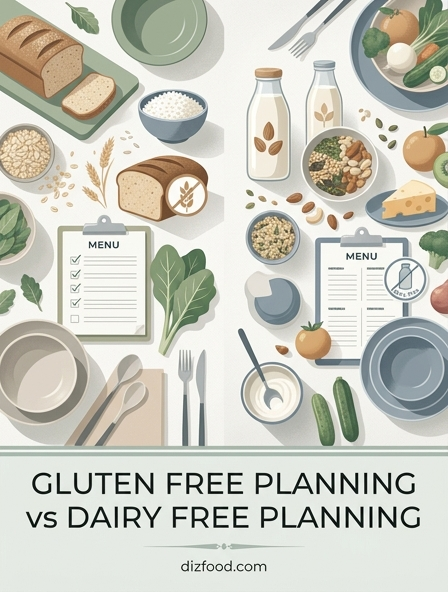
Gluten Free vs Dairy Free Meal Planning Basics
Meal planning for a gluten-free (GF) diet primarily revolves around the identification and replacement of specific cereal grains, namely wheat, barley, and rye. The structural focus in the kitchen shifts toward finding alternative carbohydrates that can provide the same bulk and satisfaction as traditional pasta or bread. In contrast, dairy-free (DF) planning focuses on the removal of mammalian milk and its derivatives, such as butter, cheese, and yogurt. While GF planning often requires a complete overhaul of the pantry's grain section, DF planning typically focuses on finding functional fat and liquid substitutes to maintain the creamy texture of various dishes.
The strategic approach to these diets differs significantly in terms of recipe modification. Gluten-free planning necessitates a deep understanding of binding agents, as the absence of gluten can lead to crumbly or dry textures. Dairy-free planning, however, is often more concerned with the flavor profile and moisture content, as milk proteins contribute to browning and mouthfeel. When organizing a weekly menu, a GF planner must scrutinize labels for thickeners and stabilizers, whereas a DF planner must look for hidden lactose or casein in processed goods. Both require a dedicated commitment to whole foods to minimize the complexity of substitution.
- GF Focus: Grains like rice, quinoa, sorghum, and certified oats.
- DF Focus: Plant-based milks, nut-based cheeses, and oil-based fats.
- Shared Goal: Elimination of inflammatory triggers through diligent ingredient sourcing.
Essential Pantry Staples for Gluten and Dairy Free Diets
Building a functional kitchen requires a robust inventory of staples that ensure versatility in daily cooking. For those avoiding gluten, the pantry must transition from all-purpose wheat flour to a variety of nut, grain, and legume-based flours. For the dairy-free cook, the focus is on shelf-stable liquids and fats that can withstand high temperatures or provide richness to sauces. Keeping these items in stock reduces the stress of last-minute meal preparation and prevents the temptation to use non-compliant convenience foods.
| Category | Gluten-Free Essentials | Dairy-Free Essentials |
|---|---|---|
| Base Flour/Milk | Almond flour, Brown rice flour | Coconut milk, Oat milk (GF certified) |
| Thickeners | Tapioca starch, Xanthan gum | Arrowroot powder, Cashew cream |
| Flavor Enhancers | Tamari (Wheat-free soy sauce) | Nutritional yeast, Miso paste |
| Fats | Olive oil, Avocado oil | Ghee (if tolerated) or Coconut oil |
The crossover between these two pantries is often found in the "whole food" sections. Beans, lentils, seeds, and nuts serve as the backbone for both dietary styles. By maintaining a well-stocked pantry with these specific items, the cook can recreate almost any traditional recipe. For example, nutritional yeast provides a cheesy flavor profile for DF needs, while tapioca starch helps provide the "stretch" often missing in GF baked goods.
Comparing Grocery Costs for Gluten Free and Dairy Free
Budgeting for specialized diets often reveals a significant price disparity compared to conventional grocery shopping. Gluten-free products are notoriously more expensive due to the cost of alternative grains, specialized milling processes, and the rigorous testing required to ensure the absence of cross-contamination. Specialty GF breads, crackers, and pastas can cost anywhere from 50% to 200% more than their gluten-containing counterparts. This necessitates a budget strategy that prioritizes naturally gluten-free foods like potatoes, rice, and fresh produce to offset the high cost of processed substitutes.
Dairy-free shopping typically presents a more moderate price increase. While plant-based milks and cheeses are more costly than cow's milk, the price gap has narrowed as demand has increased. However, high-quality artisanal dairy alternatives made from cashews or almonds remain premium items. To manage costs effectively, shoppers should consider the following strategies:
- Buy grains and legumes in bulk to lower the per-unit cost of GF bases.
- Prepare homemade nut milks to avoid the markup on retail dairy-free beverages. |3. Focus on seasonal vegetables which are inherently free of both gluten and dairy.
- Utilize frozen fruits and vegetables to reduce waste and save on nutrient-dense ingredients.
Ultimately, the most cost-effective way to manage either diet is to move away from pre-packaged "replacement" foods and focus on a "whole food" architecture. This reduces the reliance on expensive processing and specialized marketing, bringing the grocery bill closer to a standard household budget.
Hidden Sources of Gluten and Dairy in Prepared Foods
Navigating the aisles of a modern grocery store requires a vigilant eye for ingredients that are not intuitively associated with wheat or milk. For the gluten-free individual, the danger often lies in flavorings and stabilizers. Soy sauce is a common culprit, as it is traditionally brewed with wheat. Similarly, many canned soups use flour as a thickening agent, and certain spice blends contain gluten-based anti-caking agents. Even processed meats, such as hot dogs or deli slices, may use grain-based fillers to improve texture and weight.
The dairy-free planner faces a different set of challenges, often involving milk derivatives used for emulsification or browning. Casein and whey are frequently added to "non-dairy" creamers or protein bars, making them unsuitable for those with a strict dairy allergy. Lactose can be found in a wide array of medications and supplements as a filler. Furthermore, many bread products use milk powder to achieve a softer crumb or a golden crust. It is essential to read every label, as manufacturers often change formulations without notice, introducing allergens back into previously "safe" products.
Common hidden sources include:
- Gluten: Malt vinegar, bouillon cubes, imitation seafood, and salad dressings.
- Dairy: Caramel color (sometimes), vegetarian cheeses (may contain casein), and processed granola bars.
Nutritional Gaps in Gluten Free vs Dairy Free Planning
Eliminating entire food groups can lead to unintended nutritional deficiencies if the meal plan is not carefully balanced. In a gluten-free diet, the most common gaps involve B-vitamins, iron, and dietary fiber. Traditional wheat products are often fortified with folic acid and niacin, a process that is frequently bypassed in specialty GF manufacturing. Additionally, many GF flours are highly refined, utilizing starches like corn or potato which lack the fiber content of whole wheat. To combat this, GF planners should incorporate ancient grains like amaranth, teff, and buckwheat, which are naturally nutrient-dense.
Dairy-free diets primarily struggle with calcium, vitamin D, and phosphorus intake. Milk products are the primary source of these minerals in the Western diet. While many plant-based milks are fortified, the bioavailability of these added nutrients can vary. Furthermore, dairy provides a convenient source of high-quality protein and healthy fats. To ensure nutritional adequacy, the dairy-free kitchen should emphasize leafy greens, sardines (if applicable), tofu, and fortified cereals. Regular monitoring of vitamin levels through blood tests is often recommended for those following these diets strictly to ensure long-term health and bone density maintenance.
Successful Meal Prep for Gluten Free and Dairy Free Lifestyles
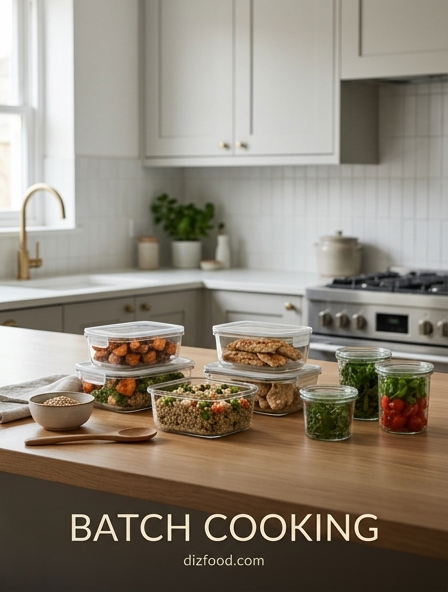
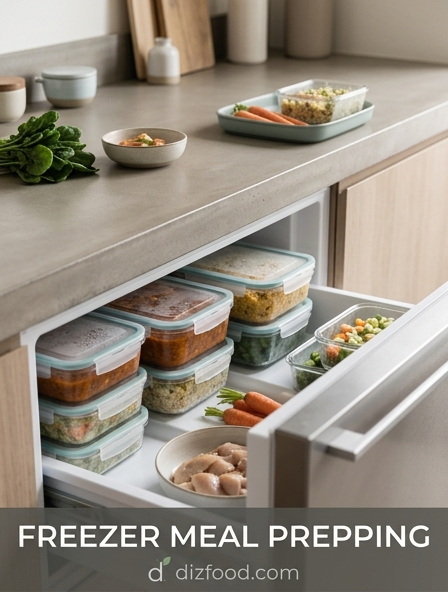
Efficiency in a specialized kitchen is achieved through systematic meal prepping. For those managing both restrictions, the "component cooking" method is often the most effective. Instead of preparing complex, multi-ingredient frozen meals, focus on preparing individual bases that can be combined in different ways throughout the week. This reduces the risk of flavor fatigue and ensures that every meal meets the necessary dietary requirements without requiring hours of daily labor.
A typical meal prep session might include roasting a large tray of seasonal vegetables, simmering a pot of quinoa or brown rice, and preparing a versatile dairy-free sauce like a tahini dressing or a pesto made with nutritional yeast instead of parmesan. Because gluten-free bread and pasta do not always store well after cooking, it is better to prep the sauces and toppings in advance and cook the grains or noodles fresh at the time of consumption. This maintains the integrity of the texture, which is often the biggest hurdle in gluten-free eating. Utilizing glass storage containers helps maintain freshness and prevents any chemical leaching, which is a priority for many health-conscious planners.
- Prep proteins: Grill chicken or bake tofu with simple oil-based marinades.
- Prep fats: Make a batch of cashew cream to use as a base for soups or "creamy" pasta.
- Prep snacks: Portion out nuts, seeds, and fruit to avoid reaching for processed GF/DF bars.
Cross Contamination Risks in Gluten vs Dairy Free Kitchens
Cross-contamination is a critical concern, particularly for individuals with Celiac disease or severe dairy allergies. In a gluten-free kitchen, "micro-contamination" can occur through shared appliances. Toasters are the most common offenders, as crumbs from gluten-containing bread can easily transfer to GF slices. Wooden cutting boards and spoons are also problematic because their porous surface can trap gluten proteins even after washing. For those with high sensitivity, a "dedicated" kitchen space or entirely separate sets of cookware and utensils may be necessary to ensure safety.
Dairy contamination is often more focused on shared surfaces and residues. While dairy proteins do not "hide" in porous wood as easily as gluten, they can remain on poorly cleaned surfaces like cheese graters or blender blades. In a shared household, clear labeling is the first line of defense. Using color-coded stickers or specific shelves in the refrigerator helps prevent the accidental use of butter or milk in a dairy-free dish. It is also important to educate other household members about the importance of using clean spoons in shared jars, such as jam or mustard, to prevent "double-dipping" that could introduce allergens into otherwise safe condiments.
Baking Challenges for Gluten Free and Dairy Free Recipes
Baking is perhaps the most technical challenge in the kitchen when removing gluten and dairy. Gluten provides the elasticity and structure that allows bread to rise and hold its shape. Without it, bakers must rely on a combination of different flours and binders like xanthan gum or psyllium husk to mimic that "chew." Gluten-free batters often require more hydration than traditional ones, and they frequently benefit from a resting period before hitting the oven to allow the alternative flours to fully absorb the liquid and prevent a gritty texture.
Dairy-free baking challenges revolve around fat and moisture. Butter contributes not only flavor but also air pockets created by its water content evaporating during the bake. Replacing butter with coconut oil or vegan margarine can change the melting point and spread of cookies. Furthermore, milk proteins contribute to the Maillard reaction-the browning of the crust. To achieve a similar effect in dairy-free baking, one might use a wash of maple syrup or a high-protein plant milk like soy. Combining both restrictions means the baker must find a balance where the lack of gluten structure is supported by the alternative fats, often requiring multiple iterations of a recipe to find the perfect ratio.
Dining Out Strategies for Gluten and Dairy Free Needs
Eating at a restaurant requires a proactive approach to communication and menu analysis. The first step is to research the establishment's "allergy awareness." Many modern restaurants offer gluten-free menus, but it is vital to ask if the kitchen uses shared fryers. For example, French fries are naturally gluten-free, but if they are fried in the same oil as breaded chicken, they are no longer safe for someone with Celiac disease. Similarly, the dairy-free diner must be cautious of "hidden" dairy in vegetable sides, where butter is the default cooking fat, or in marinades that may contain yogurt or whey.
Effective strategies include calling ahead during non-peak hours to speak with a chef and using "allergy cards" that clearly list forbidden ingredients in the local language. When in doubt, opting for simpler preparations-such as grilled fish with steamed vegetables and olive oil-is the safest route. It is also helpful to focus on cuisines that are naturally lower in these allergens. Southeast Asian cuisines (Thai, Vietnamese) often rely on rice and coconut milk rather than wheat and dairy, making them excellent choices for those with dual restrictions. Conversely, traditional French or Italian dining may require more intensive navigation due to the heavy reliance on cream, butter, and pasta.
Transitioning to Gluten Free vs Dairy Free Daily Routines
Adopting a new dietary lifestyle is as much a psychological shift as it is a physical one. The transition period is usually marked by a steep learning curve in label reading and a period of palate adjustment. For those moving to a gluten-free routine, the biggest hurdle is often social, as bread and grains are central to communal eating. Preparing for this by always carrying a safe snack or offering to bring a GF dish to gatherings can mitigate the feeling of isolation. Over time, the habit of checking labels becomes second nature, and the kitchen routine stabilizes as a set of go-to "safe" recipes is established.
Transitioning to a dairy-free lifestyle often results in more immediate digestive changes, which can be a strong motivator for sticking to the plan. The primary routine change involves finding a satisfying replacement for morning coffee or cereal. Experimenting with different plant milks-almond, soy, oat, or pea-early in the transition helps find a flavor profile that feels less like a sacrifice and more like a preference. Both routines benefit from a "clean sweep" of the kitchen at the start: removing tempting non-compliant items and replacing them with high-quality alternatives. Success is found in consistency and the realization that these dietary choices are tools for better health, rather than just a list of restrictions.


Comments