
Mastering Gluten-Free Pantry Essentials
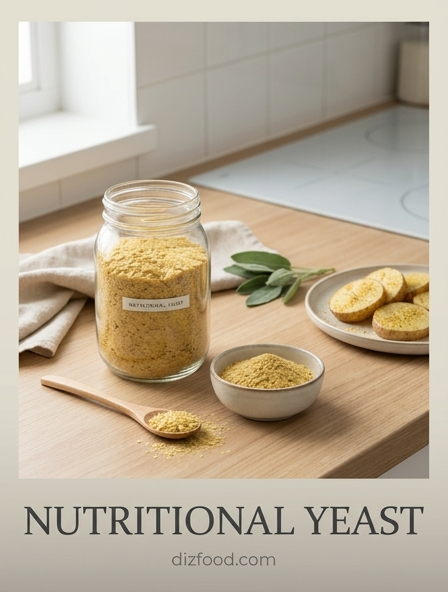
Nutritional yeast, colloquially known as "nooch," is a cornerstone of the gluten-free pantry. Unlike active dry yeast or brewer's yeast, this deactivated strain of Saccharomyces cerevisiae provides a rich, savory profile that mimics the depth of aged cheeses. For those avoiding gluten, it serves as a critical umami booster, filling the flavor void often left by processed grain products. Its natural yellow hue and flake-like texture make it an ideal base for creating seasoning blends that adhere well to gluten-free surfaces. When organizing your pantry, prioritize sourcing certified gluten-free flakes to avoid cross-reactive proteins found in malt-based yeast products.
- Provides a concentrated source of Vitamin B12, often missing in restricted diets.
- Functions as a natural thickener for soups without the need for flour-based roux.
- Offers a long shelf life, remaining stable in airtight environments for up to two years.
- Enhances the "mouthfeel" of starch-heavy dishes like potato leek soup or corn chowder.
To maximize its potential, store nutritional yeast in a cool, dark location. Heat and light can degrade the sensitive B-vitamins, particularly riboflavin, which gives the flakes their signature neon color. By keeping this essential on hand, you ensure that even the simplest gluten-free meals possess a complex, savory finish.
Streamlining Dairy-Free Batch Cooking
Batch cooking is the most effective way to maintain a dairy-free lifestyle without sacrificing flavor. Nutritional yeast is the primary ingredient for producing large quantities of "cheese" sauce and seasoning powders that can be used throughout the week. By preparing these elements in bulk, you reduce the time spent on nightly meal preparation while ensuring consistent results across various dishes. The savory flakes dissolve easily into warm liquids, making them perfect for creating pourable sauces that mimic cheddar or parmesan textures.
| Batch Component | Primary Use | Estimated Shelf Life |
|---|---|---|
| "Nooch" Cheese Sauce | Macaroni, Nachos, Broccoli | 5-7 Days (Refrigerated) |
| Vegan Parm Shaker | Pasta, Salads, Pizza | 1 Month (Pantry) |
| Umami Gravy Base | Mashed Potatoes, Roasts | 4 Days (Refrigerated) |
When batch cooking, consider blending nutritional yeast with soaked cashews or sunflower seeds to create a rich, creamy base. This mixture can be frozen in silicone trays for portion-controlled use. Incorporating these shortcuts into your Sunday routine ensures that every dairy-free meal is elevated by a punch of savory, cheesy goodness without the need for daily labor-intensive preparation.
Essential Tools for Allergen-Free Prep
To fully harness the versatility of nutritional yeast, having the right kitchen tools is paramount. While the flakes are flavorful in their natural state, transforming them into fine powders or smooth emulsions requires specific equipment. This is particularly important for allergen-free kitchens where texture often dictates the success of a recipe. Efficient prep ensures that the yeast integrates seamlessly into your dishes without clumping or remaining gritty.
- High-Speed Blender: Essential for emulsifying yeast flakes with liquids to create perfectly smooth, dairy-free cream sauces.
- Dedicated Spice Grinder: Use this to turn large flakes into a fine dust, perfect for coating popcorn or creating homemade bouillon powders.
- Silicone Whisks: Ideal for stirring yeast into hot liquids without scratching non-stick surfaces often used for delicate allergen-free cookware.
- Fine Mesh Strainer: Useful for ensuring that any nut-based yeast sauces are devoid of larger particles, mimicking professional-grade textures.
Investing in these tools allows you to manipulate the physical properties of the yeast. For instance, grinding the flakes into a powder increases their surface area, allowing for a more intense flavor distribution with less product. This precision is vital when cooking for restricted diets where every ingredient must work harder to provide satisfaction and nutrition.
Avoiding Cross-Contamination in the Kitchen
Maintaining a safe kitchen for those with severe allergies requires rigorous protocols, especially when handling powdery or flaky substances like nutritional yeast. While the yeast itself is naturally gluten-free and dairy-free, the environment in which it is stored and used can introduce risks. Airborne particles from wheat flour or dairy dust can easily settle into an open container of flakes, compromising its safety for sensitive individuals. Implementing strict organizational habits is the first line of defense against accidental exposure.
- Dedicated Scoops: Always use a clean, dedicated scoop for nutritional yeast to prevent transferring allergens from other bins.
- Sealed Transfer: Transfer yeast from bulk bags to airtight glass jars immediately upon purchase to minimize airborne exposure.
- Labeling System: Use color-coded labels to indicate that the yeast is specifically for "Allergen-Free" use only.
- Surface Hygiene: Wipe down counters before measuring out flakes, as their lightweight nature makes them prone to picking up residues.
Furthermore, be cautious when purchasing from bulk bins at grocery stores, as cross-contamination is highly likely in these settings. Opting for pre-packaged, certified brands ensures that the yeast remains a safe, reliable staple. By treating nutritional yeast as a controlled ingredient, you preserve the integrity of your allergen-free kitchen and protect the health of those you serve.
Efficient Grain Soaking and Cooking Techniques
Enhancing the flavor of gluten-free grains begins at the boiling point. Nutritional yeast is a secret weapon for infusing ancient grains like quinoa, millet, and sorghum with deep, savory notes during the absorption process. Rather than seasoning the grains after they are cooked, adding yeast to the cooking liquid allows the savory essence to penetrate the heart of each grain. This technique is especially useful for those on restricted diets who may find plain grains unappealing or bland over time.
- The Infusion Step: Add two tablespoons of nutritional yeast for every cup of dry grains into the cooking water or broth.
- The Agitation Method: Whisk the water vigorously to ensure the flakes dissolve before the liquid reaches a boil.
- The Steam Finish: Once the heat is off, let the grains sit for five minutes; the yeast creates a subtle "glaze" that keeps the grains from sticking.
This method not only improves flavor but also boosts the protein and B-vitamin content of every serving. Whether you are prepping a large batch of rice for the week or a quick quinoa salad, this small addition transforms the grain from a simple side dish into a nutrient-dense, flavorful foundation for any meal.
Nut-Based Dairy Alternatives Prep Shortcuts
Creating dairy-free alternatives from nuts is a hallmark of plant-based cooking, and nutritional yeast is the critical ingredient that provides the necessary "bite." To save time, many chefs use shortcuts that involve pre-preparing nut and yeast bases. These bases can be quickly hydrated to form everything from ricotta substitutes to hard "parmesan" crumbles. The synergy between the fats in the nuts and the umami in the yeast creates a flavor profile that is remarkably close to traditional dairy products.
| Nut Base | Yeast Ratio | Kitchen Shortcut |
|---|---|---|
| Cashew Cream | 1/4 Cup per Cup of Nuts | Blend with yeast and freeze in ice cubes. |
| Almond Crumble | 1/2 Cup per Cup of Nuts | Pulse with yeast and garlic salt for dry storage. |
| Walnut Meat | 2 Tbsp per Cup of Nuts | Toss with yeast and smoked paprika for savory tacos. |
By keeping these ratios in mind, you can drastically reduce the time spent consulting recipes. The key is to ensure the nuts are either soaked or finely ground to allow the nutritional yeast to bond with the natural oils. This preparation ensures that your dairy-free alternatives are always ready for immediate use in larger recipes.
Strategic Meal Planning for Restricted Diets
Successful meal planning on a restricted diet hinges on the ability to recycle core ingredients across multiple cuisines. Nutritional yeast is uniquely suited for this because its flavor is culturally ambiguous; it fits as easily into a dairy-free pesto as it does into a savory miso soup. When mapping out your weekly menu, identify "bridge ingredients" that utilize nutritional yeast to provide a sense of continuity and satisfaction without the need for dairy or gluten-heavy additives.
- Monday: Italian-style roasted vegetables with "nooch" and oregano.
- Wednesday: Mexican-inspired cashew "queso" for taco night.
- Friday: Savory popcorn with yeast and sea salt for movie night.
- Sunday: Rich "cheesy" tofu scramble for family brunch.
Incorporating nutritional yeast into your meal plan also simplifies grocery shopping. Instead of buying expensive, processed vegan cheeses that may contain unwanted additives or gluten, you can rely on this single, clean-label ingredient. This strategy not only saves money but also ensures that you are consistently meeting your nutritional goals, particularly regarding the intake of essential B-vitamins and complete proteins.
Smart Storage Solutions for Fresh Ingredients
While nutritional yeast is a shelf-stable dry good, its storage impacts the quality of the fresh ingredients it seasons. To maintain the "cheesy" integrity of your prep work, you must consider the environment. Nutritional yeast is highly hygroscopic, meaning it absorbs moisture from the air. If stored incorrectly near fresh, steaming vegetables or in a humid kitchen, the flakes will clump and lose their ability to be sprinkled evenly. Proper storage ensures that the yeast remains a versatile, free-flowing tool for all your fresh-ingredient applications.
- Glass Jars: Use non-porous glass with airtight gaskets to prevent odors from neighboring spices from seeping in.
- Desiccant Packs: For those in humid climates, adding a food-grade silica packet to the yeast container can prevent clumping.
- Dark Cupboards: Avoid open shelving; light exposure can cause the yeast to lose its vibrant color and nutritional potency.
When using yeast on fresh produce, such as sliced avocados or cucumbers, apply it just before serving. The moisture in fresh vegetables will eventually dissolve the flakes, turning them into a paste. By mastering these storage and application techniques, you ensure that your fresh ingredients are always complemented by the best possible texture and flavor from your yeast supply.
Simplified Sheet Pan Prep Strategies
Sheet pan meals are the pinnacle of efficient kitchen prep, and nutritional yeast is the ultimate seasoning for this method. When vegetables and proteins are roasted at high heat, the yeast flakes undergo a slight caramelization, deepening their savory flavor and creating a crispy crust that is otherwise difficult to achieve without gluten-based breading. This technique allows you to prepare a complete, nutrient-dense meal with minimal cleanup, relying on the yeast to provide both the seasoning and the texture.
- Toss: Place chopped vegetables and proteins in a large bowl and coat lightly with oil.
- Dredge: Add a generous amount of nutritional yeast, ensuring the flakes stick to the oiled surfaces.
- Spread: Arrange in a single layer on the sheet pan to ensure airflow and even browning.
- Roast: Cook at 400°F until the edges of the yeast-coated pieces are golden and fragrant.
The beauty of this strategy is that the yeast doesn't just sit on top; it fuses with the natural sugars of the vegetables. For example, cauliflower or kale roasted with nutritional yeast takes on a savory crunch that rivals deep-fried alternatives. This simplified approach ensures that even on the busiest nights, you can produce a high-quality, allergen-free meal with very little active effort.
Rapid Gluten-Free Flour Blending Methods
Creating your own gluten-free flour blends allows for greater control over texture and nutritional content. Adding nutritional yeast directly into savory flour blends is a rapid method for enhancing the flavor of breadings and crusts. This eliminates the need for extra seasoning steps later in the cooking process. Whether you are making a gluten-free pizza dough or a savory pancake mix, the inclusion of yeast provides an structural and flavorful boost that mimics traditional wheat products.
| Flour Base | Yeast Inclusion | Best Application |
|---|---|---|
| Rice Flour & Cornstarch | 1/3 Cup Yeast | Crispy Fried Tofu or Chicken |
| Oat Flour & Tapioca | 1/4 Cup Yeast | Savory Muffins or Biscuits |
| Chickpea Flour | 2 Tbsp Yeast | Socca or Crepes |
When blending, ensure the yeast is well-distributed to prevent "cheesy hotspots" in your baked goods. A quick whisking or sifting with the dry flours is sufficient. This rapid blending method is particularly useful for those who want to avoid the blandness often associated with gluten-free starches. By integrating the yeast at the foundation, you ensure that every bite of your allergen-free baked goods is packed with savory, complex flavor.

Comments