
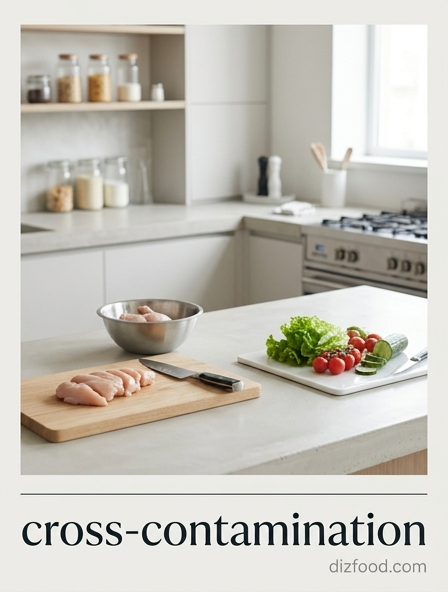
Establishing a Cross-Contamination Safety Protocol
To ensure a safe environment for gluten-free and dairy-free food preparation, establishing a rigid cross-contamination safety protocol is non-negotiable. This process begins with the physical separation of workspaces. Even microscopic traces of flour dust or milk protein can compromise a dish. Staff must be trained to recognize hidden hazards, such as shared convection ovens where circulating air can transport gluten particles between trays. Utilizing color-coded equipment-specifically cutting boards, knives, and tongs-creates a visual barrier that helps prevent accidental mixing during high-pressure service periods.
- Dedicated Prep Stations: Assign specific areas solely for allergen-friendly assembly.
- Sanitization Frequency: Implement mandatory hand-washing and surface sterilization between different ingredient handlings.
- Tool Segregation: Store gluten-free and dairy-free utensils in sealed, labeled containers away from shared kitchenware.
- Airborne Awareness: Avoid sifting traditional wheat flour in the same room where gluten-free prep is occurring.
Consistency is the cornerstone of these protocols. By standardizing the way ingredients move from receiving to the final plate, a kitchen significantly reduces the risk of accidental exposure. Every team member must act as a checkpoint, ensuring that the integrity of the specialized meal is maintained through every stage of the culinary workflow.
Essential Gluten-Free Flour Blends for Professional Results
Achieving professional-grade textures in gluten-free baking requires a deep understanding of starch-to-protein ratios. Unlike traditional wheat flour, which relies on gluten for structure, gluten-free blends must use a combination of flours to mimic that elasticity. When blending in-house, sourcing certified gluten-free grains is vital to avoid cross-contamination from shared agricultural mills. A balanced blend typically involves a base of neutral flours, a hit of protein-rich grain, and a functional starch to provide lightness and binding.
| Component Type | Recommended Ingredients | Ratio Contribution |
|---|---|---|
| Base Grains | Fine White Rice Flour, Sorghum Flour | 40% |
| Protein Grains | Oat Flour, Millet Flour, Teff | 30% |
| Starches | Tapioca Starch, Potato Starch | 25% |
| Binders | Xanthan Gum, Psyllium Husk | 5% |
Testing these ratios across different applications-such as delicate pastries versus hearty breads-allows a chef to fine-tune the crumb and crust. Always ensure that binders are thoroughly dispersed within the dry mix to prevent clumping, which can lead to structural failure during the baking process.
Dairy-Free Emulsification and Creaming Techniques
Replicating the mouthfeel of dairy without using milk-based fats requires precise emulsification techniques. In a professional kitchen, the challenge lies in creating stable emulsions that do not break under heat or acidic conditions. Plant-based fats, such as coconut cream or cashew paste, behave differently than butterfat; they often require higher mechanical shear or the addition of natural emulsifiers like sunflower lecithin to maintain a silky consistency. Proper temperature control is also paramount to prevent separation during the creaming stage.
- Temperature Management: Ensure all fat-based substitutes are at room temperature before attempting to cream them with sugars.
- Gradual Integration: Add liquid components slowly to the fat base to allow the emulsion to bond steadily.
- High-Shear Blending: Use high-speed immersion blenders to break down plant fibers and fat globules into a uniform micro-emulsion.
- Stabilization: Incorporate small amounts of hydrocolloids if the sauce or cream needs to be held at service temperatures for extended periods.
By mastering these mechanical processes, chefs can produce dairy-free creams and sauces that are indistinguishable from their traditional counterparts. This technical rigor ensures that the final product maintains its aesthetic and sensory appeal throughout the dining experience.
Strategic Ingredient Sourcing for Allergen-Friendly Pantries
Sourcing ingredients for a gluten-free and dairy-free kitchen requires a heightened level of due diligence. It is not enough to simply read a front-of-package label; a chef must investigate the entire supply chain to ensure that ingredients are processed in facilities free from cross-contact. This is particularly important for bulk items like spices, grains, and nuts, which are often processed on shared equipment. Establishing relationships with suppliers who provide certificates of analysis for their batches can mitigate the risk of bringing "stealth" allergens into the kitchen.
- Certification Verification: Prioritize products with third-party certifications like GFCO or similar international standards.
- Ingredient Transparency: Request full ingredient disclosures from manufacturers, including natural flavors and anti-caking agents.
- Storage Isolation: Designate specific shelving units for allergen-friendly ingredients, placing them above traditional items to prevent fallout contamination.
- Audit Schedules: Periodically review supplier practices to ensure their safety standards remain consistent with your kitchen's requirements.
A well-curated pantry is the foundation of a safe menu. By treating sourcing as a strategic safety function rather than just a procurement task, kitchens can confidently serve guests with severe sensitivities while maintaining high culinary standards.
Mastering Umami Without Gluten or Dairy
Umami provides the depth and "savory" quality that many diners associate with aged cheeses or soy-based sauces. In a kitchen constrained by gluten and dairy restrictions, chefs must find alternative sources of glutamates to achieve that same complexity. Traditional soy sauce is a major source of hidden gluten; therefore, tamari or coconut aminos are essential substitutes. To replace the savory punch of parmesan or heavy cream, fermented vegetables, dried fungi, and nutritional yeast can be utilized to build layers of flavor that satisfy the palate without compromising dietary safety.
Dehydrated ingredients, such as tomato powder or ground porcini mushrooms, offer concentrated umami that can be whisked into sauces or used as a seasoning rub. Seaweeds like kombu are also invaluable for infusing stocks with deep, oceanic savory notes. When using these substitutes, it is vital to balance the salt content, as many umami-rich plant sources are naturally high in sodium. By strategically layering these ingredients, a chef can create robust, craveable dishes that lack nothing in terms of flavor profile, proving that restricted diets do not necessitate a sacrifice in culinary excellence.
Batch Cooking Systems for Specialized Dietary Needs
Efficiency in a high-volume kitchen depends on batch cooking, but specialized diets add a layer of complexity to this system. To prevent cross-contamination, batch production for gluten-free and dairy-free items should be scheduled during "clean" windows-typically at the start of a shift before any wheat or dairy products have been unsealed. This "clean start" approach ensures that surfaces, air, and equipment are at their lowest risk level for contamination. Once prepared, these batches must be strictly labeled and sealed to maintain their integrity during storage.
- Scheduling: Produce allergen-friendly components first thing in the morning or on dedicated prep days.
- Equipment Sterilization: Run all necessary pots, pans, and processor blades through a high-temperature dish cycle immediately before the batch begins.
- Sealing and Labeling: Use clear, color-coded lids or tape to identify batches, including the date and a "GF/DF" indicator.
- Dedicated Storage: Place prepared batches in a specific "safe zone" within the walk-in cooler to avoid accidental spills from other containers.
Following a systematic batching workflow reduces the stress of "made-to-order" specialized requests. It allows the line to move faster while providing peace of mind that each component was produced under controlled, sterile conditions.
Standardizing Gluten-Free and Dairy-Free Prep Workflows
A standardized workflow is the most effective defense against human error in the kitchen. When every cook follows the same sequence of actions, the likelihood of a cross-contamination event decreases significantly. This standardization should cover everything from how a station is set up to how a plate is garnished. In a dual-constraint environment, the workflow must account for the fact that a single mistake can render a dish dangerous for a guest. Documentation, such as laminated prep sheets and station maps, helps reinforce these behaviors.
- Station Zoning: Divide the kitchen into zones where gluten and dairy are permitted and zones where they are strictly prohibited.
- Utensil Flow: Implement a "one-way" system for used utensils to ensure they go directly to the wash and never touch a clean "safe" surface.
- Garnish Control: Store garnishes for specialized plates in separate, lidded containers to prevent them from coming into contact with breadcrumbs or cheese.
- Verification Steps: Require a second set of eyes to "check off" a specialized plate before it leaves the pass.
By embedding these steps into the daily rhythm of the kitchen, safety becomes a habit rather than an afterthought. This cultural shift ensures that the kitchen can handle complex dietary needs with professional precision and speed.
High-Flavor Substitutes for Traditional Dairy Components
Replacing dairy is not just about finding a liquid substitute; it is about mimicking the specific fat content and chemical behavior of milk, cream, and butter. For example, high-fat coconut milk works well in savory curries but might be too flavorful for a delicate French sauce. In such cases, oat milk or house-made almond milk might be preferred. Understanding the smoke point and flavor profile of various plant-based fats is crucial for a chef who wants to maintain the nuance of their original recipes while removing dairy allergens.
| Dairy Component | Functional Substitute | Best Use Case |
|---|---|---|
| Heavy Cream | Cashew Cream (Soaked/Blended) | Veloutés and Thick Soups |
| Unsalted Butter | Cultured Plant Butter or Ghee | Sautéing and Shortcrust Pastry |
| Buttermilk | Soy Milk + Apple Cider Vinegar | Baking Leavening Agent |
| Ricotta Cheese | Pressed Firm Tofu (Seasoned) | Pasta Fillings |
Chefs should experiment with these substitutes to identify which ones provide the best stability under heat. Using a combination of fats can often yield a more complex and satisfying result than relying on a single plant-based alternative.
Nutritional Balancing in Restricted Meal Architecture
When gluten and dairy are removed from a menu, there is a risk of creating nutritional gaps, particularly regarding protein, fiber, and calcium. Professional menu planning must address these gaps by intentionally incorporating nutrient-dense alternatives. Gluten-free starches like white rice or tapioca often lack the fiber found in whole wheat, so substituting with ancient grains like quinoa, amaranth, or buckwheat-which are naturally gluten-free-is a superior choice. Similarly, the loss of dairy-based calcium and protein can be offset by using fortified plant milks, legumes, and dark leafy greens.
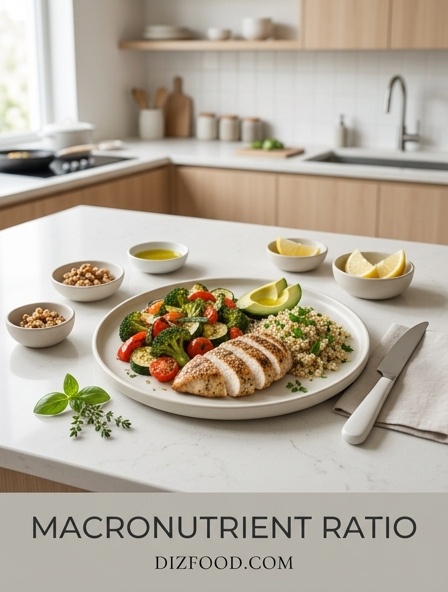
The goal is to create a plate that feels complete and nourishing rather than "lacking." This requires a focus on whole-food ingredients rather than highly processed gluten-free substitutes, which are often high in sugar and low in micronutrients. By balancing the macronutrient profile-ensuring a healthy mix of complex carbohydrates, lean proteins, and unsaturated fats-the chef provides a meal that supports the diner's health goals. Thinking of the meal as an architectural build allows for the strategic layering of both flavor and nutrition, resulting in a superior dining experience.
Advanced Menu Engineering for Dual-Constraint Planning
Menu engineering for guests with multiple dietary restrictions involves balancing culinary creativity with operational feasibility. To maximize kitchen efficiency, a menu should be designed so that many "base" items are naturally gluten-free and dairy-free. This minimizes the need for special modifications during a busy service and reduces the footprint of potential allergens in the kitchen. When a dish can be enjoyed by everyone-regardless of their dietary needs-it simplifies the workflow and ensures that the quality remains consistent across all orders.
- Universal Bases: Design sauces and stocks to be GF/DF by default using cornstarch or arrowroot and plant-based fats.
- Shared Components: Use the same high-quality roasted vegetables or grains across multiple dishes to simplify prep.
- Clear Icons: Use simple, standardized symbols on the menu to clearly indicate which items are safe for specific diets.
- Ingredient Overlap: Select premium ingredients that serve multiple purposes, reducing the total inventory and the risk of cross-contamination from high-turnover items.
Smart menu engineering does not mean limiting options; it means designing the kitchen's logic to support safety. When the path of least resistance in the kitchen is also the safest path for the guest, the entire operation becomes more resilient and profitable.


Comments