
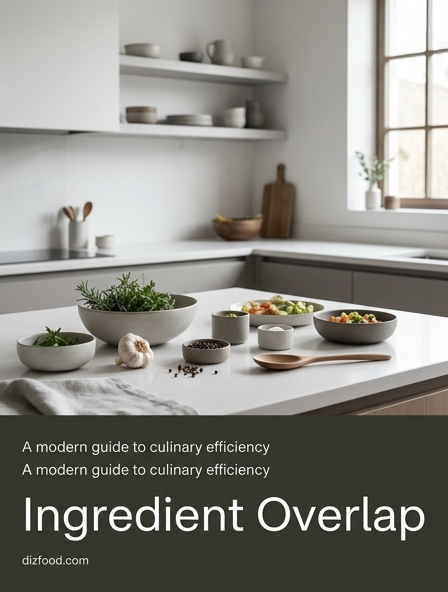
The Benefits of Ingredient Overlap in Meal Planning
Ingredient overlap is a strategic approach to kitchen management where multiple recipes share a core set of components. By intentionally selecting dishes that utilize the same fresh produce, proteins, or grains, home cooks can significantly streamline their culinary workflow. This method reduces the cognitive load of deciding what to eat, as the foundational elements of the week's meals are already established and ready for use.
The primary advantages of this system include enhanced kitchen efficiency and a more cohesive cooking experience. When ingredients overlap, prep work is minimized through batch processing; for instance, chopping onions for three different meals at once saves time and cleanup efforts. Some specific benefits include:
- Reduced preparation time throughout the busy work week.
- Increased familiarity with specific ingredients, leading to better culinary skills.
- Lowered stress levels by eliminating the need for unique, one-off purchases.
- Improved ability to improvise meals based on existing inventory.
Ultimately, designing a menu around shared components transforms the kitchen from a chaotic environment into a well-oiled machine, ensuring that every item purchased serves a distinct, multi-purpose role in the household's nutrition.
Strategic Shopping to Lower Your Weekly Grocery Bill
Strategic shopping is the practice of purchasing items that can be stretched across several meals, effectively lowering the cost per serving. By focusing on ingredient overlap, shoppers can buy in larger quantities, which often triggers volume discounts or lower unit prices. Instead of buying small, expensive portions of diverse items, a consumer might buy a large bag of kale that serves as a salad base, a soup additive, and a side dish for a roast.
| Ingredient | Meal 1 Use | Meal 2 Use | Meal 3 Use |
|---|---|---|---|
| Spinach | Fresh Salad | Breakfast Omelet | Pasta Stir-fry |
| Chicken Breast | Grilled Entree | Chicken Tacos | Soup Protein |
| Bell Peppers | Raw Snack | Fajita Sauté | Stuffed Peppers |
This approach prevents the common financial pitfall of the "specialty ingredient," where a shopper buys a jar or bunch of something for a single recipe, only to let the remainder expire. By sticking to a list where every item appears in at least two dishes, the weekly grocery bill becomes more predictable and significantly more affordable.
Reducing Household Food Waste Through Shared Components
One of the most effective ways to combat household food waste is through the rigorous application of shared components. When a household struggles with waste, it is often because fresh items are forgotten or only partially used. If a recipe calls for half a head of cabbage and there is no plan for the other half, it inevitably wilts in the crisper drawer. Planning for overlap ensures that every scrap has a destination before it even enters the home.
- Audit the fridge to identify items nearing expiration.
- Select a primary "anchor" ingredient that needs to be used up.
- Find three recipes that feature this anchor as a central or supporting component.
- Prep the entire ingredient at once to ensure it is ready for all three applications.
This systematic approach turns potential waste into a resource. By treating ingredients as flexible modules rather than rigid recipe requirements, you ensure a zero-waste cycle. This not only benefits the environment by reducing landfill contributions but also ensures that the energy and water used to produce that food are not squandered.
How to Identify Versatile Ingredients for Multiple Recipes
Identifying versatile ingredients is an essential skill for anyone looking to master the art of ingredient overlap. A versatile ingredient is one that can adapt to different flavor profiles, textures, and cooking methods. These "kitchen workhorses" bridge the gap between various cuisines, allowing a cook to pivot from an Italian pasta dish to a Mexican stir-fry using the same basic inventory. The key is to look for items with neutral or complementary characteristics.
- Aromatics: Onions, garlic, and ginger provide the flavor base for almost every global cuisine.
- Hardy Greens: Kale, cabbage, and bok choy can be eaten raw, braised, or sautéed.
- Versatile Proteins: Eggs, beans, and minced meats can be seasoned in infinitely different ways.
- Root Vegetables: Carrots and potatoes have long shelf lives and work in soups, roasts, or mashes.
By prioritizing these items during the selection process, you create a pantry and fridge that are naturally predisposed to overlap. This reduces the need for constant trips to the store for missing pieces, as these core components can fill the gaps in nearly any meal plan.
Maximizing Your Pantry Staples to Save Money
Pantry staples act as the glue that binds overlapping fresh ingredients together. While fresh produce and proteins provide the variety, the pantry offers the stability and volume needed to round out a meal. Maximizing these staples involves keeping a lean but high-quality inventory of grains, legumes, and oils that can be paired with any fresh ingredient overlap. This reduces the cost of "filler" items and allows the budget to be spent on higher-quality fresh goods.
| Pantry Staple | Cuisine A | Cuisine B |
|---|---|---|
| Rice | Spanish Paella | Thai Curry |
| Chickpeas | Middle Eastern Hummus | Indian Chana Masala |
| Canned Tomatoes | Italian Marinara | Mexican Shakshuka |
By buying these staples in bulk, you create a foundation that supports multiple meal paths. When you have a solid pantry, you only need to purchase a few overlapping fresh items to create a diverse weekly menu. This synergy between long-term storage and short-term fresh goods is the cornerstone of a fiscally responsible and efficient kitchen.
The Financial Impact of Minimizing Kitchen Scraps
Minimizing kitchen scraps is not just an environmental goal; it is a financial imperative. Every discarded broccoli stem, onion peel, or slightly wilted leaf represents literal currency being thrown away. Over the course of a year, the average household loses hundreds, if not thousands, of dollars to food that was paid for but never consumed. Ingredient overlap addresses this by ensuring that "scraps" from one meal become the "stars" of another.
Consider the financial difference between buying pre-cut vegetables and whole vegetables. While pre-cut items seem convenient, they have a higher price point and a shorter shelf life. By buying whole and overlapping their use-using the florets for a stir-fry and the stems for a slaw-the consumer effectively gets two products for the price of one. This reduction in waste directly correlates to a lower grocery budget. Furthermore, utilizing scraps for homemade stocks or compost reduces the need for buying commercial equivalents, creating a self-sustaining financial loop within the kitchen ecosystem that rewards thoroughness and creativity.
Efficient Meal Prep Using Interconnected Menu Design
Interconnected menu design is the evolution of traditional meal prep. Instead of preparing three entirely separate dishes on a Sunday, this method focuses on preparing shared components that can be assembled in various ways throughout the week. This significantly reduces the time spent at the stove and minimizes the amount of dirty dishes produced during the week, as the bulk of the heavy lifting is handled in a single session.
- Choose three recipes that share at least two main ingredients (e.g., roasted peppers and quinoa).
- Prepare a large batch of those shared items during your prep window.
- Store the components in clear containers to maintain visibility in the fridge.
- At mealtime, combine the prepped components with unique seasonings or fresh additions to differentiate the dishes.
For example, a large batch of roasted sweet potatoes can be used in a grain bowl on Monday, tucked into tacos on Tuesday, and mashed as a side dish on Thursday. This interconnectedness ensures that even on the busiest nights, a healthy and inexpensive meal is only minutes away from the table.
Inventory Management Tips for a Zero Waste Kitchen
Effective inventory management is the backbone of ingredient overlap. Without a clear understanding of what is currently in the kitchen, it is impossible to plan for overlap or avoid duplicate purchases. A zero-waste kitchen relies on a "first in, first out" (FIFO) system, ensuring that older items are used before newer ones, but it also requires a creative look at how existing inventory can fit into future plans.
- Keep a "use first" bin in the refrigerator for items nearing their end of life.
- Maintain a digital or physical list of pantry contents to avoid overbuying staples.
- Label leftovers and prepped ingredients with dates to ensure they are integrated into meals timely.
- Shop your own kitchen first before heading to the grocery store.
By managing inventory with an eye for overlap, you can spot opportunities to combine disparate items into a cohesive meal. A half-bag of frozen peas, a single carrot, and some leftover rice might seem like scraps, but with proper inventory oversight, they become the basis for an easy fried rice dish, preventing waste and saving money.
Creative Ways to Reuse Shared Produce and Proteins
Creativity in the kitchen is often born from the constraint of using what is already available. Reusing shared produce and proteins requires looking past the original intention of an ingredient to see its potential in a different context. A roasted chicken is a classic example: the meat can be served whole the first night, shredded for salads the second, and the carcass can be simmered into a rich broth for the third. This progression maximizes the value of the initial purchase.
Vegetables offer similar opportunities for transformation. A tray of roasted root vegetables can be served as a side dish, then blended into a creamy soup the next day, or even folded into an omelet or frittata. The goal is to change the texture or flavor profile so the ingredient feels fresh and new rather than like a repetitive leftover. By embracing these transformations, cooks can maintain variety in their diet while strictly adhering to a menu of overlapping ingredients. This prevents "palate fatigue" and makes the practice of ingredient overlap sustainable and enjoyable for the long term.
Long Term Savings Through Smart Ingredient Rotation
Smart ingredient rotation involves looking at the kitchen budget over months rather than just weeks. By rotating core ingredients based on seasonality and sales, and then applying the overlap principle, the savings compound over time. Buying seasonal produce when it is at its peak and lowest price-and then using it across every meal for that week-drastically reduces the average cost per meal. This approach also ensures a diverse range of nutrients throughout the year.
| Season | Core Overlap Item | Annual Savings Potential |
|---|---|---|
| Summer | Zucchini/Tomatoes | High (Homegrown/Farmers Market) |
| Autumn | Squash/Apples | Medium (Bulk harvest pricing) |
| Winter | Root Crops/Grains | High (Storage stability) |
In the long run, this habit trains the consumer to be more mindful and resourceful. The financial impact of avoiding convenience foods and minimizing waste through rotation and overlap can equal thousands of dollars in savings. More importantly, it fosters a deeper connection to the food cycle and a more disciplined approach to household management.

Comments