
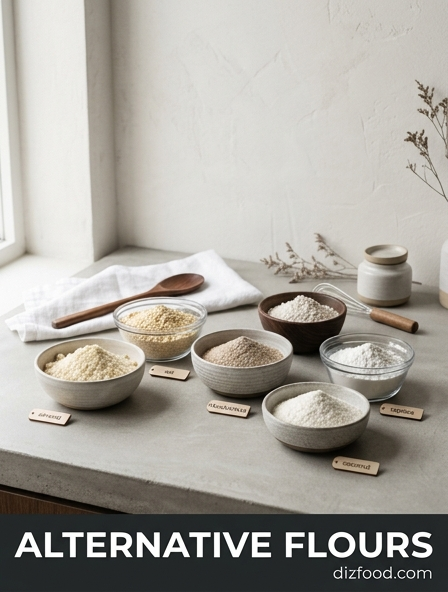
Understanding Gluten and Dairy Basics
Navigating the world of alternative baking requires a foundational grasp of how gluten and dairy function in traditional recipes. Gluten, a protein found in wheat, barley, and rye, acts as the "glue" that provides elasticity and structural integrity to bread and pastries. Without it, baked goods can become crumbly or fail to rise properly. In the kitchen, shifting to alternative flours means finding new ways to replicate this protein network through different binders and moisture-retaining agents.
Similarly, dairy provides fat, sugar, and protein that contribute to the browning and tenderness of a crumb. When removing milk or butter, one must consider the water-to-fat ratio to maintain the desired mouthfeel. Understanding these basics allows a cook to transition more effectively to specialized ingredients. Consider these primary functions when selecting your substitutes:
- Structure: Provided by gluten or protein-heavy flours like chickpea or soy.
- Elasticity: Replicated by adding xanthan gum, guar gum, or psyllium husk.
- Moisture: Maintained through fats like coconut oil or fruit purees.
- Browning: Assisted by natural sugars or specific protein-rich non-dairy milks.
Essential Pantry Staples for Success
To master the art of alternative flour cooking, your pantry must be stocked with a diverse range of bases and binders. Unlike all-purpose wheat flour, no single gluten-free flour can do everything. Successful results usually come from a blend of grain flours, starches, and protein-heavy nut meals. Keeping these essentials on hand prevents last-minute trips to the store and allows for spontaneous baking sessions.
A well-curated pantry should balance flavor and function. For instance, rice flour provides a neutral base, while tapioca starch adds a chewy texture and aids in browning. Below is a suggested starting inventory for a versatile kitchen:
| Ingredient Category | Recommended Items |
|---|---|
| Base Flours | Brown Rice Flour, Sorghum Flour, Oat Flour |
| Starches | Tapioca Starch, Potato Starch, Arrowroot |
| High Protein | Almond Meal, Chickpea Flour, Quinoa Flour |
| Binders | Xanthan Gum, Chia Seeds, Flax Meal |
Identifying Hidden Ingredients in Labels
Reading labels is an indispensable skill when managing a kitchen focused on alternative ingredients. Many processed flour blends or "ready-to-use" mixes contain hidden additives that may not align with your dietary needs. Manufacturers often use derivatives that sound benign but contain traces of gluten or dairy. For example, "natural flavors" or "modified food starch" can be ambiguous and require further investigation to ensure they are derived from safe sources.
It is also vital to watch for cross-contact warnings, such as "processed in a facility that also handles wheat." These warnings are crucial for those with severe sensitivities or celiac disease. When shopping for alternative flours, look for certified seals to guarantee safety. Be particularly cautious of the following common hidden sources:
- Malt or Malt Flavoring: Derived from barley and contains gluten.
- Whey or Casein: Dairy proteins often found in flour conditioners.
- Dextrin: Can be made from wheat or corn; check the source carefully.
- Hydrolyzed Vegetable Protein: Often contains wheat unless specified otherwise.
Smart Substitutes for Flours and Milks
Replacing traditional ingredients is not always a one-to-one swap. Each alternative flour has a unique weight, absorbency, and flavor profile. For instance, coconut flour is highly absorbent and requires significantly more liquid than almond flour. Mastering these substitutions involves understanding the "substitution ratio" to avoid dense or soggy results. Generally, a blend of flours yields a more realistic texture than using a single grain-free flour.
When it comes to liquids, non-dairy milks offer varying levels of fat and sweetness. To achieve the best results in your kitchen, follow these steps for choosing and using substitutes:
- Weigh your flour using a digital scale rather than measuring by volume to ensure accuracy.
- Add a binder like xanthan gum (1/4 teaspoon per cup) if your blend lacks one.
- Choose high-fat milks, like cashew or full-fat coconut, for rich desserts.
- Opt for soy or pea milk for recipes requiring high protein for structural lift.
- Let batters rest for 30 minutes to allow alternative flours to hydrate fully.
Efficient Meal Planning and Batch Cooking
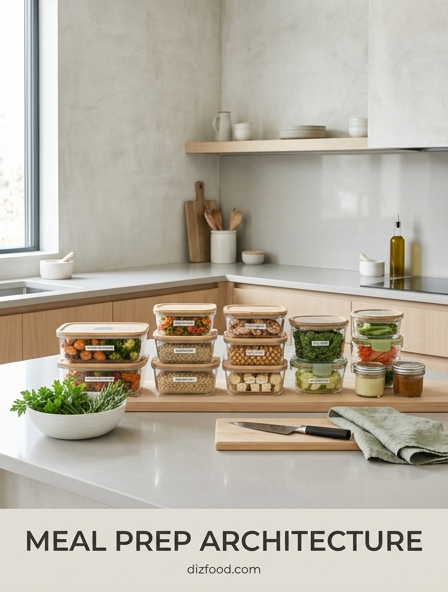
Managing a kitchen with alternative flours can be time-consuming due to the need for custom blends and specific preparations. Efficient meal planning is the key to maintaining this lifestyle without burnout. By dedicating one day a week to batch cooking, you can ensure that you always have safe, ready-to-eat options. This is particularly helpful for flour-based items like pancakes, muffins, or pizza crusts, which can be frozen and reheated easily.
Start by creating your own "master flour blend" that works for most of your recipes. Mixing several kilograms of this blend at once saves you from measuring five different bags every time you bake. Use the following strategies to streamline your process:
- Pre-measure dry ingredients for frequent recipes into glass jars.
- Double or triple your baking batches and freeze individual portions.
- Keep a log of which flour ratios worked best for specific dishes.
- Prepare large quantities of "flour-light" meals like stews or grain bowls to balance the workload.
Organizing Your Allergen Friendly Kitchen
A well-organized kitchen is the first line of defense against mistakes and cross-contamination. When using various alternative flours, clear labeling is essential, as many white or beige powders look identical once removed from their original packaging. Storing flours in airtight, transparent containers not only preserves freshness but also allows for a quick visual inventory. This is especially important for nut-based flours, which have a high oil content and can go rancid quickly if not stored in a cool, dark place.
Consider creating dedicated zones for different flour types. For example, keep all grain-free flours on one shelf and starches on another. This helps in maintaining a logical workflow during complex baking projects. Effective organization tips include:
- Using waterproof labels with the flour name and the expiration date.
- Storing sensitive nut flours in the refrigerator or freezer to extend shelf life.
- Utilizing "turntables" or "lazy susans" to easily access smaller bags of specialty grains.
- Keeping a dedicated "substitutions chart" taped to the inside of a pantry door.
Preventing Cross Contamination During Prep
For those with severe allergies or celiac disease, preventing cross-contamination is as important as the ingredients themselves. Flour dust is particularly problematic because it can remain airborne for hours and settle on clean surfaces or open containers. If your kitchen handles both traditional and alternative flours, rigorous cleaning protocols and separate equipment are necessary. Porous materials like wood or plastic can harbor microscopic particles, making them difficult to fully sanitize.
To ensure a safe environment, implement a "clean first" policy. This means sanitizing all countertops and tools before any alternative flour touches them. Follow these best practices for a safe prep area:
- Use dedicated stainless steel or glass bowls for allergen-free baking.
- Purchase a separate set of wooden spoons, rolling pins, and sifting screens.
- Always bake the allergen-free items first if using a shared oven.
- Clean cooling racks thoroughly or use parchment paper as a barrier.
- Wash hands and change aprons between handling different types of flour.
Nutritious Whole Food Alternatives
While many commercial flour blends rely on refined starches like white rice or potato starch, whole food alternatives offer superior nutritional profiles. Ancient grains and legumes can be ground into flours that provide higher fiber, protein, and mineral content. Utilizing these "power flours" turns baked goods from simple treats into nutrient-dense snacks. For example, buckwheat flour is rich in antioxidants, while chickpea flour provides a significant protein boost that helps stabilize blood sugar.
Experimenting with these whole foods requires an understanding of their distinct flavors; some are earthy, while others are slightly sweet or nutty. Refer to the table below for the nutritional benefits of various whole-grain alternative flours:
| Flour Type | Key Nutrient | Best Kitchen Use |
|---|---|---|
| Quinoa Flour | Complete Protein | Savory breads and crackers |
| Teff Flour | Iron and Calcium | Pancakes and dark cakes |
| Buckwheat | Fiber and Magnesium | Crepes and hearty muffins |
| Almond Flour | Healthy Fats | Tender cookies and crusts |
Budget Friendly Shopping Strategies
Alternative flours are notoriously more expensive than conventional wheat flour, but there are several ways to keep costs manageable. Buying in bulk is one of the most effective strategies, as the price per pound drops significantly for larger quantities of rice flour or almond meal. Additionally, shopping at ethnic grocery stores often reveals lower prices on specialty flours like chickpea (besan), white rice, or coconut flour compared to standard health food aisles.
Another cost-saving measure is to "mill" your own flour. If you have a high-powered blender or a grain mill, you can grind whole rice, quinoa, or oats into flour at a fraction of the pre-packaged cost. Consider these budget-conscious tips:
- Shop the bulk bins for only the amount you need for a specific recipe.
- Compare prices between online retailers and local specialty shops.
- Focus on naturally gluten-free whole foods like potatoes or beans as primary carbs.
- Store your expensive flours in the freezer to prevent waste due to spoilage.
Mastering Dining Out and Social Events
Maintaining a lifestyle centered on alternative ingredients can be challenging when you leave your own kitchen. Social events and restaurants often involve "hidden" flours in sauces, roux, and seasonings. The key to success is proactive communication and preparation. Never assume a dish is safe just because it doesn't look like bread; many soups and gravies are thickened with wheat-based flour. Mastering social dining requires a balance of assertiveness and flexibility.
When attending gatherings or eating out, follow this sequence to ensure your dietary needs are met without stress:
- Call the restaurant in advance to ask about their flour substitution policies.
- Offer to bring a "safe" dish to share at potlucks so you always have an option.
- Eat a small snack before the event to avoid making hungry, impulsive choices.
- Educate your friends and family about the importance of using clean utensils when serving you.
- Carry small packets of your own flour-free thickeners or crackers for emergencies.



Comments