
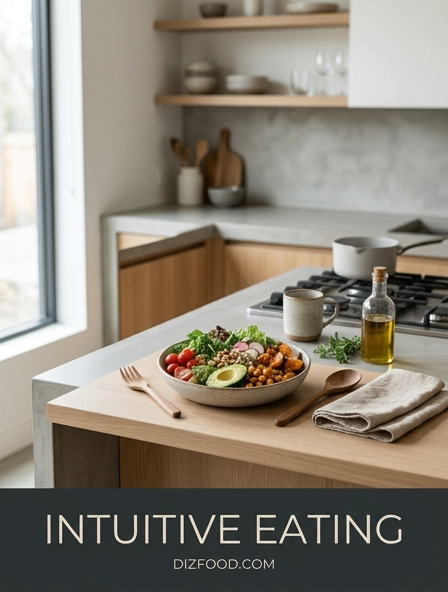
Defining Biological Hunger vs Emotional Cravings
Biological hunger is a physiological response signaling the body's need for fuel. It typically manifests gradually, providing physical cues such as a hollow feeling in the stomach, growling, or a subtle dip in concentration levels. Because it is driven by a genuine caloric deficit, it is usually satisfied by a wide range of food groups. On the other hand, emotional cravings are often sudden and urgent. They are frequently triggered by psychological states like stress, loneliness, or frustration rather than a physical requirement for energy. These cravings tend to be highly specific, often targeting foods rich in sugar or fat.
To distinguish between the two, consider these key differences:
- Biological hunger develops slowly over hours; emotional craving strikes in an instant.
- Biological hunger is felt below the neck; emotional craving is felt in the mind.
- Biological hunger can wait; emotional craving feels like an emergency.
- Biological hunger ceases once full; emotional craving often leads to mindless overconsumption.
Understanding these nuances is the first step in the intuitive eating journey within your kitchen, allowing you to respond to your body's true requirements with clarity.
The Role of the Hunger Satiety Scale
The Hunger-Satiety Scale is a foundational tool in intuitive eating, designed to help individuals reconnect with their internal biological signals. It typically utilizes a 1-to-10 scale to quantify the level of fullness or hunger at any given moment. By checking in with this scale before, during, and after meals, you can prevent the cycle of extreme hunger and uncomfortable overfullness. The goal is generally to begin eating when you reach a 3 or 4 and to stop when you reach a 6 or 7.
| Level | Description |
|---|---|
| 1-2 | Ravenous, weak, or dizzy; extreme hunger. |
| 3-4 | Ready to eat; stomach is growling. |
| 5-6 | Neutral to comfortably satisfied; no longer hungry. |
| 7-8 | Full and slightly heavy; perhaps one bite too many. |
| 9-10 | Painfully full; physically uncomfortable. |
Using this scale in the kitchen encourages a mindful approach to serving sizes and meal timing, ensuring that eating remains a balanced response to physical needs rather than a reactive habit.
Mindful Meal Prep for Better Awareness
Mindful meal preparation transforms the kitchen into a space of sensory awareness rather than a chore-driven environment. When you engage all five senses during the cooking process, you begin the digestive phase known as the cephalic phase. This mental preparation allows your brain to register the upcoming meal, which can significantly enhance satiety once you actually sit down to eat. Instead of rushing through chopping and sautéing, focus on the vibrant colors of fresh produce and the aromatic shift when spices hit a hot pan.
Practice these steps during your next prep session:
- Observe the textures of raw ingredients as you wash and slice them.
- Listen to the sounds of the kitchen, from the simmer of a pot to the rhythm of the knife.
- Inhale the steam and aromas to stimulate your appetite naturally.
- Acknowledge the effort and care put into the nourishment you are creating.
This deliberate connection to food fosters a deeper appreciation for the meal, making it easier to eat intuitively and recognize when you have had enough.
Recognizing Physical Satiety Signals Early
Recognizing the early signs of satiety is a skill that requires practice, especially in a world of "clean plate" mentalities. Satiety is not just the absence of hunger; it is a subtle shift in how food tastes and how your body feels. Often, the first sign of being finished is the "satiety sigh," a deep involuntary breath that occurs when the stomach begins to expand and signal the brain. Another indicator is a decline in the intensity of flavor; the first few bites of a meal are usually the most flavorful, and as you become full, the food may start to taste less exciting.
To better catch these signals, try these techniques:
- Put your utensils down between bites to slow the pace of the meal.
- Midway through the plate, pause for thirty seconds to assess your current fullness level.
- Notice if you are still eating because the food is there or because you are still hungry.
By honoring these early signals, you respect your body's limits and avoid the lethargy that follows overeating.
Kitchen Environments That Support Intuitive Eating
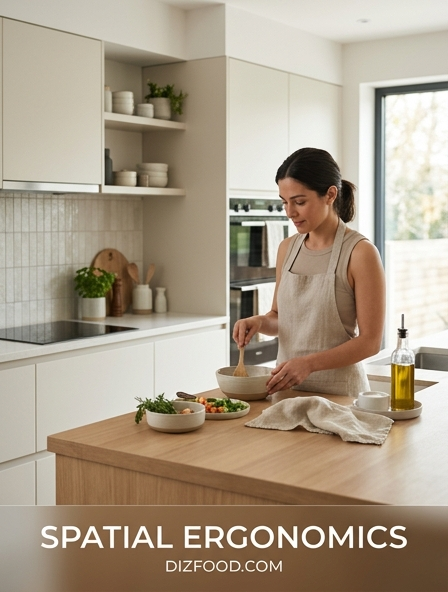
The physical layout and atmosphere of your kitchen play a significant role in your ability to eat intuitively. A cluttered, chaotic kitchen can trigger stress, which often leads to mindless snacking or emotional eating. Conversely, a kitchen designed for mindfulness encourages intentional choices. Accessibility is key; placing nutrient-dense foods like fruit, nuts, and whole grains in plain sight makes them the "path of least resistance" when genuine hunger strikes. Clear countertops and a dedicated eating space free from digital distractions help maintain focus on the meal at hand.
Consider the following environmental adjustments:
- Use transparent containers for leftovers so you can easily see your options.
- Create a "calm zone" at the dining table where phones and laptops are prohibited.
- Keep high-quality seasonings and oils within reach to make cooking more enjoyable.
- Ensure adequate lighting to better appreciate the visual appeal of your food.
A supportive environment reduces the mental load of decision-making, allowing your internal cues to take the lead.
The Science of Ghrelin and Leptin
Intuitive eating is deeply rooted in the biological interplay of two primary hormones: ghrelin and leptin. Ghrelin, often called the "hunger hormone," is produced in the stomach and signals the brain that it is time to eat. Its levels rise before meals and fall shortly after. Leptin, produced by fat cells, is the "satiety hormone" that tells the brain you have enough energy stored and can stop eating. In a balanced system, these hormones work in harmony to regulate weight and energy expenditure.
However, several factors can disrupt this delicate balance:
- Sleep Deprivation: Lack of sleep increases ghrelin and decreases leptin, leading to intense cravings.
- Chronic Stress: High cortisol can override leptin signals, making it harder to feel full.
- Dieting: Prolonged restriction can cause ghrelin levels to remain elevated, triggering a survival-based drive to overeat.
By eating intuitively and avoiding extreme restriction, you help stabilize these hormonal pathways, making it easier to trust your body's natural signals for hunger and fullness.
Mindful Portions Through Conscious Kitchen Planning
In intuitive eating, portion sizes are determined by internal hunger rather than external rules. However, conscious kitchen planning can help you serve yourself in a way that promotes awareness. One effective strategy is the "plating method," where you serve your meal in the kitchen and then move to a designated eating area. This creates a natural pause if you want seconds, allowing you to check in with your hunger scale before automatically refilling your plate. Using appropriately sized dinnerware can also prevent the visual illusion that a satisfied portion is "too small."
Helpful planning habits include:
- Serving salads or vegetables first to enjoy their textures while most hungry.
- Storing large bulk purchases in smaller, manageable containers to avoid mindless pouring.
- Keeping serving spoons off the dinner table to encourage intentional second helpings.
These practices aren't about restriction; they are about creating moments of reflection. By removing the "autopilot" of eating, you gain the opportunity to decide if you truly need more food to reach a state of comfortable satisfaction.
Identifying True Physical Hunger Triggers
Identifying true physical hunger requires stripping away the external triggers that often prompt us to eat. In a kitchen environment, we are bombarded with cues: the smell of fresh bread, the sight of a colorful package, or even the time on the clock. While these can stimulate appetite, they do not always indicate a biological need for nutrients. Physical hunger triggers are internal and often follow a predictable pattern of physical sensations that grow over time if ignored.
Common physical hunger indicators include:
- A distinct "emptiness" or gurgling in the stomach.
- A noticeable drop in physical or mental energy.
- Irritability or a "hangry" feeling caused by fluctuating blood sugar.
- A slight headache or difficulty focusing on complex tasks.
When you feel the urge to eat, take a moment to breathe and scan your body. If the sensation is located in your mouth or mind (a "taste" for something) rather than your stomach or energy levels, it may be an external trigger. Learning to recognize these triggers helps you provide your body with what it actually needs.
Building Sustainable Eating Habits Without Restriction
Sustainable eating is built on the principle of unconditional permission to eat. When we categorize foods as "good" or "bad," we create a cycle of deprivation and subsequent binging. In an intuitive kitchen, all foods have a place. By removing the "forbidden" status of certain items, they lose their obsessive power over our thoughts. This approach encourages a "gentle nutrition" mindset where you choose foods that make your body feel physically good while also satisfying your taste buds and cultural preferences.
To build these habits, consider the following:
- Stock your pantry with a variety of foods, including both "nutrient-dense" and "play" foods.
- Focus on adding variety (like fiber or protein) rather than subtracting ingredients.
- Practice "body neutrality" by noticing how different foods affect your energy and digestion.
Long-term success comes from a place of self-care, not self-control. When you trust that food will always be available, the urgency to overeat diminishes, leading to a natural and sustainable balance that lasts a lifetime without the need for diets.
Integrating Mindful Nutrition Into Weekly Planning
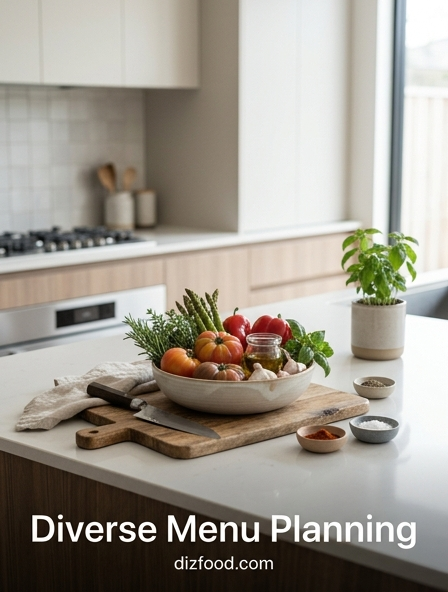
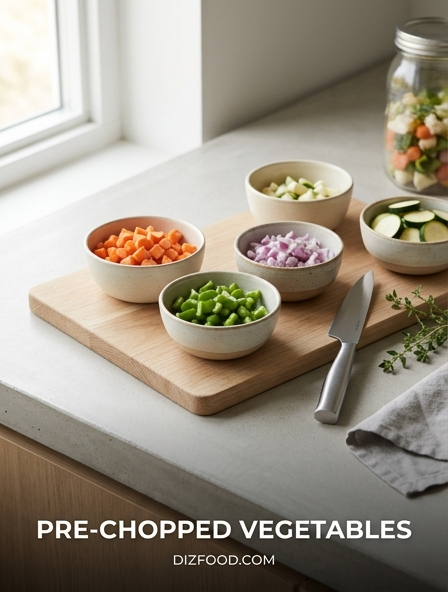
Integrating mindful nutrition into your weekly kitchen routine involves moving away from rigid meal plans and toward flexible frameworks. Traditional meal planning often fails because it doesn't account for how our tastes or hunger levels might change by Thursday or Friday. Instead, try "component prepping." This involves preparing versatile bases-like roasted vegetables, a batch of grains, or a protein-that can be assembled in different ways based on what you are craving in the moment.
| Component | Flexible Options |
|---|---|
| Grains | Quinoa, brown rice, or sourdough bread. |
| Proteins | Roasted chicken, beans, tofu, or eggs. |
| Fats/Sauces | Avocado, pesto, tahini, or olive oil. |
When grocery shopping, ask yourself what textures and flavors you are genuinely excited to eat this week. This inclusive approach ensures that your kitchen is stocked with items that provide both nourishment and satisfaction. By planning for flexibility, you honor your body's changing needs while ensuring you have the resources to eat well even on busy days.



Comments