
The Hidden Cost of Convenience Foods
Convenience foods are often marketed as time-savers, but they carry a substantial financial premium that many households overlook. When consumers purchase pre-packaged meals or processed snacks, they are not only paying for the raw ingredients but also for the industrial labor, extensive packaging, and marketing budgets of food corporations. These products are frequently engineered with additives to extend shelf life, which can diminish the nutritional profile compared to fresh equivalents. Over time, the cumulative expense of paying for the "service" of having food pre-assembled can inflate a monthly grocery budget by thirty to fifty percent.
- Labor markup: You pay for the factory workers' time to chop and season.
- Packaging waste: Plastic trays and individual wraps add to the unit price.
- Nutritional density: Processed items often contain fillers that offer less satiety per dollar.
- Marketing costs: Brand recognition fees are passed directly to the consumer.
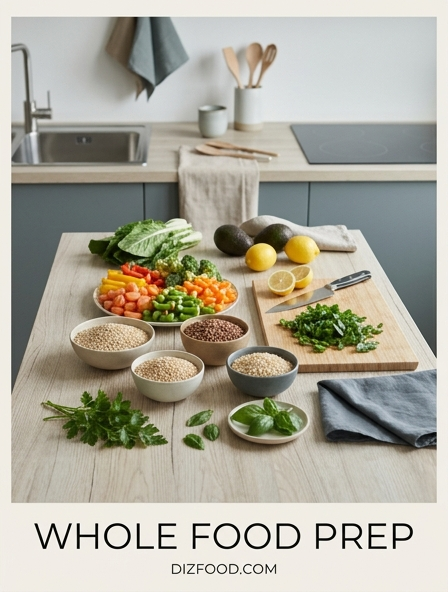
By shifting focus back to whole food preparation, the consumer reclaims these hidden margins. Investing time in basic culinary skills transforms raw, inexpensive materials into superior meals, effectively "paying yourself" the labor cost that brands would otherwise pocket. This transition requires a mindset shift from instant gratification to long-term value.
Price Comparison Whole Versus Pre Cut Produce
The discrepancy between whole vegetables and their pre-cut counterparts is one of the most visible examples of convenience pricing. Supermarkets frequently charge double or triple the price per pound for the convenience of sliced mushrooms, cubed butternut squash, or bagged salad mixes. Beyond the immediate price hike, pre-cut produce has a significantly shorter shelf life due to increased surface area exposure, leading to faster oxidation and nutrient degradation. This results in a higher likelihood of food waste, further driving up the true cost of the item.
| Item Type | Average Whole Price (lb) | Average Pre-Cut Price (lb) |
|---|---|---|
| Carrots | $0.90 | $2.50 (crinkled/peeled) |
| Pineapple | $2.00 | $5.00 (cored/chunked) |
| Potatoes | $0.80 | $3.50 (frozen/diced) |
Buying whole produce allows for greater versatility in the kitchen. A whole head of cauliflower can be transformed into steaks, rice, or florets depending on the week's menu, whereas a bag of florets limits the cook to a single preparation style. Mastering basic knife skills turns this price gap into significant annual savings.
How Bulk Buying Whole Grains Saves Money
Whole grains such as brown rice, quinoa, farro, and oats represent some of the most shelf-stable and cost-effective foundations for a healthy diet. Purchasing these items in bulk containers rather than small, branded boxes reduces the cost per serving to mere cents. Unlike refined grains or pre-seasoned "side dish" packets, bulk whole grains are sold by weight, allowing the consumer to bypass the cost of flashy cardboard packaging and localized distribution fees. This strategy is particularly effective for high-protein grains that serve as meat extenders or primary protein sources in vegetarian cooking.
- Storage longevity: Dried grains last for years when kept in airtight containers.
- Volume expansion: Most grains triple in weight once cooked, providing immense value.
- Customization: Buying plain grains allows for DIY seasoning, avoiding expensive flavor packets.
- Waste reduction: Bulk bins allow you to buy exactly the amount needed for a specific recipe.
By maintaining a rotating stock of three to four staple grains, a household can build a variety of meals around a low-cost, high-fiber base. This approach ensures that even when the fresh produce budget is tight, the kitchen remains stocked with nutritious, filling options that prevent expensive, last-minute trips to the store.
Reducing Kitchen Waste Through Strategic Prepping
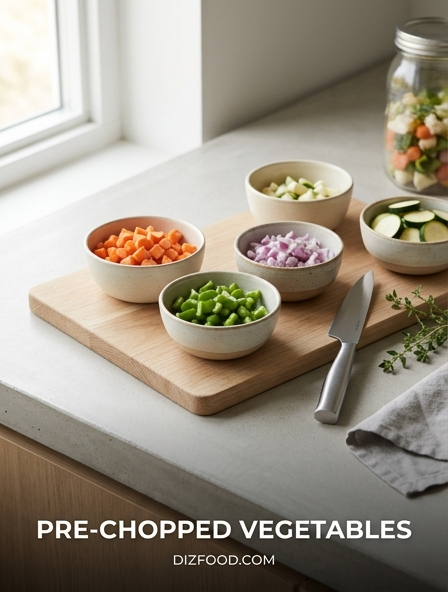
Strategic prepping is the bridge between a full refrigerator and a successful meal. One of the primary drivers of high food costs is the disposal of unused ingredients that spoil before they can be consumed. By dedicating a specific time to wash, trim, and store whole foods immediately after shopping, you extend their viability and increase the probability of their use. This "root-to-stem" philosophy encourages using every part of the plant, such as turning broccoli stalks into slaw or using herb stems to flavor stocks and broths.
- Assess the inventory and categorize items by their perishability.
- Wash and thoroughly dry leafy greens to prevent premature wilting.
- Store hardy vegetables like carrots and celery in water to maintain crispness.
- Portion out bulk purchases into transparent containers for easy visibility.
When food is prepped and visible, it removes the friction of starting a meal from scratch during a busy week. This proactive behavior reduces the temptation to order takeout, as the "hard work" of chopping and cleaning is already complete. Ultimately, reducing waste is functionally equivalent to getting a discount on every grocery trip you make.
Maximizing Your Grocery Budget With Seasonal Staples
Eating seasonally is a fundamental pillar of economical whole food preparation. When produce is in its natural harvest window, the supply is at its peak, which naturally drives prices down. Out-of-season items must be shipped from different hemispheres, incurring massive transportation and refrigeration costs that are passed to the buyer. Seasonal produce is not only cheaper but also tastes better and contains more nutrients because it hasn't spent weeks in transit. Focusing your meal planning on what is currently abundant allows you to buy in larger quantities for preservation.
- Spring: Focus on greens, asparagus, and peas for light, low-cost stir-frys.
- Summer: Take advantage of stone fruits and tomatoes for canning and freezing.
- Autumn: Utilize root vegetables and squashes that have long storage lives.
- Winter: Lean on citrus and brassicas that thrive in cooler temperatures.
By aligning your kitchen habits with the agricultural calendar, you naturally fluctuate your diet, preventing flavor fatigue. This strategy also encourages the use of local farmers' markets, where the lack of middleman distribution often results in even lower prices for high-quality, whole ingredients compared to national grocery chains.
The Financial Benefits of Scratch Cooking
Scratch cooking is the practice of producing meal components from their most basic form rather than purchasing intermediate products. Items like salad dressings, bread, pasta sauce, and stocks are notoriously marked up in retail environments. For example, a bottle of vinaigrette may cost four dollars, yet it consists primarily of oil, vinegar, and dried herbs-ingredients that cost pennies when pulled from a well-stocked pantry. Beyond the direct savings, scratch cooking provides total control over sodium, sugar, and fat content, contributing to long-term health and reduced medical expenditures.
- Vegetable Stock: Made for free using frozen kitchen scraps and water.
- Legumes: Cooking dried beans instead of canned reduces the cost per serving by 70%.
- Baking: A loaf of homemade sourdough costs a fraction of an artisanal bakery loaf.
- Sauces: Pesto, hummus, and salsa are significantly cheaper when made in a blender.
The initial investment in scratch cooking is time and knowledge. However, as these skills become habitual, the speed of preparation increases. The financial rewards are compounding; the more components you make yourself, the less you rely on expensive, processed shortcuts that deplete your monthly savings.
Building a Low Cost Pantry With Whole Foods
A robust pantry acts as an insurance policy against high food costs. By focusing on versatile, dry, and canned whole ingredients, you can create thousands of meal combinations without needing a full grocery haul every week. The key is to avoid high-priced, single-use specialty items and instead focus on "utility" ingredients that serve multiple purposes. A well-constructed pantry allows you to shop the sales for fresh items while knowing you have the base components ready at home. This reduces the frequency of shopping trips, which often correlate with impulse spending.
| Pantry Category | Essential Whole Food Items | Cost Advantage |
|---|---|---|
| Proteins | Lentils, Chickpeas, Black Beans | High satiety, low cost per gram. |
| Fats | Extra Virgin Olive Oil, Coconut Oil | Buying in liters reduces unit price. |
| Aromatics | Onions, Garlic, Shallots | Long shelf life, foundational flavor. |
Organizing the pantry by frequency of use ensures that nothing expires unnoticed. By purchasing these staples in their simplest forms, you avoid the "premium" charged for branded spice blends or pre-mixed grain pouches, keeping your baseline food expenditure remarkably low and predictable.
Batch Prepping Proteins for Maximum Value
Proteins are usually the most expensive part of a grocery bill. Maximizing their value requires a move away from individual portions toward bulk preparation. For instance, purchasing a whole chicken is significantly more economical than buying skinless, boneless breasts. By roasting the whole bird, you provide meat for multiple meals and bones for a rich stock. Similarly, preparing a large pot of dried beans or lentils at the start of the week provides a ready-to-use protein source that can be integrated into salads, soups, or tacos, ensuring no expensive protein goes to waste.
- Purchase larger formats of meat or plant proteins during sales.
- Cook the entire quantity using a neutral seasoning profile.
- Divide the cooked protein into portions for the fridge and freezer.
- Repurpose the protein into different cuisines throughout the week.
This method not only saves money through bulk purchasing but also saves energy costs by using the oven or stove only once. It eliminates the "decision fatigue" that often leads to expensive convenience choices on weeknights, as the most time-consuming element of the meal is already prepared and waiting in the refrigerator.
Lowering Unit Price With Whole Food Nutrition
The unit price of food is often calculated by weight, but a more effective measure for the budget-conscious cook is the cost per nutrient. Whole foods, particularly those high in fiber and complex carbohydrates, provide greater satiety than highly processed options. This means you feel full longer and require smaller portions to satisfy hunger. For example, a large bag of oats provides more breakfasts and better sustained energy than a box of sugary cereal that may cost the same amount. When you optimize for nutrition, you naturally lower the total volume of food you need to purchase.
- Fiber-rich foods like tubers and legumes regulate blood sugar and curb overeating.
- Whole fats like nuts and seeds provide dense calories and essential nutrients.
- Water-heavy vegetables add bulk to meals without adding significant cost.
By focusing on nutrient density, the "value" of every dollar spent increases. You are no longer paying for "empty calories" that leave you hungry an hour later. Instead, each purchase contributes to a functional, high-performance diet that supports overall well-being while keeping the daily cost of living manageable and sustainable over many years.
Sustainable Meal Planning to Cut Food Costs
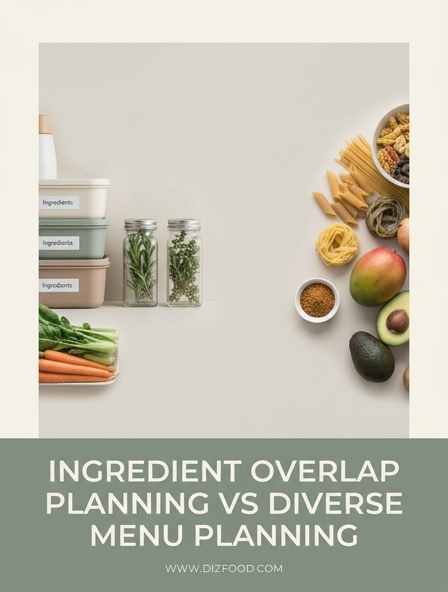
Sustainable meal planning is the final step in a whole food financial strategy. It involves creating a cycle where one meal's leftovers or components become the foundation for the next. This circular approach ensures that every scrap of food purchased is utilized. Instead of buying unique ingredients for five different recipes, a sustainable plan uses a core set of whole foods in diverse ways. For instance, a large batch of roasted root vegetables can serve as a side dish on Monday, a salad topper on Tuesday, and a blended soup base on Wednesday.
- Shop your own pantry and freezer first to see what needs using.
- Build a menu based on the weekly circular and seasonal availability.
- Write a strict list to avoid impulse purchases of high-margin items.
- Allow for a "flexible night" to use up any lingering perishables.
This discipline prevents the "lost ingredients" syndrome, where small amounts of produce are forgotten in the crisper drawer. When your meal plan is built around the reality of your schedule and your current inventory, the kitchen becomes a center of efficiency rather than a source of waste and unnecessary expenditure.




Comments