
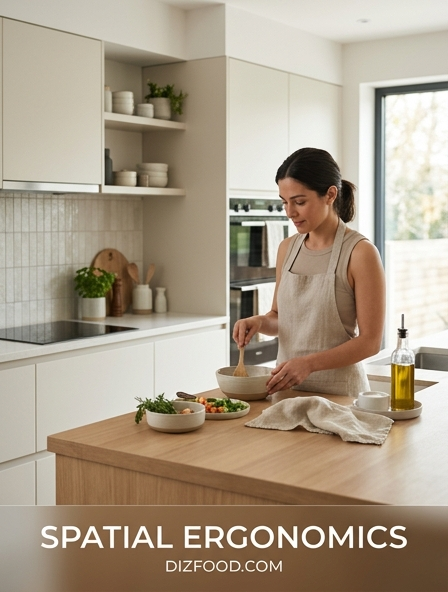
Transforming your kitchen into a high-efficiency hub starts with integrating advanced spatial ergonomics into your daily culinary workflow. By thoughtfully organizing your prep zones and optimizing the "work triangle," you can minimize physical strain and significantly reduce the time spent on repetitive tasks. Effective spatial planning isn't just about the physical layout; it's about aligning your storage and movement patterns with your specific cooking style to create a seamless, professional experience. Whether you are managing a compact apartment kitchen or a spacious suburban layout, tailoring your approach ensures every meal is prepared with ease and precision. Understanding these dynamics is essential when comparing Solo Diner Planning Vs Large Family Planning to maximize your kitchen's true potential.
Optimizing Kitchen Work Triangles for Seamless Movement
The concept of the kitchen work triangle remains a cornerstone of spatial ergonomics, focusing on the primary path between the refrigerator, the sink, and the cooktop. To achieve seamless movement, the sum of the three sides of the triangle should ideally fall between 13 and 26 feet. This ensures that the workstations are close enough to be efficient but far enough apart to avoid crowding. Proper optimization prevents unnecessary steps and reduces physical exertion during high-intensity meal preparation.
Beyond distance, the clearance of the paths is vital for maintaining a functional flow. Obstacles like kitchen islands or protruding appliance handles can disrupt the rhythm of a chef. Designers must ensure that the legs of the triangle do not intersect with high-traffic household thoroughfares. Key considerations for a successful layout include:
- Maintaining a minimum of 4 feet between work centers for single-cook kitchens.
- Expanding clearances to 5 feet for multi-cook environments to prevent collisions.
- Ensuring no major traffic path crosses through the established triangle.
- Placing the sink central to both the cooking and storage zones for maximum utility.
Strategic Zone Mapping for Efficient Meal Preparation
Modern kitchen design has evolved from simple triangles to sophisticated zone mapping. By categorizing the kitchen into five distinct activity centers, users can minimize cross-room travel and streamline their culinary processes. These zones-Consumables, Non-consumables, Cleaning, Preparation, and Cooking-organize tools and ingredients based on where they are used most frequently. Strategic mapping ensures that the items required for a specific task are within an immediate arm's reach.
The following table illustrates the ergonomic distribution of items within these primary zones to enhance workflow efficiency:
| Zone Type | Primary Function | Key Items Stored |
|---|---|---|
| Preparation | Chopping and mixing | Knives, boards, bowls, spices |
| Cleaning | Washing and waste | Sink, dishwasher, bins, soap |
| Cooking | Thermal processing | Pots, pans, oils, utensils |
By clustering these functions, the kitchen becomes an intuitive environment where the user spends less time searching and more time executing complex recipes with precision.
Integrating Advanced Ergonomics into Cabinetry Design
Cabinetry is no longer just a storage solution; it is a critical component of physical well-being. Traditional base cabinets with static shelving often require deep bending and awkward reaching, which can lead to musculoskeletal strain over time. Advanced ergonomic cabinetry prioritizes accessibility and visibility through the use of full-extension drawers and pull-out mechanisms. These features bring the contents to the user, eliminating the need to kneel or search in dark corners.
Vertical ergonomics are equally important for upper cabinetry. Modern designs often incorporate lift-up doors rather than swinging hinges, which keep the workspace open and reduce the risk of head injuries. To further enhance the user experience, designers focus on the following features:
- Touch-to-open technology for hands-free access during messy tasks.
- Corner carousels or "Magic Corners" to reclaim otherwise dead space.
- Integrated lighting within drawers to improve item identification.
- Adjustable shelving heights to accommodate varying appliance sizes.
Streamlining Culinary Workflows with Modular Storage
Modular storage systems provide the flexibility needed to adapt a kitchen to the specific habits of its users. Unlike fixed cabinetry, modular components allow for the reorganization of interior spaces as needs change. This adaptability is essential for maintaining an ergonomic workflow, as it allows frequently used tools to remain in the "golden zone"-the area between the shoulders and the waist where movement is most natural and least taxing.
To implement an effective modular strategy, one should follow a logical progression of organization:
- Audit all culinary tools and categorize them by frequency of use.
- Install adjustable dividers to prevent the shifting of items within drawers.
- Utilize vertical peg systems for secure and accessible dish storage.
- Implement tiered inserts for spices and small containers to maximize visibility.
This systematic approach ensures that every square inch of storage is optimized, reducing the cognitive load of searching for equipment and allowing the cook to maintain a steady, uninterrupted rhythm during the meal preparation process.
Smart Inventory Systems for Proactive Meal Planning
Spatial ergonomics extends beyond physical movement into the realm of cognitive efficiency and inventory management. A smart inventory system reduces the mental fatigue associated with meal planning by ensuring that all ingredients are visible and reachable. Transparent storage containers, pull-out pantry racks, and shallow shelving prevent the "lost at the back" phenomenon, which often leads to food waste and unnecessary shopping trips. By arranging consumables according to their use-by dates and frequency of use, the user can navigate the kitchen with greater confidence.
Modern technology has further refined this process through the integration of digital tracking and smart sensors. These systems can alert users when staples are low or provide recipe suggestions based on available stock. When inventory is logically mapped to the preparation zone, the transition from planning to execution becomes nearly instantaneous. This proactive approach minimizes the time spent standing at an open refrigerator and allows for a more focused, enjoyable cooking experience that prioritizes health and resourcefulness.
Enhancing Prep Station Functionality through Spatial Design
The preparation station is the most active area of the kitchen, requiring careful attention to spatial design to ensure safety and efficiency. Ideally located between the sink and the stove, this area needs a minimum of 36 inches of continuous counter space. Ergonomic prep stations are designed to support a variety of tasks, from delicate knife work to heavy-duty kneading, each requiring different heights and clearances. A well-designed station reduces the need for pivoting and reaching, keeping the user centered and balanced.
To maximize the functionality of this zone, consider the integration of the following ergonomic elements:
- Integrated waste chutes for immediate disposal of organic scraps.
- Dedicated task lighting positioned to eliminate shadows on the cutting surface.
- Nearby access to water for quick rinsing of produce and hands.
- Built-in knife blocks or magnetic strips to keep blades safely at hand.
By refining the spatial layout of the prep zone, the user can maintain better posture and focus, significantly reducing the physical toll of long-form cooking and repetitive movements.
Ergonomic Appliance Placement for Maximum Utility
The placement of appliances significantly dictates the physical strain experienced during kitchen tasks. Placing ovens at eye level prevents the need for deep bending when handling heavy, hot dishes, while elevating the dishwasher by just 6 to 10 inches can drastically reduce back strain during loading and unloading. Every appliance should be positioned relative to its primary function and the physical capabilities of the household members, ensuring that the most frequent interactions are the most comfortable.
| Appliance | Ideal Ergonomic Position | Benefit |
|---|---|---|
| Wall Oven | Chest height | Reduces spinal flexion |
| Microwave | Between 36" and 54" high | Safe reach for all ages |
| Dishwasher | Adjacent to the sink | Minimizes floor dripping |
Furthermore, door swing directions must be analyzed to ensure they do not block walkways or interfere with adjacent cabinetry. Clearances should allow for full appliance opening while leaving enough room for a person to stand comfortably in front of the unit.
Reducing Physical Fatigue with Optimized Counter Heights
Standard counter heights of 36 inches do not fit every user or every task, leading to shoulder tension and lower back pain. To reduce physical fatigue, a kitchen should ideally offer varied work surface heights tailored to specific activities. For instance, a lower surface is better for tasks requiring leverage, such as kneading dough, while a higher surface is preferable for precision tasks like decorating or fine chopping. Matching the counter height to the user's elbow height is the most effective way to ensure long-term comfort.
When planning a multi-height kitchen, consider these ergonomic benchmarks:
- Measure the primary cook's elbow height to determine the baseline work surface.
- Lower a section of the counter by 3 to 4 inches for heavy-duty mixing tasks.
- Raise a section for use as a breakfast bar or for taller individuals.
- Ensure ample toe-kick space at the base of all counters to allow the user to stand closer to the work.
These adjustments promote a neutral spine position, allowing the user to work for longer periods without the onset of fatigue or discomfort.
Synchronizing Grocery Logistics and Kitchen Layouts
The ergonomic flow of a kitchen begins the moment groceries enter the home. A synchronized layout considers the path from the garage or entryway to the pantry and refrigerator. Placing the storage zone near the entrance minimizes the distance heavy bags must be carried. Once at the storage area, a "landing station"-an empty stretch of countertop-is essential for sorting and unpacking items before they are placed in their permanent locations. This transitional space prevents clutter and reduces the physical stress of repetitive lifting.
Effective grocery logistics also involve the internal organization of storage units to support efficient unloading:
- Heavier items should be stored at waist level to avoid overhead lifting.
- Frequently used staples should be placed at the front of the pantry.
- Bulk items should have dedicated lower-level pull-outs for easy access.
- The refrigerator should be positioned so that the door opens away from the landing area.
By treating grocery replenishment as the first step of the culinary workflow, the entire kitchen experience becomes more organized and physically sustainable.
Future-Proofing Kitchen Workspaces for Modern Cooking
Future-proofing a kitchen involves designing for longevity, accessibility, and the integration of evolving technologies. As households age, the importance of universal design increases, necessitating wider walkways, lever-style faucets, and motorized cabinetry that adjusts to various heights. A future-proofed space is inherently flexible, allowing for the easy addition of smart appliances or specialized workstations as culinary trends shift. This forward-thinking approach ensures that the kitchen remains a functional and safe environment for all users, regardless of their physical ability or technological requirements.
Sustainability also plays a key role in modern ergonomic design. This includes the spatial integration of multi-stream recycling centers and energy-efficient lighting systems that reduce eye strain. By prioritizing durable materials and adaptable layouts, homeowners can create a workspace that survives the test of time. Ultimately, a future-proofed kitchen is one that balances current ergonomic needs with the foresight to accommodate the changing dynamics of home life, ensuring that the heart of the home remains both productive and inviting for decades to come.



Comments