
Deciding between a sleek smartphone app and a classic tactile notebook can revolutionize your weekly kitchen workflow and help you master the art of meal prep. Digital meal planners offer modern conveniences like instant recipe importing and automated grocery list syncing, making them ideal for tech-savvy families who need to coordinate schedules across multiple devices. Conversely, paper planners provide a distraction-free, sensory experience that fosters creativity and allows for quick, handwritten adjustments without the glare of a screen or the need for an internet connection. Choosing the right tool for seamless kitchen prep ultimately hinges on your personal preference for tech-driven efficiency versus the grounded, reliable nature of traditional pen and paper.
| Feature | Digital Meal Planners | Paper Meal Planners |
|---|---|---|
| Accessibility | Cloud-sync; accessible on phone, tablet, or PC anywhere. | Static; usually kept in a single physical kitchen location. |
| Grocery Integration | Automated lists with 1-click sorting by aisle. | Manual transcription required from plan to paper list. |
| User Experience | Interactive; includes notifications and timers. | Tactile; zero blue light and no battery requirements. |
| Data Management | Searchable recipe databases and calorie tracking. | Visual/spatial layout; relies on physical bookmarks. |
| Setup Speed | Initial learning curve for apps and account creation. | Instant; start writing as soon as you have a pen. |
| Cost & Longevity | Subscription-based or free; updates automatically. | One-time purchase; becomes a physical heirloom/archive. |
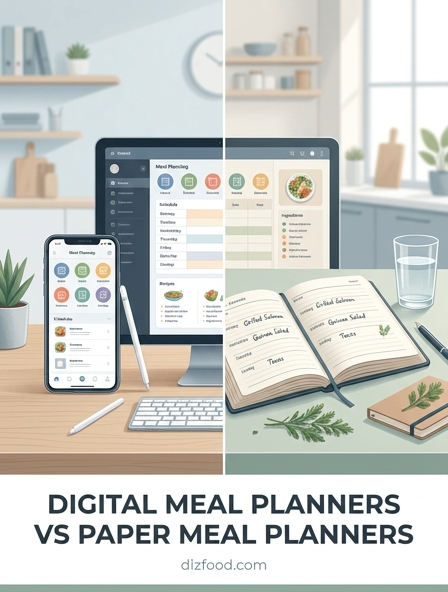
Digital Versus Paper Meal Planning The Great Debate
In the modern kitchen, the method by which a household organizes its weekly sustenance has become a point of significant debate. For decades, the handwritten list pinned to the refrigerator was the gold standard of domestic organization. It served as a centralized hub where family members could see what was for dinner, contributing to a sense of predictability and shared expectation. However, the rise of the smartphone and specialized software has introduced a high-tech alternative that challenges the supremacy of the physical notebook. This debate is not merely about ink versus pixels; it is about how we interact with our food, our time, and our domestic spaces.
Advocates for digital systems point to the sheer speed and data-handling capabilities of modern apps. They argue that in an era where we are constantly on the move, having a meal plan that lives in the cloud is a necessity rather than a luxury. Conversely, proponents of paper planning argue that the kitchen is one of the few remaining sanctuaries from the constant "ping" of digital notifications. They view the act of physically writing down a menu as a grounding ritual that fosters a deeper connection to the culinary process. As we navigate this divide, it becomes clear that both methods offer unique advantages tailored to different personality types and household dynamics. The choice often reflects a broader philosophical stance on how technology should-or should not-interfere with the most fundamental human activity: nourishment.
Efficiency and Automation Benefits of Digital Planners
Digital meal planners have revolutionized the way busy individuals approach the kitchen by removing the most tedious aspects of organization. One of the primary advantages of these platforms is the ability to automate the transition from recipe selection to shopping list creation. When you select a digital recipe, the software can instantly parse the ingredients and add them to a sorted list, often categorized by grocery store aisles. This eliminates the human error associated with forgetting a crucial spice or staple, significantly reducing the need for multiple mid-week trips to the store.
- Recipe Scraping: Most apps allow users to "clip" recipes from any website, automatically stripping away the blog narrative to leave only the ingredients and instructions.
- Calendar Syncing: Digital plans can be integrated with Google or Outlook calendars, ensuring that meal prep times do not clash with late work meetings or social engagements.
- Inventory Tracking: Advanced digital tools allow users to track what is currently in their pantry, suggesting meals based on what needs to be used before it expires.
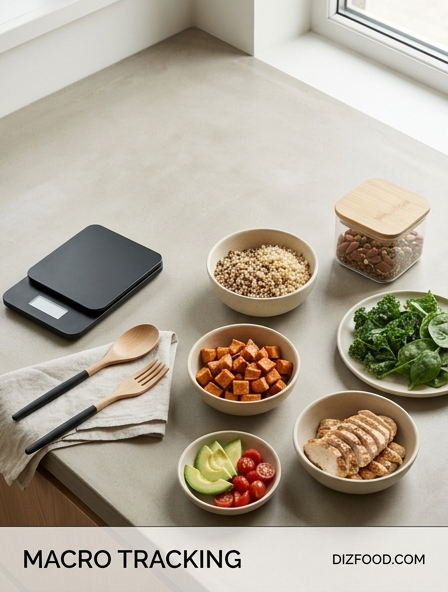
- Macro Tracking: For those with specific health goals, digital planners can automatically calculate caloric intake and nutritional breakdowns for every meal scheduled.
Furthermore, the ability to duplicate previous weeks with a single click allows for the creation of "rotating menus," which can save hours of planning over the course of a month. This level of efficiency is simply impossible to replicate with a pen and paper, making digital tools the preferred choice for those who view meal planning as a logistical challenge to be solved with precision.
The Tangible Joy of Traditional Paper Meal Journals
Despite the rise of sophisticated software, there remains a profound, tactile joy in the use of traditional paper meal journals. There is a psychological satisfaction derived from the resistance of a pen against a high-quality page that a touchscreen cannot mimic. For many, the kitchen is a creative space, and a paper journal functions as a canvas for culinary inspiration. These journals often become more than just lists; they evolve into domestic archives, capturing the flavors of a specific season in a family's life. The sight of a coffee-stained page or a handwritten note about adding "extra garlic next time" provides a human touch that feels authentic and personal.
Beyond the aesthetic appeal, paper planners offer a level of focus that digital devices often disrupt. When you open a physical book, there are no social media notifications or work emails vying for your attention. This allows the cook to immerse themselves fully in the act of planning, treating it as a moment of quiet reflection rather than another task to be "swiped away." Furthermore, a paper planner serves as a permanent physical record. Years later, one can flip through an old journal and remember the specific meals prepared for birthdays, holidays, or quiet rainy Tuesdays. This sense of lineage and history turns a simple organizational tool into a cherished kitchen heirloom, grounding the family in its own unique food culture and traditions.
Comparing Accessibility Mobile Apps Versus Kitchen Planners
Accessibility is a critical factor when deciding how to manage kitchen logistics. The primary difference lies in where the information lives and who can interact with it at any given moment. Digital planners offer "anywhere" accessibility, while paper planners offer "immediate" accessibility within the home environment. Below is a comparison of how these two formats perform across various accessibility metrics:
| Feature | Digital Mobile Apps | Physical Kitchen Planners |
|---|---|---|
| Location | Cloud-based; accessible on any device. | Fixed; usually on the fridge or counter. |
| Multi-User Editing | Real-time updates for all family members. | One person writes at a time. |
| Battery Required | Yes; useless if the phone is dead. | No; always "on" and readable. |
| Visual Presence | Hidden behind a lock screen. | Constant visual reminder in the room. |
| Grocery Store Use | Highly portable in your pocket. | Requires bringing the whole book or a scrap. |
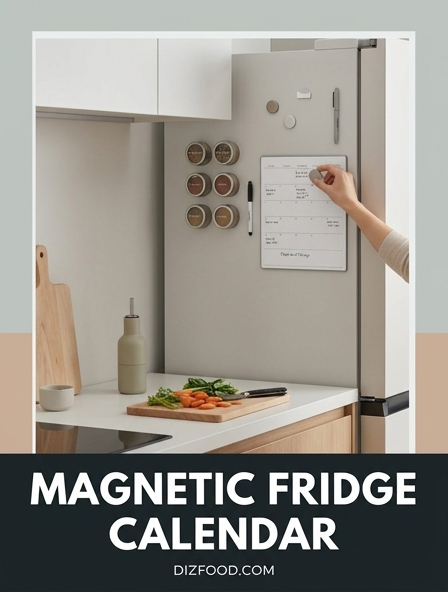
The "always-on" nature of a paper planner pinned to a refrigerator means that every member of the household, including children who may not have phones, can see what is happening. Conversely, the mobile app excels when you find yourself at the store unexpectedly and need to check if you have the ingredients for a specific dish. The choice depends on whether you prioritize visibility within the home or portability outside of it.
Cost Analysis Physical Planners Versus App Subscriptions
When evaluating the financial impact of meal planning methods, the comparison often boils down to a one-time investment versus an ongoing operational cost. Physical planners can range from a simple $2 spiral notebook to a $50 designer leather-bound culinary journal. Regardless of the price point, the cost is static. Once purchased, the paper planner requires no further investment other than the occasional pen. For budget-conscious households, this predictability is a significant advantage, as it avoids the "subscription creep" that characterizes much of modern life.
On the other hand, the digital landscape is divided between free ad-supported apps and premium subscription-based services. While free apps cost nothing upfront, they often come with the annoyance of intrusive advertisements or the "cost" of data privacy. Premium meal planning apps usually charge between $5 and $15 per month. Over several years, this can add up to hundreds of dollars. However, proponents argue that the time saved through automation and the money saved by reducing food waste more than compensates for the subscription fee. If an app helps you avoid just one $40 takeout order per month by making home cooking easier, it has technically paid for itself. Ultimately, the cost analysis should factor in both the literal price tag and the theoretical value of the time and food waste saved by the chosen system.
How Writing Your Meal Plan Improves Mindfulness
The act of writing by hand has been scientifically linked to better memory retention and increased cognitive engagement. In the context of the kitchen, this translates to a more mindful approach to nutrition and consumption. When you physically write down "Roasted Root Vegetables," your brain processes the intent more deeply than if you were to simply tap a digital button. This intentionality encourages a slower, more thoughtful consideration of what you are putting into your body and the effort required to prepare it.
Mindfulness in meal planning also involves being present with the seasons and the current state of your pantry. Using a paper system often encourages the following mindful habits:
- Slower Decision Making: You are less likely to mindlessly click recipes and more likely to think about how flavors will pair together.
- Reduced Screen Fatigue: Planning on paper provides a much-needed break from the blue light that dominates our work and social lives.
- Kinetic Connection: The physical movement of the hand helps anchor the planner in the "here and now," reducing anxiety about the upcoming week.
- Gratitude Practice: Many journals include space for notes, allowing you to record what you enjoyed about a meal, fostering a sense of appreciation for your food.
By removing the distractions of the digital world, paper planners allow for a meditative space where the cook can align their kitchen activities with their personal values. This leads to less impulsive grocery shopping and a more harmonious relationship with the daily task of meal preparation.
Integrating Grocery Lists With Digital Planning Tools
The strongest argument for digital planning is the seamless integration between the "plan" and the "purchase." Modern planning tools do not just store recipes; they act as a bridge to the grocery store. Most high-end apps feature a "smart" list that recognizes ingredients and groups them by department. For instance, if you plan three different meals that require onions, the app will automatically aggregate them into a single line item, ensuring you don't buy three separate bags. This level of logistical coordination is difficult to achieve on paper without significant mental math and cross-referencing.
Furthermore, digital integration allows for collaborative shopping. Many apps sync in real-time across multiple accounts. If one partner is at the grocery store and the other is at home, the person at home can add an item to the list and it will instantly appear on the shopper's phone. Some apps go even further by integrating with grocery delivery services. With a single tap, your entire weekly meal plan can be converted into a shopping cart at a local supermarket and scheduled for delivery to your doorstep. This integration eliminates the friction points that often lead to "planning failure," making it an indispensable tool for those with complex schedules or large families where communication is key to maintaining a well-stocked pantry.
Durability and Longevity of Paper Versus Digital Records
In the humid, high-activity environment of a kitchen, durability is a major concern. Both paper and digital records face unique threats to their longevity. A paper journal is susceptible to physical damage: grease splatters, water spills, and the general wear and tear of being handled by flour-covered hands. However, many cooks argue that these "scars" add character to the book. A stained page is a sign of a recipe that has been loved and used. Conversely, digital devices are remarkably fragile in a kitchen setting. A single drop of water in the wrong place or a fall onto a tile floor can result in the total loss of the device and the data stored within it.
| Risk Factor | Paper Journals | Digital Devices |
|---|---|---|
| Spills/Stains | Damages appearance but remains readable. | Can cause total hardware failure. |
| Data Loss | Physical loss (fire/misplacement). | Server outages or forgotten passwords. |
| Technological Obsolescence | None; paper works forever. | Apps can be discontinued or unsupported. |
| Searchability | Manual flipping through pages. | Instant keyword search capability. |
While digital records are easier to search and back up to the cloud, they are reliant on the stability of the software provider. If an app company goes out of business, years of meal plans can vanish overnight. A paper journal, however, requires no electricity and no internet connection, making it a more robust long-term archive for those who want their culinary history to survive for decades.
Eco Friendly Meal Planning Sustainable Choices for Your Kitchen
Sustainability is an increasingly important factor in kitchen management. Both digital and paper methods have environmental footprints that should be considered. Paper planners, if not sourced responsibly, contribute to deforestation and the waste stream. To mitigate this, many planners are now made from recycled materials or FSC-certified paper. Additionally, once a paper planner is full, it can often be recycled, provided it doesn't have plastic binders or heavy coatings. The primary environmental "cost" of paper is in the production and transport of the physical object.
Digital planning is often marketed as the "green" alternative because it is paperless. However, the environmental impact of digital tools is less visible but equally significant. Smartphones and tablets require the mining of rare earth minerals and produce substantial electronic waste at the end of their lifespans. Furthermore, the servers that host "the cloud" consume massive amounts of electricity for cooling and operation. When deciding which is more eco-friendly, one must weigh the continuous, low-level waste of paper against the periodic, high-impact waste of electronic hardware. For the truly eco-conscious, a hybrid approach-such as using a chalkboard or a reusable dry-erase board-offers a middle ground that eliminates the need for both paper and power, providing a sustainable way to keep the kitchen organized without a heavy environmental toll.
Choosing the Best Planning Method for Your Lifestyle
Ultimately, the "best" meal planning method is the one that you will actually use consistently. The decision should be based on your personal workflow, your household's technological literacy, and your specific kitchen goals. If you find yourself overwhelmed by the technicalities of life and crave a simpler, more tactile experience, the paper journal is likely your best ally. It provides a sanctuary from screens and a beautiful record of your life. However, if your life is a whirlwind of appointments and you struggle with organization, the automation and synchronization of a digital app can provide the structure you need to succeed.
To choose the right path, consider the following steps:
- Assess Your Hardware: Do you already have a tablet or phone you enjoy using in the kitchen, or do screens feel like an intrusion?
- Evaluate Your Household: Does everyone need to see the plan at all times? A fridge-mounted paper list is often better for families with young children.
- Test the Friction: Try a free app for one week and a simple notebook for the next. Note which one felt like a chore and which one felt like a relief.
- Consider a Hybrid: Many successful planners use a digital app for grocery lists but write the final weekly menu on a kitchen chalkboard for visibility.
By aligning your planning method with your natural habits, you transform meal planning from a burdensome task into a supportive rhythm that enhances your culinary life and brings order to the heart of your home.

Comments