
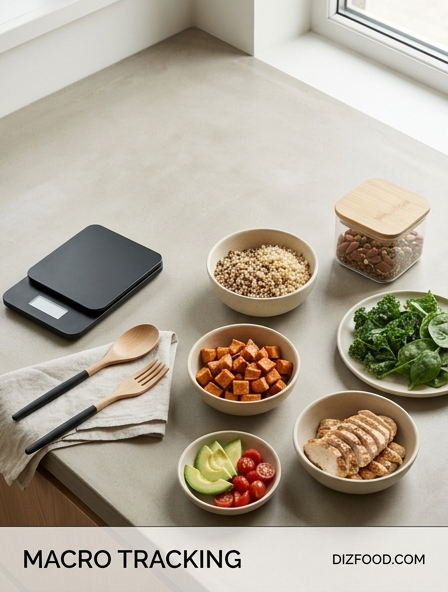
Tracking Macros for Body Recomposition
Body recomposition focuses on the simultaneous loss of body fat and the gain of lean muscle mass. This delicate physiological balance requires a strict adherence to macronutrient ratios rather than just total caloric intake. In the kitchen, this translates to a data-centric approach where every gram of protein, carbohydrate, and fat is accounted for to support metabolic health. Protein remains the cornerstone of this process, providing the necessary amino acids for muscle repair, while fats and carbohydrates are cycled to fuel workouts and maintain hormonal balance.
- Protein: Supports muscle protein synthesis and satiety.
- Carbohydrates: Provides glycogen for high-intensity training.
- Fats: Regulates hormones and facilitates fat-soluble vitamin absorption.
- Fiber: Enhances digestion and stabilizes blood sugar levels.
Success in recomposition is found in the consistency of these logs. By maintaining a narrow margin of error, individuals can ensure they are eating enough to build tissue without a caloric surplus large enough to store fat. Utilizing digital tracking apps allows for real-time adjustments based on daily activity levels, ensuring the kitchen remains a laboratory for physical transformation.
Precise Portion Control and Scale Metrics
The most common pitfall in macro tracking is the reliance on volume-based measurements like cups and spoons. These methods are inherently inaccurate due to the varying density of foods. To achieve professional-level results, a digital kitchen scale is non-negotiable. Measuring in grams provides a level of precision that eliminates the "hidden calories" found in rounded tablespoons of peanut butter or loosely packed cups of rice. This metric-heavy approach ensures that the data entered into tracking software reflects actual physiological consumption.
- Place the container on the scale and press "tare" to zero out the weight.
- Add the ingredient until the precise gram target is achieved.
- Record the raw weight for proteins and grains whenever possible for maximum accuracy.
- Clean the scale surface regularly to maintain sensor sensitivity.
By shifting the mindset from "handfuls" to "grams," the cook gains absolute control over their nutritional destiny. This precision is especially critical when dealing with calorie-dense fats, where a discrepancy of just ten grams can result in a significant deviation from the daily caloric goal, potentially stalling progress for weeks.
Caloric Density and Nutritional Density Analysis
Understanding the relationship between volume and energy is vital for long-term sustainability in macro tracking. Caloric density refers to the number of calories in a given weight of food, while nutritional density refers to the micronutrient content relative to the caloric load. In a kitchen setting, optimizing for "high-volume, low-calorie" foods allows for greater satiety, making it easier to stick to a deficit or maintenance plan without experiencing hunger pangs.
| Food Category | Caloric Density | Nutritional Density |
|---|---|---|
| Leafy Greens | Very Low | Very High |
| Lean Poultry | Moderate | High |
| Whole Grains | Moderate | Moderate |
| Refined Oils | Very High | Very Low |
Analyzing these factors allows individuals to "crowd out" calorie-dense, nutrient-poor foods with options that provide more physical bulk and essential vitamins. This strategic selection ensures that while macros are being met, the body is also receiving the micronutrients necessary for recovery, immune function, and sustained energy levels throughout the day.
Smart Kitchen Tools for Data Accuracy
Modern technology has revolutionized the way we interact with ingredients. Smart kitchen tools serve as the hardware for a data-driven diet, reducing the manual labor involved in calculation and logging. Devices like Bluetooth-enabled kitchen scales can sync directly with smartphone apps, automatically updating daily totals as you prepare meals. This integration reduces the friction often associated with tracking, making it a seamless part of the cooking process rather than a secondary chore.
- Bluetooth Scales: Automatically log ingredient weights to tracking apps.
- Smart Air Fryers: Precise temperature control for consistent moisture retention in proteins.
- Digital Thermometers: Ensure meats are cooked to safety without overcooking and losing mass.
- Barcode Scanners: Rapidly identify packaged goods and import their nutritional profiles.
These tools minimize human error and provide a historical record of eating habits. When the data is accurate, troubleshooting a weight-loss plateau becomes a simple matter of reviewing the logs. The investment in smart hardware pays dividends in the form of predictable, repeatable physical results and a deeper understanding of the caloric cost of favorite recipes.
Meal Prep Systems Driven by Biofeedback
Meal prepping is often viewed as a static weekly ritual, but the most effective systems are those that respond to biofeedback. Biofeedback includes markers such as hunger levels, sleep quality, energy during workouts, and cognitive clarity. A smart meal prep system involves preparing modular components-proteins, starches, and vegetables-that can be assembled in different ratios depending on how the body feels on a specific day. This prevents the "one-size-fits-all" approach that often leads to burnout or poor performance.
- Assess energy levels and recovery status every morning.
- Adjust the ratio of carbohydrates to fats in the day's pre-portioned meals.
- Note the physiological response to different meal timings and compositions.
- Refine the following week's prep based on the collected biofeedback data.
This dynamic approach allows for flexibility within the structure of macro tracking. If a workout feels particularly grueling, one might swap a lower-carb meal for a higher-carb option prepared during the Sunday session. By listening to the body's signals and having the data-backed meals ready to go, you bridge the gap between rigid planning and intuitive eating.
Optimizing Protein Ratios with Digital Logs
Protein is the most thermogenic macronutrient and is essential for preserving lean mass during a caloric deficit. Digital logs enable users to track not just the total grams of protein, but also the distribution of that protein across the day. Research suggests that spreading protein intake across four to five meals can better stimulate muscle protein synthesis than consuming it in one or two large sittings. Digital logs provide the visual data necessary to identify gaps in protein timing.
- Aim for 25-40 grams of protein per meal to maximize synthesis.
- Track leucine-rich sources like whey, chicken, and beef.
- Monitor the ratio of plant-based vs. animal-based proteins for amino acid profiles.
- Set alerts in tracking apps to ensure protein targets are met by mid-day.
By analyzing digital logs over a month, patterns emerge. One might find that protein intake is consistently low at breakfast, leading to mid-afternoon energy crashes. Correcting this through data-driven planning ensures that the body remains in an anabolic state as much as possible, facilitating better recovery and more efficient body composition changes.
Data Driven Grocery Shopping and Inventory
The kitchen's efficiency begins at the grocery store. Data-driven shopping involves using past consumption logs to predict future needs, ensuring that the pantry is always stocked with macro-friendly essentials. This prevents impulsive "emergency" meals that are often high in fats and processed sugars. By maintaining a digital inventory, you can cross-reference your macro goals with the ingredients on hand, creating a seamless pipeline from the store to the scale.
| Staple Ingredient | Primary Macro | Shelf Life |
|---|---|---|
| Egg Whites | Protein | Short |
| Quinoa | Carbohydrate | Long |
| Avocado Oil | Fat | Long |
| Greek Yogurt | Protein/Carb | Moderate |
This systematic approach reduces food waste and financial strain. When you know exactly how many grams of chicken breast you consume per week, your shopping list becomes a precise procurement document. This level of organization ensures that the "kitchen environment" is always optimized for your goals, making the healthy choice the easiest choice available.
Quantifying Results with Weekly Weight Trending
Daily weigh-ins can be misleading due to fluctuations in water retention, glycogen storage, and inflammation. To truly quantify progress, one must use weekly weight trending. This involves taking the average of daily weigh-ins to find a "true weight" that smoothes out the noise of daily variances. In the context of the kitchen, these trends indicate whether the current macro targets are working or if the "hidden" calories in cooking oils or seasonings are skewing the data.
- Weigh yourself at the same time every morning after waking.
- Log the daily number into a spreadsheet or trending app.
- Calculate the mean average at the end of every seven-day period.
- Compare weekly averages to determine the actual rate of weight change.
If the weekly average is not moving in the desired direction, it provides an objective signal to audit the kitchen habits. It removes the emotional stress of a single "high" day on the scale and replaces it with a calm, analytical view of long-term progress, allowing for more rational adjustments to the nutrition plan.
Metabolic Adaptation and Caloric Adjustment Strategies
As the body changes, so do its caloric requirements. Metabolic adaptation is the body's natural tendency to become more efficient-burning fewer calories-as weight is lost. To counter this, a strategy for caloric adjustment must be implemented. This isn't a matter of guesswork; it is a calculated response to the data gathered from food logs and weight trends. When progress stalls for two consecutive weeks, it is usually an indication that the metabolism has caught up to the current intake.
- Reduce daily caloric intake by 5-10% primarily from fats or carbs.
- Implement a "refeed" day with higher carbs to boost leptin levels.
- Increase non-exercise activity thermogenesis (NEAT) to boost output.
- Monitor for signs of excessive fatigue, which may indicate a need for a diet break.
By approaching these adjustments scientifically, you avoid the trap of "starvation dieting." Each change is a measured experiment designed to elicit a specific metabolic response. This keeps the fat loss process moving forward while protecting the metabolic rate and muscle tissue you have worked hard to build.
Integrating Wearable Tech with Meal Planning
The final step in a high-tech kitchen is the integration of wearable technology with meal planning. Wearables track active calories burned, heart rate variability, and sleep quality, providing a comprehensive view of the body's energy expenditure. When this data is synced with meal planning software, it allows for "sliding scale" nutrition. On days with high physical output, the system can automatically suggest an increase in carbohydrate intake to facilitate recovery.
- Sync your fitness tracker with your nutrition logging application.
- Review the "Energy Balance" dashboard to see the net deficit or surplus.
- Adjust dinner portions based on the day's actual caloric expenditure.
- Use sleep data to determine if late-night caffeine or heavy meals are disruptive.
This creates a closed-loop system where the kitchen responds to the body's real-time needs. It moves the practitioner away from static "meal plans" and toward a high-performance lifestyle where nutrition is perfectly calibrated to the demands of the day. This level of integration represents the pinnacle of modern macro tracking and body recomposition strategy.






Comments