
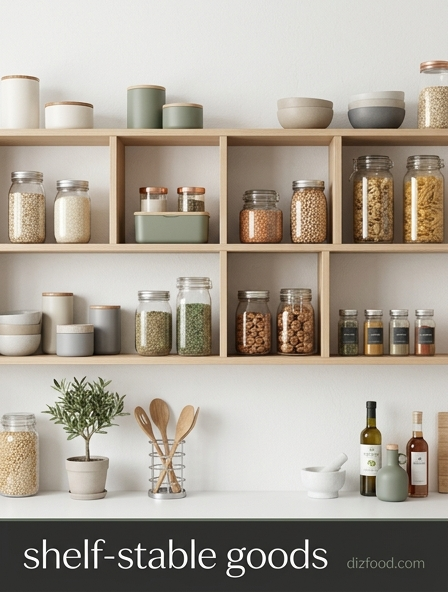
Essential Pantry Staples for Long Term Readiness
Building a resilient kitchen begins with identifying foundational ingredients that offer both versatility and an extended shelf life. These items serve as the backbone for countless recipes, ensuring that a household can maintain a sense of normalcy during disruptions. Prioritizing calorie-dense and nutrient-rich staples allows for maximum efficiency in limited storage spaces. Beyond basic sustenance, these goods provide the necessary chemical properties for preservation and flavor enhancement.
- Pure Sea Salt: Essential for seasoning and curing meats or vegetables.
- Raw Honey: A natural sweetener that never spoils and possesses antimicrobial properties.
- Apple Cider Vinegar: Useful for pickling, leavening bread, and general sanitation.
- Baking Soda: A critical leavening agent that also serves as a versatile cleaning deodorizer.
- Healthy Fats: Coconut oil and ghee provide high-smoke point cooking options with long-term stability.
By securing these core components, you establish a culinary infrastructure capable of supporting complex meal preparation. These staples are not merely additives; they are the functional tools required to transform raw grains and preserved proteins into palatable, nourishing meals when fresh resources are unavailable.
Strategic Storage Solutions for Shelf Stable Goods
The longevity of a kitchen reserve is heavily dictated by the environmental conditions of the storage area. Heat, light, oxygen, and moisture are the primary catalysts for food spoilage. To mitigate these risks, shelf-stable goods should be housed in a cool, dark, and dry environment. Utilizing specialized containers can significantly extend the viable life of dry goods, protecting them from both oxidation and pest infestations. Proper organization also ensures that the most vulnerable items remain protected from fluctuations in humidity.
| Storage Method | Ideal Contents | Primary Benefit |
|---|---|---|
| Mylar Bags | Grains, Beans, Pasta | Total light and oxygen barrier |
| Glass Mason Jars | Dehydrated fruit, Herbs | Non-reactive and airtight seal |
| Food-Grade Buckets | Flour, Sugar, Rice | Bulk protection and stackability |
Strategic placement involves keeping inventory off the floor to avoid moisture wicking and ensuring adequate ventilation. By implementing a multi-layered containment strategy, you create a fail-safe environment that preserves the nutritional integrity and flavor profile of your kitchen reserves for years rather than months.
Nutritional Balance in Emergency Meal Planning
In prolonged scenarios where fresh produce is absent, maintaining a balanced intake of macronutrients and micronutrients becomes a logistical challenge. Emergency meal planning must move beyond simple caloric intake to focus on holistic health. This requires a calculated mix of carbohydrates for energy, proteins for muscle repair, and fats for cognitive function and hormone regulation. Relying solely on a single food group can lead to fatigue and nutritional deficiencies that compromise physical resilience.
- Carbohydrates: Derived from brown rice, oats, and whole-grain pasta for sustained glucose release.
- Proteins: Sourced from legumes, canned meats, and nuts to maintain lean body mass.
- Essential Fats: Found in olive oil, nuts, and canned oily fish like sardines or mackerel.
- Micronutrients: Supplemented through freeze-dried vegetables, multivitamins, and fortified powders.
A successful meal plan incorporates variety to prevent "appetite fatigue," a condition where individuals stop eating due to the monotony of their diet. Integrating spices, acids, and diverse textures ensures that the body receives the complex array of vitamins and minerals necessary for high-stress endurance.
The Rotation System for Maintaining Food Freshness
A common pitfall in building food reserves is the "set it and forget it" mentality, which often results in expired or degraded inventory. To ensure a resilient kitchen, one must implement a disciplined rotation system known as FIFO: First In, First Out. This methodology treats the emergency pantry as a dynamic extension of the daily kitchen, ensuring that items are consumed and replaced well before their quality diminishes. Regular audits are necessary to track dates and identify items approaching their peak freshness limit.
- Labeling: Mark every item with the purchase date and the expiration date in large, clear ink.
- Zoning: Organize shelves by food category and place newer items at the back of the row.
- Routine Integration: Incorporate one or two shelf-stable meals into your weekly menu to circulate stock.
- Documentation: Keep a digital or physical log to monitor stock levels and upcoming expiration windows.
Through consistent rotation, the financial investment in food reserves is protected. This practice guarantees that in a moment of true need, every can opened and bag unsealed provides the maximum flavor and nutritional value possible.
Vital Grains and Legumes for Sustained Energy
Grains and legumes are the cornerstones of long-term food security due to their exceptional shelf life and high caloric density. When combined, they often form complete proteins, providing all essential amino acids necessary for human health. These items are highly versatile, serving as the base for soups, stews, and side dishes. Because they are typically purchased in dry form, they offer the most "bang for your buck" in terms of cost-per-calorie, making them ideal for budget-conscious preparation.
- White Rice: Lasts up to 30 years when sealed properly and provides quick energy.
- Red and Black Lentils: Fast-cooking legumes that are rich in iron and folate.
- Quinoa: A resilient seed that acts like a grain, containing high levels of magnesium and fiber.
- Dried Chickpeas: Excellent for protein and can be ground into flour for gluten-free cooking.
- Steel-Cut Oats: A robust breakfast staple that provides long-lasting satiety.
The key to utilizing these goods is ensuring a reliable supply of water and fuel for cooking. Because they require rehydration, they are most effective when paired with efficient boiling methods. Storing a variety of these items prevents dietary boredom and ensures a broad spectrum of minerals.
Canned Proteins and Essential Preserved Meats
Access to high-quality protein is vital during periods of physical exertion or stress. While dry beans provide plant-based protein, canned meats offer ready-to-eat convenience and essential B-vitamins that are harder to find in plant sources. These products are processed at high temperatures within the can, creating a sterile environment that allows them to remain safe for years. Unlike frozen meats, these items are immune to power outages, making them the most reliable protein source for a resilient kitchen.
| Protein Source | Key Nutrient | Usage Idea |
|---|---|---|
| Canned Tuna/Salmon | Omega-3 Fatty Acids | Salads, pasta toppers, or patties |
| Canned Chicken Breast | Lean Protein | Soups, tacos, and casseroles |
| Corned Beef/Spam | Sodium and Fats | Breakfast hashes and stir-fry |
When selecting preserved meats, consider the liquid they are packed in; oil-packed varieties offer extra calories, while water-packed options are lower in sodium. Always check cans for dents, swelling, or rust before consumption to ensure the seal has not been compromised over time.
Hydration Strategies and Emergency Water Storage
Water is the most critical element in any kitchen, yet it is often the most overlooked. Beyond direct consumption, water is required for rehydrating dried grains, cooking pasta, and maintaining basic hygiene. A resilient kitchen must account for at least one gallon of water per person per day, with additional allowances for pets and food preparation. Because water is heavy and bulky, storage requires a multi-tiered approach that includes both pre-filled containers and the ability to treat raw water from external sources.
- Static Storage: Maintain a minimum of a two-week supply in BPA-free containers.
- Filtration: Keep a high-quality gravity-fed filter to remove pathogens and sediment.
- Purification: Store unscented bleach or iodine tablets for chemical disinfection of water.
- Harvesting: Develop methods to collect rainwater or access local natural springs if possible.
Proper water management includes limiting the use of "thirsty" foods during shortages and using greywater for non-potable tasks like flushing toilets. Without a robust hydration strategy, even the best-stocked pantry becomes unusable, as most shelf-stable goods require water for safe consumption.
Cooking Techniques for No Power Situations
A resilient kitchen must remain functional even when the electric or gas range fails. Preparing shelf-stable goods often requires significant heat to soften fibers and kill potential bacteria. Mastering alternative cooking methods ensures that your food reserves can actually be consumed during a utility disruption. Each method has unique fuel requirements and safety considerations, particularly regarding indoor ventilation and carbon monoxide risks. Diversifying your cooking tools allows for flexibility based on the weather and available resources.
- Butane or Propane Camp Stoves: Best for high-heat frying and quick boiling of water.
- Solar Ovens: Ideal for slow-cooking grains and legumes using only sunlight.
- Thermal Cookers: Use retained heat to finish cooking food, drastically reducing fuel consumption.
- Rocket Stoves: Highly efficient wood-burning stoves that use small sticks and debris for fuel.
Practicing with these tools before an emergency is essential. Understanding how long it takes to boil a quart of water or cook a cup of rice using a portable burner prevents the waste of precious fuel. Furthermore, keeping a manual can opener and heat-resistant gloves is vital for safe operation in these unconventional setups.
Budget Friendly Ways to Build Food Reserves
Building a robust pantry does not require a massive upfront investment. Instead, a successful reserve is often built through incremental purchases and strategic shopping habits. By focusing on "low-cost, high-impact" items, a household can significantly increase its resilience over the course of a few months. The goal is to avoid the panic-buying phase, where prices are inflated and selection is limited. Instead, leverage standard grocery cycles to acquire goods at their lowest price points.
- Loss Leaders: Buy extra quantities of staples when they are advertised at a discount to draw customers.
- Bulk Bin Shopping: Purchase grains and spices in bulk to avoid the "packaging tax" of smaller containers.
- Store Brands: Generic versions of salt, sugar, and canned beans are identical in quality to name brands.
- Case Discounts: Many retailers offer a percentage off when you purchase a full case of canned goods.
Setting aside a small weekly "reserve fund" of ten to twenty dollars can quickly result in a deep pantry. By prioritizing items that your family already eats, you ensure that no money is wasted on food that will eventually be discarded due to lack of interest or taste.
Inventory Management for a Resilient Kitchen
True food security is found in the data, not just the physical boxes on the shelf. Knowing exactly how many meals you have available and what nutrients you are missing is the hallmark of an organized kitchen. Inventory management prevents the frustration of discovering you have fifty pounds of rice but no salt or fat to make it palatable. A well-maintained inventory allows for targeted shopping and ensures that the rotation system is functioning as intended. It also provides peace of mind, knowing exactly how long your household can remain self-sufficient.
- The Master List: Create a document categorized by food type, quantity, and location.
- Caloric Audits: Periodically calculate the total calories in your storage to determine the "days of supply."
- Gap Analysis: Identify missing components, such as oils, spices, or specialized infant/pet needs.
- Usage Tracking: Note which items are consumed most frequently to adjust future purchasing.
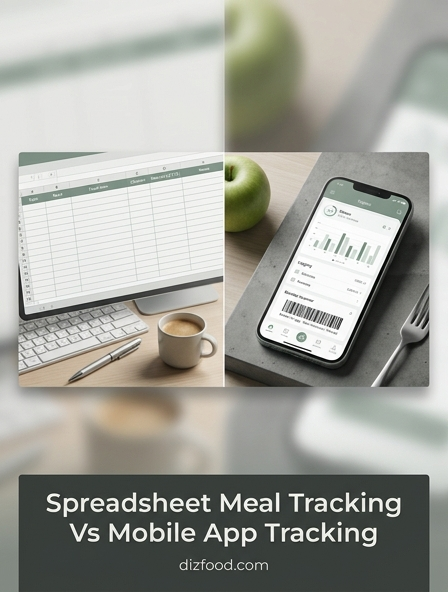
Whether you use a simple notebook, a spreadsheet, or a dedicated mobile app, the act of tracking transforms a collection of cans into a strategic asset. Regular updates to this inventory ensure that your kitchen remains a reliable bastion of resilience against any external supply chain fluctuations.



Comments