
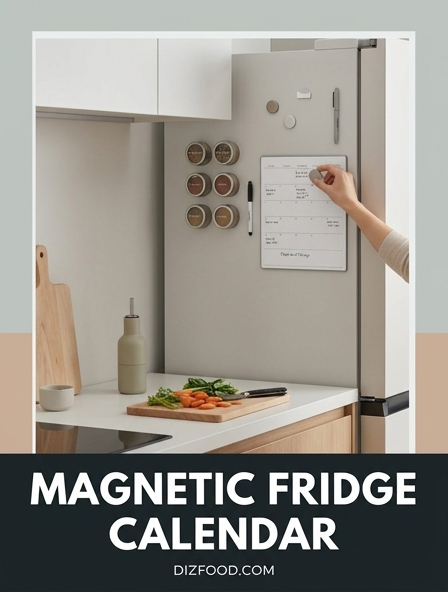
Centralizing Household Chaos in the Kitchen
The kitchen is often referred to as the heart of the home, but it is also the primary intersection for family members moving through different schedules. By installing a magnetic fridge calendar, you transform a simple appliance into a high-functioning command center. This centralized location ensures that every resident, from busy parents to school-aged children, has immediate access to the collective agenda without needing to unlock a smartphone or log into a shared digital account.
Having a physical anchor for schedules reduces the constant barrage of questions regarding upcoming appointments or deadlines. When information is localized, the cognitive load on the primary household manager is significantly lessened. A quick glance while pouring coffee or preparing a snack provides a comprehensive overview of the day's commitments. This method of organization fosters a sense of shared awareness and collective responsibility for the household's flow.
- Immediate visibility in a high-traffic area.
- Eliminates the need for constant verbal reminders.
- Creates a singular source of truth for the entire family.
- Encourages real-time updates as plans evolve.
Maximizing Visibility for Weekly Meal Plans
One of the most persistent stressors in any household is the daily uncertainty of meal preparation. A magnetic calendar dedicated to meal planning effectively eliminates the "what's for dinner" fatigue that plagues many evenings. By mapping out meals in advance and displaying them prominently on the refrigerator, you provide clarity for whoever is responsible for cooking and set expectations for the family. This visibility allows for better coordination of grocery shopping and ingredient preparation, ensuring that the kitchen operates with professional-level efficiency.
Beyond simple scheduling, a visual meal plan encourages diverse nutrition and prevents the repetitive fallback on takeout. When the plan is visible to everyone, it also allows family members to contribute to the preparation process, as they can see exactly what is on the menu for the upcoming days. This structured approach to dining creates a calmer kitchen environment and promotes healthier eating habits through intentionality.
| Day | Dinner Plan | Prep Required |
|---|---|---|
| Monday | Vegetable Stir-fry | Chop veggies Sunday |
| Wednesday | Chicken Tacos | Thaw meat Tuesday |
| Friday | Homemade Pizza | Make dough morning |
The Psychological Benefits of Visual Scheduling
The act of physically writing down a task or appointment has profound psychological benefits that digital inputs often fail to replicate. Engaging with a magnetic calendar on the fridge helps to externalize memory, which significantly reduces anxiety and the feeling of being overwhelmed by an abstract mental to-do list. This phenomenon, often linked to the Zeigarnik effect, suggests that our brains are more likely to let go of the stress associated with a task once it is recorded in a reliable, external place.
Furthermore, the visual representation of time helps individuals perceive the week as a manageable series of blocks rather than a chaotic blur. For many, the tactile experience of using dry-erase markers to color-code events provides a sense of agency and control over their environment. Seeing a clear, organized space on the refrigerator translates to a feeling of order within the home, fostering a more peaceful domestic atmosphere. This physical interaction with time management builds confidence and reduces the mental friction associated with daily transitions and complex scheduling demands.
Bridging the Gap Between Digital and Physical Planning
In an era dominated by cloud-synced calendars and smartphone notifications, the magnetic fridge calendar serves as a vital physical bridge. While digital tools are excellent for remote alerts and long-term planning, they often remain "out of sight, out of mind" for the rest of the family. A hybrid approach allows you to use your phone for personal reminders while using the fridge board as the public-facing dashboard for the household. This ensures that the most critical information is accessible without requiring everyone to be tethered to a device.
To successfully integrate these two systems, a simple weekly ritual can be established. This process ensures that the physical board remains an accurate reflection of the family's digital data, providing a reliable reference point for everyone in the house.
- Review digital calendars every Sunday evening.
- Transcribe major events and deadlines onto the magnetic board.
- Use color-coded markers to distinguish between family members.
- Update the physical board immediately if a digital change occurs.
- Cross off completed days to maintain a sense of progression.
Teaching Kids Responsibility and Time Management
A magnetic fridge calendar is an exceptional educational tool for children, offering a tangible way to grasp the abstract concept of time. By involving kids in the scheduling process, parents can teach them how to anticipate upcoming events, such as school projects, sports practices, or chores. When a child can see their name next to a specific task on the refrigerator, it reinforces a sense of ownership and accountability. They no longer have to rely solely on parental prompts, which helps develop their internal sense of discipline and organization.
The visual nature of the calendar allows children to count down the days to exciting events, which helps with patience and emotional regulation. By giving each child their own color or section on the board, you validate their individual schedules within the context of the larger family unit. This practice not only prepares them for the complexities of adult scheduling but also makes them feel like essential, informed members of the household operation.
- Assign specific colors to each child for easy identification.
- Include a "Chore of the Day" section to promote routine.
- Mark school holidays and birthdays to build anticipation.
- Encourage kids to write their own extracurricular events.
Reducing Food Waste Through Organized Meal Prep
Food waste is a significant issue in many households, often caused by a lack of awareness regarding what is currently in the refrigerator. A magnetic calendar can be strategically used to track perishables and "use-by" dates alongside the meal plan. By noting which ingredients need to be consumed first, the household can drastically reduce the amount of food that ends up in the trash. This organized approach to inventory management not only saves money but also streamlines the cooking process, as the cook knows exactly what is available at a glance.
Integrating a small inventory list or a "Eat This First" section on the magnetic board creates a highly efficient system. This prevents the common problem of buying duplicate items and ensures that every grocery trip is purposeful. When the family sees the plan, they are also less likely to snack on ingredients intended for a future dinner, maintaining the integrity of the week's nutritional strategy and budget.
- List expiring produce in a dedicated sidebar.
- Note "leftover nights" to ensure nothing is forgotten.
- Track freezer inventory to avoid "freezer burn" waste.
- Align grocery shopping days with the meal schedule.
Streamlining the Morning School Routine
The morning rush is often the most stressful period of the day for families. A magnetic fridge calendar acts as a silent assistant that guides everyone through the necessary steps before leaving the house. By listing daily requirements-such as which days require a gym kit, when a library book is due, or when a musical instrument is needed for band-the calendar prevents last-minute panics and forgotten items. This visual checklist ensures that the transition from home to school is as smooth as possible.
When the morning routine is displayed clearly, it empowers children to pack their own bags based on the day's specific needs. This reduces the "mental load" on parents who otherwise have to remember every detail for every child. A well-maintained board serves as a final checkpoint before the family departs, providing peace of mind that the day has been properly prepared for. This structured start leads to a more focused and less frantic day for both parents and students alike.
- Check the calendar for specific "special" school days.
- Verify that extracurricular gear is packed and ready.
- Review the lunch menu to decide between home or school lunch.
- Confirm after-school pickup or bus arrangements.
Customizing Your Command Center for Peak Efficiency
To get the most out of a magnetic fridge calendar, it should be treated as a customizable tool rather than a static decoration. Modern magnetic sets often come with various accessories that allow you to tailor the board to your family's specific needs. This might include separate sections for grocery lists, a "notes" area for quick messages, and dedicated spots for high-priority reminders. Choosing the right markers, such as fine-tip liquid chalk or high-contrast dry erase, ensures that the text is legible from across the room, which is essential for a high-traffic kitchen.
Consider the layout of your fridge and how the calendar interacts with other magnetic items. An effective command center is not cluttered; it is curated. Adding magnetic clips for school permission slips or invitations directly next to the calendar ensures that the physical paperwork matches the written schedule. This synergy between the calendar and supporting documents creates a foolproof system for managing household logistics with professional precision.
- Use different colors for work, school, and social events.
- Add magnetic pen holders for easy access to markers.
- Incorporate a small magnetic eraser for quick updates.
- Utilize magnetic clips for important physical mail.
Durable Dry Erase Tools for Daily Use
The longevity and effectiveness of a kitchen organization system depend heavily on the quality of the materials used. A high-quality magnetic calendar should feature a premium PET or acrylic surface that resists staining and "ghosting"-the faint residue left behind by old markings. Because the kitchen is an environment prone to grease and moisture, the durability of the calendar's surface is paramount. Choosing a board with a strong magnetic backing ensures it won't slide down the fridge every time the door is opened or closed, maintaining a professional and tidy appearance.
When selecting your tools, consider the difference between traditional dry-erase markers and liquid chalk markers. While dry-erase is convenient for quick changes, liquid chalk offers more vibrant colors and is often more resistant to accidental smudging. High-quality tools ensure that your command center remains a focal point of clarity rather than a source of frustration due to illegible notes or a messy surface.
| Surface Type | Pros | Cons |
|---|---|---|
| Acrylic | Modern look, very durable | Heavier, requires specific pens |
| Magnetic Sheet | Flexible, inexpensive | Can stain over long periods |
| Glass | No ghosting, elegant | Requires strong magnets |
Why Physical Reminders Outperform Digital Alerts
Digital alerts are easily ignored, swiped away, or lost in a sea of smartphone notifications. In contrast, a magnetic fridge calendar provides a constant, passive reminder that exists in your physical space. It does not require a battery, an internet connection, or a password to access. This "always-on" nature makes it a superior tool for household management, as it forces an interaction every time someone goes to get a drink or prepare a meal. The physical presence of the schedule creates a psychological environmental cue that reinforces the day's priorities.
Furthermore, digital tools often contribute to screen fatigue and distraction. When you check your phone for a calendar update, it is easy to get pulled into emails or social media. A physical board keeps you focused on the task at hand. It serves as a communal reference point that everyone can see simultaneously, facilitating face-to-face communication rather than digital silos. By choosing a physical reminder, you prioritize clarity, focus, and family engagement over the fragmented nature of modern digital life.






Comments