
Taking control of your kitchen shouldn't feel like a chore, but rather an empowering step toward a healthier, more organized lifestyle. By implementing the perfect planning system, you can transform chaotic weeknights into seamless culinary experiences that save you both time and money. Our guide to mastering your weekly meal prep walks you through smart grocery lists, efficient batch-cooking techniques, and flavor-forward recipes that keep your taste buds excited all week long. Whether you are a busy professional or a home cook looking for structure, finding the right organizational method is the absolute key to consistency. To determine which tool fits your specific needs, consider the pros and cons of digital meal planners vs paper meal planners.
Benefits of Systematic Meal Planning
Adopting a systematic approach to meal planning is a cornerstone of an efficient kitchen workflow. By dedicating time to map out meals in advance, you eliminate the daily stress of deciding what to cook under pressure. This proactive habit ensures that every ingredient purchased has a specific purpose, significantly reducing food waste and lowering monthly grocery expenditures. Furthermore, planning allows for a more balanced diet, as you can intentionally incorporate a variety of macronutrients and seasonal produce into your schedule.
- Reduces decision fatigue during busy weeknights.
- Minimizes impulsive spending on takeout and processed snacks.
- Facilitates healthier eating habits through portion and ingredient control.
- Enhances time management by streamlining prep and cooking sessions.
When you view meal planning as a structural framework rather than a chore, it transforms the kitchen into a space of creativity rather than chaos. The mental clarity gained from knowing exactly what is on the menu allows for a more relaxed evening routine, fostering a positive relationship with home-cooked food and nutritional goals.
Essential Kitchen Tools for Efficiency
The right equipment acts as a force multiplier in the kitchen, allowing you to execute tasks with precision and speed. Investing in high-quality tools minimizes physical strain and ensures consistent results across various recipes. For instance, a sharp chef's knife is safer and more efficient than a dull one, while a digital scale provides accuracy that volume measurements often lack. When selecting tools, prioritize versatility and durability over single-use gadgets that clutter your workspace.
| Tool Category | Essential Item | Primary Benefit |
|---|---|---|
| Cutting | 8-inch Chef's Knife | Speed and safety in prep |
| Measurement | Digital Food Scale | Precision and consistency |
| Processing | Food Processor | Rapid chopping and mixing |
| Organization | Stainless Steel Bowls | Efficient mise en place |
Beyond hardware, consider the ergonomics of your tools. Items like mandolines for uniform slicing or high-powered blenders for smooth sauces can shave significant time off your active cooking duration. Maintaining these tools through regular sharpening and proper storage ensures they remain reliable components of your workflow for years to come.
Inventory Your Pantry and Fridge
Before any culinary execution can begin, a thorough assessment of existing stock is mandatory. An accurate inventory prevents the common mistake of purchasing duplicate items while ensuring that perishable goods are used before they expire. This practice bridges the gap between what you have and what you need, forming the foundation of a cost-effective grocery strategy. By categorizing your staples, you can quickly identify gaps in your "building block" ingredients like grains, oils, and spices.
- Clear out expired items from the back of the fridge and pantry shelves.
- Group similar items together, such as canned beans, pasta varieties, and baking flours.
- Check the status of "long-life" perishables like eggs, butter, and hearty root vegetables.
- Update a physical or digital list to track low-stock essentials in real-time.
Conducting this inventory weekly transforms your kitchen management from reactive to proactive. It allows you to design meals around what is already available, which is a primary driver in reducing household food waste. An organized pantry not only speeds up the cooking process but also provides a visual cue of your nutritional diversity, prompting more varied meal choices.
Selecting Nutritious Recipes for the Week
Choosing the right recipes requires a balance between nutritional density, preparation time, and flavor variety. When selecting dishes, look for recipes that share common base ingredients to simplify shopping and prep work. For example, a batch of roasted sweet potatoes can serve as a side dish on Monday and a salad topper on Wednesday. Prioritize "whole food" recipes that emphasize lean proteins, healthy fats, and a high volume of vegetables to ensure your energy levels remain stable throughout the week.
- Focus on one-pot or sheet-pan meals to minimize cleanup.
- Select recipes that yield leftovers for easy lunches.
- Include a mix of familiar favorites and one new recipe to maintain interest.
- Check for seasonal produce to maximize nutrient density and flavor.
Efficiency is also found in recipe complexity; during busy work weeks, aim for meals that require thirty minutes or less of active time. Save more intricate, time-consuming culinary projects for the weekend when you can enjoy the process without the pressure of a ticking clock. This strategic selection keeps the kitchen workflow sustainable and prevents burnout.
Designing a Smart Grocery List
A well-structured grocery list is the ultimate roadmap for an efficient shopping trip. Rather than a random collection of items, a smart list is organized by the layout of the store to prevent backtracking and impulsive purchases. This systematic approach saves time and ensures you don't forget critical components of your planned recipes. Whether using a traditional paper list or a synchronized mobile app, the goal is to enter and exit the store with exactly what is required for the week's menu.
- Categorize items by department: Produce, Meat, Dairy, and Pantry.
- Quantify needs based on your inventory and recipe requirements.
- Include "flexible" snacks like nuts or fruit to avoid hunger-driven impulse buys.
- Review the list against your meal plan one last time before leaving.
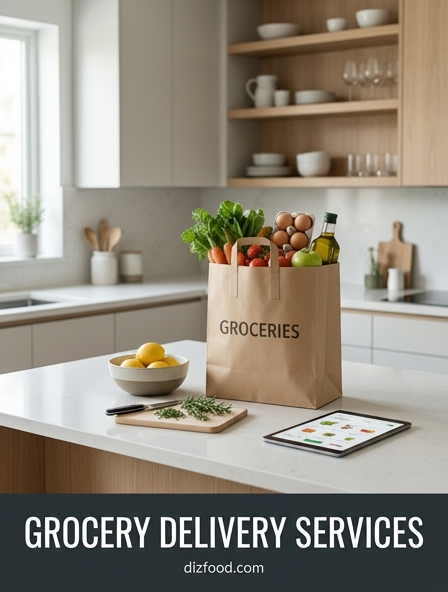
Modern technology offers various tools to enhance this process, such as apps that allow for shared lists with family members or those that automatically sort items by aisle. Regardless of the medium, the discipline of adhering to the list is what drives efficiency. By treating the grocery store as a supply run rather than a browsing session, you reclaim valuable time for actual meal preparation.
Strategic Batch Cooking Techniques
Batch cooking is the practice of preparing large quantities of specific components or full meals to be consumed later. This technique is a significant time-saver, as it consolidates the "setup" and "cleanup" phases of cooking into a single session. Instead of dicing onions every night, you might dice five at once to use across multiple dishes. This strategy is particularly effective for grains, proteins, and sauces, which often have longer cooking times but store exceptionally well in the refrigerator or freezer.
- Roast multiple trays of vegetables simultaneously at a high temperature.
- Prepare large batches of grains like quinoa, brown rice, or farro.
- Cook "double portions" of proteins like shredded chicken or braised beef.
- Simmer a large pot of base sauce or soup to portion out for the week.
The key to successful batch cooking is "component prepping" rather than just making five identical meals. By having ready-to-use ingredients, you maintain the flexibility to assemble different dishes on the fly, preventing flavor fatigue. This method ensures that even on your busiest days, a nutritious, home-cooked meal is only minutes away from the table.
Optimal Food Storage Solutions
Effective food storage is the link between successful meal prep and food safety. Using the right containers preserves the texture and flavor of your ingredients while maximizing the available space in your refrigerator. Clear containers are generally preferred as they allow for immediate visual identification of contents, reducing the likelihood of "forgotten" food spoiling at the back of the shelf. Furthermore, understanding which materials work best for different food types can extend the shelf life of your prepped items significantly.
| Container Type | Best Used For | Key Advantage |
|---|---|---|
| Glass Snap-Lid | Oven-to-table meals | Non-porous and eco-friendly |
| Silicone Bags | Freezer storage and snacks | Space-saving and reusable |
| Vacuum Sealers | Long-term protein storage | Prevents freezer burn |
| BPA-Free Plastic | Lightweight lunches | Portability and durability |
Beyond the containers themselves, fridge organization plays a role. Store raw meats on the bottom shelf to prevent cross-contamination, and keep high-moisture produce in crisper drawers. Properly sealed, airtight environments are essential for maintaining the integrity of prepped greens and cut vegetables, ensuring they remain crisp and appetizing for several days.
Portion Control and Labeling Tips
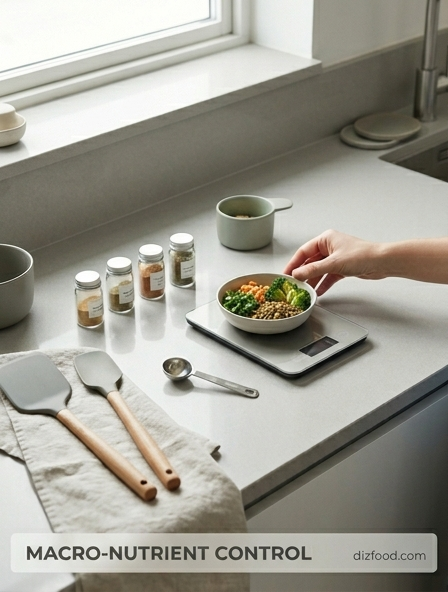
Portioning and labeling are the final touches that turn a chaotic fridge into a streamlined meal system. By dividing large batches into individual servings immediately after cooking, you simplify the "grab-and-go" process for busy mornings or quick dinners. This practice also supports weight management and health goals by providing pre-measured amounts of food. Labeling, meanwhile, removes the guesswork from your storage, helping you track freshness and prioritize which items need to be consumed first.
- Use masking tape and a permanent marker for easy-to-read, removable labels.
- Include the dish name, the date it was prepared, and any reheating instructions.
- Portion meals into containers that match your appetite to avoid plate waste.
- Use a "First In, First Out" (FIFO) system to organize containers on the shelf.
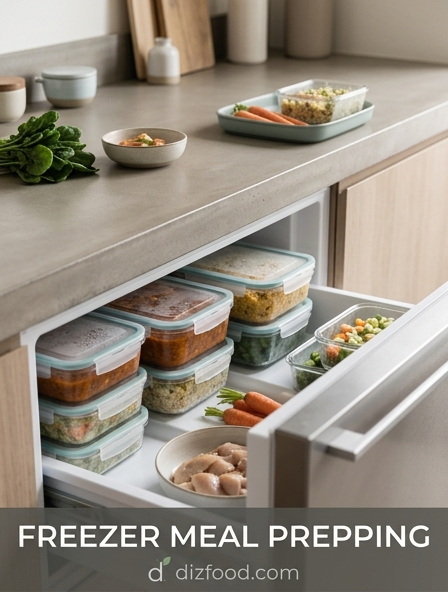
Clear labeling is especially vital for the freezer, where many items can look identical once frozen. A small investment of time in these steps prevents the frustration of thawing the wrong item or discarding food because you are unsure of its age. It creates a professional-level kitchen workflow that values both food quality and user convenience.
Maintaining Your Prep Routine
Consistency is the primary driver of a successful kitchen workflow. Establishing a specific time each week for meal prep-such as Sunday afternoon or Monday evening-turns the process into a sustainable habit rather than a sporadic effort. The goal is to create a rhythm that fits your lifestyle, ensuring that you are always one step ahead of your hunger. Even a "mini-prep" session of thirty minutes can yield significant benefits if done consistently, such as washing greens or chopping aromatics for the upcoming days.
- Schedule prep time on your calendar like an important appointment.
- Listen to music or a podcast to make the time more enjoyable.
- Clean as you go to avoid a massive pile of dishes at the end.
- Refine your process weekly based on what worked and what didn't.
Maintaining the routine also involves forgiving yourself if a week doesn't go as planned. If you miss a full prep session, focus on "micro-tasks" like pre-portioning snacks or boiling a dozen eggs. Over time, these habits become second nature, leading to a more intuitive and stress-free relationship with cooking and kitchen management.
Organizing Your Kitchen for Success
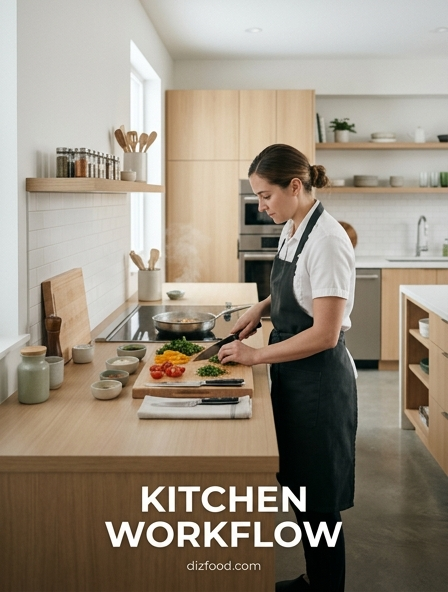
The physical layout of your kitchen profoundly impacts your efficiency. A well-organized space follows the principle of the "Work Triangle," optimizing the path between the refrigerator, the stove, and the sink. Beyond the major appliances, organizing smaller zones-such as a dedicated prep station with easy access to knives and cutting boards-can significantly reduce unnecessary movement. Every item in the kitchen should have a logical home based on how frequently it is used and where it is most needed during the cooking process.
- Keep frequently used oils and spices within arm's reach of the stove.
- Store heavy appliances you use daily on the counter, and hide the rest.
- Use drawer dividers to keep utensils organized and accessible.
- Group "activity" items together, such as all baking supplies in one bin.
Clear counters are essential for a productive workflow; a cluttered workspace often leads to a cluttered mind and slower execution. By periodically auditing your kitchen organization, you can remove items that no longer serve you and adjust your setup as your cooking style evolves. An organized kitchen is not just about aesthetics; it is a functional tool that supports your health and time management goals.

Comments