
Transforming your kitchen experience starts with embracing a smart, tech-forward approach to meal preparation. By streamlining your cooking routine through seamless digital integration, you replace the daily stress of decision fatigue with a synchronized system that handles everything from recipe discovery to automated shopping lists. This modern method allows you to manage your culinary life from any device, ensuring that healthy eating becomes a sustainable habit rather than a chore. As you transition to a more efficient workflow, you might wonder which format truly suits your lifestyle, so take a moment to compare the benefits of digital meal planners vs paper meal planners to find your perfect fit.
The Evolution of the Digital Kitchen Ecosystem
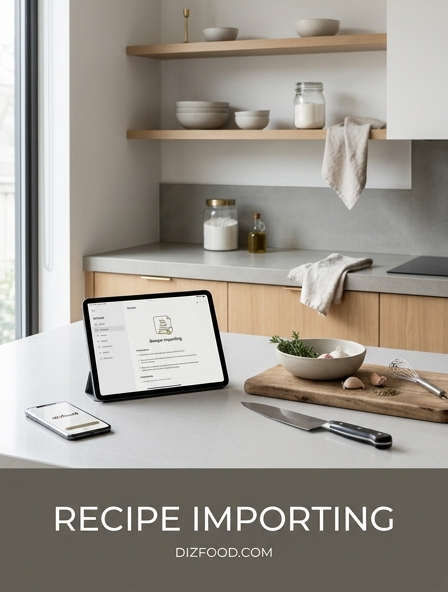
The culinary landscape has undergone a radical transformation, moving away from grease-stained paper cookbooks toward a cohesive digital ecosystem. This evolution began with basic web searches but has matured into a sophisticated network where recipe importing serves as the primary gateway for home cooks. Modern kitchens are no longer isolated rooms; they are hubs of information where software and hardware converge to simplify meal preparation. By utilizing advanced parsing algorithms, digital tools can now extract ingredients and instructions from any URL, stripping away advertisements and clutter to provide a clean, functional interface for the user.
This shift represents a fundamental change in how we interact with food data. Instead of manually transcribing measurements, users can curate vast libraries of global cuisines with a single click. The integration of these digital libraries across multiple devices ensures that a recipe found on a desktop during a lunch break is instantly available on a tablet in the kitchen. This connectivity forms the backbone of the modern cooking experience, fostering a more organized and stress-free environment for both novice and experienced chefs alike.
Centralizing Recipes with Cloud-Based Management Tools
The primary challenge of modern cooking is the fragmentation of information across various websites, social media platforms, and newsletters. Cloud-based management tools solve this by providing a centralized repository for every imported recipe. These platforms use specialized scrapers to identify structured data, ensuring that cooking times, serving sizes, and ingredient lists are accurately captured and stored in a uniform format. Once a recipe is imported, it becomes a dynamic entity that can be tagged, categorized, and searched within seconds.
- Cross-platform synchronization for access on phones, tablets, and smart displays.
- Advanced search filters based on main ingredients, prep time, or dietary labels.
- The ability to edit imported text to add personal notes or family substitutions.
- Automated backup systems to prevent the loss of curated culinary collections.
By centralizing these resources, home cooks eliminate the "digital hoard" of bookmarks and screenshots. This organization allows for a more fluid creative process, as the chef can focus on the technique rather than searching for the source material. The cloud ensures that your personal culinary history is preserved and accessible from anywhere in the world.
Automating Grocery Lists with Smart App Integration
One of the most significant advantages of digital recipe importing is the seamless bridge it creates between a meal idea and a shopping list. When a recipe is imported into a smart management app, the software automatically parses the ingredient list and populates a grocery checklist. This automation removes the manual labor of checking the pantry and writing down items, significantly reducing the likelihood of forgetting a critical component for a specific dish.
Advanced integrations allow these lists to be categorized by grocery store aisle, such as produce, dairy, or spices. This organizational logic transforms the shopping experience into a highly efficient task. Furthermore, many apps can recognize redundant ingredients across multiple imported recipes, consolidating the totals so you know exactly how many onions or bunches of parsley to purchase for the entire week. This level of precision not only saves time during the shopping trip but also prevents the accidental over-purchase of items already tucked away in the back of the cupboard.
Maximizing Efficiency with Voice-Activated Cooking Assistants
Voice-activated technology has revolutionized the actual act of cooking by providing a hands-free interface for imported recipes. Once a recipe is saved to a digital library, it can be broadcast to smart speakers or displays that guide the cook through each step. This eliminates the need to touch a screen or flip a page with messy hands, maintaining better hygiene and preventing damage to expensive electronics. Users can simply ask their assistant for the next instruction or inquire about a specific measurement while their hands are occupied with kneading dough or chopping vegetables.
These assistants often provide additional utility beyond just reading text. They can set multiple timers, convert metric measurements to imperial on the fly, and even play music or podcasts to make the cooking process more enjoyable. The integration of imported recipe data with voice commands ensures that the flow of the kitchen remains uninterrupted. By creating a conversational relationship with the recipe, the cook can maintain focus on the stove, leading to better results and a more relaxing culinary experience.
Inventory Tracking Systems to Minimize Food Waste
Effective kitchen management requires a clear understanding of what is currently in stock. Digital inventory tracking systems work in tandem with imported recipes to highlight what can be cooked without a trip to the store. By maintaining a digital log of pantry, fridge, and freezer contents, these systems can suggest recipes based specifically on ingredients that are nearing their expiration date. This proactive approach is a powerful tool in the fight against household food waste.
| Feature | Benefit to User |
|---|---|
| Expiration Alerts | Prevents spoilage of perishable items. |
| Ingredient Matching | Suggests recipes based on existing stock. |
| Quantity Tracking | Automates replenishment of kitchen staples. |
| Waste Analytics | Identifies habits to save money over time. |
When a user imports a new recipe, the system can instantly flag missing items or suggest substitutions from the current inventory. This interconnectivity ensures that every ingredient purchased has a clear purpose, maximizing the utility of the grocery budget and fostering a more sustainable lifestyle.
Syncing Smart Appliances for Precision Meal Prep
The "Internet of Things" has extended its reach into major kitchen appliances, allowing for a level of precision previously reserved for professional kitchens. Imported recipes can now communicate directly with smart ovens, sous-vide circulators, and multi-cookers. When a recipe is selected, the digital instructions can include data packets that automatically preheat the oven to the correct temperature or set the specific cooking curve required for a complex bake. This synchronization eliminates human error in temperature settings and timing.
Precision prep also extends to the preparation phase. Smart scales can connect to recipe apps to ensure that ingredients are measured by weight rather than volume, which is crucial for baking. As the user pours an ingredient into a bowl, the app updates in real-time, checking off the item once the target weight is reached. This synergy between the imported data and the physical hardware ensures that the final dish is a faithful recreation of the original recipe, providing consistent results every time the meal is prepared.
Streamlining Weekly Planning via Collaborative Digital Calendars
Meal planning is often a collaborative effort within a household, and digital tools have made this process more transparent and organized. By importing recipes into a shared digital calendar, every family member can see what is on the menu for the week. This visibility helps manage expectations and allows for better time management regarding prep work. Users can drag and drop recipes onto specific days, and the system can automatically adjust the total grocery requirements for the week based on those selections.
- Assign specific recipes to days based on the family schedule.
- Share the plan with household members for feedback or requests.
- Identify nights that require quick "importable" 15-minute meals.
- Track historical data to see which recipes were most successful.
This collaborative approach reduces the mental load of the "what's for dinner" question. It also allows for strategic planning, such as cooking a double portion of a grain on Monday to be used in an imported salad recipe on Wednesday. The calendar serves as a visual roadmap for the week's nutrition and logistics.
Optimizing Nutrition through Data-Driven Meal Selection
Recipe importing is not just about convenience; it is a vital tool for health and nutrition management. Many advanced recipe managers automatically calculate the nutritional breakdown of imported dishes by analyzing the ingredient list against food databases. This provides users with instant feedback on calories, macronutrients, and vitamins. For individuals with specific dietary goals or medical requirements, this data-driven approach is invaluable for maintaining a balanced diet without the need for manual calculations.
Users can filter their imported library to find meals that fit within specific caloric ranges or those that avoid certain allergens. The ability to see the nutritional impact of a meal before it is even cooked allows for more informed decision-making. Over time, these systems can provide a comprehensive overview of a person's eating habits, highlighting areas for improvement. By leveraging the data contained within imported recipes, home cooks can tailor their culinary choices to support their long-term wellness goals, turning the kitchen into a center for personalized health.
The Benefits of Seamless Online Grocery Fulfillment
The final link in the digital kitchen chain is the integration with online grocery retailers. Once a recipe is imported and the grocery list is generated, many platforms allow users to send those items directly to an online shopping cart with a single tap. This bypasses the traditional shopping experience entirely, saving hours of time each week. It also ensures that the exact brand or quantity specified in the recipe is what arrives at the door, reducing the risk of mid-cook realizations that a key item is missing.
This fulfillment model is particularly beneficial for busy professionals or those with limited mobility. It allows for "just-in-time" delivery of fresh ingredients, ensuring peak quality for specific planned meals. Additionally, by shopping directly from a list generated by imported recipes, impulsive purchases are minimized, leading to significant cost savings. The integration of recipe importing with delivery services represents the ultimate convenience in the modern food cycle, closing the gap between digital discovery and physical consumption.
Transforming Daily Cooking Habits with Connected Technology
The cumulative effect of these technologies is a total transformation of daily cooking habits. The transition from manual, disconnected tasks to a streamlined, automated workflow allows for more creativity and less frustration. Recipe importing acts as the catalyst for this change, turning the internet's vast wealth of culinary knowledge into an actionable, organized, and personalized database. As these systems become more intuitive, the barrier to entry for complex cooking continues to lower, encouraging more people to cook at home rather than relying on processed convenience foods.
Ultimately, a connected kitchen is about more than just gadgets; it is about reclaiming time and improving the quality of the food we eat. By automating the logistical aspects of cooking-shopping, planning, and tracking-technology empowers individuals to focus on the joy of the craft. Whether it is experimenting with a new global cuisine found online or perfecting a family favorite, the digital kitchen ecosystem provides the structure and support necessary for culinary success in the twenty-first century.



Comments