
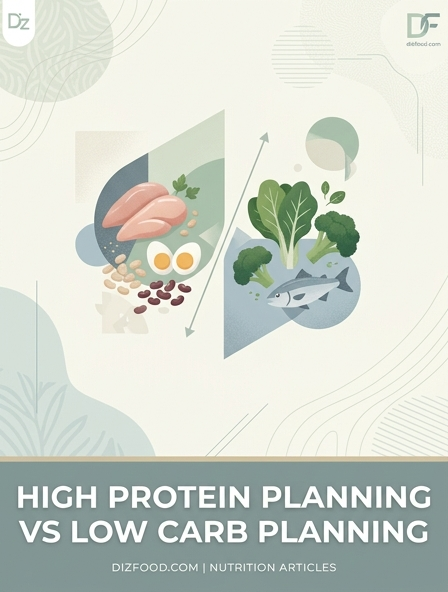
Unlocking your body's potential to burn stored energy starts with mastering fat oxidation, a key process for achieving sustainable weight loss and metabolic health. By teaching your system to efficiently utilize fat as fuel, you can minimize energy crashes and promote insulin stability, preventing those frustrating blood sugar spikes that often lead to cravings. This metabolic shift not only accelerates fat loss but also enhances long-term vitality and mental focus throughout the day. To fine-tune your nutritional strategy, it is essential to understand the differences between High Protein Planning Vs Low Carb Planning to see which approach best supports your goals.
Metabolic Kitchen Basics for Fat Oxidation
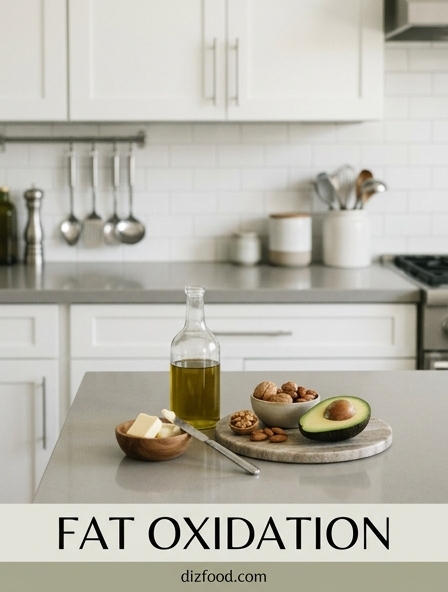
Transforming your kitchen into a hub for fat oxidation begins with understanding the metabolic impact of your environment. Fat oxidation, the process where the body breaks down fatty acids for energy, is heavily influenced by the availability of substrates and the hormonal state of the body. To facilitate this, the kitchen must prioritize whole, unprocessed ingredients that minimize inflammatory responses. Reducing the presence of ultra-processed vegetable oils and refined sugars is the first step in shifting the body's preference from glucose burning to lipid metabolism.
- Eliminate hidden sugars in condiments and dressings to keep baseline insulin low.
- Prioritize monounsaturated and saturated fats that remain stable during cooking.
- Increase the availability of fibrous cruciferous vegetables to support estrogen metabolism.
- Keep hydrating fluids like green tea and filtered water readily accessible to support cellular lipolysis.
By establishing these foundational elements, you create a physical space that reinforces metabolic flexibility. A kitchen stocked with the right building blocks ensures that every meal prepared contributes to a hormonal environment conducive to utilizing stored body fat as a primary fuel source throughout the day.
Meal Prep Strategies for Insulin Control
Effective meal preparation is a powerful tool for maintaining stable insulin levels, which is a prerequisite for efficient fat oxidation. When insulin levels are elevated, the body's ability to access stored adipose tissue is significantly inhibited. Therefore, prep strategies should focus on dampening the glycemic response of every meal. Utilizing specific cooking techniques, such as the "cook and cool" method for starches, can increase resistant starch content, thereby lowering the insulin demand of the meal.
- Pre-portion proteins to ensure adequate intake without over-consuming calories.
- Prepare large quantities of non-starchy vegetables to serve as the volume base for every dish.
- Incorporate acidic components like apple cider vinegar or lemon juice into pre-made dressings to slow gastric emptying.
- Batch-cook legumes and pulses, which provide a slow-release energy source and high fiber content.
Consistency in meal preparation prevents the blood sugar spikes associated with convenience foods. By having insulin-friendly meals ready to consume, you maintain a steady metabolic rate and ensure that the body remains in a fat-burning state for longer durations between meals.
Pantry Staples to Promote Fat Burning
A well-curated pantry acts as a metabolic toolkit, providing the necessary nutrients to stimulate thermogenesis and support lipid breakdown. Certain staples contain bioactive compounds that directly influence the metabolic rate or improve the efficiency of mitochondrial function. For example, Medium Chain Triglycerides (MCTs) are rapidly absorbed and oxidized for energy, bypassing traditional fat storage pathways. Including these strategically can enhance the body's overall metabolic efficiency.
| Staple Ingredient | Metabolic Benefit |
|---|---|
| Green Tea / Matcha | Contains EGCG to boost thermogenesis and fat oxidation. |
| Apple Cider Vinegar | Improves insulin sensitivity and reduces glucose spikes. |
| Turmeric & Black Pepper | Reduces systemic inflammation, supporting metabolic health. |
| Raw Cacao | High magnesium content supports ATP production and energy. |
Beyond these, keeping high-fiber seeds like chia and flax can assist in appetite regulation. These staples ensure that even quick meals can be optimized for fat loss by providing the secondary compounds necessary for metabolic signaling and hormonal balance.
The Science of Cooking for Insulin Stability
The methods used to prepare food can drastically alter its chemical structure and how it interacts with human physiology. The science of cooking for fat oxidation focuses on minimizing the glycemic load and maximizing nutrient density. For instance, high-heat dry cooking methods can lead to the formation of Advanced Glycation End-products (AGEs), which contribute to oxidative stress and metabolic dysfunction. Instead, focusing on moist heat or lower-temperature cooking preserves the integrity of fats and proteins.
Furthermore, the physical state of food matters; whole foods require more energy to digest-a process known as the thermic effect of food (TEF). Steaming vegetables until they are al dente rather than overcooking them preserves fiber integrity, slowing the release of sugars into the bloodstream. Combining fats with carbohydrates during the cooking process can also blunt the insulin response, provided the fats are stable and the carbohydrates are complex. Understanding these chemical interactions allows for the creation of meals that not only satisfy hunger but also keep the metabolic "fire" burning efficiently without the interference of insulin spikes.
Structuring Your Plate for Maximum Fat Loss
Visualizing the composition of your plate is an essential skill for anyone focusing on fat oxidation. The goal is to create a nutritional profile that maximizes satiety while minimizing the hormonal signals that trigger fat storage. This usually involves a "protein-first" approach, where the largest portion of the plate is dedicated to high-quality amino acids and fibrous greens. This structure ensures that the body receives the signals of fullness through the release of leptin and peptide YY.
- The 50% Rule: Fill half the plate with non-starchy vegetables like spinach, broccoli, or peppers.
- Protein Anchor: Dedicate 25% of the plate to lean or fatty protein sources to support muscle mass.
- Healthy Fats: Include a thumb-sized portion of healthy fats to slow digestion.
- Strategic Carbs: Limit starchy carbohydrates to the remaining small portion, preferably post-activity.
By following this structural blueprint, you automatically control calories without the need for obsessive tracking. This balance keeps blood sugar levels in a narrow range, allowing the body to consistently tap into its own fat reserves for energy production throughout the day.
Low Glycemic Meal Planning for Daily Energy
Maintaining high energy levels while losing fat requires a strategic approach to carbohydrate consumption. Low glycemic meal planning focuses on foods that rank low on the Glycemic Index (GI), meaning they cause a slow, sustained rise in blood glucose rather than a sharp peak. This steady supply of energy prevents the "crash" that often leads to sugar cravings and subsequent overeating. When energy is stable, the body is more likely to remain active, further increasing the total daily energy expenditure.
A typical day should involve complex carbohydrates paired with fiber and protein. For breakfast, steel-cut oats or eggs with greens provide a stable start. Lunch should focus on large salads with a protein source and healthy fats. Dinner can include root vegetables or legumes, which provide the necessary glucose for brain function overnight without overwhelming the system. This approach ensures that the "insulin window" remains closed for the majority of the day, facilitating a metabolic environment where fat oxidation is the default state for fueling daily activities and cognitive tasks.
Essential Kitchen Tools for Metabolic Health
The right equipment can simplify the preparation of health-promoting meals and ensure that cooking methods align with metabolic goals. Modern kitchen tools allow for the preparation of food in ways that maximize nutrient retention and minimize the need for excessive added fats or sugars. Investing in these tools can significantly reduce the friction associated with a healthy lifestyle, making it easier to stick to a fat-burning regimen.
- Air Fryer: Allows for crispy textures without the need for inflammatory seed oils.
- Slow Cooker/Instant Pot: Ideal for breaking down tough proteins and making nutrient-dense stews.
- Cast Iron Skillet: Provides even heating and can add trace amounts of iron to the diet.
- Digital Food Scale: Essential for understanding portion sizes and macronutrient ratios.
- Vegetable Spiralizer: A great way to replace high-carb pasta with nutrient-dense zucchini or squash.
Having these tools at your disposal encourages creativity in the kitchen while maintaining a focus on metabolic integrity. They allow for the quick preparation of whole-food meals that support your body's natural ability to oxidize fat and maintain a healthy weight.
Timing Your Meals to Optimize Fat Oxidation
While the quality of food is paramount, the timing of intake also plays a critical role in metabolic health. The body's internal clock, or circadian rhythm, influences how nutrients are processed. Eating in alignment with these rhythms can enhance fat oxidation and improve insulin sensitivity. This often involves consolidating the eating window to allow for longer periods of "fasted" states, during which the body must rely entirely on stored energy.
- Eat a substantial breakfast to set the metabolic tone for the day.
- Avoid snacking between meals to allow insulin levels to drop to baseline.
- Finish the final meal of the day at least three hours before sleep to prioritize nighttime fat burning.
- Utilize a 12-to-16 hour overnight fast to maximize the production of growth hormone.
By synchronizing meal times with the body's natural peaks in insulin sensitivity, you ensure that nutrients are directed toward muscle cells rather than fat storage. This temporal strategy works in harmony with your kitchen efforts to create a powerful environment for sustained fat loss and improved metabolic flexibility.
Protein Focused Prep for Blood Sugar Balance
Protein is the most metabolically expensive macronutrient to digest, requiring more energy for thermic processing than fats or carbohydrates. Focusing on protein-rich meal prep is a cornerstone of any fat oxidation strategy. High protein intake also stimulates the release of glucagon, a hormone that works in opposition to insulin to promote the mobilization of stored fats. Ensuring that protein is the centerpiece of every meal prevents the muscle wasting often associated with caloric deficits.
| Protein Source | Prep Method | Metabolic Advantage |
|---|---|---|
| Chicken Breast | Poached or Grilled | High TEF and low calorie density. |
| Wild Salmon | Baked with Herbs | Omega-3s improve insulin receptor sensitivity. |
| Tempeh/Tofu | Marinated and Sautéed | High fiber and plant-based protein balance. |
| Egg Whites | Soft Boiled | Highly bioavailable amino acids for recovery. |
By prepping these proteins in advance, you ensure that you are never without a satiating option. This prevents the blood sugar fluctuations that lead to hunger and ensures the body has the necessary precursors for maintaining lean tissue while burning fat.
Mastering Macronutrients in Your Weekly Kitchen Routine
The final step in a metabolic kitchen routine is the mastery of macronutrient ratios tailored to your specific activity levels. A weekly routine should involve an audit of your nutritional intake to ensure that your consumption of proteins, fats, and carbohydrates aligns with your goals for fat oxidation. This does not require rigid perfection but rather a consistent focus on balance. Most days should lean toward a higher protein and moderate fat intake, with carbohydrates being adjusted based on the intensity of physical exercise.
Sunday is often the best day to evaluate the upcoming week's needs. Assess which days will require higher energy for workouts and which days are more sedentary, requiring lower carbohydrate intake. By planning these shifts, you prevent the metabolic "stall" that can occur from chronic undereating or overeating. This holistic approach ensures that your kitchen remains a controlled environment where fat oxidation is supported by every ingredient, tool, and timing strategy you employ. Consistency in these habits leads to long-term metabolic health and a body that is primed to burn fat efficiently.




Comments