
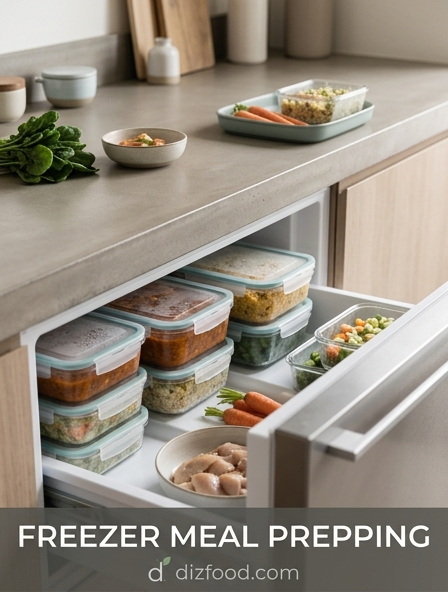
Mastering Freezer Meal Foundations
Embarking on a freezer meal journey requires a shift in culinary perspective, moving from daily preparation to a systematic assembly-line approach. The foundation of successful freezer cooking lies in understanding how low temperatures affect various ingredients and mastering the art of par-cooking. By preparing meals in bulk, you create a reservoir of home-cooked options that mitigate the stress of busy weeknights. The primary objective is to maintain nutritional integrity while maximizing convenience.
To begin, one must prioritize the cooling process; placing hot food directly into the freezer can raise the internal temperature of the appliance, potentially compromising the safety of existing stock. Proper organization and preparation involve cleaning your workspace and grouping ingredients by recipe. Consider these core principles:
- Choose recipes that are "freezer-friendly," such as those with high moisture content or dense structures.
- Always allow cooked components to reach room temperature before packaging.
- Ensure all air is removed from packaging to prevent oxidative damage.
- Plan your prep sessions during periods of low kitchen traffic for maximum focus.
By mastering these fundamental steps, you ensure that every meal retrieved from the ice remains as delicious and vibrant as the day it was prepared.
Essential Tools for Cold Storage
Equipping your kitchen with the right hardware is non-negotiable for long-term freezer success. The goal is to create an airtight environment that shields food from the harsh, drying effects of sub-zero air. While standard plastic containers may suffice for short-term storage, high-density polyethylene or tempered glass offer superior protection for extended periods. Investing in a vacuum sealer can drastically extend the lifespan of your proteins and vegetables by removing the primary catalyst for freezer burn.
| Tool Type | Primary Benefit | Best Used For |
|---|---|---|
| Vacuum Sealer | Total air removal | Meats and long-term storage |
| Silicone Bags | Reusability and flexibility | Liquid bases and snacks |
| Aluminum Trays | Even heat distribution | Casseroles and lasagnas |
| Masking Tape | Easy labeling | Inventory management |
Beyond containers, consider specialized tools like "bag stands" which hold storage bags open during the filling process. This prevents spills and ensures a clean seal. Heavy-duty aluminum foil serves as an excellent secondary barrier for items already wrapped in plastic, providing an extra layer of insulation against temperature fluctuations.
Optimal Foods for Freezer Success
Not all ingredients are created equal when subjected to freezing. Successful freezer prepping relies on identifying foods that retain their cellular structure or benefit from the softening effects of the freezing process. Generally, moisture-rich dishes like soups, stews, and sauces are the gold standard because they freeze into a solid block, leaving no room for air pockets. Conversely, vegetables with high water content, such as cucumbers or lettuce, become mushy and unappealing upon thawing.
When selecting ingredients, focus on those that can be easily rejuvenated with heat. The following items are particularly resilient:
- Slow-cooked meats like pulled pork, shredded chicken, and beef chuck.
- Legumes and grains, including lentils, chickpeas, and par-cooked rice.
- Casseroles containing pasta, potatoes, or hearty root vegetables.
- Fruit purees and blanched greens for smoothies or side dishes.
- Unbaked doughs and certain types of hard cheeses.
Understanding the chemistry of your ingredients prevents the disappointment of a soggy meal. For instance, dairy-based sauces can sometimes separate, but can often be emulsified again with vigorous stirring during the reheating phase. Always prioritize high-quality, fresh ingredients to ensure the final thawed product meets your standards.
Strategic Batch Cooking Workflow
Efficiency in the kitchen is achieved through a well-structured workflow that minimizes downtime and maximizes output. Batch cooking is not simply making a large pot of food; it is the strategic orchestration of multiple recipes simultaneously. This involves "task grouping," where you perform all similar actions-such as chopping onions for three different dishes-at once. This reduces the need to clean tools repeatedly and keeps the momentum high throughout the session.
- Review all recipes and create a consolidated grocery and equipment list.
- Clear and sanitize all counter surfaces to create a functional assembly line.
- Start with the items that require the longest cooking times, such as slow roasts or stocks.
- Perform all vegetable prep (peeling, slicing, dicing) in one dedicated block.
- Assemble cold-prep meals while the cooked items are simmering or baking.
- Portion and label items as they reach the appropriate cooling temperature.
This systematic approach ensures that you are not overwhelmed by the volume of work. By treating your kitchen like a professional production line, you can stock a month's worth of meals in a single afternoon, leaving the rest of your weeks free from culinary labor.
Inventory Systems for Busy Kitchens
A freezer full of unidentifiable frost-covered packages is a liability rather than an asset. Implementing a robust inventory system is the only way to ensure that your hard work does not go to waste. The "First In, First Out" (FIFO) method is the industry standard for food rotation, ensuring that older meals are consumed before newer ones. This prevents food from lingering past its peak quality and helps you track what your family actually enjoys eating.
A successful inventory system should be both visual and accessible. Consider the following components for your system:
- External Whiteboard: Track contents, dates, and quantities without opening the door.
- Standardized Labels: Include the meal name, prep date, and specific reheating instructions.
- Color-Coding: Use different colored markers for proteins, vegetarian options, or breakfast items.
- Digital Apps: Utilize simple spreadsheet or inventory apps for mobile tracking.
Regularly auditing your freezer-ideally once a month-allows you to identify items nearing their storage limit. This practice not only reduces food waste but also informs your next batch cooking session, helping you choose recipes that fill the gaps in your current stock.
Safe Defrosting and Heating Methods
The final hurdle in freezer meal prepping is the transition from ice to the dinner plate. Food safety is paramount; bacteria can multiply rapidly if food is left to thaw at room temperature. The most effective method for preserving texture and ensuring safety is the "refrigerator thaw," which involves moving a meal from the freezer to the fridge 24 to 48 hours before it is needed. This slow temperature change prevents the outer layers from reaching the "danger zone" while the center remains frozen.
| Method | Best For | Typical Duration |
|---|---|---|
| Refrigerator Thaw | Large roasts, casseroles | 24 - 48 Hours |
| Cold Water Bath | Vacuum-sealed proteins | 1 - 3 Hours |
| Microwave Defrost | Small portions, soups | 5 - 15 Minutes |
| Direct Heat | Frozen soups or sauces | 10 - 20 Minutes |
When reheating, ensure the internal temperature reaches at least 165°F (74°C). For oven-baked dishes, covering them with foil during the first half of reheating prevents the surface from drying out while the center reaches the appropriate temperature.
Maximizing Grocery Budget with Bulk
One of the most significant advantages of freezer prepping is the ability to leverage bulk purchasing power. Buying ingredients in larger quantities often results in a lower price per unit, which adds up to substantial savings over time. By aligning your prep schedule with grocery store sales or seasonal harvests, you can acquire high-quality proteins and produce at a fraction of their standard cost. This "buy low, prep high" strategy is the cornerstone of an economical kitchen.
To maximize your budget, focus on these purchasing habits:
- Purchase "family packs" of meat and divide them immediately for specific recipes.
- Buy seasonal produce in bulk and blanch it for long-term storage.
- Utilize wholesale clubs for pantry staples like grains, oils, and canned bases.
- Compare the unit price on labels rather than the total package price.
- Plan your entire prep menu around a few core ingredients bought in high volume.
This approach transforms your grocery shopping from a reactive chore into a proactive investment. By stocking up when prices are at their lowest, you insulate your household budget against inflation and sudden price spikes in the food market.
Maintaining Freshness and Flavor Profiles
The cold environment of a freezer can be detrimental to flavor if not managed correctly. Spices and herbs often change their intensity when frozen; for example, garlic and onion can become more pungent, while others may lose their brightness. To maintain a "fresh-cooked" taste, it is often better to slightly under-season your meals before freezing and add a finishing touch of fresh herbs or citrus juice just before serving. This revives the dish and provides a sensory contrast to the deep, cooked flavors.
To preserve the highest quality of flavor and texture, follow these steps:
- Use high-quality freezer bags and expel every bit of air to prevent freezer burn.
- Double-wrap items that are particularly sensitive to odors, like fish or baked goods.
- Under-cook pasta and grains by 2 or 3 minutes so they finish perfectly during reheating.
- Avoid freezing dishes with high concentrations of cornstarch, as they can become spongy.
- Add "fresh" elements like sour cream, avocado, or cilantro only after the dish is heated.
By treating the freezer as a pause button rather than a final destination, you can ensure that your meals retain their intended complexity and zest.
Time Saving Portioning Techniques
Portioning is the bridge between bulk cooking and daily convenience. The way you divide your meals should reflect your household's actual eating habits. "Flash freezing" is a vital technique here; by freezing individual items-like meatballs, cookie dough balls, or fruit slices-on a flat tray before bagging them, you prevent them from clumping into a single mass. This allows you to pull out exactly what you need, whether it is a single serving or enough for a full dinner party.
Consider these portioning strategies to streamline your service:
- Single-Serve Containers: Ideal for office lunches or quick individual dinners.
- Family-Style Trays: Best for casseroles and lasagnas intended for group dining.
- Component Prepping: Freeze sauces in ice cube trays for easy flavor boosting.
- Flat-Packing: Freeze liquids in bags laid flat to save space and speed up thawing.
- Pre-Cut Proteins: Slicing meat before freezing reduces prep time on the night of cooking.
Efficient portioning also aids in calorie control and reduces plate waste. When every container is the right size for the task at hand, the transition from freezer to table becomes a seamless, effortless process that fits into even the most demanding schedules.
Sustainable Long Term Kitchen Habits
True success in freezer meal prepping is not found in a single productive weekend, but in the cultivation of sustainable habits. Consistency is more valuable than intensity. Rather than attempting to prep fifty meals in one go, consider a "double-batch" habit where you simply cook twice as much as you need for dinner and freeze the half you don't eat. Over time, this builds a diverse and deep inventory without the exhaustion of a dedicated marathon prep session.
To maintain a sustainable system, integrate these habits into your routine:
- Dedicate ten minutes a week to cleaning out older items and updating your inventory list.
- Keep a "meal request" list to track which freezer meals were the most successful.
- Store empty containers in a dedicated, organized space to make prep day easier.
- Always wash and dry freezer bags that are eligible for reuse to reduce waste.
- Involve family members in the assembly process to share the workload.
When freezer prepping becomes a natural extension of your kitchen culture, it ceases to be a chore and becomes a powerful tool for health, economy, and time management. This long-term perspective ensures your freezer remains a helpful ally in your daily life.


Comments