
Have you ever wondered why restaurant-style fries possess a shatteringly crisp exterior while homemade versions often turn out limp or greasy? The professional secret lies in the transition from single frying to the double-fry technique. While single frying is a straightforward, one-step process ideal for quick snacks, it often traps moisture inside, leading to rapid sogginess. In contrast, double frying-the gold standard in culinary arts-involves a two-stage temperature approach. By first par-cooking at a lower heat to soften the interior and then finishing with a high-heat flash fry, you effectively dehydrate the surface and create a reinforced starch crust. This method doesn't just enhance the "crunch factor"; it ensures your food maintains its structural integrity and golden-brown perfection long after it leaves the oil.
| Feature | Single Frying | Double Frying |
|---|---|---|
| Process | One continuous immersion | Two-stage (Par-fry + Flash-fry) |
| Temperature | Constant (325°F-350°F) | Variable (300°F then 375°F+) |
| Texture | Soft, slightly chewy exterior | Shatteringly crisp, glass-like crust |
| Internal Result | Dense or occasionally oily | Light, fluffy, and steamed |
| Moisture Retention | High (leads to faster sogginess) | Low (surface moisture evaporated) |
| Best For | Battered fish, donuts, hushpuppies | French fries, wings, fried chicken |
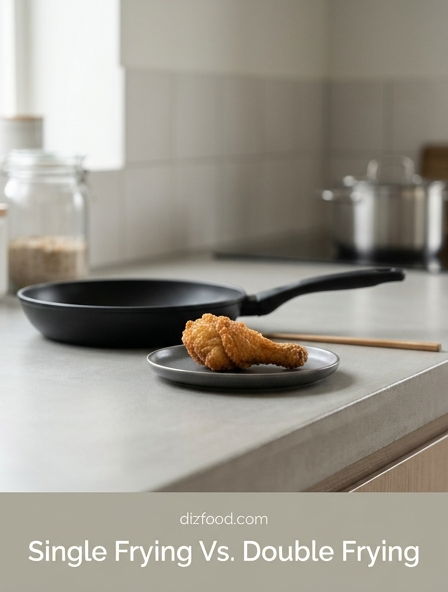
The Science Behind Single vs Double Frying
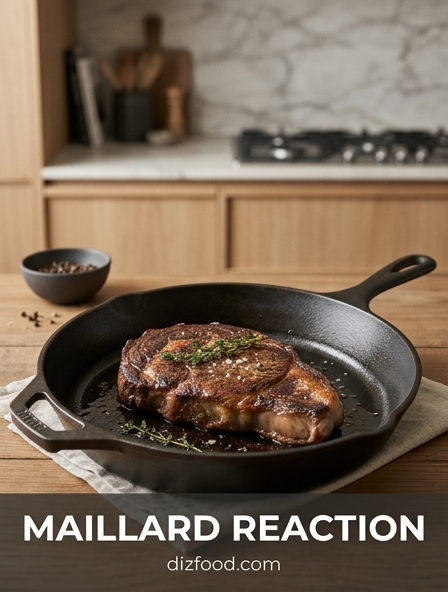
Understanding the difference between single and double frying requires an exploration of thermodynamics and food chemistry. At its core, frying is a dehydration process. When food is submerged in hot oil, the surface moisture begins to evaporate, creating steam that pushes outward. This outward pressure prevents oil from penetrating too deeply into the food while simultaneously forming a crust. In a single fry, this process happens continuously. The exterior browns via the Maillard reaction while the interior cooks through heat conduction. However, as the food sits, internal moisture often migrates back to the crust, leading to sogginess.
Double frying introduces a strategic pause that alters the structural integrity of the food. The first fry, typically done at a lower temperature, serves to cook the interior and gelatinize the starches on the surface without significant browning. When the food is removed and cooled, the starches undergo retrogradation, forming a more rigid network. The second fry, performed at a higher temperature, flash-evaporates any remaining surface moisture and any moisture that migrated during the resting period. This creates a much more durable, porous, and glass-like crust that resists wilting. The science suggests that the double fry effectively creates a microscopic barrier that protects the crispness far longer than a single-pass method.
- Maillard Reaction: The chemical reaction between amino acids and reducing sugars that gives browned food its distinctive flavor.
- Starch Gelatinization: The process where starch granules absorb water and swell, setting the stage for a crisp exterior.
- Vapor Pressure: The internal force that keeps oil from entering the food while steam is escaping.
Achieving Maximum Crispiness Through Double Frying
Maximum crispiness is the holy grail of fried foods, and double frying is the most reliable technique to achieve it. The secret lies in the manipulation of the food's outer layer. During the first fry, the heat is kept moderate. This stage ensures the food is cooked through to the center while allowing the surface starches to swell and form a soft, protective "skin." Once removed from the oil, the food undergoes a cooling phase. This is not merely a rest; it allows internal steam to escape and the starch molecules to stabilize. Without this break, the steam trapped inside would eventually soften the crust from the inside out.
The second fry is where the magic of "shattering" crispiness happens. By plunging the pre-cooked food into significantly hotter oil, the surface undergoes a rapid dehydration. The high heat creates tiny air pockets within the starch layer, turning it into a light, aerated crust. This is particularly effective for high-starch items like potatoes or battered proteins like Korean Fried Chicken. The resulting texture is significantly more resilient to sauces and ambient humidity. When you double fry, you are essentially building a structure during the first pass and then fossilizing that structure into a brittle, crunchy shell during the second pass. This ensures that the "crunch" is felt through every bite, rather than just a thin, oily film on the surface.
When to Choose Single Frying for Best Results
While double frying is superior for crunch, single frying remains the standard for many culinary applications where texture, speed, and delicacy are prioritized differently. Single frying is ideal for foods with a high water content that cook very quickly, or for items where a soft, tender bite is preferred over a hard crunch. For example, delicate seafood like shrimp or calamari can easily become overcooked and rubbery if subjected to two separate frying stages. In these instances, a single, quick dip in hot oil ensures the protein remains succulent while the light coating achieves a golden hue.
Single frying is also the preferred method for dough-based items such as doughnuts, fritters, and beignets. These items rely on leavening agents like yeast or baking powder to expand. A double fry would likely lead to an overly tough exterior and a dry, oily interior. The single fry allows the dough to rise and brown simultaneously, maintaining a pillowy internal texture. Furthermore, when using very thin batters like tempura, a single fry at a precise temperature is necessary to preserve the lacy, ethereal quality of the coating. If you are working with ingredients that are prone to drying out or those that require a soft, cake-like consistency, the single fry is your best tool.
- Delicate Proteins: Scallops, thin fish fillets, and small shellfish.
- Yeasted Doughs: Doughnuts, churros, and puffed breads.
- Vegetables: Zucchini blossoms or thin asparagus spears that cook in seconds.
How Temperature Affects Double Fried Texture
Temperature control is the defining factor in the success of the double fry technique. The relationship between the oil temperature and the food's internal moisture determines whether the final product will be light and crispy or heavy and grease-laden. During the first stage, the goal is "par-cooking." If the oil is too hot, the outside will brown before the inside is cooked; if it is too cool, the food will simply soak up oil like a sponge. The second stage requires a "thermal shock" to finalize the crust. This high heat must be maintained; adding too much food at once can drop the temperature, ruining the texture.
| Frying Stage | Typical Temp Range | Primary Goal | Resulting Texture |
|---|---|---|---|
| First Fry | 300°F - 325°F | Internal Cooking | Soft, pale, and fully cooked |
| Resting Phase | Room Temp | Moisture Redistribution | Slightly firm and dry surface |
| Second Fry | 375°F - 400°F | Surface Dehydration | Dark golden, glass-like crunch |
As seen in the table, the jump in temperature for the second fry is significant. This 50 to 75-degree difference is what allows the exterior to brown rapidly without overcooking the already-done interior. The intense heat of the second fry also helps to expel any oil that may have been absorbed during the first, lower-temperature stage, contributing to a cleaner mouthfeel.
The Impact of Oil Absorption in Frying Methods
One of the most common misconceptions in the kitchen is that double frying leads to a more oily product because the food is submerged twice. In reality, a properly executed double fry can result in less oil retention than a poorly managed single fry. Oil absorption occurs primarily when the temperature of the oil drops or when the internal steam pressure of the food weakens. When steam stops pushing out, oil begins to seep in. In a single fry, as the food cooks through, the steam pressure gradually slows down, often allowing oil to penetrate the crust toward the end of the cooking cycle.
With double frying, the first fry is relatively short, and the food is removed while it still has significant internal moisture. During the resting period, the oil on the surface is blotted or drained. When the food enters the second, much hotter fry, the immediate and violent evaporation of remaining surface moisture creates a powerful steam barrier. This high-pressure environment effectively locks oil out. Because the second fry is very brief-usually lasting only one to two minutes-there is very little time for oil to penetrate the now-solidified crust. The result is a product that feels dry to the touch and crisp on the palate, rather than heavy and saturated with fat.
Moisture Retention Secrets in Double Fried Foods
Maintaining a juicy interior while achieving a brittle exterior is the primary challenge of frying. Double frying excels at this because it treats the interior and exterior as two separate culinary tasks. During the first fry at a lower temperature, the heat penetrates the food slowly. This gentle cooking prevents the protein fibers from contracting too violently and squeezing out their natural juices. By the time the first stage is complete, the center is perfectly cooked, but the surface is still porous enough to allow some steam to escape during the rest.
The "secret" to moisture retention in this process is the cooling phase. Resting the food allows the heat to carry over and equalize. When the food is subjected to the second fry, the high heat works so quickly on the surface that it creates a sealed "envelope." This envelope traps the remaining internal moisture before it has a chance to evaporate through the crust. In chicken wings, for example, this is why the meat stays succulent and pulls away from the bone easily, despite the skin being incredibly crunchy. To maximize this effect, many chefs use a starch-heavy coating (like cornstarch or potato starch) which forms a more effective moisture seal than standard wheat flour during the double fry process.
Best Ingredients for the Double Fry Technique
Not every ingredient is a candidate for double frying. The technique works best with foods that have a high starch content or a robust protein structure that can withstand multiple heat exposures. Potatoes are the most famous example; the classic French fry is almost always double-fried to ensure a fluffy interior and a snap-crisp exterior. Similarly, thick-cut root vegetables like sweet potatoes or parsnips benefit from this method to overcome their high sugar content, which might otherwise burn during a long single fry.
Proteins with skin or heavy batters are also prime candidates. Chicken wings, particularly in the style of Korean or Cantonese cuisine, utilize double frying to render the fat out of the skin, making it paper-thin and crunchy. When using batters, those containing cornstarch, rice flour, or vodka are particularly responsive to the double fry. These ingredients create a brittle structure that doesn't become "bread-like" or chewy when reheated. On the other hand, thin-skinned vegetables or delicate fish are usually too fragile for this process.
- Russet Potatoes: High starch content makes them the gold standard for double frying.
- Chicken Wings: The skin acts as a natural vessel for achieving a crackling texture.
- Pork Belly: Double frying helps render fat while crisping the "lecker" or skin layer.
- Starch-Based Batters: Mixtures using corn, rice, or potato starch rather than just all-purpose flour.
Efficiency and Speed Benefits of Single Frying
In a fast-paced commercial kitchen or a busy home environment, the single fry method offers undeniable advantages in terms of efficiency and throughput. While double frying requires extra equipment (or a cooling rack), extra time, and precise monitoring of two different temperatures, single frying is straightforward. It allows for a continuous workflow where raw ingredients go in and finished products come out in one rhythmic cycle. This is particularly important for high-volume items like tortilla chips, onion rings, or breaded chicken tenders where the expectation is a consistent, serviceable crunch rather than a gourmet "shatter."
- Reduced Labor: No need to manage "in-between" stages or multiple batches of resting food.
- Lower Energy Consumption: Keeping a fryer at one consistent temperature is more energy-efficient than fluctuating between low and high heat.
- Faster Table Turnaround: Orders are completed in half the steps, ensuring that food reaches the customer or family members as quickly as possible.
- Simpler Training: For home cooks or new line cooks, mastering one temperature is significantly easier than learning the nuances of when to pull and re-drop food.
While the texture may not be as long-lasting as double-fried items, single frying is the most practical choice for everyday meals and fast-casual dining where the food is intended to be consumed immediately upon leaving the oil.
Creating the Perfect Golden Crust Every Time
Achieving a perfect golden-brown crust-neither too pale nor too dark-is a balancing act between sugar, pH, and time. In single frying, this color must be achieved at the exact moment the interior reaches safety. This often requires a "sweet spot" temperature of 350°F to 360°F. If the oil is hotter, the crust darkens before the inside is ready. If it is cooler, the food becomes blonde and greasy. Adding a small amount of sugar or honey to a marinade or batter can accelerate browning, while a pinch of baking soda can raise the pH level, encouraging the Maillard reaction to occur more vigorously.
In double frying, the golden crust is specifically the goal of the second stage. Because the food is already cooked, the chef can focus entirely on the aesthetic and textural qualities of the exterior. The high heat of the second fry (375°F+) causes the sugars to caramelize almost instantly. To ensure an even color, it is vital to keep the food moving in the oil. This prevents "hot spots" where the food touches the bottom of the pot. Furthermore, using fresh oil is key; old oil contains degraded carbon particles that can streak the food and cause a bitter, unevenly dark appearance. A perfect crust should be uniform in color, signaling a light, toasted flavor that complements the ingredients inside.
Choosing the Right Method for Your Next Recipe
Selecting between single and double frying depends on your ultimate goal for the dish. If you are looking for a quick, tender result with a light coating, single frying is the superior choice. It preserves the integrity of delicate ingredients and saves significant time. However, if your goal is a professional-grade crunch that stays crispy even after being tossed in a wet sauce, you must commit to the double fry. The extra effort of par-cooking and resting the food is the only way to achieve that specific, glass-like texture found in the world's best fries and fried chicken.
| Food Type | Recommended Method | Why? |
|---|---|---|
| French Fries | Double Fry | Ensures fluffy inside, crunchy outside |
| Tempura Vegetables | Single Fry | Preserves delicate, lacy texture |
| Korean Fried Chicken | Double Fry | Renders fat and hardens the crust |
| Doughnuts | Single Fry | Maintains soft, airy crumb |
| Thick Mozzarella Sticks | Double Fry (Frozen) | Prevents cheese blow-outs while crisping |
Ultimately, the best method is the one that fits your schedule and the specific requirements of your ingredients. For a weekday dinner, single frying is usually sufficient. For a culinary project or a special gathering where texture is the star of the show, the double fry is a technique well worth the extra steps. By matching the method to the ingredient, you ensure a perfect result every time you heat up the oil.

Comments