
Achieving the perfect bite often comes down to one overlooked variable: the lid. Whether you are aiming for a shatteringly crisp exterior or a succulent, fall-off-the-bone interior, the choice between open pot frying and covered frying dictates the final molecular structure of your food. Open frying excels at moisture evaporation, allowing the Maillard reaction to flourish without the interference of steam, making it the go-to for traditional fries and breaded snacks. Conversely, covered frying-a technique often mastered in Southern-style "smothered" dishes-uses trapped steam to conduct heat faster into the core of dense proteins, ensuring the meat cooks through before the crust burns. Mastering this balance is the ultimate secret to perfecting food texture and elevating your home cooking to professional standards.
| Feature | Open Pot Frying | Covered Frying |
|---|---|---|
| Primary Mechanism | Continuous evaporation | Steam-assisted conduction |
| Texture Profile | Maximum crunch/dry exterior | Tender interior/softened crust |
| Cooking Speed | Standard (surface-inward) | Accelerated (trapped heat) |
| Ideal Ingredients | Small bites, thin cuts, tempura | Thick poultry, bone-in meats |
| Moisture Level | Low (drives out water) | High (retains juices) |
| Oil Splatter | High; requires constant monitoring | Minimal; contained by lid |
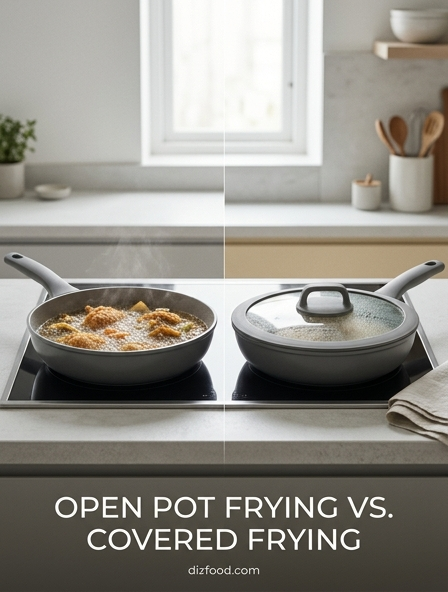
The Science of Open Pot Frying for Maximum Crunch
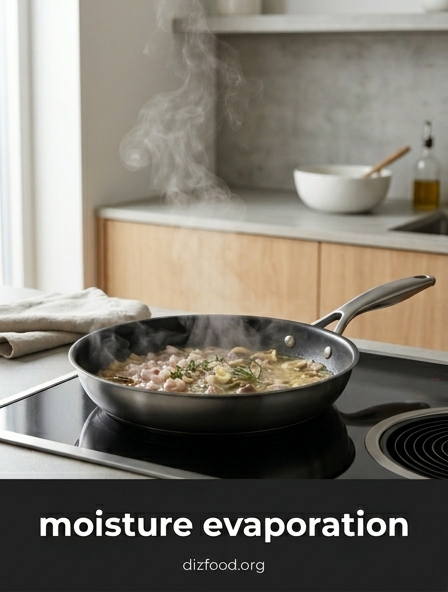
Open pot frying is the gold standard for achieving a truly crystalline, crunchy texture. The science behind this lies in the unrestricted escape of moisture. When food hits hot oil, the water within its surface layers rapidly turns into steam. In an open pot environment, this steam escapes freely into the atmosphere. This process is essential because it allows the surface of the food to dehydrate completely, which is the primary requirement for the Maillard reaction and caramelization to create a hard, browned crust. Without the interference of trapped moisture, the oil can maintain direct contact with the batter or skin, ensuring a consistent temperature transfer that hardens the exterior before the interior becomes overcooked.
Furthermore, open frying facilitates a specific type of heat convection. As steam rises away from the pot, it prevents the formation of a localized "humidity blanket" that would otherwise soften the coating. This is why professional kitchens almost exclusively use open fryers for items like tempura, French fries, and battered fish. To achieve the best results, one must consider the following factors:
- Surface Area: Using a wide, open pot increases the evaporation rate, leading to a faster set for the crust.
- Oil Volume: Maintaining a high oil-to-food ratio prevents temperature drops that cause sogginess.
- Vapor Escape: Continuous airflow over the pot ensures that moisture does not settle back onto the food surface.
By allowing the steam to dissipate immediately, the crust remains porous and dry, which results in that characteristic "shatter" when bitten. This method is the preferred choice for any recipe where the primary goal is a high-contrast texture between a dry, crispy shell and a soft interior.
Benefits of Covered Frying for Moisture Retention
Covered frying, often associated with traditional Southern-style fried chicken, utilizes a lid to trap steam and heat during the cooking process. This method creates a pressurized environment that serves as a hybrid between frying and steaming. The primary benefit is the retention of moisture within the proteins. When the pot is covered, the steam rising from the food is trapped, creating a humid microclimate. This moisture prevents the internal juices of the meat from evaporating as quickly as they would in an open pot, ensuring that the final product remains succulent and tender, even when cooked to high internal temperatures.
This technique is particularly advantageous for thick cuts of meat or bone-in pieces that require longer cooking times. In an open pot, the exterior might burn before the center reaches a safe temperature. However, the trapped heat in a covered pot circulates more efficiently, cooking the food from all sides simultaneously. The benefits of this approach are notable for specific culinary goals:
- Reduced Drying: The humid environment acts as a barrier against excessive fluid loss in lean meats.
- Heat Penetration: Steam conducts heat more effectively than air, speeding up the cooking of deep tissues.
- Softened Breading: For those who prefer a "chewy" or "cake-like" fried coating rather than a brittle one, the lid is essential.
While the crunch may be slightly diminished compared to open frying, the tradeoff is a significantly juicier interior. This makes covered frying the ideal choice for home cooks who prioritize the flavor and texture of the meat itself over the absolute crispness of the outer layer.
Open versus Covered Frying Heat Distribution
The distribution of heat varies significantly between open and covered frying, affecting both the oil temperature and the ambient temperature around the food. In open pot frying, the heat is primarily concentrated at the bottom of the pot and within the oil itself. Heat is lost rapidly from the surface of the oil to the kitchen air, which can lead to temperature fluctuations if the burner is not powerful enough. This creates a steep temperature gradient where the submerged part of the food is much hotter than the part exposed to the air.
Conversely, covering the pot creates a more uniform thermal environment. The lid reflects radiant heat back down toward the oil and traps the hot steam, which assists in cooking the top surface of the food. This reduces the need for frequent flipping and ensures that the oil temperature stays more stable, as less heat is lost to the room. The following table highlights the key differences in heat dynamics:
| Feature | Open Pot Frying | Covered Frying |
|---|---|---|
| Primary Heat Source | Direct Oil Contact | Oil and Trapped Steam |
| Temperature Stability | Lower (Heat escapes) | Higher (Heat retained) |
| Heat Gradient | High (Hot bottom, cool top) | Low (Uniform ambient heat) |
| Recovery Time | Slower after adding food | Faster due to insulation |
Understanding these dynamics allows a cook to manipulate the cooking environment based on the equipment available. If using a thin-walled pot, covering it might be necessary to maintain consistent frying temperatures, whereas a heavy cast-iron skillet might provide enough thermal mass to fry effectively without a lid.
Texture Comparison Crispness versus Tenderness
Texture is perhaps the most debated aspect of frying techniques. The choice between an open or covered pot dictates the structural integrity of the food's coating and the fiber tension of the interior. Open frying produces a "short" texture-a term used by bakers and chefs to describe a crumbly, brittle, and dry consistency. This is the result of rapid dehydration. The starch in the batter or flour coating undergoes retrogradation and dehydration simultaneously, forming a rigid lattice that shatters upon impact. For French fries, this results in the coveted "glassy" exterior that protects a fluffy, starchy interior.
In contrast, covered frying promotes tenderness. The trapped steam slightly hydrates the starches in the breading while it fries, resulting in a coating that is more flexible and integrated with the meat. This is often described as "homestyle" texture. The protein fibers in the meat are also less likely to tighten and squeeze out juices because the cooking environment is humid. The steam prevents the surface from reaching the extreme temperatures that cause over-browning and toughness.
Ultimately, the choice depends on the desired sensory experience. If the goal is a loud, audible crunch that stands up to sauces (like Korean Fried Chicken), open frying is mandatory. If the goal is a soft, velvety bite where the breading melts into the savory juices of the meat (like traditional pan-fried pork chops), the lid should be utilized for at least a portion of the cooking time to balance the two textural extremes.
Managing Oil Splatter in Open and Closed Pots
Managing the mess and safety hazards of oil splatter is a major concern in any kitchen. Splatter occurs when water inside the food turns to steam and expands rapidly, ejecting tiny droplets of hot oil out of the pot. In open pot frying, this is an unavoidable byproduct. To manage it without a lid, cooks often use splatter screens-fine mesh discs that allow steam to escape while catching most oil droplets. This maintains the benefits of open frying while keeping the stove clean.
Covered frying naturally contains all splatter, but it introduces a different risk: condensation. If a solid lid is used, steam hits the underside of the lid, cools, and turns back into liquid water. If this water drips back into the hot oil, it can cause a violent eruption or "boil-over." Therefore, managing moisture is more complex when the pot is covered. To safely manage splatter in both scenarios, follow these steps:
- For Open Frying: Use a high-sided Dutch oven to keep droplets contained within the walls of the vessel.
- For Covered Frying: Tilt the lid slightly to allow a small amount of steam to escape, preventing excessive condensation buildup.
- Surface Prep: Ensure all food is patted dry with paper towels before frying to minimize the initial water-oil reaction.
- Lid Removal: When removing a lid, lift it straight up and away from the pot so that collected water does not slide into the oil.
By understanding the behavior of steam and oil, cooks can maintain a cleaner workspace and reduce the risk of accidental burns from popping fat.
When to Keep the Lid On During Deep Frying
While deep frying is traditionally an open-air process, there are specific culinary instances where keeping the lid on is strategically advantageous. The most common scenario is during the initial phase of frying large, bone-in poultry pieces. Chicken thighs and drumsticks take a significant amount of time for heat to reach the bone. By covering the pot for the first 5 to 7 minutes of frying, the cook creates a localized "steam-pressure" effect that drives heat into the center of the meat more rapidly than oil alone could.
Another instance is when frying dense root vegetables or thick-cut potato wedges. Covering the pot at the start allows the vegetables to soften and "par-cook" in the steam while the exterior begins to golden. This ensures that the potato is creamy and fully cooked without the outside becoming burnt or overly tough. However, it is a cardinal rule that the lid must be removed for the final few minutes of the frying process. This final "open" phase allows the accumulated moisture in the crust to evaporate, ensuring that the food doesn't come out soggy.
Lastly, covering can be useful in outdoor frying setups where wind might cause significant heat loss. In a controlled indoor environment, however, the lid should be seen as a tool for heat penetration rather than a permanent fixture. Using the lid selectively allows for the speed of steaming combined with the browning power of frying.
The Impact of Trapped Steam on Fried Food Quality
Trapped steam is the primary enemy of crispness but a friend to efficiency. When a lid is placed over a frying pot, the humidity levels rise to nearly 100% within the vessel. This has a profound impact on the quality of the breading. Most fried food coatings rely on the rapid evaporation of water to create a rigid structure. When steam is trapped, it gets absorbed back into the flour or starch layers, potentially leading to a "gummy" or doughy interface between the meat and the crust. This can cause the breading to slide off the food entirely, a common failure in poorly executed covered frying.
Furthermore, the trapped steam affects the oil itself. Highly humid environments can accelerate the breakdown of frying oil through a process called hydrolysis. As water is forced into the oil under the lid, it breaks the fatty acid chains, leading to a lower smoke point and a "greasy" taste in the food. To maintain quality while using a lid, the cook must be vigilant. The quality of the fried food is best maintained by:
- Ventilation: Always leaving a crack for steam to escape.
- Timing: Using the lid only during the middle stage of cooking.
- Temperature Control: Increasing the heat slightly when the lid is removed to flash-evaporate any surface moisture.
Properly managing the steam ensures that the benefits of faster cooking do not result in a compromised, soggy texture that lacks the appetizing appeal of well-fried cuisine.
Comparing Cooking Times for Both Frying Methods
Cooking times can vary significantly between open and covered frying methods due to the difference in heat transfer efficiency. Covered frying is generally faster because steam is a much more efficient conductor of heat than the air above an open pot. Additionally, the lid prevents evaporative cooling, which occurs when the surface of the food is cooled by escaping steam. In an open pot, the energy of the oil is constantly fighting against the cooling effect of evaporation, which extends the time needed to reach the desired internal temperature.
For example, a thick chicken breast might take 12 to 15 minutes to cook through in an open pan, whereas covering it can reduce that time to 8 to 10 minutes. This efficiency is particularly helpful in high-volume cooking or when trying to coordinate multiple dishes. The following table provides a general comparison of estimated cooking times for common fried items:
| Food Item | Open Pot Time | Covered Pot Time |
|---|---|---|
| Bone-in Chicken | 15-20 mins | 12-15 mins |
| Thick Potato Wedges | 10-12 mins | 7-9 mins |
| Fish Fillets | 4-6 mins | Not recommended |
| Pork Chops | 8-10 mins | 6-7 mins |
While the covered method saves time, it requires more active monitoring. Because the food cooks faster and the environment is hotter, the window between "perfectly cooked" and "overdone" is much smaller. Cooks should use an instant-read thermometer to ensure accuracy when utilizing the accelerated covered method.
Safety Essentials for Open Pot and Covered Frying
Frying is one of the most hazardous cooking techniques due to the high temperatures and the flammability of oil. Safety must be the priority, regardless of whether a lid is used. In open pot frying, the primary danger is the "splash zone" and the potential for oil to overflow if too much food is added at once. Without a lid, the oil is also more exposed to oxygen, which can lead to a flash fire if the oil reaches its auto-ignition temperature.
Covered frying introduces the unique danger of "steam-induced boil-overs." As discussed, water dripping from a lid into hot oil can cause the oil to expand and spill over the sides of the pot, potentially hitting the burner and causing a massive fire. To ensure safety in the kitchen, adhere to the following guidelines:
- Never Leave Unattended: Oil can go from shimmering to flaming in less than a minute.
- Dry All Tools: Ensure tongs and lids are completely dry before they come near the oil.
- Use a Thermometer: Monitor the oil to ensure it stays below 400°F (204°C).
- Fire Readiness: Always have a lid nearby (to smother a fire) and never use water to extinguish an oil fire.
- Avoid Overfilling: Never fill a pot more than halfway with oil to allow room for bubbling and displacement.
By respecting the physics of hot oil and the potential energy of trapped steam, you can enjoy the culinary rewards of frying without unnecessary risk to your home or person.
Choosing the Best Frying Method for Every Recipe
The final decision on whether to fry with a lid or without depends entirely on the specific requirements of the recipe and the nature of the ingredients. A general rule of thumb is to consider the moisture content and the thickness of the food. For lightweight, high-surface-area items like spinach, thin potato slices (chips), or small shrimp, open frying is always superior. These items cook almost instantly, and any trapped steam would immediately ruin their delicate, crispy texture.
For dense, protein-heavy items, a hybrid approach is often the best culinary secret. Starting with a lid allows the heat to penetrate the center of the meat, ensuring safety and juiciness, while finishing without the lid allows the exterior to crisp up. This is particularly effective for thick-cut pork chops or "country-fried" steaks. When choosing your method, consider these final tips:
- Batter vs. Breading: Wet batters (like beer batter) should always be fried in an open pot to prevent them from becoming a soggy mess. Dry breading (flour or breadcrumbs) is more tolerant of covered frying.
- Vegetables: Most vegetables benefit from open frying to preserve their color and snap.
- Donuts and Pastries: These should be fried open to allow them to rise and develop a uniform, airy crumb.
Mastering both techniques allows a cook to be versatile. By understanding when to let the steam escape and when to trap it, you can achieve professional-level results that balance the perfect crunch with a succulent, flavorful interior every time you step into the kitchen.

Comments