
Choosing between an electric deep fryer and a classic stovetop Dutch oven often comes down to a balance of high-tech precision versus culinary versatility. If you're chasing that restaurant-quality crunch, a dedicated electric fryer offers integrated thermostats that eliminate the guesswork of fluctuating oil temperatures, ensuring your favorites like French fries and wings never turn out greasy. Conversely, the heavy-duty cast iron of a Dutch oven provides unmatched heat retention and a multi-purpose kitchen footprint, making it the go-to for home chefs who prefer a hands-on approach and a tool that handles more than just frying. Whether you prioritize the "set it and forget it" safety of a plug-in unit or the rugged, high-heat reliability of stovetop frying, understanding their thermal dynamics is the ultimate secret to achieving that coveted golden-brown perfection every time.
| Feature | Electric Deep Fryer | Stovetop Dutch Oven |
|---|---|---|
| Temp Control | Automatic thermostat; precise and consistent. | Manual; requires external probe thermometer. |
| Safety | Cool-touch walls and break-away cords. | High splatter risk; heavy pot stability. |
| Heat Recovery | Slower; heating elements sit in oil. | Superior; thick walls retain thermal mass. |
| Versatility | Single-use kitchen appliance. | Multi-use (baking, braising, stews). |
| Cleanup | Often dishwasher safe; oil drainage valves. | Heavy; requires manual scrubbing and seasoning. |
| Price/Life | $50-$150; limited by electronic lifespan. | $40-$300+; lasts a lifetime (heirloom). |
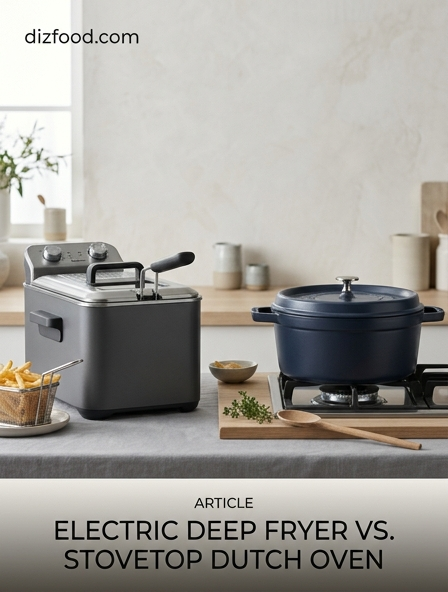
Electric Deep Fryer vs Stovetop Dutch Oven Comparison
The debate between using a dedicated electric deep fryer and a traditional stovetop Dutch oven often centers on the balance between convenience and culinary flexibility. Electric deep fryers are specialized appliances designed specifically for one task: submerging food in hot oil to achieve a crisp, golden-brown exterior. They typically feature an internal heating element and a built-in thermostat to regulate temperatures. On the other hand, the Dutch oven is a heavy-bottomed pot, usually made of enameled cast iron, that relies on an external heat source like a gas or electric range.
When choosing between these two kitchen staples, home cooks must evaluate their frequency of frying and their comfort level with handling large volumes of hot oil. The following table highlights the primary differences between the two methods:
| Feature | Electric Deep Fryer | Stovetop Dutch Oven |
|---|---|---|
| Temperature Control | Automatic/Thermostatic | Manual (Requires Thermometer) |
| Safety | Breakaway cords and locking lids | High thermal mass but open top |
| Versatility | Unitasker (Frying only) | Multitasker (Baking, stewing, searing) |
| Oil Capacity | Fixed reservoir | Variable depending on pot size |
While the electric fryer simplifies the process through automation, the Dutch oven remains a favorite for those who prefer a minimalist kitchen approach, as it does not require a dedicated storage spot for an appliance that only serves one purpose. However, for those who fry foods weekly, the streamlined nature of an electric unit often outweighs the versatility of a pot.
Temperature Control and Heating Efficiency Differences
Precise temperature management is the most critical factor in achieving high-quality fried food. Electric deep fryers excel in this area by utilizing an integrated thermostat that communicates directly with the submerged heating element. This setup allows the unit to cycle on and off to maintain a consistent temperature, which is vital when adding cold or frozen foods that naturally cause the oil temperature to drop. Because the heating element is in direct contact with the oil, these units often reach the target temperature faster than a pot sitting on a stove.
In contrast, a Dutch oven requires the cook to act as the thermostat. Using a clip-on deep-fry thermometer is mandatory to monitor fluctuations. Because cast iron has high thermal emissivity and mass, it retains heat exceptionally well once it reaches the target temperature. However, adjusting the heat on a stovetop is a slower process; if the oil becomes too hot, it takes significantly longer to cool down than it would in an electric unit. Heating efficiency on a stove also depends on the burner's power, with gas ranges typically offering more responsive control than traditional electric coils.
- Electric Recovery Time: Fast, due to sensors detecting temperature drops instantly.
- Dutch Oven Heat Retention: Superior, preventing drastic drops when large batches are added.
- Precision: Electric fryers are "set and forget," while Dutch ovens require constant vigilance.
Ultimately, the electric fryer provides a safety net for beginners who may not know how to read the physical signs of oil temperature, such as shimmering or bubbling. Professional results can be achieved with a Dutch oven, but it demands a higher degree of technical skill and attention to the burner settings throughout the cooking process.
Safety Features and Oil Splatter Protection
Safety is a paramount concern when dealing with gallons of oil heated to 375 degrees Fahrenheit. Electric deep fryers are engineered with several safety protocols to mitigate the risk of fires and burns. Most modern units come equipped with a magnetic breakaway power cord. If someone trips over the cord, it detaches instantly from the unit rather than pulling the entire vat of boiling oil off the counter. Furthermore, many electric models feature a locking lid with a viewing window and a built-in charcoal filter, which allows the food to fry while contained, virtually eliminating oil splatter on the cook and the surrounding surfaces.
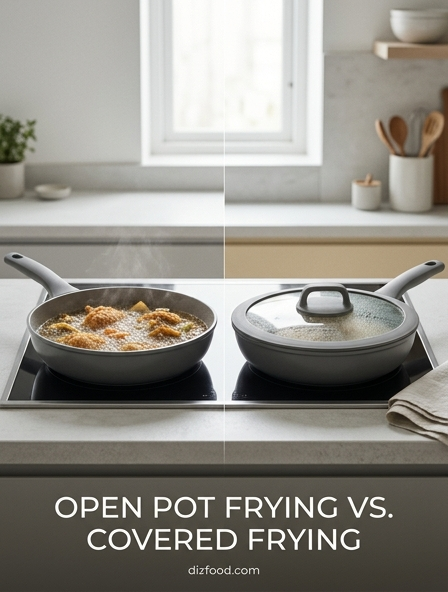
The stovetop Dutch oven lacks these automated safety features, relying instead on the physical properties of the vessel and the caution of the user. The high sides of a Dutch oven provide a natural barrier against some splashing, but the top remains mostly open to allow steam to escape. If a lid is used on a Dutch oven while frying, moisture can build up and drip back into the oil, causing dangerous eruptions. To manage this, cooks often use a separate fine-mesh splatter screen.
- Stability: The heavy weight of a Dutch oven makes it difficult to knock over accidentally.
- Lid Design: Fryer lids are designed to vent steam safely; Dutch oven lids are not intended for active frying.
- Containment: Electric fryers keep the "mess" inside the machine, whereas Dutch ovens can leave a fine mist of oil on the stove and backsplash.
For households with children or pets, the enclosed environment of an electric fryer offers peace of mind. The open flame of a gas stove combined with a pot of oil presents a higher fire risk, necessitating the constant presence of a fire extinguisher or baking soda nearby.
Kitchen Versatility and Multi-Purpose Usage
When evaluating the value of kitchen equipment, versatility is often the deciding factor. The Dutch oven is widely considered the "workhorse" of the kitchen. Beyond deep frying, it is the ideal vessel for braising tough cuts of meat, simmering long-cook tomato sauces, boiling pasta, and even baking artisanal sourdough bread. Its ability to transition from the stovetop to the oven makes it indispensable for recipes that require searing followed by a slow roast. Because it is made of durable materials like cast iron or stainless steel, it can last for decades, serving multiple roles in daily meal preparation.
Conversely, the electric deep fryer is a "unitasker." Its design is optimized solely for frying, and it cannot be used for any other cooking method. The internal basket and heating element configuration make it impossible to use for stews or baking. For a cook with limited kitchen inventory, the deep fryer may feel like a luxury that takes up space without providing broad utility. However, for those who specialize in specific cuisines-such as Southern fried chicken, Japanese tempura, or Belgian fries-the specialized nature of the fryer is its greatest strength.
The Dutch oven's versatility also extends to its serving capabilities. Many enameled models are aesthetically pleasing enough to go directly from the stove to the dining table. An electric fryer, with its industrial appearance and power cords, is strictly a back-of-house tool. While the fryer wins on efficiency for its specific task, the Dutch oven wins the overall utility competition by replacing five or six different pieces of cookware.
Cleaning Maintenance and Oil Drainage Solutions
Cleaning up after a deep-frying session is often the most deterrent aspect of the process. Electric deep fryers have traditionally been difficult to clean because of the integrated electrical components that cannot be submerged in water. However, many high-end modern models now feature removable oil vats and dishwasher-safe baskets. One of the most significant advantages of premium electric fryers is the built-in oil filtration and drainage system. These units often include a lever that drains the oil through a filter into a storage container located at the bottom of the machine, making it easy to reuse clean oil and discard the sediment.
Cleaning a Dutch oven is more straightforward in terms of the vessel itself, but the oil management is entirely manual. Once the oil has cooled completely, the cook must use a funnel and cheesecloth or a fine-mesh strainer to pour the oil back into a container for storage. This process can be messy and carries the risk of spills. Once the oil is removed, the Dutch oven can be washed in the sink with warm soapy water. Enameled surfaces are generally easy to wipe down, though stubborn carbonized oil spots may require a paste of baking soda and water.
- Electric Fryer Maintenance: Requires careful cleaning of the heating element and periodic replacement of charcoal odor filters.
- Dutch Oven Maintenance: Simple washing; if raw cast iron, requires seasoning to maintain the non-stick surface.
- Oil Disposal: Easier in fryers with drainage taps; more cumbersome in heavy pots.
Ultimately, while the Dutch oven is easier to scrub, the electric fryer often wins on oil management, which is the most labor-intensive part of deep frying at home.
Countertop Space and Storage Considerations
Kitchen real estate is a finite resource, and both tools demand a significant amount of it. An electric deep fryer is a bulky appliance that typically resides on the countertop or in a deep pantry shelf. Because of its size and the lingering smell of oil, many users prefer to store it in a garage or basement when not in use. Its footprint can range from a small 1-liter unit to large 4-liter family sizes. For those with small kitchens or limited cabinet space, adding a large boxy appliance can be a major disadvantage.
The Dutch oven is also heavy and large, but it has a smaller footprint relative to its volume because it is vertical and lacks the external housing of an electric unit. Because it is used for multiple types of cooking, it often earns a permanent spot on the stovetop or a highly accessible shelf. Many cooks appreciate that a Dutch oven can be "nested" with other pots or used to store smaller items inside it when it is in the cupboard, a feat that is impossible with an electric fryer due to its delicate internal heating elements and baskets.
When considering storage, one must also account for the oil. An electric fryer allows the oil to stay inside the machine (if it has a sealed lid), whereas a Dutch oven must be emptied before the pot can be put away. This means that if you choose the Dutch oven, you also need to find a place for the oil storage containers. In terms of pure space-saving efficiency, the Dutch oven is the superior choice because it negates the need for a separate specialized machine.
Fried Food Quality and Texture Results
The ultimate goal of deep frying is a specific texture: a dry, crunchy exterior and a moist, fully cooked interior. The Dutch oven often produces superior results for large-batch frying because of its high thermal mass. When you drop a pound of cold chicken into a heavy cast-iron pot, the sheer volume of heat stored in the thick walls helps keep the oil temperature from plummeting. This prevents the food from becoming "oil-logged" and greasy. For professional-style results, many chefs prefer the Dutch oven because they can use a higher volume of oil than what is allowed in standard home electric fryers.
Electric fryers, while convenient, sometimes struggle with "temperature lag." When the food is added, the thermostat must detect the drop and then engage the heating element. In lower-end models, this delay can result in food that is slightly softer or less crisp. However, electric fryers provide a much more consistent environment for delicate items like donuts or churros, where even a ten-degree deviation can result in over-browning or raw centers. The immersion heating elements in electric fryers also ensure that there are no "cold spots" in the oil, which can occasionally happen in a pot on an uneven burner.
In summary, the Dutch oven is better for "heavy" frying like bone-in chicken or large batches of fries, while the electric fryer offers the precision needed for "light" and delicate pastries. For the average home cook, the difference in texture may be negligible, but for the enthusiast, the thermal stability of the Dutch oven is hard to beat.
Ease of Use for Deep Frying Beginners
For someone who has never deep-fried at home, the process can be intimidating. The electric deep fryer is designed specifically to lower this barrier to entry. It simplifies the most difficult variables: temperature and timing. Most units have a light that turns green when the oil is ready, and many include a digital timer. The inclusion of a frying basket with a handle allows the user to lower and raise food safely without the risk of splashing hot oil on their hands using tongs or a slotted spoon. This "plug-and-play" approach makes deep frying as simple as using a toaster oven.
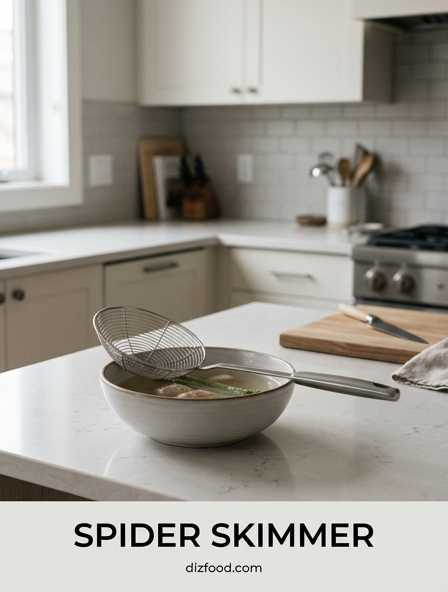
The Dutch oven has a much steeper learning curve. The beginner must learn how to balance the stove's flame to keep the thermometer needle steady. They must also master the "spider" or slotted spoon to move food in and out of the oil safely. There is also the danger of overfilling the pot; if too much food is added, the oil can foam up and boil over the sides, leading to a potential grease fire. This requires the cook to understand the displacement of oil, a concept that is pre-calculated in the "Max Fill" lines of an electric fryer.
- Learning Curve: Low for electric fryers; Moderate for Dutch ovens.
- Monitoring: Automated in fryers; Constant manual observation for Dutch ovens.
- Safety Confidence: Beginners generally feel safer with the enclosed lid of an electric unit.
If the goal is to make a quick batch of frozen appetizers for a party with minimal stress, the electric fryer is the clear winner for ease of use. The Dutch oven is better suited for those who view cooking as a craft and enjoy the process of manual control.
Initial Cost and Long Term Durability
The financial investment for these two tools varies significantly based on quality and brand. A basic electric deep fryer can be purchased for as little as $40, while high-end models with oil filtration systems can exceed $200. However, electric appliances have a limited lifespan. They contain sensors, heating elements, and plastic components that can degrade over time due to heat exposure and grease buildup. Most home cooks find that an electric fryer lasts between five and ten years before a component fails, often making the unit unrepairable.
A high-quality Dutch oven, particularly those from heritage brands like Le Creuset or Staub, can cost between $150 and $400. While the initial investment is higher, the durability is incomparable. A cast-iron Dutch oven is essentially a "lifetime" tool that can be passed down through generations. There are no electronic parts to break, and the heavy construction is nearly indestructible. Even a budget-friendly raw cast iron pot costing $50 will likely outlive any electric fryer on the market.
| Factor | Electric Fryer | Dutch Oven (Cast Iron) |
|---|---|---|
| Entry Price | $40 - $100 | $50 - $400 |
| Lifespan | 5-10 Years | 50+ Years |
| Repairability | Low (Mostly disposable) | High (Can be re-seasoned) |
From a long-term value perspective, the Dutch oven is the more economical choice. However, if you only intend to fry food occasionally, a low-cost electric fryer provides a lower barrier to entry without a significant upfront commitment.
Choosing the Best Tool for Deep Frying at Home
The final decision between an electric deep fryer and a stovetop Dutch oven depends on your kitchen habits, space, and safety priorities. If you are a beginner who is nervous about handling hot oil or someone who wants the convenience of "set-and-forget" temperature controls, the electric deep fryer is the superior option. Its safety features, such as the breakaway cord and the filtered lid, make it a much more approachable tool for the casual cook. Furthermore, the specialized drainage systems in modern units take the mess out of oil management, which is often the biggest hurdle to frying at home.
However, if you value kitchen minimalism and want a tool that can perform multiple functions, the Dutch oven is the better investment. Its ability to sear, bake, and stew makes it a foundational piece of cookware that justifies its price and storage space. While it requires more attention and a separate thermometer, it rewards the cook with better heat retention and the ability to cook larger batches of food. It is also the more sustainable choice, as it will never end up in a landfill due to a blown fuse or a broken heating element.
Consider the following before making your purchase:
- How often do you fry food? (Weekly = Electric; Monthly = Dutch Oven)
- How much storage space do you have? (Limited = Dutch Oven)
- Are there children or pets in the house? (Electric is generally safer)
- Do you enjoy the "process" of cooking? (Manual control of Dutch Oven)
Both tools are capable of producing restaurant-quality fried chicken, french fries, and donuts. By weighing the convenience of modern technology against the durability of traditional cookware, you can select the tool that best fits your culinary lifestyle.

Comments