
The Science of Surface Moisture
Surface moisture is the primary adversary of a crisp texture in the culinary world. When food enters hot oil, the water on its surface undergoes a rapid phase change, turning into steam. This steam creates a localized pressure barrier that prevents oil from penetrating the food too deeply while simultaneously dehydrating the exterior. The efficiency of this process determines the initial formation of a crust. If the surface remains too damp, the energy of the oil is spent purely on evaporation rather than reaching the temperatures required for the Maillard reaction.
- Evaporative Cooling: Keeps the internal temperature lower while the outside browns.
- Leidenfrost Effect: A vapor layer that temporarily insulates the food from the fat.
- Surface Dehydration: The necessary precursor to the hardening of the exterior starch matrix.
Managing this moisture involves thorough patting with paper towels or air-drying in the refrigerator. A dry exterior ensures that the oil's heat is immediately transferred to the proteins and starches, leading to a faster, more even crisping process during the first stage of double frying. This lack of water allows for a more immediate bond between the oil and the food's surface chemistry.
Choosing High Smoke Point Oils
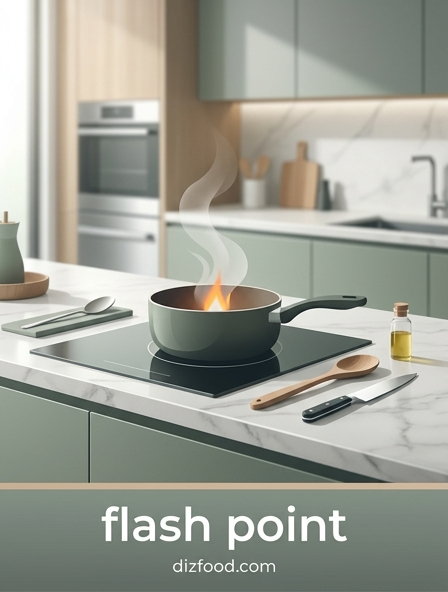
Selecting the correct medium is vital for safety and flavor integrity. A high smoke point is the temperature at which an oil begins to break down, producing acrid smoke and harmful free radicals. For double frying, where temperatures often reach 400°F (205°C) during the final pass, stable fats are non-negotiable. Using an oil with a low smoke point will result in a bitter taste and a greasy texture, as the oil loses its structural integrity before the food is properly crisped.
| Oil Type | Smoke Point | Best Use |
|---|---|---|
| Avocado Oil | 520°F | Extreme high-heat frying |
| Peanut Oil | 450°F | Traditional deep frying |
| Refined Canola | 400°F | Neutral everyday frying |
| Ghee | 485°F | Flavorful high-heat searing |
Refined oils are generally preferred because the refining process removes impurities and free fatty acids that lower the smoke point. While unrefined oils carry more flavor, they degrade too quickly under the intense heat required for a second fry. Peanut and avocado oils remain industry favorites due to their stability and neutral profiles, which allow the natural flavors of the ingredients and the caramelized batter to shine without interference.
Secret of Cold Batter Aeration
The temperature of a batter is a critical variable in achieving a light, shattered-glass texture. When a batter is kept ice-cold, it interacts with the hot oil to create a massive thermal shock. This shock causes the gases within the batter-often introduced via carbonated liquids like soda water or beer-to expand violently and instantly. This rapid expansion creates microscopic air pockets that result in a porous, airy crust. Furthermore, cold temperatures inhibit the development of gluten in wheat-based batters, which is essential for a crisp finish.
Gluten development is the enemy of crispness; it creates a chewy, bread-like texture rather than a brittle one. By using chilled flour and ice-cold liquids, the hydration of proteins is slowed down significantly. This ensures the batter remains thin and fluid enough to coat the food lightly without becoming elastic. When combined with the first fry of the double-fry technique, these air bubbles are set into a rigid structure. This provides the perfect foundation for the second, higher-heat fry that will ultimately dehydrate those bubble walls into a delicate, golden crunch that shatters upon impact.
Starch Selection for Ultimate Crunch
The choice of starch dictates the structural integrity and longevity of the crunch. While all-purpose flour is common, its high protein content can lead to toughness. Specialized starches are often employed to bypass this issue and enhance the "shatter" factor of the fried coating. Each starch behaves differently when subjected to the high heat of a deep fryer, and understanding these properties is key to a perfect double fry.
- Cornstarch: Provides a very smooth, crisp coating that browns slowly and stays rigid.
- Potato Starch: Creates a craggy, heavy-duty crunch with excellent moisture resistance.
- Rice Flour: Yields a thin, delicate, and pale crust often found in traditional tempura.
- Wheat Starch: Offers a balance of structure without the chewiness associated with gluten.
A combination of these starches is often the best approach. For example, mixing cornstarch with wheat flour reduces the overall protein percentage, resulting in a crispier finish. Potato starch is particularly prized in double-frying because its large granules create a varied surface area that traps more air, leading to a more complex texture once the second fry removes the residual internal moisture that migrated to the surface after the first pass.
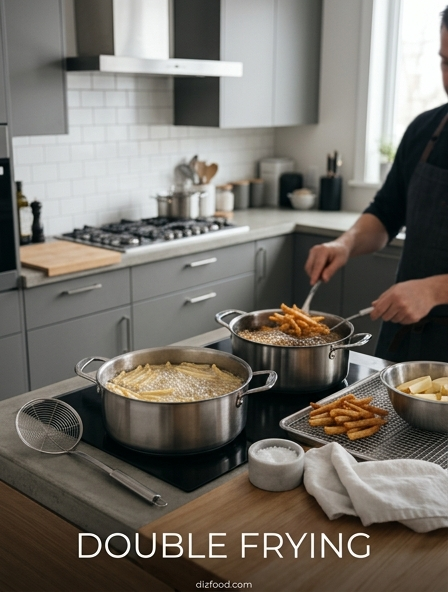
The Power of Double Frying
Double frying is the definitive technique for achieving a professional-grade exterior that remains crisp for an extended period. The process is divided into two distinct stages with a necessary cooling period in between. This method addresses the problem of internal moisture, which typically softens a single-fried crust as soon as the food is removed from the heat.
- The Initial Blanch: The food is fried at a lower temperature (300°F-325°F) to cook the interior and set the starch.
- The Resting Phase: Internal moisture migrates to the surface, naturally softening the initial crust.
- The Final Crisp: The food is fried at a higher temperature (375°F-400°F) to flash-evaporate that migrated moisture.
The science lies in the migration of water. During the first fry, the center cooks, but the exterior cannot become perfectly crisp because steam is still escaping from the core. By removing the food and letting it rest, that steam reaches the surface. The second fry then targets this surface moisture specifically, creating a super-dehydrated, rigid layer of starch and protein that is far more durable than anything achievable in a single, continuous fry.
Precision Oil Temperature Management
Maintaining the correct temperature is the most difficult aspect of deep frying at home. Oil acts as a heat transfer medium; if it is too cool, it soaks into the food, causing greasiness. If it is too hot, the exterior burns before the interior is safe to consume. Precision requires the use of a high-quality probe thermometer or an infrared thermometer to monitor real-time fluctuations throughout the cooking process. Even a drop of twenty degrees can significantly alter the final texture.
One of the biggest mistakes is overcrowding the vessel. Adding too much food at once causes a "thermal crash," where the oil temperature drops significantly and fails to recover quickly. This results in the "boiling" of food in oil rather than frying. To manage this, one must fry in small batches and allow the oil to return to its target temperature between each set. For double frying, this precision is doubled: the first fry must be low enough to prevent premature browning, while the second must be hot enough to achieve instant caramelization and moisture expulsion without overcooking the already-done interior. Consistency is the hallmark of a successful fry.
Utilizing pH for Texture
The chemical environment of the batter significantly influences the Maillard reaction and the final texture of the fried food. Alkalinity is a powerful tool in the fryer's arsenal. By adding a small amount of baking soda (sodium bicarbonate) to a batter, the pH level is raised. This alkaline environment accelerates the Maillard reaction-the chemical reaction between amino acids and reducing sugars-which results in a deeper golden-brown color and more complex savory flavors.
- Enhanced Browning: Higher pH allows browning to occur at lower temperatures and faster rates.
- Surface Micro-bubbles: Carbon dioxide release adds to the aeration and light texture of the crust.
- Structural Weakening: High pH can slightly break down surface proteins for a more tender, less leathery bite.
Conversely, acidic ingredients like vodka or lemon juice can be used to inhibit gluten or affect how the batter clings. However, for that classic, dark-gold "crunch," a slight lean toward the alkaline side is usually preferred. Balancing the pH ensures the food looks as appetizing as it feels, providing a visual cue of a perfectly executed double fry that is both flavorful and structurally sound.
Essential Draining and Resting Steps
What happens immediately after the food leaves the oil is just as important as the frying itself. When food is pulled from the hot fat, it is still cooking through residual heat. More importantly, it is covered in a film of hot oil. If the food is placed directly onto a flat surface or a paper towel, the bottom side will sit in its own oil and steam, leading to immediate localized sogginess. This is a common failure point that ruins the effort of double frying.
The best practice is to use a wire cooling rack set over a baking sheet. This allows air to circulate entirely around the piece of food, ensuring that steam can escape from all sides rather than being trapped against the crust. This resting period is especially vital between the first and second fry. During this time, the internal moisture equilibrates. If you skip this rest and go straight to the second fry, you won't achieve the same level of crispness because the "moisture migration" hasn't had time to move the water to the surface where it can be blasted away by the higher heat of the final stage.
Optimal Cookware for Thermal Mass
The vessel used for frying dictates how well the oil temperature is maintained. Thermal mass refers to the ability of a material to absorb and retain heat energy. For double frying, cookware with high thermal mass is superior because it resists the temperature drops that occur when cold food is introduced. A heavy-bottomed Dutch oven or a thick cast iron skillet is ideal for this purpose.
| Material | Heat Retention | Pros/Cons |
|---|---|---|
| Cast Iron | Very High | Slow to heat, but holds temperature perfectly. |
| Carbon Steel | Moderate | Faster response, good for temperature adjustments. |
| Stainless Steel | Low-Medium | Prone to hot spots unless multi-clad. |
| Dutch Oven | High | Excellent for maintaining steady heat and safety. |
The depth of a Dutch oven also provides a safety margin against oil splatters and boil-overs. While professional fryers use large volumes of oil to maintain stability, the home cook relies on the weight of the metal to act as a heat reservoir. This ensures the second fry is hot enough to crisp the exterior instantly. Choosing the right pot is a foundational step in controlling the volatile environment of hot fat.
Preventing Post-Fry Moisture Absorption
The final challenge is keeping the food crisp from the kitchen to the table. The moment food leaves the second fry, it begins to cool. As it cools, the air inside the crust contracts, creating a slight vacuum that can pull any surrounding moisture back into the crust. This is why "tenting" fried food with aluminum foil is a major mistake; it traps steam and turns the crispy coating into a soggy mess within minutes. The environment must remain dry.
To maintain the integrity of the double fry, keep the finished food in a single layer on a wire rack in a low oven (around 200°F). This keeps the air dry and the oil liquid, preventing it from soaking into the starch matrix. Additionally, seasoning should be done immediately after the second fry while the surface oil is still liquid, allowing salt to adhere properly. By managing the environment post-fry, you ensure that the complex structural work performed during the double-frying process isn't undone by simple condensation, preserving that sought-after "shatter" until the very first bite.

Comments