
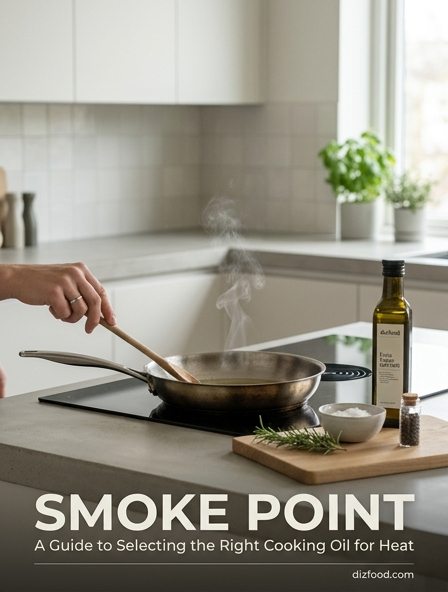
Understanding Oil Smoke Points
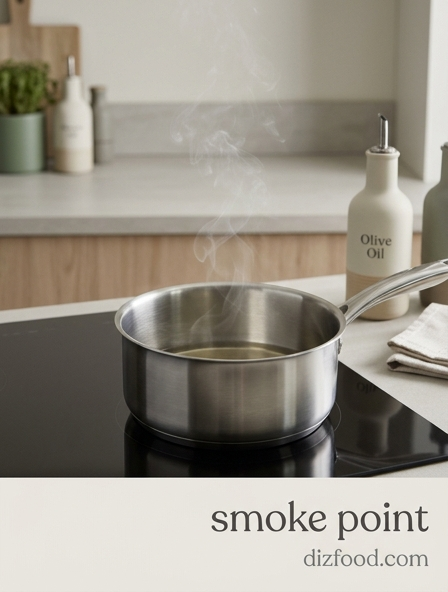
The smoke point of a culinary oil refers to the specific temperature at which the fat begins to break down and release a continuous stream of visible blue smoke. This threshold is a critical metric in the kitchen, as it signifies the transition from safe heating to chemical degradation. At this stage, the oil is no longer simply transferring heat to the food; instead, it is undergoing a structural change that affects its physical properties and safety profile. Each type of fat, whether plant-based or animal-derived, possesses a unique smoke point determined by its chemical composition and level of processing.
Understanding these limits is essential for various cooking techniques, ranging from gentle sautéing to high-heat searing. When an oil is heated beyond its capacity, the molecular bonds of the triglycerides begin to snap, releasing free fatty acids. This process not only ruins the texture of the oil but also creates a hazardous environment in the kitchen. Monitoring temperature with an infrared thermometer or observing the oil's behavior allows chefs to maintain control over the cooking environment and ensure that the medium remains stable throughout the preparation process.
Chemical Breakdown and Acrolein Formation
When an oil surpasses its smoke point, a complex series of chemical reactions occurs, primarily involving the decomposition of glycerol. As the heat increases, the glycerol molecule breaks away from the fatty acid chains and dehydrates, leading to the formation of acrolein. Acrolein is a volatile, pungent chemical that is responsible for the stinging sensation in the eyes and throat often experienced when oil is overheated. This substance is not only unpleasant but is also considered a potential respiratory irritant and a sign that the oil has become toxic.
The breakdown process also facilitates the release of free radicals and polar compounds. These secondary products contribute to the rapid oxidation of the remaining oil, creating a chain reaction that further lowers the smoke point of the liquid in the pan. As these chemicals accumulate, they darken the oil and alter its viscosity. This degradation happens more rapidly in oils with high levels of polyunsaturated fats, which contain multiple double bonds that are more susceptible to thermal rupture compared to more stable saturated or monounsaturated fats.
Selecting Oils for High Temperature Frying
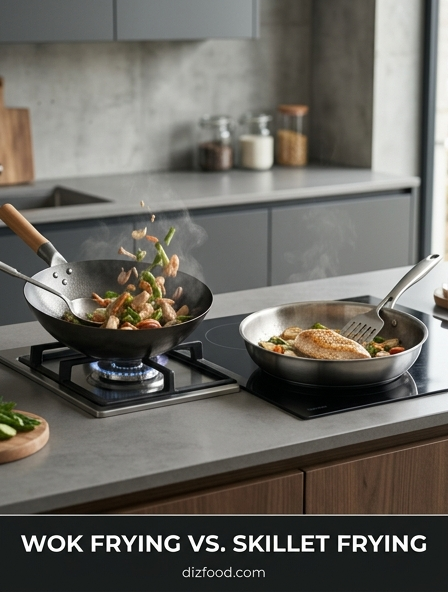
Choosing the correct medium for high-temperature applications like deep frying or wok cooking requires an oil with a high smoke point, typically above 400°F (204°C). If the chosen fat cannot withstand the intended heat, the food will likely absorb the degraded chemicals, resulting in a greasy, poor-tasting product. Professional kitchens prioritize stability to ensure that the oil can be used for extended periods without failing. Selecting an oil with a high thermal ceiling provides a safety buffer, preventing the oil from reaching its flash point during sudden temperature spikes.
Consider the following oils commonly used for high-heat cooking due to their robust thermal profiles:
- Avocado Oil: Known for one of the highest smoke points, often exceeding 520°F.
- Refined Peanut Oil: Highly valued for deep frying due to its stability and neutral flavor.
- Safflower Oil: Excellent for high-heat searing with a smoke point around 510°F.
- Rice Bran Oil: Frequently used in Asian cuisine for high-temperature stir-frying.
- Grapeseed Oil: A versatile option for clean-tasting, high-heat applications.
Impact of Refined vs Unrefined Oils
The level of processing an oil undergoes is the most significant factor in determining its smoke point. Unrefined oils, often labeled as "cold-pressed" or "extra virgin," are extracted through mechanical means and retain their natural minerals, enzymes, and trace elements. While these impurities contribute to a rich flavor and high nutritional value, they also act as catalysts for burning. Consequently, unrefined oils have significantly lower smoke points and are generally unsuitable for high-heat cooking, as the non-fat constituents burn long before the fat itself reaches high temperatures.
Refined oils undergo a process of bleaching, deodorizing, and high-temperature heating to remove these volatile impurities. This industrial refinement increases the oil's stability and raises its smoke point substantially. By stripping away the particles that would otherwise scorch, manufacturers create a product that is neutral in taste and highly resistant to thermal breakdown. While the refining process removes some beneficial nutrients, it produces an oil that is safer and more functional for rigorous kitchen techniques where heat management is paramount for consistency and safety.
Thermal Stability and Oxidative Resistance
Thermal stability refers to how well an oil resists breaking down under heat, while oxidative resistance refers to how well it resists reacting with oxygen. These two factors are heavily influenced by the fatty acid profile of the oil. Saturated fats and monounsaturated fats are generally more stable than polyunsaturated fats. This is because the double bonds in polyunsaturated fats are highly reactive; the more double bonds a fat molecule has, the more "weak points" it possesses where oxygen can attack and heat can cause damage.
When an oil is exposed to heat and oxygen simultaneously, it undergoes oxidation, leading to the formation of hydroperoxides and subsequently aldehydes and ketones. These compounds are responsible for the "rancid" smell and taste associated with old or overheated oil. Even if an oil has a high smoke point, it may have low oxidative resistance, meaning it could still produce harmful compounds before it starts to smoke. Therefore, a truly effective frying oil must balance a high smoke point with a molecular structure that resists the rapid influx of oxygen during the cooking process.
How Smoke Point Affects Food Flavor
The flavor profile of a dish is intrinsically linked to the thermal state of the cooking oil. When oil stays below its smoke point, it acts as a clean heat transfer medium, allowing the natural sugars in the food to caramelize or undergo the Maillard reaction without interference. However, once the smoke point is breached, the chemical breakdown introduces carbonized particles and acrolein into the food. These elements impart a bitter, burnt, or "off" flavor that can permeate the entire dish, masking the intended ingredients and leaving an unpleasant aftertaste on the palate.
Furthermore, the aroma of the kitchen is significantly affected. The smoke released from overheated oil carries burnt volatile compounds that can settle on other surfaces and food items. In delicate preparations, such as a light sauté of fish or vegetables, using an oil with an insufficient smoke point can ruin the nuance of the dish. Conversely, using a highly refined, high-smoke-point oil ensures that the flavor remains neutral, allowing the primary ingredients to be the focus of the culinary experience without the distraction of chemical degradation flavors.
Fire Safety and Overheating Thresholds
Understanding the progression from smoke point to fire point is essential for kitchen safety. The smoke point is merely the first warning sign. If the heat source is not reduced, the oil will eventually reach its flash point, the temperature at which the vapors above the oil can ignite when exposed to a flame. The final and most dangerous stage is the fire point, where the oil produces enough vapors to sustain a continuous flame without an external ignition source. This transition can happen rapidly, especially with small volumes of oil in a pan.
To maintain safety, follow these guidelines:
- Never leave a pan of oil unattended on a high burner.
- Use a thermometer to monitor temperatures during deep frying.
- If smoke appears, immediately remove the pan from the heat source.
- Keep a lid nearby to smother potential flames; never use water on a grease fire.
- Be aware that reused oil has a lower smoke point and flash point than fresh oil.
Nutritional Integrity During Heat Exposure
The nutritional quality of cooking oil is highly sensitive to temperature. Many oils contain beneficial components such as Vitamin E, phytosterols, and polyphenols, which act as natural antioxidants. When these oils are heated beyond their smoke point, these micronutrients are often the first things to be destroyed. The very properties that make an unrefined oil "healthy" are the ones that make it vulnerable to heat. Consequently, using an expensive, nutrient-dense oil for high-heat frying is often a waste of both the oil's nutritional potential and its culinary value.
Beyond the loss of nutrients, overheating can lead to the formation of trans-fatty acids and cyclic monomers. These substances are linked to various negative health outcomes and inflammatory responses in the body. While most modern refining processes minimize trans-fat content, the careless application of high heat in a domestic kitchen can recreate these harmful structures. To preserve nutritional integrity, it is advisable to use stable, high-smoke-point fats for cooking and save the more delicate, nutrient-rich oils for raw applications like dressings or finishing drizzles where their chemical bonds remain intact.
Comparing Common Frying Oil Performance
Selecting the right oil involves a comparison of smoke points relative to standard cooking temperatures. Most pan frying occurs between 325°F and 375°F, while searing can require temperatures exceeding 400°F. If the smoke point of an oil is too close to the cooking temperature, the margin for error is dangerously slim. The table below illustrates the variation in smoke points across common fats used in domestic and professional kitchens, highlighting why some are preferred for high-heat techniques over others.
| Oil/Fat Type | Smoke Point (Approx.) | Best Use Case |
|---|---|---|
| Butter | 302°F (150°C) | Low-heat sautéing |
| Extra Virgin Olive Oil | 375°F (190°C) | Roasting, light frying |
| Canola Oil (Refined) | 400°F (204°C) | Baking, frying |
| Ghee (Clarified Butter) | 450°F (232°C) | Searing, high-heat frying |
| Soybean Oil | 450°F (232°C) | Commercial frying |
Maintaining Oil Quality at High Heat
To maximize the lifespan and safety of cooking oil, proper maintenance during and after high-heat exposure is necessary. Every time an oil is heated to high temperatures, its smoke point slightly decreases due to the accumulation of food particles and the breakdown of molecules. This means that "old" oil will smoke sooner than fresh oil. Managing the debris left behind during frying is the most effective way to prevent premature degradation. Tiny crumbs or batter fragments have a very low smoke point and will burn quickly, releasing carbon into the oil and accelerating its decay.
Practices for maintaining oil quality include:
- Filtering the oil through a fine mesh or coffee filter after each use to remove solids.
- Storing used oil in a cool, dark place to prevent oxidation and light-induced rancidity.
- Avoiding the mixture of different types of oils, as the blend will only be as stable as the weakest component.
- Discarding oil that has turned significantly darker, become syrupy, or developed a fishy odor.
- Limiting the number of times oil is reused, typically no more than two to three times for deep frying.


Comments