
Ever found yourself standing over a hot stove wondering if you should be tossing your ingredients or letting them sit still? Choosing between pan frying and sautéing can completely transform the texture and flavor of your meal. While both techniques utilize a skillet and fat, sautéing is a high-energy method focused on quick movement and minimal oil to keep ingredients crisp and vibrant. In contrast, pan frying relies on a moderate amount of oil and steady heat to develop a deep, golden-brown crust on larger proteins. Mastering these subtle shifts in heat management and fat ratios is the secret to elevating your home cooking from basic to professional grade.
| Feature | Sautéing | Pan Frying |
|---|---|---|
| Heat Intensity | High to Very High | Medium to Medium-High |
| Oil Quantity | Light coating (1-2 tbsp) | Shallow pool (fills 1/4 of pan) |
| Ingredient Size | Small, uniform pieces/slices | Large cuts (steaks, fillets, chops) |
| Movement | Constant tossing or "jumping" | Flipped once or twice only |
| Desired Texture | Tender-crisp and seared | Crunchy, golden-brown crust |
| Best Equipment | Slope-sided sauté pan | Heavy-bottomed or cast iron skillet |
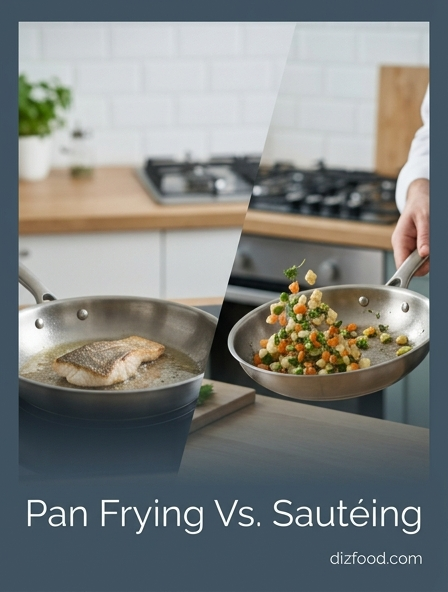
Defining the Core Differences Between Pan Frying and Sautéing
In the culinary world, the terms "sautéing" and "pan frying" are often used interchangeably by home cooks, yet they represent distinct techniques that yield vastly different textures and flavor profiles. At its most fundamental level, the difference lies in the size of the food being cooked and the movement involved during the process. Sautéing, derived from the French verb "sauter" meaning "to jump," involves cooking small, uniform pieces of food quickly over high heat. The goal is to brown the exterior while maintaining a crisp, tender interior. Because the pieces are small, they require constant motion to prevent burning and to ensure even cooking.
Pan frying, conversely, is designed for larger pieces of protein or vegetables, such as chicken breasts, pork chops, or thick slices of eggplant. Unlike the frantic pace of a sauté, pan frying is a more stationary method. The food is placed in the pan and allowed to sit undisturbed for several minutes to develop a deep, caramelized crust. While both methods utilize a pan and a fat source, they serve different culinary purposes:
- Movement: Sautéing requires frequent tossing or stirring; pan frying requires minimal flipping.
- Food Size: Sautéing is for bite-sized morsels; pan frying is for whole portions or large cuts.
- Objective: Sautéing focuses on speed and color; pan frying focuses on crust development and internal temperature.
Understanding these definitions is the first step toward better heat management in the kitchen. By choosing the correct method, you ensure that your ingredients are neither overcooked and mushy nor burnt on the outside while remaining raw in the center. Mastery of these basics allows a cook to transition seamlessly between a quick weekday stir-fry and a formal seared steak dinner.
The Essential Role of Temperature and Oil Volume
Temperature control and the amount of fat used are the two most critical variables that distinguish pan frying from sautéing. In sautéing, the heat is typically set to medium-high or high. Because the cooking time is short, the pan must be hot enough to instantly sear the food upon contact. The volume of oil is kept to a minimum-just enough to lightly coat the bottom of the pan. This allows the food to "jump" and ensures that the ingredients are seared rather than boiled in fat. If too much oil is added during a sauté, the food becomes greasy and loses its characteristic snap.
Pan frying utilizes a slightly lower temperature, generally medium to medium-high, and a significantly higher volume of oil. In this method, the oil should reach about halfway up the sides of the food item. This increased volume of fat acts as a heat conductor, ensuring that the irregular surfaces of a large piece of meat are evenly cooked. The relationship between these factors is summarized below:
| Feature | Sautéing | Pan Frying |
|---|---|---|
| Heat Level | High / Intense | Medium-High / Steady |
| Oil Depth | Minimal (thin film) | Generous (1/8 to 1/4 inch) |
| Cooking Speed | Very Fast | Moderate |
Maintaining the correct temperature is vital for the Maillard reaction, the chemical process responsible for browning. If the temperature drops too low in either method, the food will release its internal moisture, leading to steaming instead of browning. Conversely, if the oil volume is insufficient in pan frying, the crust will be patchy and the interior may remain undercooked.
Choosing the Right Cookware for Sautéing and Frying
The success of your cooking often depends on the physical characteristics of the pan you select. For sautéing, the ideal vessel is a "sauté pan" or a "skillet." A traditional sauté pan features a wide, flat bottom and tall, straight sides. These vertical walls are designed to keep small pieces of food and liquids from splashing out when you toss the ingredients. Alternatively, a sloped-sided skillet (often called a frying pan) is also excellent for sautéing because the curved edges facilitate the "flipping" motion of the wrist, allowing food to slide up the sides and land back in the center.
For pan frying, the requirements shift toward heat retention and surface area. Since pan frying involves larger cuts of meat that can significantly lower the pan's temperature upon contact, heavy-bottomed cookware is essential. Cast iron or heavy-gauge stainless steel are the preferred materials. These pans have the thermal mass necessary to maintain a steady temperature even when a cold steak is introduced. Consideration should be given to the following cookware traits:
- Stainless Steel: Excellent for sautéing as it is responsive to heat changes and allows for the development of "fond" (browned bits) for pan sauces.
- Cast Iron: The gold standard for pan frying due to its superior heat retention and ability to create an even, crunchy crust.
- Carbon Steel: A hybrid option that offers the heat retention of cast iron with the light weight of a skillet, suitable for both methods.
- Non-Stick: Useful for delicate items like eggs or fish, but often unable to handle the high heat required for a true sauté or sear.
Using a pan that is too small for either method leads to "crowding," which traps steam and prevents the desired browning. Always ensure your pan is large enough to allow air circulation around the food items.
Mastering the Tossing Technique vs Steady Searing
The physical interaction between the cook and the pan defines the rhythm of the kitchen. Mastering the sauté toss is a rite of passage for many chefs. This technique involves a specific forward-and-back motion of the pan combined with a flick of the wrist. To execute this correctly, follow these steps:
- Grip the handle firmly and push the pan away from your body.
- Give the pan a sharp upward jerk while pulling it back toward you.
- Allow the food to travel up the curved edge of the pan and flip over in mid-air.
- Catch the food in the center of the pan and repeat as necessary to ensure even heat distribution.
Pan frying, however, demands the opposite discipline: patience. The most common mistake in pan frying is moving the food too soon. When a piece of meat or a vegetable is placed in hot oil, it initially sticks to the surface. As the proteins undergo the Maillard reaction and a crust forms, the food will naturally "release" from the pan. If you try to flip it before this crust has developed, you will likely tear the surface of the food. Steady searing requires placing the item in the pan and leaving it alone until the bottom is golden brown. Once flipped, the same patience must be applied to the second side. This lack of movement is what allows for the deep, uniform color and crunchy texture that defines a perfectly fried cutlet or fillet.
The Best Types of Oil for High Heat Cooking
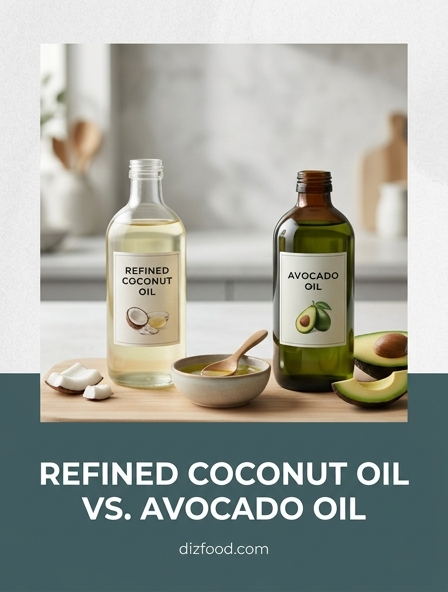
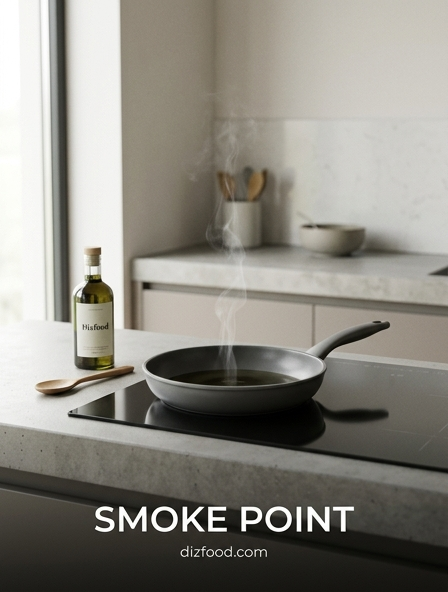
The choice of cooking fat is determined by the "smoke point"-the temperature at which the oil begins to break down, smoke, and produce off-flavors. Because both sautéing and pan frying involve high temperatures, using an oil with a low smoke point, like extra virgin olive oil or butter, can result in a bitter taste and potentially harmful compounds. For these techniques, refined oils with high smoke points are preferred. These fats can withstand the intense heat without degrading, ensuring the flavor of the food remains clean.
| Oil Type | Smoke Point | Best Use |
|---|---|---|
| Avocado Oil | 520°F | Searing and High-Heat Sautéing |
| Grapeseed Oil | 420°F | General Sautéing and Frying |
| Canola / Vegetable Oil | 400°F | Budget-friendly Pan Frying |
| Ghee (Clarified Butter) | 450°F | Flavor-rich Sautéing |
While butter is prized for its flavor, its milk solids burn at approximately 350°F. If you desire the flavor of butter in a sauté, it is best to use a combination of oil and butter, or to add the butter at the very end of the cooking process (a technique known as mounting). For pan frying, where the food sits in the oil for a longer duration, neutral-flavored oils with high thermal stability are essential to prevent the fat from becoming rancid or acrid during the extended cooking time.
When to Use Sautéing for Quick Vegetable Dishes
Sautéing is the premier method for cooking vegetables when the goal is to retain vibrant color, nutritional value, and a "snap" in every bite. This method is particularly effective for high-moisture vegetables that would otherwise become soggy if boiled or steamed. By using high heat and constant motion, the exterior of the vegetable caramelizes quickly, locking in the natural sugars while the interior stays tender-crisp. This is the foundation of many Mediterranean and Asian vegetable preparations.
Common vegetables that thrive with the sauté technique include:
- Bell Peppers and Onions: These develop a sweet, charred flavor quickly, making them perfect for fajitas or stir-fries.
- Zucchini and Summer Squash: These high-water vegetables need high heat to brown before they turn to mush.
- Leafy Greens: Spinach, kale, and Swiss chard sauté in seconds, wilting down into a concentrated, flavorful side dish.
- Asparagus and Snap Peas: These benefit from the rapid heat which preserves their bright green chlorophyll.
To succeed with vegetable sautéing, it is vital to cut the pieces into uniform sizes. If some pieces are significantly larger than others, the small ones will burn before the larger ones are cooked. Additionally, aromatics like garlic and ginger should be added toward the end of the sauté process. Because they are often minced finely, they can burn in seconds under the high heat required for the main vegetables, leading to a bitter aftertaste that ruins the entire dish.
How Pan Frying Creates the Perfect Golden Crust
The hallmark of a professional-grade pan-fried dish is a uniform, golden-brown crust that provides a textural contrast to a juicy interior. This is achieved through the Maillard reaction, a complex chemical reaction between amino acids and reducing sugars. In pan frying, the presence of a moderate amount of oil is key; the oil fills the microscopic gaps between the food and the pan, ensuring that heat is transferred efficiently and evenly across the entire surface of the ingredient. This is why a pan-fried chicken cutlet has a much more consistent color than one that was simply baked.
To maximize crust development, the food must be as dry as possible before it hits the pan. Moisture is the enemy of the sear. If there is water on the surface of a steak or a piece of fish, the energy of the pan will be spent evaporating that water (steaming) rather than browning the protein. This is why chefs religiously pat their meats dry with paper towels. Once the food is in the pan, the steady heat allows the proteins to bond and the sugars to caramelize. In breaded items, such as schnitzel, the oil permeates the breadcrumbs, frying them into a rigid, crispy shell that protects the meat inside from drying out. The result is a dish that is deeply savory, aromatically complex, and structurally satisfying.
Common Mistakes to Avoid With Each Cooking Method
Even experienced cooks can fall into traps that compromise the quality of their sautéing and pan frying. Recognizing these pitfalls is essential for culinary growth. In sautéing, the most frequent error is overcrowding the pan. When too many cold ingredients are added at once, the pan's temperature drops instantly. Instead of searing, the ingredients release their juices and begin to simmer in their own liquid, resulting in grey, rubbery food. It is always better to sauté in batches than to overload the pan.
In pan frying, the mistakes are often related to temperature and timing. If the oil is not hot enough when the food is added, the ingredient will absorb the oil like a sponge, leading to a greasy, heavy result. Conversely, if the heat is too high, the exterior will burn before the interior reaches a safe temperature. Avoid these common errors:
- Moving the food too much: In pan frying, flipping the meat constantly prevents a crust from forming and dries out the center.
- Using the wrong pan: Trying to pan fry a thick steak in a thin, cheap aluminum pan will lead to uneven hot spots and scorching.
- Ignoring the smoke point: Using unrefined oils at high heat creates smoke and ruins the flavor profile of the dish.
- Not preheating the pan: Always heat the pan first, then add the oil, and let the oil shimmer before adding the food.
By maintaining a disciplined approach to heat management and resisting the urge to constantly stir or flip, you allow the physics of cooking to work in your favor.
Health Benefits and Nutritional Differences Explained
From a nutritional standpoint, sautéing is generally considered the healthier of the two methods. Because it uses a minimal amount of fat and a very short cooking time, the caloric addition from the oil is kept low. Furthermore, the rapid cooking process helps preserve heat-sensitive vitamins, such as Vitamin C and various B vitamins, which might degrade during longer cooking processes. Sautéing is an excellent way to incorporate heart-healthy fats, like avocado or grapeseed oil, into a vegetable-heavy diet without excessive calorie density.
Pan frying, while delicious, introduces more dietary fat due to the increased oil volume and the longer duration the food spends submerged in that fat. Battered or breaded pan-fried foods are particularly high in calories because the coating acts as a reservoir for the oil. However, pan frying is not inherently "unhealthy" if managed correctly. By ensuring the oil is at the proper temperature, oil absorption into the food is minimized. Key nutritional considerations include:
- Oil Absorption: Sautéing results in 5-10% fat absorption, while pan frying can range from 10-25% depending on the coating.
- Nutrient Retention: Faster cooking (sautéing) preserves more antioxidants and phytonutrients in vegetables.
- Acrylamides: Over-browning or charring during high-heat pan frying can produce acrylamides, which should be consumed in moderation.
Choosing the right method depends on your dietary goals. If you are looking for a light, nutrient-dense meal, sautéing is the clear winner. If you are prioritizing satiety and a specific textural experience, pan frying can be part of a balanced diet when paired with fresh, non-fried side dishes.
The Ultimate Guide to Selecting Your Cooking Technique
Choosing between sautéing and pan frying ultimately comes down to the nature of your ingredients and the desired end result. A cook must evaluate the thickness of the food, the required internal temperature, and how much time is available. Sautéing is the technique of choice for "fast food" in the healthiest sense-quick, high-energy preparations that highlight the freshness of the ingredients. Pan frying is the technique for "comfort food"-dishes that require a substantial crust and a more indulgent mouthfeel.
To help decide which method to use for your next meal, refer to the following selection guide:
| If your ingredient is... | And you want... | Then use... |
|---|---|---|
| Small, thin, or chopped | Vibrant color and crunch | Sautéing |
| Large, thick, or breaded | A thick, golden crust | Pan Frying |
| Delicate (like scallops) | A quick, elegant sear | Sautéing |
| Dense (like potatoes) | Soft inside, crispy outside | Pan Frying |
In practice, many recipes actually combine these techniques. For example, a chef might pan fry a thick steak to develop a crust and then "sauté" a garnish of mushrooms and onions in the same pan while the meat rests. By understanding the mechanics of both movement and heat, you gain the flexibility to manipulate textures and flavors to suit any culinary vision. Whether you are tossing a light summer pasta or frying a classic chicken schnitzel, the mastery of these two fundamental techniques is what separates a novice from a truly skilled home cook.

Comments