
Elevate your culinary game by mastering the art of sautéing, a fundamental skill that transforms simple ingredients into restaurant-quality dishes. This high-heat technique is all about precision and movement, ensuring your vegetables remain strikingly vibrant and your proteins achieve a perfect golden sear while retaining their natural crunch. By using a minimal amount of oil and keeping your food in constant motion, you unlock deep, savory flavors and maintain a delightful texture that steaming or boiling simply cannot match. Whether you are tossing crisp bell peppers or delicate aromatics, understanding heat control is the secret to culinary success. To further refine your expertise, it is essential to understand the functional differences between Pan Frying Vs. Sautéing.
Selecting the Perfect Sauté Pan
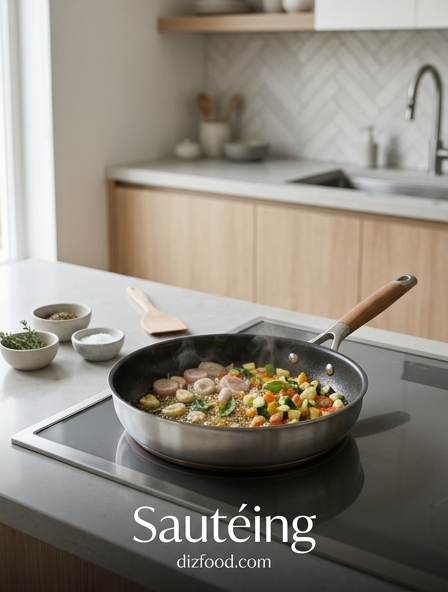
The success of a sauté depends heavily on the geometry and material of the vessel. Unlike a skillet with flared sides, a true sauté pan features straight, vertical sides and a wide, flat base. This design maximizes the surface area in contact with the heat source while providing enough depth to contain liquids and prevent ingredients from jumping out during a vigorous toss. The heavy bottom is crucial for heat retention and even distribution, preventing hot spots that lead to uneven browning.
- Stainless Steel: Offers excellent durability and is non-reactive, though it requires proper preheating to prevent sticking.
- Copper: Provides the highest thermal conductivity for precise temperature adjustments.
- Hard-Anodized Aluminum: Features a non-stick surface and efficient heating, ideal for delicate items.
- Carbon Steel: Becomes naturally non-stick over time and handles high heat exceptionally well.
When choosing a pan, the handle should be long and stay cool to the touch, allowing for safe manipulation over high flames. A tight-fitting lid is also beneficial for finishing thicker cuts of protein or softening tougher vegetables through brief steaming after the initial sear.
Optimal Oils for High Heat
Sautéing is a high-temperature dry-heat cooking method that requires fats capable of withstanding significant thermal energy without breaking down. The smoke point of an oil-the temperature at which it begins to burn and produce acrid smoke-is the primary consideration. Using an oil with a low smoke point, such as extra virgin olive oil or butter, can result in bitter flavors and the formation of harmful free radicals during the intense sautéing process.
| Oil Type | Smoke Point | Best Use |
|---|---|---|
| Avocado Oil | 520°F (270°C) | High-sear proteins |
| Grapeseed Oil | 420°F (215°C) | General vegetable sauté |
| Clarified Butter | 450°F (232°C) | Rich flavor profile |
| Peanut Oil | 450°F (232°C) | Stir-fry and aromatics |
Refined oils are generally preferred because the refining process removes impurities and free fatty acids that lower the smoke point. While flavorless oils like canola or vegetable oil are versatile, choosing an oil like refined coconut or peanut oil can add subtle aromatic layers to the dish without compromising the integrity of the fat at high heat.
Essential Prep for Uniform Results
In the fast-moving environment of a hot sauté pan, there is no time for mid-process chopping. The principle of mise en place is vital, ensuring all ingredients are cleaned, dried, and cut before the pan ever touches the burner. Uniformity in size is not merely for aesthetics; it ensures that every piece of food reaches the ideal internal temperature and exterior texture at exactly the same time. If pieces are uneven, smaller morsels will overcook and turn mushy or burnt before larger pieces are even tender.
- Wash and Dry: Use a salad spinner or paper towels to remove all surface moisture from vegetables and proteins to prevent steaming.
- Consistent Knife Work: Aim for identical dimensions, whether performing a brunoise, julienne, or batonnet cut.
- Grouping Ingredients: Sort prepared items by their required cooking times, placing aromatics in one bowl and dense roots in another.
Surface moisture is the enemy of a crisp sauté. When wet ingredients hit hot oil, the water must evaporate before the Maillard reaction can occur. This delay results in boiled textures rather than the desired golden-brown crust. Taking the extra step to pat ingredients dry ensures immediate searing.
The Science of Preheating
A common mistake in the kitchen is adding ingredients to a cold or lukewarm pan. Proper preheating is essential to achieve the "Leidenfrost effect," where a thin layer of vapor forms between the food and the pan, allowing the ingredient to glide across the surface rather than bonding to it. This prevents sticking and ensures an immediate sear. To test if a pan is ready, one can drop a small amount of water onto the surface; if the water beads up and dances across the metal like mercury, the pan has reached the optimal temperature for adding oil.
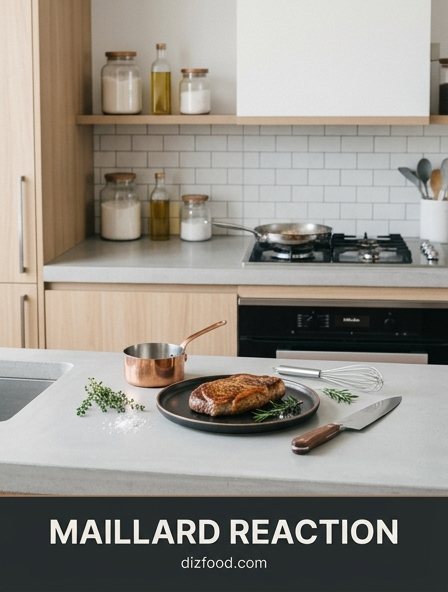
Once the pan is hot, add the oil and wait until it shimmers or shows "legs" when the pan is tilted. The oil's viscosity decreases as it heats, allowing it to flow into the microscopic pores of the metal, creating a temporary non-stick barrier. Introducing food at this stage triggers the Maillard reaction instantly. This chemical reaction between amino acids and reducing sugars creates the complex flavors and browned surfaces that define professional-grade sautéing. If the temperature drops too low during the addition of food, the process stalls, leading to gray, lackluster results.
Mastering the Pan Toss Technique
The characteristic "jump" of ingredients in a sauté pan-derived from the French word "sauter," meaning "to jump"-is a fundamental skill for even heat distribution. This technique ensures that all surfaces of the food are exposed to the hot metal and oil, while also aerating the ingredients to prevent them from stewing in their own released juices. Mastering the motion requires a combination of wrist flexibility and confidence in the pan's weight.
- The Grip: Hold the handle firmly but keep the wrist loose, positioning the pan slightly tilted away from your body.
- The Pull-Back: Slide the pan forward sharply, then jerk it back toward you with a slight upward flick.
- The Catch: Allow the ingredients to climb the curved or straight edge of the pan and fall back into the center.
Using a spoon or spatula to stir is often necessary for smaller quantities, but the pan toss is more efficient for larger volumes. It prevents the breakage of delicate ingredients that might occur with heavy stirring. This constant movement keeps the oil distributed and ensures that the aromatics, such as garlic and ginger, do not sit in one spot long enough to burn.
Managing Pan Surface Tension
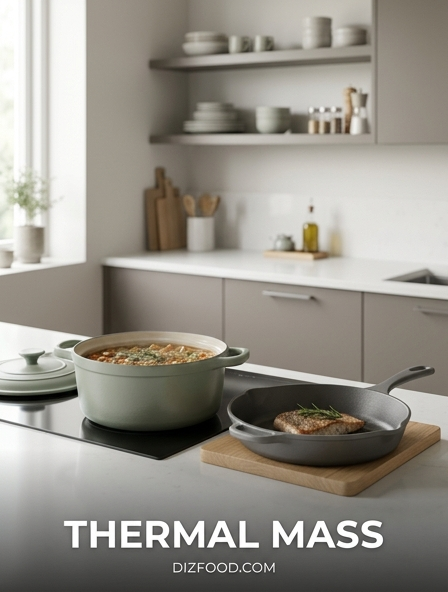
One of the most critical factors in sautéing is the ratio of food to the pan's surface area. Crowding the pan is a frequent error that leads to an immediate drop in temperature. When too many cold ingredients are added at once, the pan's thermal mass is overwhelmed, and the heat cannot recover fast enough to vaporize the moisture being released. Instead of searing, the ingredients begin to boil in their own juices, resulting in a soggy texture and a dull appearance.
To maintain proper surface tension and heat, ingredients should ideally be in a single layer with visible space between them. This space allows steam to escape freely into the air rather than being trapped under neighboring pieces of food. If cooking for a large group, it is far better to sauté in multiple batches. By removing the first batch and reheating the pan before the second, you ensure that every morsel benefits from the same high-heat environment. This patience pays off in the form of superior caramelization and the preservation of the "snap" in fresh vegetables.
Controlling Heat for Crispness
While sautéing is generally a high-heat process, the ability to modulate that heat is what separates novices from experts. The goal is to maintain a temperature high enough to brown the exterior while ensuring the interior reaches the desired doneness without charring. Dense vegetables like carrots or parsnips require a moderate-high heat to soften their core, whereas thin leafy greens or delicate seafood need an intense, brief flash of heat to prevent overcooking.
- Aromatics: Lower the heat slightly when adding garlic or shallots to prevent the bitter taste of burning.
- Proteins: Keep heat high initially to lock in juices, then reduce slightly if the piece is thick.
- Starch-rich foods: Maintain steady heat to ensure the exterior becomes crisp and golden through starch gelatinization.
The cook must listen to the pan; a constant, lively sizzle indicates proper heat. If the sound dies down to a faint hiss, the pan is too cold. If it begins to crackle violently or smoke excessively, the heat must be reduced immediately or the pan moved off the burner. Controlling this acoustic feedback loop is key to achieving consistent crispness.
Strategic Seasoning for Texture
Timing the addition of salt is a strategic decision that affects the final texture of a sautéed dish. Salt is hygroscopic, meaning it draws moisture out of cells through osmosis. When salt is added to vegetables like mushrooms or zucchini at the very beginning of the process, it causes them to release their water content almost immediately. This can be problematic if the goal is a hard sear, as the sudden influx of water will steam the food rather than brown it.
For ingredients with high water content, it is often better to season with salt toward the end of the sautéing process, once the exterior has already developed a crust. Conversely, when sautéing meats, seasoning just before they hit the pan can help create a flavorful brine on the surface that aids in browning. Spices and dried herbs should be added in the final minute of cooking or "bloomed" in the oil briefly at the start; adding them too early over high heat can cause them to scorch, turning the entire dish bitter. Finding this balance ensures that the food remains seasoned to the core while maintaining its structural integrity.
Flavor Building Through Deglazing
As ingredients sauté, they often leave behind a layer of caramelized proteins and sugars on the bottom of the pan known as the "fond." This concentrated essence is the foundation of professional-grade sauces and flavor depth. Deglazing is the process of adding a liquid to the hot pan to loosen these browned bits, incorporating them back into the dish. This not only cleans the pan but also creates a complex glaze that coats the ingredients.
- Wine: Adds acidity and brightness, particularly good for chicken and seafood.
- Stock: Provides body and savory depth for meat-heavy dishes.
- Verjus or Citrus: Offers a sharp, non-alcoholic alternative to balance fats.
- Water: A neutral option that captures flavor without adding new profiles.
To deglaze effectively, pour the liquid in while the pan is still over the heat and use a wooden spoon to scrape the bottom. The liquid should reduce rapidly, thickening into a light sauce. This step is usually the final bridge between the dry-heat sautéing and the serving of the dish, ensuring that no flavor is wasted.
Preserving Peak Ingredient Color
The visual appeal of a sautéed dish is largely defined by the vibrancy of its colors. Overcooking is the primary thief of color, particularly in green vegetables where prolonged heat causes the chlorophyll molecules to lose magnesium and turn a dull olive drab. To preserve a bright green hue, vegetables should be sautéed quickly over high heat and removed as soon as they reach a "crisp-tender" state. This minimizes the breakdown of the cellular structure and keeps the pigments intact.
The pH level of the environment also plays a role. Adding acidic components like lemon juice or vinegar too early can dull green colors instantly. It is best to add these brighteners just before serving. Furthermore, "carry-over cooking" must be accounted for; the internal heat of the food will continue to cook it even after it is removed from the pan. Transferring sautéed items immediately to a cool plate, rather than leaving them in the hot pan, stops the thermal process and locks in the peak color and texture. This attention to timing ensures the final plate looks as fresh as the raw ingredients once were.

Comments