
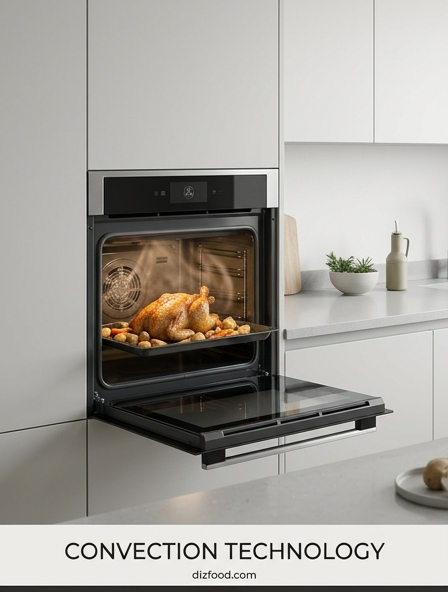
Mastering High-Velocity Heat Distribution
High-velocity heat distribution is the cornerstone of modern convection technology, transforming the standard kitchen oven into a precision instrument. At its core, this system relies on a powerful internal fan that forces heated air to circulate rapidly around the food. Unlike conventional radiant heat, which can be stagnant and uneven, high-velocity air strips away the "cold boundary layer" that typically surrounds stationary objects. This process ensures that thermal energy is transferred with maximum efficiency, reaching every crevice of the ingredient simultaneously.
- Elimination of hot and cold spots within the cooking chamber.
- Drastically reduced preheating times due to rapid air movement.
- Enhanced evaporation of surface moisture for immediate browning.
- Consistent results regardless of the food's position on the tray.
By mastering this distribution, cooks can achieve professional-grade results that were previously reserved for industrial kitchens. The intensity of the airflow allows for a shorter cooking duration, which helps maintain the internal integrity of the food while the exterior undergoes a rapid transformation. This technological leap makes it possible to achieve a uniform texture that is both reliable and repeatable across various types of cuisine.
The Physics Behind the Perfect Crunch
The sensation of a "crunch" is fundamentally a physical property derived from the rapid removal of moisture from the surface of food. In convection cooking, the physics of thermodynamics plays a vital role in creating this texture. When high-temperature air moves at significant speeds, it increases the rate of heat transfer through convection rather than conduction. This targeted energy focus causes the water molecules on the exterior of the food to phase-shift into steam almost instantly, leaving behind a dry, rigid structure.
This structural rigidity is what we perceive as crispness. As the surface dehydrates, the proteins and starches reorganize into a delicate, lattice-like framework. Because the air is constantly moving, the moisture that is released into the chamber is quickly swept away, preventing the food from reabsorbing steam and becoming soggy. This continuous cycle of evaporation and dry heat exposure ensures that the crunch is not just a surface-level attribute but a deep, structural characteristic of the cooked item. Understanding these physical variables allows for better control over the final mouthfeel of any dish, from roasted vegetables to breaded proteins.
Convection Principles for Healthier Cooking
The primary health benefit of convection technology lies in its ability to mimic the effects of deep frying without the necessity of excessive fats. By leveraging the principle of rapid air circulation, convection ovens can transfer heat as effectively as hot oil. This allows the cook to significantly reduce the caloric density of a meal while retaining the desired sensory qualities of fried food. The following table illustrates the comparative advantages of convection versus traditional frying methods.
| Feature | Traditional Deep Frying | Convection Air Technology |
|---|---|---|
| Oil Requirement | High (Submerged) | Minimal (Spray or Brush) |
| Fat Absorption | Significant | Negligible |
| Caloric Impact | Substantial Increase | Baseline Maintenance |
| Acrylamide Risk | Higher due to oil breakdown | Lower through controlled heat |
By utilizing these principles, individuals can enjoy a wider variety of foods without the negative cardiovascular implications associated with high-fat cooking. The technology essentially uses air as the medium for heat transfer, which is naturally calorie-free, ensuring that the nutritional profile of the original ingredient remains largely intact throughout the cooking process.
Oil-Free Crispness and Surface Dehydration
Achieving oil-free crispness is a multi-stage process that centers on the scientific concept of surface dehydration. In a high-velocity convection environment, the air acts as a desiccant, pulling moisture from the outermost layers of the food. This process must occur rapidly to prevent the interior from drying out, a balance that convection technology strikes perfectly through optimized aerodynamics. The sequence of surface dehydration typically follows these steps:
- Initial thermal shock causes immediate surface moisture evaporation.
- The fan-forced air prevents a "steam envelope" from forming around the food.
- The outer cells of the food collapse and harden as they lose water content.
- The lack of oil allows for a cleaner, more natural flavor profile to emerge.
Without the barrier of oil, the heat can interact directly with the food's natural sugars and starches. This direct interaction facilitates a faster transition to a crispy state. Furthermore, the absence of oil reduces the greasy residue often found in fried foods, making the final product lighter and more palatable. This targeted dehydration is the secret to producing snacks and meals that are satisfyingly brittle on the outside while remaining succulent on the inside.
Optimizing Airflow for Even Results
The effectiveness of convection technology is heavily dependent on how airflow is managed within the cooking chamber. Even the most powerful fan cannot compensate for poor food placement or improper accessory use. To optimize results, one must consider the path of the air as it travels from the heating element to the food and back again. Obstructions can lead to "dead zones" where air becomes stagnant, resulting in uneven cooking and soft spots.
- Use perforated trays or baskets to allow 360-degree air contact.
- Avoid overcrowding the chamber to ensure air can circulate between pieces.
- Elevate food on wire racks to prevent the bottom from sitting in moisture.
- Ensure the intake and exhaust vents of the appliance are clear of debris.
When airflow is properly optimized, the convection current acts like a whirlwind, wrapping each piece of food in a consistent blanket of heat. This uniformity is what allows a convection oven to cook faster and more evenly than its conventional counterparts. By paying attention to the spatial dynamics of the kitchen appliance, users can maximize the efficiency of the high-velocity system, ensuring that every bite is cooked to the exact same degree of perfection.
Why Rapid Circulation Beats Deep Frying
While deep frying has long been the standard for achieving a crispy texture, rapid air circulation offers a superior alternative in several key areas. The primary difference lies in the medium of heat transfer. Oil is a highly efficient conductor, but it also permeates the food, adding significant fat and masking natural flavors. In contrast, rapid air circulation uses gas as the medium, which provides a much cleaner heat transfer. This high-speed air provides enough kinetic energy to mimic the "scrubbing" action of boiling oil, removing moisture without the oily byproduct.
Safety and convenience also favor convection technology. Deep frying involves large quantities of volatile, high-temperature oil that poses a fire risk and requires difficult disposal. Rapid air circulation systems are enclosed, easy to clean, and eliminate the danger of oil splatters. Moreover, the "beat" of the circulation allows for a more controlled environment where temperature fluctuations are minimized. This precision prevents the food from becoming "oil-logged," a common failure in deep frying when the oil temperature drops too low. Ultimately, convection technology provides a modern, efficient, and safer path to the same culinary goals.
Unlocking the Maillard Reaction Naturally
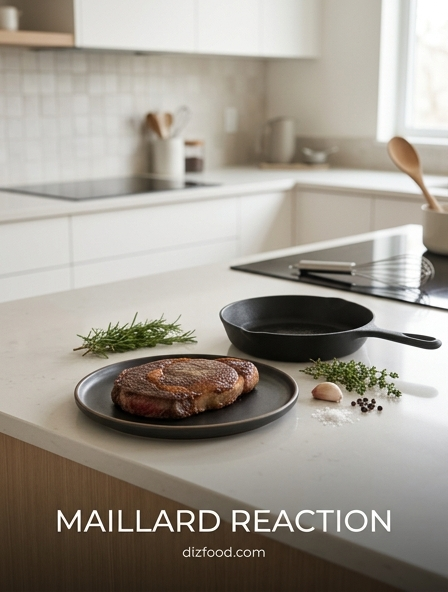
The Maillard reaction is the chemical process responsible for the complex flavors and golden-brown colors of cooked food. It occurs when amino acids and reducing sugars react under heat, typically starting around 285°F (140°C). Convection technology is uniquely suited to unlocking this reaction naturally because it maintains a dry, high-heat environment that is conducive to browning. In a standard oven, the buildup of humidity can often stall the Maillard reaction, leading to gray, steamed-looking meat or vegetables.
- Rapid moisture removal accelerates the onset of browning.
- Consistent air temperatures ensure the reaction occurs evenly across the surface.
- Lower oil requirements prevent the flavors from being muted by fat.
By using high-velocity air, the surface of the food reaches the threshold temperature for the Maillard reaction much faster. This results in a deeper flavor profile characterized by nutty, savory, and caramelized notes. Because the reaction is driven by the air itself rather than a bath of fat, the resulting crust is thinner and more delicate. This allows the natural essence of the ingredient to shine through, enhanced rather than obscured by the cooking process.
Preserving Flavor with Targeted Aerodynamics
One of the common misconceptions about convection cooking is that the moving air will dry out the interior of the food. However, when targeted aerodynamics are applied correctly, the opposite is true. The rapid sear provided by high-velocity air creates a protective "seal" on the surface of the food. This exterior crust acts as a barrier, locking in the natural juices and volatile aromatic compounds that give food its flavor. In conventional cooking, the slower heat transfer allows more time for internal moisture to migrate to the surface and evaporate, often resulting in a dry interior.
The engineering behind these appliances ensures that the air moves in a specific pattern-often a cyclonic or vortex motion-that maximizes surface impact while minimizing the duration of heat exposure. This speed is the critical factor; by shortening the cooking time, the internal temperature of the food reaches its target before the moisture has a chance to escape. The result is a contrast between a crisp, flavorful exterior and a tender, succulent interior. This preservation of flavor makes convection technology an ideal choice for delicate proteins like fish or high-moisture vegetables that benefit from a quick, intense heat application.
Engineering the Ultimate Healthy Snap
The "snap" of a perfectly cooked piece of food is a hallmark of engineering excellence in convection design. This audible and tactile feedback is the result of starch retrogradation and protein denaturation occurring in a low-moisture environment. Engineering the ultimate snap requires a balance of temperature, airflow speed, and surface area. Modern kitchen appliances are designed to optimize these variables specifically for various food categories. The following table provides a breakdown of how different foods respond to the engineering of convection heat.
| Food Category | Structural Change | Resulting Texture |
|---|---|---|
| Starchy Tubers | Starch crystallization | Hard, brittle snap |
| Fibrous Vegetables | Cellulose dehydration | Light, airy crunch |
| Animal Proteins | Collagen tightening | Firm, seared bite |
| Flour-based Batters | Gluten setting | Crispy, flaky shell |
This engineering approach ensures that the "snap" is consistent and satisfying. By controlling the rate at which the surface temperature rises, the appliance can create a specific thickness of the dehydrated layer, which directly correlates to the intensity of the snap. This level of precision allows home cooks to achieve textures that were once only possible through complex industrial processing.
Essential Techniques for Modern Air Frying
To fully leverage convection technology, one must adopt specific techniques that cater to the unique environment of moving air. While the technology is advanced, the user's approach remains the final variable in achieving culinary success. Transitioning from traditional methods to modern air frying requires a shift in how ingredients are prepared and monitored. By following these essential techniques, anyone can master the art of convection cooking.
- Preheating: Always start with a hot chamber to ensure immediate thermal impact.
- Dry Surfaces: Pat food dry with paper towels before cooking to expedite the dehydration process.
- The Shake: For smaller items like fries, shake the basket halfway through to redistribute the air paths.
- Light Coating: While oil isn't necessary, a very light spray can enhance the Maillard reaction for a darker color.
- Space Management: Leave at least 20% of the basket empty to maintain high-velocity airflow.
Implementing these steps ensures that the physics of the appliance works in your favor. Modern air frying is not just about the machine; it is about the synergy between the high-speed air and the preparation of the ingredients. With these techniques, the potential for healthy, delicious, and perfectly textured meals is virtually limitless.

Comments