
Defining the Smoke Point
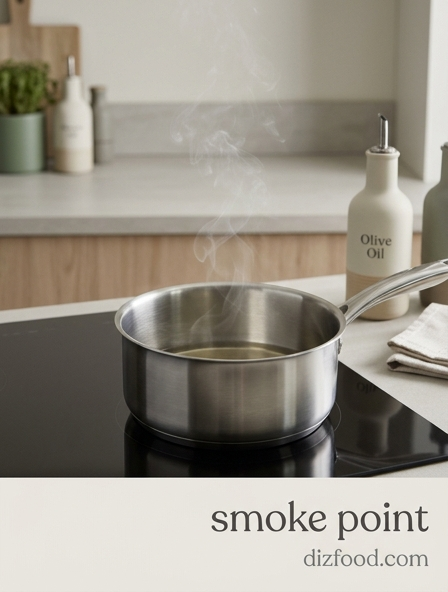
The smoke point of a culinary fat is the specific temperature at which it ceases to merely shimmer and begins to produce a continuous bluish stream of smoke. At this critical juncture, the oil or fat undergoes a physical and chemical transition, signaling that it is no longer heating but is instead actively decomposing. Every fat, whether derived from plants or animals, possesses a unique smoke point determined by its molecular composition and degree of refinement. For home cooks and professional chefs alike, understanding this limit is vital for both culinary success and kitchen safety. When oil is heated beyond its threshold, the triglycerides break down, and volatile compounds are released into the air.
The smoke point serves as a roadmap for selecting the appropriate fat for specific cooking techniques. For instance, fats with low smoke points are generally reserved for cold dressings or low-heat finishes, whereas those with high limits are essential for high-velocity cooking. Factors that influence this threshold include:
- The presence of free fatty acids within the oil.
- The degree of industrial refining and filtration.
- The age and storage conditions of the fat.
- The presence of organic sediment or food particles.
Chemical Breakdown and Free Radicals
When cooking oil surpasses its thermal stability, a series of complex chemical reactions occur, primarily centered on the degradation of triglycerides. This process, known as thermal oxidation, results in the fragmentation of fatty acid chains. One of the most notable byproducts of this breakdown is acrolein, a volatile chemical responsible for the pungent, stinging sensation in the eyes and throat when oil burns. As the molecular structure collapses, the fat releases a variety of polar compounds and polymers that alter the oil's viscosity and color, often turning it dark and syrupy.
Beyond the immediate physical changes, the overheating of oil triggers the formation of free radicals. These are highly reactive, unstable molecules that can cause oxidative stress when ingested or inhaled. The breakdown of polyunsaturated fats is particularly concerning, as their chemical bonds are more susceptible to heat-induced rupture. Long-term consumption of these degraded compounds is linked to various health issues, making it imperative to discard any oil that has reached its breaking point. Maintaining temperatures below the smoke point ensures that the chemical integrity of the fat remains intact, preventing the conversion of healthy lipids into harmful substances.
Impact on Flavor and Aroma
The sensory profile of a dish is inextricably linked to the state of the cooking fat. When an oil remains within its safe temperature range, it acts as a medium for heat transfer and a flavor enhancer, often contributing nutty, buttery, or fruity notes to the ingredients. However, once the smoke point is breached, the flavor profile undergoes a drastic and irreversible transformation. The degradation of the oil introduces acrid, bitter, and "burnt" tastes that permeate the food, masking the natural flavors of the meat or vegetables. This bitterness is not merely a surface issue; the broken-down compounds actually bond with the food during the cooking process.
The aroma of the kitchen also serves as a primary indicator of oil quality. Freshly heated oil should smell pleasant or neutral. In contrast, oil that has overheated produces a sharp, suffocating smell that is difficult to dissipate. This transition happens rapidly once the threshold is met. For delicate ingredients like scallops or light white fish, using an oil that has begun to smoke can completely ruin the dish, leaving behind a metallic or soapy aftertaste. Proper temperature management ensures that the fat complements the meal rather than overwhelming it with the unpleasant characteristics of chemical decomposition.
Nutritional Degradation of Overheated Oils
Oils are often prized for their nutritional density, containing essential fatty acids, vitamins, and potent antioxidants like polyphenols and Vitamin E. However, these beneficial components are highly sensitive to extreme thermal stress. When an oil is heated past its smoke point, the very nutrients that make it "healthy" are often the first to be destroyed. Antioxidants, which naturally protect the oil from rancidity, are sacrificed as they attempt to neutralize the oxidation occurring at high temperatures. Once these protective elements are depleted, the oil becomes significantly more vulnerable to rapid degradation.
The fatty acid profile also shifts during overheating. Beneficial unsaturated fats, such as Omega-3 and Omega-6, can be converted into less desirable forms, including small amounts of trans-fats in extreme cases. This nutritional loss turns a functional ingredient into a source of "empty" or even inflammatory calories. To preserve the vitamins and heart-healthy properties of premium oils like extra virgin olive oil or flaxseed oil, they should be used in applications that do not exceed their relatively low thermal limits. Utilizing high-heat stable fats for searing ensures that the caloric intake is not accompanied by the byproducts of nutrient destruction.
Best High Heat Oils for Searing
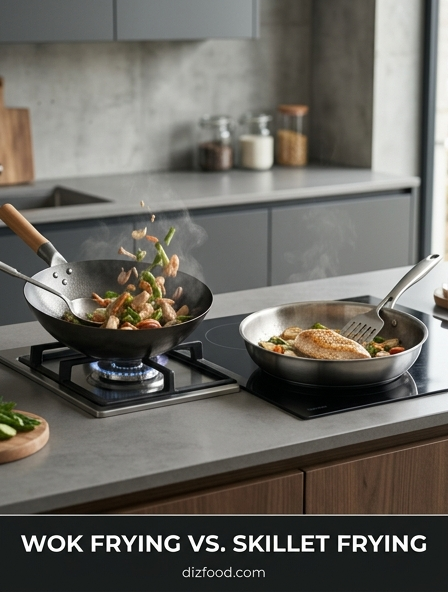
For culinary techniques that require intense heat, such as searing a steak or stir-frying in a wok, selecting a fat with a high smoke point is non-negotiable. These fats have been processed or naturally contain structures that withstand temperatures exceeding 400°F (204°C) without breaking down. Using the right fat ensures a perfect Maillard reaction-the browning of sugars and proteins-without the interference of acrid smoke or bitter flavors. Refined oils are generally the preferred choice for these tasks because the refining process removes the impurities and free fatty acids that would otherwise burn at lower temperatures.
When planning a high-heat meal, consider the following fats which are recognized for their exceptional thermal stability:
| Oil Type | Approx. Smoke Point | Primary Use |
|---|---|---|
| Avocado Oil (Refined) | 520°F (270°C) | Searing, Grilling |
| Safflower Oil (Refined) | 510°F (265°C) | Deep Frying |
| Ghee (Clarified Butter) | 485°F (250°C) | Sautéing, Searing |
| Peanut Oil (Refined) | 450°F (232°C) | Frying, Wok Cooking |
Oils to Avoid for Stovetop Cooking
Not all oils are designed for the heat of a stovetop burner. Some fats are so delicate that they begin to smoke and degrade at temperatures barely above a simmer. These oils are typically unrefined, cold-pressed, or high in polyunsaturated fatty acids, making them ideal for finishing dishes or creating salad dressings, but dangerous for frying. Using these oils on high heat not only ruins their expensive flavor profiles but also creates a significant amount of smoke and kitchen odor. Awareness of these limitations prevents the accidental creation of harmful compounds during meal preparation.
Common oils that should generally be kept away from high-heat stovetop applications include:
- Flaxseed Oil: With a very low smoke point around 225°F, it is strictly a finishing oil.
- Walnut Oil: Best used cold to preserve its delicate, nutty essence.
- Extra Virgin Olive Oil: While suitable for medium heat, its low threshold makes it risky for high-heat searing.
- Unrefined Coconut Oil: Contains solids that burn much faster than the refined version.
- Butter: Milk solids will brown and then burn quickly unless clarified into ghee.
Health Risks of Reaching the Flash Point
While the smoke point is a culinary warning, the flash point is a critical safety hazard. The flash point is the temperature at which the vapors rising from the oil can actually ignite when exposed to a flame or spark. Beyond this lies the fire point, where the oil will sustain a flame on its own. Reaching these temperatures is extremely dangerous and is a leading cause of kitchen fires. From a health perspective, the vapors produced at these extreme temperatures contain high concentrations of polycyclic aromatic hydrocarbons (PAHs) and heterocyclic amines (HCAs), both of which are classified as potential carcinogens.
Inhaling the dense smoke from overheated oil is just as hazardous as consuming the degraded fat. The smoke contains fine particulate matter that can irritate the respiratory system and enter the bloodstream. To mitigate these risks, it is essential to never leave heating oil unattended. If an oil begins to smoke heavily, it is approaching its flash point. The heat should be killed immediately, and the pan should be moved to a cool burner. Understanding these physical limits is a fundamental aspect of fire prevention and maintaining a non-toxic cooking environment in the home.
Identifying Physical Signs of Burnt Oil
Learning to visually monitor oil is a crucial skill for any cook. Before oil reaches the point of actual combustion, it exhibits several physical warnings that indicate it is time to reduce the heat or start over. The first sign is often "shimmering," which is a positive sign that the oil is hot and ready for food. However, as it approaches the smoke point, the oil will begin to thin out significantly, moving across the pan with the fluid consistency of water. Shortly after, the color will begin to deepen, often turning a darker yellow or brown, indicating that the organic matter within the fat is carbonizing.
The most obvious sign is the appearance of wisps of smoke. If the smoke is thin and white, the oil is at its limit; if the smoke turns blue or grey and becomes continuous, the oil is burnt. Another physical indicator is the change in texture of the food being cooked. If ingredients immediately turn dark brown or black without cooking through, the oil temperature is too high. Finally, burnt oil often leaves a sticky, resinous residue on the sides of the pan that is difficult to clean, a physical manifestation of the polymerization that occurred during the overheating process.
Choosing Refined vs Unrefined Fats
The choice between refined and unrefined fats is the primary factor in determining the smoke point of a kitchen staple. Unrefined oils, often labeled as "cold-pressed" or "virgin," are extracted through mechanical pressure without the use of high heat or chemicals. This preserves the natural flavor, minerals, and enzymes of the source fruit or seed. However, these "impurities" are exactly what cause the oil to smoke at lower temperatures. Unrefined oils are nutritionally superior for cold applications but are chemically unstable under the duress of a hot skillet.
Refined oils, conversely, undergo a series of processes including bleaching, deodorizing, and high-heat filtration. While this removes some of the natural aroma and color, it also removes the volatile free fatty acids and sediment. This results in a "neutral" oil with a significantly higher smoke point, making it the workhorse of high-heat cooking. When selecting a fat, cooks must balance the desire for flavor with the necessity of thermal stability. For a slow-roasted dish, an unrefined oil might add a beautiful depth, but for a quick sauté, a refined version of the same oil is the safer and more effective choice.
Temperature Control for Healthy Frying
Successful and healthy frying is an exercise in precision. To avoid reaching the smoke point, one must maintain a consistent temperature range, typically between 325°F and 375°F (163°C to 190°C). This range is high enough to create a steam barrier that prevents the food from absorbing too much grease, yet low enough to keep the oil from breaking down into harmful radicals. The most effective tool for this is a clip-on deep-fry thermometer, which provides real-time feedback and eliminates the guesswork associated with "eyeing" the oil's surface.
In addition to using a thermometer, several techniques can help manage oil temperature effectively:
- Fry in small batches: Adding too much food at once causes the temperature to drop, leading to greasy food, while the subsequent recovery heat can overshoot the smoke point.
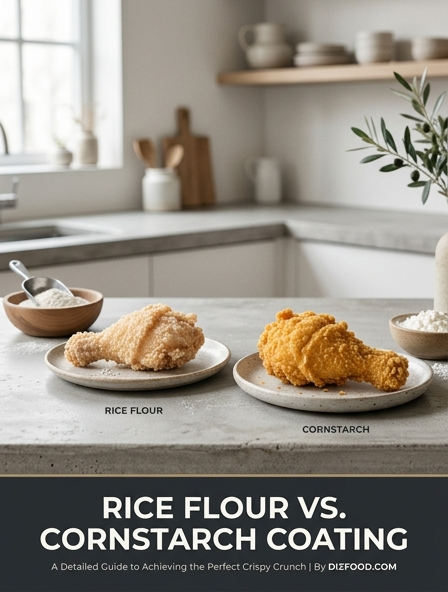
- Remove debris: Use a skimmer to remove fallen bits of breading, as these particles will burn and lower the overall smoke point of the oil.
- Avoid salt in the oil: Season food after frying, as salt can lower the smoke point and accelerate oxidation.
- Use heavy-bottomed pans: These provide more even heat distribution and prevent localized hot spots.

Comments