
Understanding Oil Smoke Points
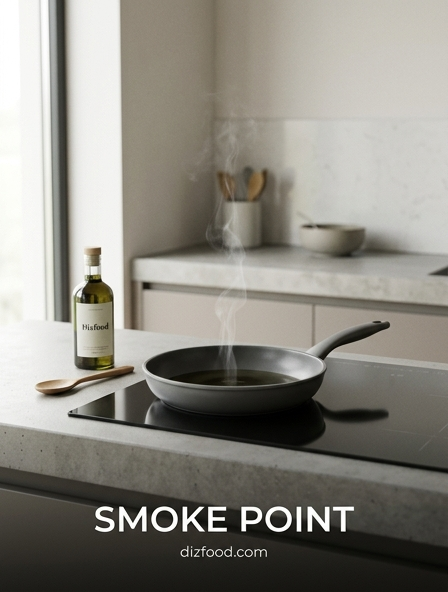
The smoke point of a cooking oil refers to the specific temperature at which the fat begins to break down and produce a continuous bluish smoke. At this critical threshold, the oil undergoes a chemical transformation where the beneficial fatty acids decompose into glycerol and free fatty acids. This process releases a substance called acrolein, which is responsible for the acrid, burnt smell and the stinging sensation in your eyes. Beyond the unpleasant sensory experience, exceeding the smoke point destroys the nutritional value of the oil and creates harmful free radicals and pro-inflammatory compounds.
Understanding these limits is vital for culinary success because every oil possesses a unique thermal limit based on its composition and degree of refinement. Generally, refined oils have significantly higher smoke points than their unrefined counterparts because the refining process removes impurities like minerals and enzymes that burn easily. When selecting a fat for the kitchen, you must match the cooking technique to the oil's thermal stability to ensure safety and flavor integrity.
- Refined Oils: Higher stability, neutral flavor, suitable for high heat.
- Unrefined Oils: Lower stability, rich flavor, best for finishing or low heat.
- Acrolein: The chemical byproduct that signals oil degradation.
Best Oils for High Heat Frying
For high-heat applications like deep frying or wok cooking, it is imperative to choose oils that can withstand temperatures exceeding 400°F without degrading. Refined avocado oil is often considered the gold standard for high-heat cooking due to its exceptionally high smoke point, which can reach up to 520°F. This makes it ideal for searing meats at intense temperatures. Other reliable options include peanut oil, which is favored in commercial kitchens for its stability and subtle nutty undertone, and safflower oil, which offers a neutral profile that does not interfere with the ingredients' natural flavors.
When selecting your frying medium, consider the following smoke points to ensure you do not reach the breakdown phase during your cooking process:
| Oil Type | Smoke Point (°F) | Primary Usage |
|---|---|---|
| Avocado (Refined) | 520°F | Searing, Broiling |
| Safflower (Refined) | 510°F | High-Heat Frying |
| Peanut Oil | 450°F | Deep Frying |
| Grapeseed Oil | 420°F | Stir-Frying |
Essential Equipment for Safe Searing
High-heat searing requires specialized tools to manage the intense thermal energy and prevent accidents. A heavy-bottomed pan, such as one made from cast iron or carbon steel, is essential because these materials retain heat efficiently and provide an even cooking surface that prevents hot spots. These pans can withstand temperatures that would cause non-stick coatings to peel or release toxic fumes. Additionally, using long-handled stainless steel tongs or a fish spatula allows you to manipulate food from a safe distance, reducing the risk of oil burns.
Ventilation is another critical component of high-heat cooking. A high-CFM (Cubic Feet per Minute) range hood is necessary to extract smoke and aerosolized grease from the kitchen environment. If your ventilation is inadequate, a portable splatter guard or screen can help contain fine droplets of hot oil while still allowing steam to escape. Maintaining a clean workspace around the stove is equally important to ensure that stray oil droplets do not ignite on the burner or surrounding surfaces.
- Cast Iron Skillet: Superior heat retention for consistent searing.
- Splatter Screen: Reduces cleanup and protects skin from micro-burns.
- Infrared Thermometer: For non-contact temperature verification.
How to Monitor Oil Temperatures
Accurate temperature monitoring is the most effective way to prevent oil from reaching its smoke point. Relying on visual cues alone can be misleading, as many oils do not show physical changes until they are already beginning to break down. The most reliable method is using a digital probe thermometer or a clip-on candy thermometer that allows for constant monitoring during the heating process. For surface-level frying, an infrared thermometer provides a quick, non-contact reading of the pan's temperature, ensuring you are within the safe zone before adding ingredients.
If you do not have a thermometer, you can use traditional manual tests, though they are less precise. These methods provide a general estimate of whether the oil is ready for frying or if it is approaching a dangerous heat level:
- The Wooden Spoon Test: Dip the handle of a wooden spoon into the oil; if steady bubbles form around it, the oil is roughly 325°F to 350°F.
- The Bread Cube Test: Drop a small cube of white bread into the oil. If it turns golden brown in 60 seconds, the oil is approximately 365°F.
- The Shimmer Test: Watch for the oil to "shimmer" or develop thin wavy lines, which indicates it is hot but not yet smoking.
Preventing and Handling Grease Fires
A grease fire occurs when oil is heated past its flash point, eventually reaching its auto-ignition temperature. Prevention is the best strategy, which involves never leaving a heating pan unattended and being mindful of the volume of oil relative to the pan size. If you notice the oil beginning to smoke excessively, immediately turn off the heat and move the pan to a cool burner if it is safe to do so. Never wait for flames to appear before taking action, as grease fires escalate with extreme speed and intensity.
In the event that the oil ignites, you must act decisively and calmly. Understanding the "dos and don'ts" of grease fire management can prevent a minor flare-up from becoming a household catastrophe:
- Do NOT use water: Water sinks to the bottom, instantly vaporizes, and creates an explosion of flaming oil.
- Cover the flame: Slide a metal lid or a baking sheet over the pan to starve the fire of oxygen.
- Use Baking Soda: For small fires, dumping a large amount of baking soda can help smother the chemical reaction.
- Fire Extinguisher: Use only a Class K (kitchen) or Class B extinguisher if the lid method fails.
Safe Splatter Management Techniques
Splatter is not just a cleaning nuisance; it is a significant safety hazard that can cause second-degree burns and lead to grease fires. Splatter occurs when moisture on the surface of food comes into contact with hot oil, causing the water to rapidly expand into steam and eject oil droplets into the air. To manage this, always pat proteins and vegetables dry with paper towels before adding them to the pan. Minimizing surface moisture is the most effective way to ensure a calm, controlled fry or sear.
In addition to drying food, the choice of cookware plays a role in containment. Using a high-sided pot or a Dutch oven for shallow frying provides a physical barrier that keeps droplets within the vessel. For traditional pan-frying, a fine-mesh splatter screen is indispensable. This tool rests on top of the pan, allowing steam to escape-preventing soggy food-while trapping the vast majority of oil particles. Always wear an apron and long sleeves when working with high-heat oil to provide an extra layer of protection for your skin against stray micro-splatters.
- Desiccating Ingredients: Use salt or paper towels to remove moisture.
- Gradual Addition: Lay food into the oil away from your body to prevent splashes.
- Controlled Heat: Avoid overcrowding the pan, which can cause erratic bubbling.
Recognizing When Cooking Oil Spoils
Cooking oil does not last indefinitely, and using degraded oil can ruin the flavor of your food and compromise your health. Rancidity is a result of oxidation, which occurs when oil is exposed to light, heat, and air over time. One of the primary signs of spoilage is a change in the oil's physical state. If the oil appears significantly darker than when it was first poured, or if it has developed a thick, resinous consistency, it has likely undergone polymerization and should be discarded immediately. Another sign is the presence of foam on the surface during heating, which indicates the oil has broken down.
Your sense of smell is also a powerful tool for detection. Fresh oil should have a neutral or slightly nutty aroma, whereas spoiled oil often smells like old cardboard, wet dogs, or even metallic paint. Additionally, used oil that has been heated multiple times will have a lower smoke point than fresh oil, meaning it will start smoking at much lower temperatures than you might expect. Regularly inspecting your oil before use prevents the "off" flavors associated with rancid fats from permeating your dishes.
- Visual Indicators: Dark color, sediment, or increased viscosity.
- Olfactory Cues: Sharp, sour, or "play-dough" like scents.
- Cooking Performance: Excessive foaming or premature smoking.
Proper Disposal of Used Kitchen Oil
Disposing of cooking oil incorrectly can lead to severe plumbing issues and environmental damage. You should never pour oil or grease down the kitchen sink, as it will eventually solidify and contribute to "fatbergs" in the sewage system. This can lead to expensive pipe repairs and blockages that affect the entire neighborhood. Instead, the disposal process should be handled with care once the oil has completely cooled to room temperature. Handling hot oil is dangerous and can melt plastic disposal containers, leading to spills.
To dispose of oil safely, follow a standardized procedure that ensures the waste is contained and managed responsibly. Many municipalities now offer recycling programs where used oil is converted into biodiesel or other industrial products. If recycling is not available, the following steps are the standard for household disposal:
- Cooling: Allow the oil to reach a safe temperature before handling.
- Straining: If you plan to reuse it, strain out food particles; otherwise, proceed to containment.
- Containment: Pour the oil into a non-recyclable, sealable container, such as a glass jar or a sturdy plastic tub.
- Disposal: Place the sealed container in your regular trash bin or take it to a local grease collection center.
Optimal Storage for Frying Oils
Proper storage is essential to extending the shelf life of cooking oils and maintaining their smoke point stability. The three primary enemies of oil are light, heat, and oxygen. When oil is exposed to these elements, the chemical bonds in the fats begin to break down through oxidation, leading to premature rancidity. To prevent this, oils should be stored in a cool, dark place, such as a lower pantry cabinet away from the oven or stovetop. While many people keep oil on the counter for convenience, the exposure to sunlight and fluctuating temperatures significantly accelerates degradation.
For certain unrefined oils with high polyunsaturated fat content, such as walnut or flaxseed oil, refrigeration is often recommended to maintain freshness. Even for standard frying oils like canola or vegetable oil, ensuring the cap is tightly sealed after every use is vital to minimize oxygen exposure. If you purchase oil in large quantities, consider decanting a small portion into a darker glass bottle for daily use while keeping the main supply sealed in a climate-controlled environment. This practice limits the frequency with which the bulk supply is exposed to the air.
- Opaque Containers: Protect against UV-induced oxidation.
- Temperature Control: Avoid storage near dishwashers or ovens.
- Airtight Seals: Prevents the oil from absorbing kitchen odors and reacting with oxygen.
Advanced Tips for High Heat Mastery
Mastering high-heat cooking requires a combination of timing, technique, and a deep understanding of thermal dynamics. One advanced technique is the "long preheat," where the pan is heated slowly over medium heat before being cranked up for the final sear. This ensures even heat distribution across the entire surface, preventing the "cold spots" that can cause food to stick or cook unevenly. Once the pan is hot, add the oil and wait for it to reach a shimmering state; adding food too early results in grease absorption, while adding it too late leads to instant smoking and bitter flavors.
Furthermore, professional chefs often use "oil layering" to manage smoke points. For example, you might start a sear with a high-smoke-point neutral oil like grapeseed to develop a crust, and then finish the dish with a small amount of butter or extra virgin olive oil for flavor during the final seconds. This allows you to achieve the high temperatures necessary for the Maillard reaction without burning the more delicate fats. Always monitor the visual cues of the food; if the exterior is browning too quickly, be prepared to deglaze the pan with a splash of liquid or move the pan to a cooler zone to modulate the energy transfer.

Comments