
Choosing the perfect partner for your frying pan often boils down to a battle between Refined Coconut Oil and Avocado Oil, both of which are heavyweights in the world of high-heat culinary arts. While extra virgin oils might smoke and degrade, these two staples are engineered to withstand the pressure of searing, roasting, and deep-frying without losing their nutritional integrity or producing harmful compounds. Avocado oil is the undisputed champion of heat tolerance with a staggering smoke point of 520°F, making it ideal for the hottest grills, whereas refined coconut oil offers a more affordable, 400°F-stable alternative that provides a neutral canvas for your flavors without the tropical scent of its unrefined counterpart. Whether you are chasing the heart-healthy monounsaturated fats of the avocado or the quick-energy MCTs found in coconut, understanding these heat-stable heroes is the secret to mastering the perfect sear every time.
| Feature | Refined Coconut Oil | Avocado Oil (Refined) |
|---|---|---|
| Smoke Point | ~400°F (204°C) | ~520°F (271°C) |
| Primary Fat Type | Saturated (MCTs) | Monounsaturated (Oleic Acid) |
| Flavor Profile | Neutral, no coconut scent | Mild, buttery, or neutral |
| Best For | Baking, sautéing, budget frying | Searing, grilling, high-heat roasting |
| Shelf Stability | High (Solid at room temp) | High (Liquid at room temp) |
| Price Point | Generally affordable | Premium / Higher cost |
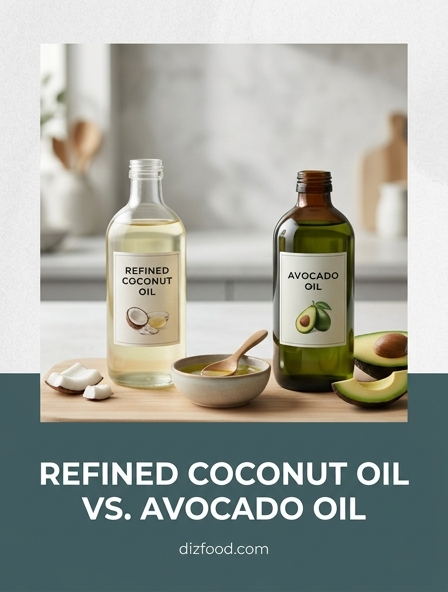
Refined Coconut Oil vs Avocado Oil Smoke Point Comparison
The smoke point is the temperature at which an oil stops shimmering and starts to burn, releasing smoke and a bitter flavor while breaking down beneficial nutrients. In the kitchen, understanding the disparity between refined coconut oil and avocado oil is essential for safety and culinary success. Refined coconut oil typically possesses a smoke point of approximately 400°F to 450°F (204°C to 232°C). This makes it significantly more heat-stable than its virgin counterpart, allowing for various stovetop applications without the risk of oxidation.
Avocado oil, however, is widely regarded as the king of high-heat cooking. Refined avocado oil boasts one of the highest smoke points of any plant-based fat, often reaching up to 520°F (271°C). This allows it to withstand extreme heat environments, such as commercial fryers or searing hot cast-iron skillets, where other oils would decompose into harmful free radicals. Choosing the right oil based on these thresholds ensures that the chemical structure of the fat remains intact during the cooking process.
| Oil Type | Average Smoke Point | Primary Kitchen Use |
|---|---|---|
| Refined Coconut Oil | 400°F - 450°F | Baking, Sautéing, Roasting |
| Refined Avocado Oil | 500°F - 520°F | Searing, Deep Frying, Grilling |
Nutritional Profiles of Refined Coconut Oil and Avocado Oil
While both oils provide approximately 120 calories per tablespoon, their fatty acid compositions are fundamentally different. Refined coconut oil is primarily composed of saturated fats, making up about 80% to 90% of its total content. A significant portion of these are Medium-Chain Triglycerides (MCTs), such as lauric acid, which are processed differently by the liver compared to long-chain fats. Although the refining process may slightly reduce some phytonutrients found in virgin oil, the core caloric and fat structure remains consistent.
Avocado oil is essentially the polar opposite, consisting mostly of monounsaturated fats, specifically oleic acid, which is the same heart-healthy fat found in olive oil. Beyond its fat content, avocado oil is a notable source of Vitamin E and the antioxidant lutein, which is beneficial for eye health. It is also known for its ability to enhance the absorption of fat-soluble vitamins (A, D, E, and K) and carotenoids from other vegetables when used in salads or mixed dishes. When comparing the two, the choice often comes down to a preference for saturated MCTs versus the antioxidant-rich profile of monounsaturated omega-9 fatty acids.
Best High Heat Cooking Uses for Coconut and Avocado Oils
In the kitchen, the application of these oils is largely dictated by their stability under thermal stress. Refined coconut oil is an excellent choice for baking, as its high saturated fat content allows it to behave similarly to butter or shortening. It provides a crisp texture to cookies and pie crusts without the heavy coconut aroma. It is also ideal for medium-high heat roasting of root vegetables, where it creates a slightly sweet, caramelized exterior at standard oven temperatures of 400°F.
Avocado oil is the superior choice for high-intensity techniques. If you are searing a steak or charring vegetables under a broiler, avocado oil's 520°F smoke point prevents the kitchen from filling with acrid smoke. It is also the preferred oil for deep-frying and stir-frying in woks, where temperatures can fluctuate rapidly. Because it remains liquid at room temperature, it is more versatile for making homemade high-heat infusions or marinades that need to be poured or brushed easily. Use these oils according to these guidelines:
- Searing and Grilling: Use Avocado Oil to prevent charring and acrolein production.
- Baking: Use Refined Coconut Oil as a vegan alternative to butter.
- Stir-Frying: Either oil works, but Avocado Oil provides a higher safety margin for high flames.
- Roasting: Refined Coconut Oil adds a unique "crunch" to roasted potatoes.
Refined Coconut Oil vs Avocado Oil for Keto and Weight Loss
For those following a ketogenic or low-carb lifestyle, both refined coconut oil and avocado oil are staples, yet they serve distinct metabolic roles. Refined coconut oil is highly prized for its MCT content. MCTs are rapidly absorbed and sent straight to the liver, where they are converted into ketones, providing an immediate energy source for the brain and muscles. This can help individuals entering ketosis to maintain energy levels and suppress appetite. Many keto practitioners add refined coconut oil to coffee or "fat bombs" because its neutral flavor doesn't overpower the drink.
Avocado oil supports weight loss through a different mechanism: satiety and inflammation reduction. The monounsaturated fats in avocado oil have been shown to help regulate insulin levels and reduce abdominal fat accumulation when replacing less healthy fats. Because avocado oil is rich in oleic acid, it promotes a feeling of fullness that can prevent overeating throughout the day. While coconut oil provides the "quick burn" energy, avocado oil offers the "slow burn" stability. Integrating both can be beneficial-using coconut oil in the morning for a mental boost and avocado oil in evening meals to ensure long-lasting satiety and heart protection.
Flavor Comparison Neutral Refined Coconut vs Buttery Avocado Oil
Flavor is perhaps the most significant practical difference for the home cook. Virgin coconut oil has a powerful, tropical aroma that can dominate a dish, but refined coconut oil undergoes a deodorizing process. This results in a completely neutral oil that carries no scent or flavor. This neutrality is a massive advantage in delicate baking or when frying savory items like eggs or potatoes where a coconut taste would be unwelcome. It allows the natural flavors of the ingredients to shine through without interference.
Avocado oil, even in its refined state, tends to carry a very mild, buttery, and slightly nutty undertone. While it is still considered a "neutral" oil compared to extra virgin olive oil, it has more character than refined coconut oil. This subtle richness makes it an excellent base for mayonnaise, dressings, and pestos. When used for sautéing, it adds a velvety mouthfeel to the finished dish. In the kitchen, choose refined coconut oil when you want a "blank canvas" for your flavors, and reach for avocado oil when you want to add a luxurious, creamy quality to your culinary creations.
Saturated Fats vs Monounsaturated Fats in Cooking Oils
The chemical structure of these two oils defines their physical state and their behavior during cooking. Refined coconut oil is high in saturated fats. Saturated fats have no double bonds between carbon atoms, making them highly stable and resistant to rancidity. This structure also means that refined coconut oil is solid at room temperature (below 76°F), which is why it is often used as a direct substitute for solid fats like lard or butter in vegan recipes. Its stability makes it less likely to oxidize when stored in a kitchen pantry for long periods.
Avocado oil is composed mainly of monounsaturated fats (MUFAs). These molecules have one double bond, which makes the oil liquid at room temperature. From a structural standpoint, MUFAs are less stable than saturated fats but significantly more stable than polyunsaturated fats found in seed oils. Because avocado oil remains liquid, it is better suited for emulsions like vinaigrettes or as a finishing oil. In the context of cooking, the saturated fats in coconut oil provide structural integrity to baked goods, while the monounsaturated fats in avocado oil provide fluidity and heart-healthy benefits without the risks associated with high-omega-6 vegetable oils.
Skin and Hair Benefits of Coconut Oil vs Avocado Oil
While often used in the kitchen, these oils are frequently repurposed for personal care. Refined coconut oil is a potent occlusive, meaning it creates a barrier on the skin to lock in moisture. It is rich in lauric acid, which possesses antimicrobial properties, making it useful for soothing minor skin irritations or acting as a natural makeup remover. For hair, coconut oil is unique because its molecular structure allows it to penetrate the hair shaft, reducing protein loss during washing. However, it can be comedogenic for some, meaning it may clog pores on the face.
Avocado oil is a "penetrative" oil rather than just an occlusive one. It is rich in oleic acid and Vitamin E, which can deeply nourish the dermis and improve skin elasticity. Because it contains lutein and chlorophyll (in less refined versions), it is excellent for protecting the skin against UV damage and supporting collagen production. When used on hair, avocado oil acts as a humectant, drawing moisture in and smoothing the cuticle. It is generally lighter than coconut oil and less likely to cause breakouts on the scalp or forehead, making it a preferred choice for those with sensitive or acne-prone skin who still require deep hydration.
Heart Health Impact of Refined Coconut and Avocado Oils
The impact on heart health is a point of significant debate among nutritionists. Refined coconut oil increases both LDL (often called "bad") cholesterol and HDL ("good") cholesterol. While the rise in HDL is positive, many health organizations, such as the American Heart Association, advise caution regarding the high saturated fat content, suggesting that it may contribute to cardiovascular risk if consumed in large quantities. However, proponents argue that the specific type of saturated fat in coconut oil behaves differently than animal-based fats, and its impact should be viewed through the lens of overall diet and lifestyle.
Avocado oil has a much more universally accepted profile for heart health. Its high concentration of oleic acid is linked to reduced blood pressure and improved cholesterol levels. Studies suggest that avocado oil can lower LDL cholesterol and triglycerides while maintaining or increasing HDL levels. Additionally, it has anti-inflammatory properties that protect the lining of the blood vessels. For individuals focusing on cardiovascular longevity, avocado oil is generally considered the safer "daily driver" oil, whereas refined coconut oil is best used in moderation or for specific metabolic goals like those found in ketogenic diets.
Refining Process Differences Between Coconut and Avocado Oil
The term "refined" refers to the processing steps taken to make the oil more stable and neutral. Refined coconut oil is typically made from "copra," which is dried coconut meat. Because copra can contain impurities, the oil is Refined, Bleached, and Deodorized (RBD). This process involves high heat and sometimes the use of clays to filter the oil. The result is a clear, odorless oil with a high smoke point. Despite the "bleaching" name, it is a physical process rather than a chemical one involving household bleach, making it safe for consumption.
Refined avocado oil is produced by extracting the oil from the pulp of the fruit, often through centrifugation. To achieve its ultra-high smoke point, the oil then undergoes a refining process that removes free fatty acids, chlorophyll, and other volatile compounds that would otherwise burn at lower temperatures. This refining is what allows the oil to reach 520°F. Without this process, extra virgin avocado oil has a lower smoke point and a much greener hue. Understanding these processes helps consumers realize that "refined" is not synonymous with "unhealthy," but rather "heat-optimized" for specific culinary tasks.
The Verdict Which Oil is Better for Your Daily Diet
Choosing between refined coconut oil and avocado oil depends entirely on your cooking habits and health priorities. If you are a high-heat chef who frequently sears meat, grills, or fries, avocado oil is the clear winner due to its superior smoke point and heart-healthy monounsaturated fat profile. It is the most versatile all-purpose oil for everything from salad dressings to stovetop cooking. Its ability to lower inflammation and support heart health makes it an ideal staple for the majority of household meals.
On the other hand, refined coconut oil is an indispensable tool for the vegan baker or the keto enthusiast. Its ability to remain solid at room temperature provides textures in cooking that liquid oils simply cannot replicate. It is also an excellent choice for those seeking the metabolic benefits of MCTs without the overwhelming taste of fresh coconut. In a well-stocked kitchen, there is room for both. Consider the following summary for your next shopping trip:
- Choose Avocado Oil for: Heart health, high-heat searing, and everyday liquid use.
- Choose Refined Coconut Oil for: Vegan baking, keto energy, and a neutral, solid fat substitute.
- Balance: Use avocado oil as your primary fat and coconut oil for specific dietary or textural needs.





Comments