
Achieving that elusive, shatter-crisp crunch starts with mastering golden brown textures through the superior heat retention of cast iron. Because cast iron holds heat so effectively, it prevents the drastic temperature drops that often lead to soggy, oil-laden food. This thermal mass ensures your ingredients sear instantly, locking in moisture while developing a deep, even caramelization that thinner pans simply can't replicate. It's the ultimate tool for anyone serious about professional-grade frying and searing at home. To decide on the best setup for your kitchen, explore the key differences between an Electric Deep Fryer Vs. Stovetop Dutch Oven to find your perfect match.
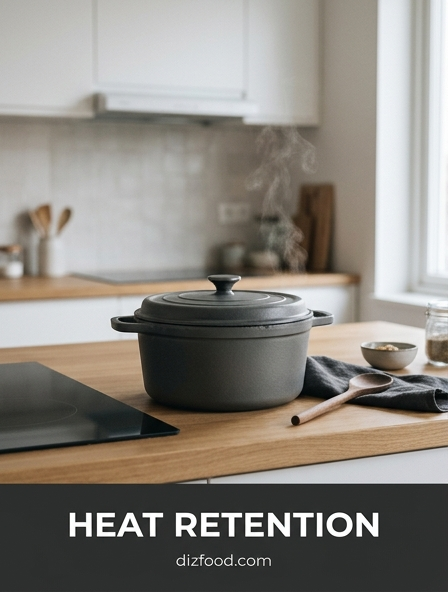
Science of Cast Iron Heat Retention
The primary reason cast iron is revered in professional kitchens is its exceptional volumetric heat capacity. While materials like copper or aluminum are superior conductors-meaning they transfer heat quickly-cast iron acts as a thermal battery. Its high density allows it to absorb a significant amount of thermal energy and hold it for an extended period. This characteristic is vital when introducing cold ingredients, such as a chilled steak, into a hot pan. In thinner vessels, the surface temperature drops instantly, leading to steaming rather than searing. Cast iron, however, maintains its temperature, ensuring the cooking process remains intense and uninterrupted.
- Thermal Mass: The thickness of the metal provides a reservoir of heat that resists fluctuations.
- Emissivity: Cast iron has high infrared emissivity, meaning it radiates heat into the food even without direct contact.
- Specific Heat Capacity: Iron requires more energy to heat up but loses that energy much slower than other culinary metals.
This scientific profile makes iron the gold standard for recipes requiring consistent, high-intensity heat. Once the pan reaches the desired temperature, it becomes an unstoppable force of thermal energy, providing the stability needed for complex chemical transformations like the Maillard reaction.
Achieving the Perfect Maillard Reaction
The Maillard reaction is a chemical process between amino acids and reducing sugars that gives browned food its distinctive flavor and aroma. This reaction typically begins around 280°F (140°C) and accelerates as the temperature rises. In a kitchen setting, heat retention is the secret to mastering this transformation. If a pan lacks sufficient thermal mass, the moisture released by the food will lower the surface temperature below the Maillard threshold, causing the food to turn grey and lose its structural integrity.
To optimize this reaction, one must utilize the stored energy of heavy cookware. The intense, sustained heat ensures that surface moisture evaporates almost instantly upon contact. This rapid evaporation allows the temperature to climb quickly into the browning range. Furthermore, the high emissivity of cast iron ensures that the heat penetrates deep into the proteins, creating a thick, flavorful crust. Professionals often wait for the faint blue wisps of oil smoke, signaling that the pan has stored enough energy to trigger the reaction across the entire surface of the ingredient. Consistency in heat delivery prevents "patchy" browning, resulting in a professional-grade finish that enhances both the visual appeal and the complexity of the dish.
Preheating Secrets for Even Browning
Because cast iron is a poor conductor of heat relative to other metals, it is prone to developing hot spots directly above the flame. Achieving an even browning surface requires a deliberate and patient preheating strategy. Simply turning the burner to high will result in a scorched center and cold edges. Instead, the goal is to allow the heat to migrate slowly throughout the entire body of the pan, ensuring the rim is nearly as hot as the center before the first ingredient is added.
- Start Low: Place the pan over low-medium heat for at least five to seven minutes to allow gradual thermal expansion.
- Rotate Frequently: If using a gas burner, rotate the pan ninety degrees every few minutes to mitigate the effect of uneven flame patterns.
- The Water Test: Flick a few drops of water onto the surface; they should dance and evaporate immediately (the Leidenfrost effect) when the pan is ready.
- Add Fat Last: Only add your oil or butter once the pan is fully preheated to prevent the oil from breaking down prematurely.
Following these steps ensures that the heat retention properties work in your favor, providing a uniform stage for searing that prevents sticking and encourages even crust development across the entire surface area.
Best Oils for High Heat Frying
Leveraging the heat retention of cast iron requires a fat that can withstand high temperatures without oxidizing or reaching its smoke point. When an oil smokes, it breaks down into acrid compounds and free radicals, ruining the flavor of the food and potentially damaging the seasoned finish of the pan. Refined oils are generally preferred for high-heat applications because the impurities that cause early smoking have been removed through processing.
| Oil Type | Smoke Point | Best Use |
|---|---|---|
| Avocado Oil | 520°F (270°C) | High-sear steaks |
| Grapeseed Oil | 420°F (215°C) | General frying |
| Ghee (Clarified Butter) | 485°F (250°C) | Flavorful searing |
| Refined Peanut Oil | 450°F (230°C) | Deep frying |
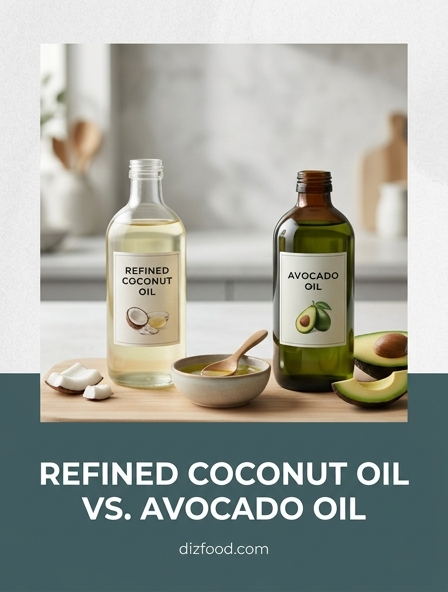
Choosing the correct oil ensures that the pan's high thermal energy is transferred efficiently to the food. Using extra virgin olive oil or unrefined coconut oil in a preheated cast iron skillet often leads to excessive smoke and a bitter "burnt" taste due to their lower heat tolerance.
Techniques for Consistent Golden Crusts
Consistency in browning is the hallmark of a master cook. To achieve a perfectly uniform golden-brown crust, one must manage the interaction between the food's surface and the pan's stored heat. Moisture is the primary enemy; if the surface of your meat or vegetable is wet, the pan's energy is wasted on boiling that water rather than browning the food. This leads to a lackluster texture and uneven color.
- Surface Desiccation: Always pat proteins dry with paper towels or allow them to air-dry in the refrigerator before cooking.
- Strategic Crowding: Never fill the pan more than seventy percent. Overcrowding traps steam and rapidly depletes the pan's heat reservoir.
- Weighted Pressing: Use a kitchen weight or a smaller heavy lid to ensure the food makes total contact with the pan's surface.
- Fat Distribution: Ensure a thin, even layer of oil is present to bridge the microscopic gaps between the food and the metal.
By controlling these variables, you allow the cast iron's heat retention to act uniformly. The result is a crisp, caramelized exterior that seals in juices and provides the satisfying crunch associated with professional frying and searing techniques.
Mastering Temperature Control in Iron
The greatest challenge with cast iron is its "thermal lag." Because it holds heat so well, it does not respond immediately to changes in the stove settings. If you notice your oil is beginning to smoke excessively or your garlic is browning too fast, simply turning down the flame will not provide instant relief. The pan will continue to radiate its stored energy for several minutes. Mastering temperature control requires the cook to anticipate heat changes before they become problematic.
To lower the temperature quickly, you must introduce a "heat sink." This can be done by adding more oil or a significant amount of cold ingredients. Alternatively, physically removing the pan from the heat source is the most effective way to halt a temperature climb. Conversely, if you plan to sear multiple batches of meat, you must allow the pan a "recovery period" between batches. During this minute or two, the pan re-absorbs energy from the burner, replenishing its thermal battery so the second batch receives the same high-intensity sear as the first. Learning to feel the radiant heat by holding a hand a few inches above the surface is a critical skill for any iron-pan chef.
Maintaining the Natural Nonstick Seasoning
The "nonstick" quality of cast iron is not a coating applied in a factory; it is a layer of carbonized fat known as seasoning. This occurs through polymerization, where oils are heated to their smoke point and bond to the iron surface, creating a hard, plastic-like film. This layer is essential for heat retention because it fills the microscopic pores of the iron, allowing for better contact and easier release of food.
- Clean Gently: Use hot water and a stiff brush. Contrary to myth, a small amount of mild soap will not strip a well-polymerized seasoning.
- Dry Thoroughly: Never air-dry cast iron. Place it on a warm burner for a few minutes to ensure every molecule of water evaporates.
- Oil While Warm: Apply a microscopic layer of high-smoke-point oil to the pan while it is still warm to protect the surface from oxidation.
- Heat to Smoke: Occasionally heat the oiled pan until it just begins to smoke to reinforce the polymer bond.
A well-maintained seasoning not only prevents rust but also enhances the pan's ability to brown food without sticking, making the heat retention properties much more effective during high-heat frying tasks.
Professional Searing and Texture Tips
Professional chefs utilize the massive heat reservoir of cast iron to create textures that are impossible in lighter pans. One such technique is "Arrosé," or butter basting. Once a steak is nearly finished, chefs add butter, garlic, and herbs to the pan. The cast iron's heat retention keeps the butter at a foamy, bubbling state without immediately burning it, allowing the chef to spoon the hot, aromatic fat over the protein to cook the top side and create a deep mahogany crust.
- The Flip Frequency: For a thicker crust, flip the meat only once. For even internal cooking with a thinner crust, flip every 30 seconds.
- Edge Searing: Use tongs to hold steaks vertically, utilizing the pan's edge heat to render the fat cap.
- Deglazing for Texture: After searing, use a liquid to lift the "fond" (browned bits). The iron's heat will reduce the liquid into a thick glaze instantly.
The goal is to use the pan as more than a flat surface. By understanding how the heat is distributed through the walls and the base, you can manipulate the texture of your ingredients, ensuring a crisp exterior while maintaining a succulent, perfectly cooked interior.
Comparing Cast Iron and Stainless Steel
While both materials are staples in high-end kitchens, they serve different thermal purposes. Stainless steel is often "clad," meaning it has an internal core of aluminum or copper. This makes it much more responsive to temperature changes than cast iron. If you turn the heat down on stainless steel, the pan cools almost immediately. Cast iron, conversely, is the tool of choice when stability is more important than agility.
| Feature | Cast Iron | Stainless Steel |
|---|---|---|
| Heat Retention | Excellent (High) | Moderate (Low) |
| Thermal Response | Slow | Fast |
| Maintenance | Requires Seasoning | Dishwasher Safe |
| Reactivity | Reactive with Acid | Non-Reactive |
Cast iron is superior for deep-frying, blackening, and searing heavy meats because its temperature doesn't crash. Stainless steel is better for delicate pan sauces, sautéing vegetables, or cooking acidic foods like tomato-based sauces, which can strip the seasoning from an iron pan and take on a metallic tang. Knowing which tool to reach for depends entirely on whether the dish requires thermal momentum or thermal precision.
Troubleshooting Common Frying Mistakes
Most failures in cast iron frying stem from a misunderstanding of heat retention and surface tension. The most common complaint is food sticking. This usually happens because the cook attempted to move the food before the Maillard reaction was complete. Food naturally "releases" from the pan once a sufficient crust has formed. If you have to tug at a piece of meat, the pan is telling you it isn't ready.
Another common mistake is "greasy" food. This occurs when the pan temperature is too low. Instead of the hot oil creating a steam barrier that keeps the fat out, the food absorbs the oil like a sponge. This is a direct result of failing to preheat the pan long enough to build a substantial thermal reservoir. Finally, "scorching" happens when a cook forgets the thermal lag of iron. If the pan gets too hot, you must act decisively by adding bulk ingredients or removing it from the flame entirely. You cannot wait for the burner adjustment to take effect. Mastery of these nuances transforms cast iron from a heavy, frustrating hunk of metal into the most powerful and versatile tool in the kitchen.

Comments