
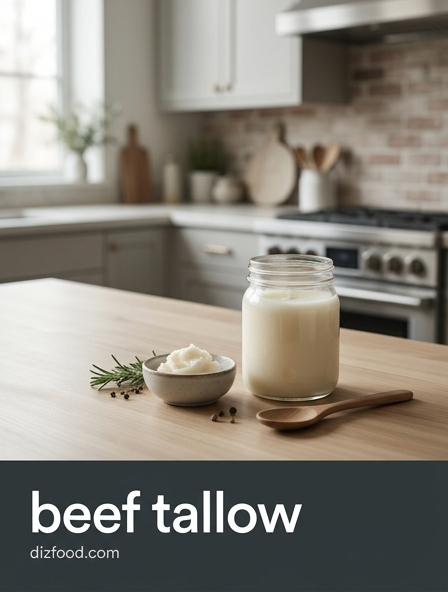
Ever wondered why some fries have that irresistible, melt-in-your-mouth crispiness? The secret lies in beef tallow. This traditional cooking fat is making a massive comeback because it delivers a superior golden crunch that modern vegetable oils simply can't match. Thanks to its high smoke point and stable saturated fat profile, tallow resists breaking down under high heat, ensuring your fried foods stay perfectly light and crispy rather than greasy. Beyond the texture, it infuses a subtle, savory depth of flavor that elevates everything from gourmet fries to fried chicken. If you're deciding between these traditional animal fats, explore the key differences in Tallow Vs. Lard For Frying to see which one belongs in your kitchen.
The Science of the Perfect Golden Crunch
Achieving the perfect golden crunch in fried foods is a matter of thermodynamics and lipid chemistry. Beef tallow provides a unique medium for heat transfer that differs significantly from liquid vegetable oils. Because tallow consists of a high concentration of saturated fatty acids, it remains stable at elevated temperatures, allowing for a rapid dehydration of the food's surface. This rapid moisture loss is what creates the rigid, cellular structure we identify as "crunch."
The Maillard reaction, which is the chemical interaction between amino acids and reducing sugars, is also enhanced by the specific fatty acid profile of beef tallow. This reaction is responsible for the deep golden-brown color and complex savory aromas. Unlike seed oils that may break down into acrid compounds, tallow supports a clean, efficient fry. To maximize this effect, chefs often focus on the following factors:
- Surface area-to-volume ratio of the food item.
- Consistent initial oil temperature to prevent sogginess.
- Proper resting periods to allow internal steam to dissipate without softening the crust.
Beef Tallow Smoke Point and Frying Stability
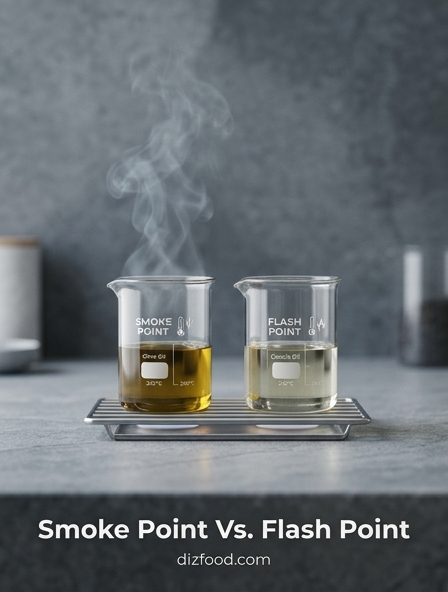
The smoke point of beef tallow is approximately 400°F (205°C), making it an ideal candidate for deep-frying and high-heat searing. However, the smoke point is only part of the story; oxidative stability is where tallow truly excels. Saturated fats are chemically more robust because they lack the double bonds found in polyunsaturated fats, which are the primary sites for oxidation and the formation of harmful free radicals.
| Fat Type | Smoke Point | Primary Stability Factor |
|---|---|---|
| Beef Tallow | 400°F | High Saturated Fat Content |
| Extra Virgin Olive Oil | 375°F | Monounsaturated Fats |
| Unrefined Sunflower Oil | 225°F | Polyunsaturated Fats (Low) |
This inherent stability means that tallow does not polymerize as quickly as vegetable oils, which typically leave a sticky residue on kitchen equipment. It also means the tallow can be filtered and reused more frequently without compromising the flavor or safety of the fried products, provided it is stored correctly between uses.
Comparing Tallow to Refined Vegetable Oils
Modern kitchens often default to refined vegetable oils like canola, soybean, or corn oil due to their low cost and neutral flavor. However, when comparing these to beef tallow, the differences in performance and health are stark. Refined oils undergo extensive chemical processing, bleaching, and deodorizing to remain shelf-stable. In contrast, tallow is a minimally processed fat obtained through simple rendering, preserving its natural integrity.
From a culinary perspective, vegetable oils often lack the "mouthfeel" that tallow provides. Tallow has a higher melting point, which means it solidifies quickly at room temperature. This prevents fried foods from feeling greasy or oily to the touch. Key differences include:
- Chemical Resistance: Tallow resists breaking down into aldehydes during high-heat cooking.
- Flavor Retention: Tallow enhances meatiness, whereas vegetable oils can sometimes introduce a "fishy" or "cardboard" aftertaste when heated repeatedly.
- Nutrient Density: Tallow contains fat-soluble vitamins that are absent in highly processed seed oils.
Unlocking Traditional Flavor Profiles in Fried Foods
The legendary flavor of early American fast food, particularly French fries, was largely attributed to the use of beef tallow in deep fryers. Tallow imparts a rich, umami-laden profile that plant-based oils simply cannot replicate. This "beefy" essence penetrates the crust of the food, adding a layer of depth that complements savory ingredients. To unlock these traditional profiles, one must understand the layering of flavors during the frying process.
- Render the tallow slowly to avoid scorching, which preserves its sweet, buttery undertones.
- Maintain a clean frying environment by skimming debris frequently to prevent "burnt" flavor transfer.
- Season the food immediately after it emerges from the tallow to allow the salt to adhere to the residual fat.
This method doesn't just cook the food; it seasons it from the outside in. For many chefs, returning to tallow is an act of culinary heritage, reviving a flavor palette that was largely lost during the anti-saturated fat movement of the late 20th century. It is the secret ingredient for authentic, old-school comfort food.
Why Saturated Fats Excel in High Heat Cooking
The molecular architecture of saturated fats is the reason they are superior for high-heat applications. In a saturated fat molecule, every carbon atom is "saturated" with hydrogen atoms, meaning there are no double bonds. Double bonds are chemically reactive and vulnerable to oxygen attack when heat is applied. When these bonds break, the oil turns rancid and produces inflammatory compounds.
Beef tallow consists of roughly 50% saturated fat, 42% monounsaturated fat, and only 4% polyunsaturated fat. This composition allows it to withstand prolonged exposure to heat without the molecular structure collapsing. In the context of a busy kitchen, this means the fat maintains its viscosity and heat-transfer properties throughout a long service. This structural integrity ensures that the food is cooked evenly and that the oil does not "soak" into the product, which is a common failure of unstable vegetable oils that break down and become thin during heavy use.
Texture Secrets for Crispier Deep Fried Results
The secret to the superior texture provided by beef tallow lies in its solidification temperature. Because tallow is solid at room temperature, it creates a "dry" finish on fried foods. As the food cools slightly after leaving the fryer, the tallow begins to set, creating a crisp barrier that prevents the interior moisture from migrating outward and softening the crust. This is why tallow-fried potatoes stay crispy for much longer than those fried in vegetable oil.
To achieve the ultimate texture, consider these technical tips:
- Double Frying: Use a lower temperature for the initial blanching and a higher temperature for the final crisping stage.
- Cold Batter: If using a batter, ensure it is ice-cold; the temperature shock between the batter and the hot tallow creates air pockets for extra lift.
- Tallow Purity: Ensure the tallow is well-rendered and free of water, as residual moisture can lead to steaming rather than frying.
Nutritional Advantages of Using Animal Fats
While once demonized, animal fats like beef tallow are seeing a resurgence in nutritional favor. Tallow is a significant source of Conjugated Linoleic Acid (CLA), which has been studied for its potential anti-inflammatory properties. Furthermore, it serves as a powerful carrier for fat-soluble vitamins, making the nutrients in your food more bioavailable to the body.
| Nutrient | Benefit in Tallow |
|---|---|
| Vitamin A | Supports vision and immune function. |
| Vitamin D | Essential for bone health and hormone regulation. |
| Vitamin E | Acts as a natural antioxidant within the fat. |
| Vitamin K2 | Critical for calcium metabolism and heart health. |
By using tallow from grass-fed cattle, the nutrient profile is even further enhanced, specifically regarding the ratio of Omega-3 to Omega-6 fatty acids. Unlike seed oils, which are excessively high in pro-inflammatory Omega-6, tallow provides a more balanced fat profile that aligns with ancestral dietary patterns.
Best Practices for Maintaining Tallow Fryer Temperature
Effective temperature management is critical when working with beef tallow to ensure longevity and food quality. Tallow has a high thermal mass, meaning it holds heat well, but it also requires careful monitoring to prevent reaching the point of degradation. If the temperature drops too low when food is added, the product will absorb excess fat; if it is too high, the exterior will burn before the interior is cooked.
- Calibrate Thermometers: Always use a high-quality probe to verify the accuracy of built-in fryer thermostats.
- Batch Management: Avoid overloading the fryer. Fry in small batches to ensure the tallow temperature doesn't drop more than 25°F upon immersion.
- Idle Settings: If the fryer is not in use, drop the temperature to 250°F to preserve the fat's life.
Consistent temperature control prevents the formation of "hot spots" in the fat. Since tallow is a natural product, maintaining it within the 350°F to 375°F range ensures the best balance between speed of cooking and preservation of the fat's chemical structure.
Sourcing High Quality Grass Fed Beef Tallow
The quality of your tallow is directly proportional to the quality of the life the animal led. Sourcing tallow from grass-fed, pasture-raised cattle is essential for both flavor and health. Grass-fed tallow typically has a deeper yellow hue, indicating a higher concentration of beta-carotene and fat-soluble vitamins. It also possesses a cleaner, less "funky" scent compared to grain-fed alternatives.
When sourcing tallow, look for the following indicators of quality:
- Origin: Verification of pasture-raised or grass-finished standards.
- Color: A creamy white to pale yellow color; avoid tallow that looks grey or overly bleached.
- Processing: Ensure it has been "wet rendered" or "dry rendered" without the use of chemical solvents or hexanes.
Local butchers are often the best source for suet (the hard fat around the kidneys), which yields the highest quality tallow. Rendering it yourself at home allows for total control over the purity and ensures no preservatives are added.
Sustainable Cooking with Traditional Kitchen Fats
Using beef tallow is a cornerstone of sustainable, "nose-to-tail" cooking. In a modern food system where massive amounts of animal byproducts are discarded, rendering fat into tallow ensures that as much of the animal as possible is utilized. This reduces waste and honors the resource. Unlike industrial vegetable oils, which require massive monoculture farming, tallow is a byproduct of the existing meat industry.
Furthermore, the environmental footprint of tallow is often lower than that of highly processed oils that require global shipping and intensive chemical refining. By choosing tallow, cooks support a circular kitchen economy. It is a shelf-stable fat that does not require refrigeration if rendered properly, reducing energy consumption. Embracing tallow is not just a culinary choice; it is a commitment to a more traditional, less wasteful way of interacting with our food sources. It bridges the gap between gourmet results and ethical responsibility in the modern kitchen.

Comments