
Defining Wok Hei and Breath of the Wok
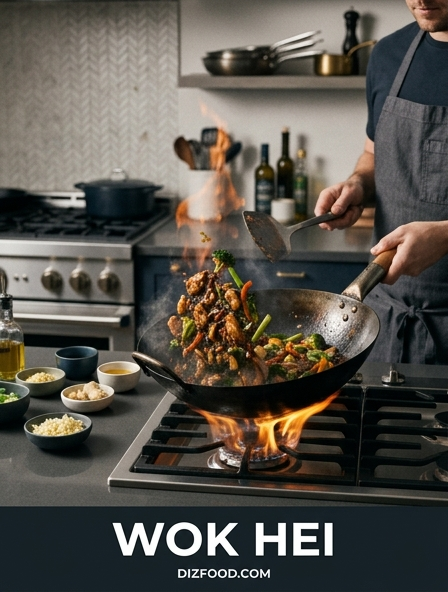
Wok hei, literally translated as the "breath of the wok," refers to the complex smoky aroma and charred flavor achieved through high-heat stir-frying. It is the hallmark of professional Cantonese cuisine, representing a delicate balance between caramelization, oil decomposition, and the rapid evaporation of moisture. This sensory phenomenon occurs when food is tossed through a column of intense heat, causing microscopic oil droplets to ignite momentarily. This brief contact with flame infuses the ingredients with a distinct, singed essence that cannot be replicated through slow cooking or standard pan-frying methods.
The chemistry of wok hei involves three primary components:
- Oil Thermolysis: The breakdown of fats at high temperatures creates aromatic compounds.
- Maillard Reaction: Rapid browning of proteins and sugars on the food's surface.
- Evaporative Cooling: The constant motion prevents the food from burning while concentrating flavors.
True wok hei is fleeting, often dissipating within minutes of leaving the flame. It requires the harmony of a seasoned carbon steel surface, an incredibly powerful heat source, and the rhythmic physical movement of the chef to ensure every surface of the ingredient is kissed by the fire.
Selecting the Right Carbon Steel Wok
Choosing the correct vessel is the first step toward achieving professional stir-fry results. While stainless steel, cast iron, and non-stick pans exist, carbon steel remains the industry standard for its unique thermal properties. It responds instantly to temperature adjustments, allowing the cook to transition from a searing heat to a gentle simmer in seconds. A 14-gauge carbon steel wok is generally considered the sweet spot, providing enough thickness to retain heat without being too heavy for frequent tossing.
When selecting your wok, consider the following physical attributes:
- Bottom Shape: Round bottoms are traditional for gas ranges and jet burners, facilitating better oil pooling, while flat bottoms are necessary for electric or induction cooktops.
- Handle Type: Long "pow" handles offer better leverage for tossing, whereas dual "ear" handles are better for heavy steaming or deep frying.
- Material Origin: Hand-hammered woks feature small dimples that help keep food from sliding back into the oil too quickly.
A high-quality carbon steel wok is an investment that improves with age. As you cook, the metal develops a patina that enhances its non-stick capabilities and contributes to the overall flavor profile of the dishes produced within it.
The Role of High Smoke Point Oils
The extreme temperatures required for wok hei necessitate the use of oils that can withstand heat without breaking down into acrid, bitter compounds. If an oil reaches its flash point too early, it will impart a rancid flavor to the food and potentially create a fire hazard. Therefore, refined oils with high smoke points are essential for successful stir-frying. These oils allow the wok to reach the 400°F to 500°F range required to trigger the necessary chemical reactions for that signature "breath."
| Oil Type | Smoke Point | Best Use |
|---|---|---|
| Peanut Oil | 450°F | Traditional stir-frying; nutty aroma. |
| Grapeseed Oil | 420°F | Neutral flavor; very clean finish. |
| Soybean Oil | 450°F | Economical; standard for commercial use. |
| Rice Bran Oil | 490°F | Superior heat resistance and vitamins. |
Avoid using unrefined oils like extra virgin olive oil or toasted sesame oil during the initial high-heat phase. Instead, use these as finishing oils once the heat is turned off to preserve their delicate volatile aromatics and nutritional integrity.
Mastering the Art of Wok Tossing
Tossing is not merely a flamboyant display of culinary skill; it is a critical mechanical process that prevents food from scorching while maximizing exposure to the "wok breath." The motion involves a rhythmic push-and-pull combined with a flick of the wrist, causing the ingredients to fly into the air and tumble back into the center. This action aerates the food, allowing moisture to evaporate instantly rather than pooling at the bottom and steaming the ingredients. As the food passes through the hot air rising above the wok, it picks up charred particles and combustion byproducts that define the dish's flavor.
To master this technique, follow these mechanical steps:
- Grip the handle firmly and tilt the wok slightly away from your body.
- Push the wok forward rapidly, then pull it back with a sharp upward flick.
- Ensure the food completes a full rotation in the air before landing.
Beginners should practice with dry ingredients like raw rice or beans to develop the muscle memory required for the "back-and-forth" cadence. Constant motion ensures that the high heat is distributed evenly, creating a uniform sear on all sides of the protein and vegetables.
Optimizing Heat for Maximum Searing
Heat management is the most challenging aspect of wok cooking, especially in home kitchens where burner output is significantly lower than in commercial environments. To achieve maximum searing, the wok must be preheated until it is "breathless"-wisps of smoke should rise from the dry surface before oil is even added. This creates a thermal reservoir that prevents the temperature from plummeting when cold ingredients are introduced. The goal is to maintain a surface temperature that instantly flash-cooks the exterior of the food while leaving the interior succulent.
If you are working with a standard residential stove, you can optimize your results by:
- Small Batches: Cooking in smaller portions ensures the wok retains enough heat to sear rather than stew.
- Zoning: Utilizing the sides of the wok for ingredients that require less direct heat while keeping proteins in the center.
- Lid Usage: Occasionally using a lid for a few seconds to trap steam for thicker cuts of meat, then removing it to finish with a high-heat sear.
The intensity of the flame determines the speed of the cook. In a high-heat environment, a stir-fry should take no more than three to five minutes from start to finish to preserve the crunch and color of the vegetables.
Understanding Maillard Reaction in Frying
The Maillard reaction is a chemical symphony between amino acids and reducing sugars that occurs when food is subjected to high heat. In the context of the wok, this reaction happens at an accelerated pace. Because carbon steel conducts heat so efficiently, the surface of a slice of beef or a floret of broccoli undergoes rapid browning, creating hundreds of different flavor compounds that add depth and complexity. This is distinct from simple caramelization, which only involves the pyrolysis of sugars; Maillard adds the savory, "umami" notes that make stir-fry so craveable.
To maximize this reaction, the surface of the food must be as dry as possible. Excess water acts as a heat sink, requiring energy to evaporate before the temperature can rise high enough to trigger browning. This is why professional chefs often "velvet" meat-coating it in a thin layer of cornstarch and oil-which protects the protein and provides a dry, starch-rich surface that browns beautifully. When the Maillard reaction is combined with the combustion of oil droplets, the resulting flavor profile is the essence of high-end Chinese cookery.
Essential Mise en Place for Speed
In wok cooking, timing is measured in seconds, not minutes. Once the oil reaches its smoke point, there is no time to chop vegetables or mix sauces. "Mise en place," or having everything in its place, is the difference between a successful meal and a charred disaster. All ingredients must be prepped, measured, and arranged in the order they will enter the wok. This prevents the wok from overheating while you are distracted, and ensures that ingredients with different cooking times reach perfection simultaneously.
A typical wok mise en place should include the following categories:
- Aromatics: Minced garlic, ginger, and scallions, usually added first or last.
- Proteins: Sliced thinly across the grain and marinated/velveted.
- Vegetables: Cut into uniform sizes to ensure even cooking.
- Sauce Mixture: Pre-mixed liquids (soy sauce, oyster sauce, wine) in a single bowl.
- Thickener: A cornstarch slurry ready for the final seconds of cooking.
By organizing your workspace, you can focus entirely on the heat and the movement of the wok, allowing for the rapid-fire execution required for authentic results.
Controlling Moisture to Prevent Steaming
The greatest enemy of wok hei is moisture. When too much liquid is present in the wok, the temperature drops to 212°F (the boiling point of water), which is far too low for searing or oil combustion. This results in "steamed" food that is grey, limp, and devoid of smoky character. To prevent this, every ingredient must be as dry as possible before it touches the hot oil. Vegetables should be washed well in advance and spun in a salad spinner, and meats should be patted dry even if they have been marinated.
Consider these strategies to maintain a dry environment:
- Don't Crowd: Cook in stages. Sear the meat, remove it, sear the vegetables, then combine them at the very end.
- High Heat: Ensure the flame is at its maximum setting to evaporate juices immediately upon contact.
- Sauce Timing: Add liquid seasonings at the very end, pouring them down the hot sides of the wok to reduce them instantly.
Controlling moisture ensures that the "breath" of the wok remains intense and focused on the surface of the food, rather than being extinguished by a pool of liquid at the bottom of the pan.
Seasoning Your Wok for Nonstick Success
A new carbon steel wok is a blank slate of silver metal that must be "seasoned" to become a functional cooking tool. Seasoning is the process of polymerizing thin layers of oil onto the metal surface, creating a natural, non-stick patina. This layer protects the steel from rust and provides a smooth surface that allows food to glide during the tossing process. Over time, this patina becomes darker and more resilient, contributing a subtle "old wok" flavor to your dishes that a new pan simply cannot provide.
The basic steps for seasoning a new wok are:
- Scrub off the factory protective oil using hot water and soap.
- Heat the dry wok over high heat until it turns blue/black.
- Apply a very thin layer of high-smoke-point oil to the entire interior.
- Heat until the oil smokes and disappears, then repeat the process.
- Stir-fry a sacrificial batch of pungent aromatics like chives or onions to remove any metallic taste.
After cooking, avoid using soap. Simply rinse with hot water, dry thoroughly over a flame, and apply a microscopic layer of oil to maintain the seasoning for the next use.
How to Mimic Commercial Jet Burners
Commercial woks sit atop jet burners that produce 50,000 to 150,000 BTUs, whereas a standard home stove rarely exceeds 15,000 BTUs. To mimic the intense heat necessary for wok hei at home, you must get creative. One popular method is using an outdoor propane turkey fryer or a dedicated high-output wok burner. These tools provide the raw power needed to create the "pillar of fire" effect. If cooking indoors, a heavy cast-iron wok ring can help concentrate the flames of a gas burner toward the center of the wok.
Other techniques to boost perceived heat include:
- Blowtorch Method: Using a culinary torch to sear the top of the food while it is being tossed, simulating the effect of the wok's "breath."
- Long Preheating: Allowing the wok to sit over the highest possible heat for 5-10 minutes before adding oil.
- Charcoal Grilling: Placing the wok directly onto a chimney starter filled with glowing coals for concentrated thermal energy.
While these methods require extra caution, they bridge the gap between home cooking and the restaurant-style sear that defines the pinnacle of wok technique.


Comments