
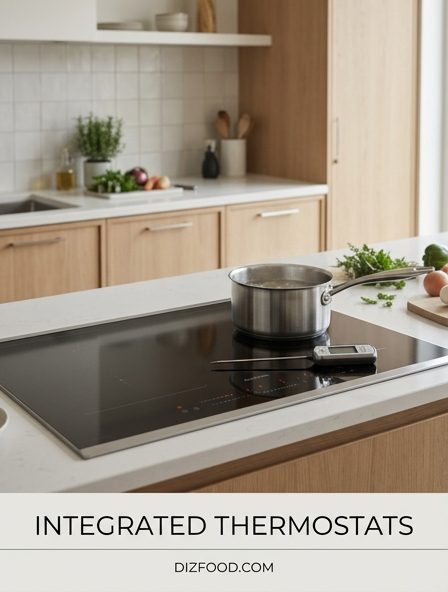
The Role of Integrated Thermostats
Integrated thermostats act as the central nervous system of modern kitchen appliances, ensuring that heating elements operate with surgical precision. Unlike traditional manual thermometers that require constant visual monitoring and manual adjustment of gas or electric dials, integrated systems automate the feedback loop between the heating source and the medium. This automation is crucial for high-volume environments where consistency and safety are paramount. By utilizing sensitive probes immersed directly in the cooking environment, these devices detect minute changes in thermal energy almost instantaneously.
- Automation reduces labor costs and human error
- Improved precision leads to higher quality food output
- Consistency is maintained across different kitchen shifts
This technological integration removes the guesswork from the equation, allowing chefs to focus on preparation rather than constant temperature management. Whether in a commercial setting or a high-end home kitchen, these thermostats provide the reliability needed to handle delicate ingredients that require specific thermal environments. The transition from analog to digital sensing has revolutionized frying, turning a once-volatile process into a controlled culinary science.
Maintaining Optimal Oil Temperatures
Maintaining a specific temperature range is the cornerstone of successful frying, as different ingredients react uniquely to heat. Integrated thermostats allow operators to set precise target temperatures that cater to the specific moisture content and density of the food being cooked. For instance, poultry requires a different thermal profile than delicate seafood or starchy vegetables like potatoes. Without an integrated system, the temperature often drops too low when frozen items are submerged, leading to greasy results, or spikes too high, leading to charred exteriors and raw centers.
| Food Type | Optimal Range (°F) |
|---|---|
| Chicken Wings | 360 - 375 |
| Fish Fillets | 350 - 365 |
| French Fries | 325 - 375 |
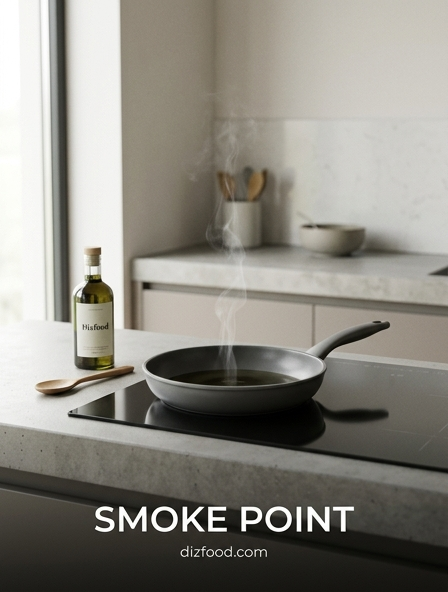
By keeping the oil within these tight parameters, the thermostat ensures that the Maillard reaction occurs efficiently, creating that signature golden-brown color and complex flavor profile. It prevents the oil from reaching its smoke point, which would otherwise introduce bitter flavors and harmful compounds into the meal.
Eliminating Temperature Fluctuations
One of the greatest challenges in frying is the rapid temperature drop that occurs the moment cold or frozen food enters the hot oil. This thermal shock can disrupt the cooking process, causing the food to boil in oil rather than fry. Integrated thermostats are designed to eliminate these fluctuations by utilizing high-frequency sensing to detect the drop immediately and trigger a rapid heat response.
- Rapid detection of thermal loss upon food immersion
- Immediate activation of heating elements to compensate
- Stabilized recovery cycles to maintain heat levels
This proactive approach ensures that the recovery time-the duration it takes for the oil to return to its set point-is minimized. When fluctuations are eliminated, the cooking medium remains stable, which is essential for maintaining the structural integrity of batters and breadings. Without this stability, the coating can fall off or become saturated with oil. In high-demand environments, the ability to maintain a steady heat level means that successive batches can be cooked without long waiting periods, significantly increasing throughput.
Impact of Precision on Food Texture
The texture of fried food is directly linked to the precision of the heat source. When an integrated thermostat maintains a perfect temperature, the heat causes the moisture within the food to turn into steam quickly. This steam creates an internal pressure that prevents oil from penetrating the surface, resulting in a crisp exterior and a moist, tender interior. If the temperature is even a few degrees off, this delicate balance is destroyed.
- Crispier crusts through instant surface searing
- Moist interiors via internal steam retention
- Reduced sogginess in heavy breaded items
Precise heat control ensures that the exterior starches gelatinize and dehydrate at the correct rate to form a rigid, crunchy barrier. For delicate items like tempura, the difference between a light, airy texture and a heavy, leaden one depends entirely on the thermostat's ability to keep the oil at the exact specified degree. By removing the guesswork, these systems allow for the creation of textures that are consistently pleasing to the palate, enhancing the overall sensory experience of the dish.
Reducing Excess Oil Absorption
High-quality frying is often measured by the lack of residual grease on the plate. Integrated thermostats play a vital role in reducing excess oil absorption by ensuring the food is cooked at a temperature high enough to cause "flash frying." This process creates a steam barrier that physically pushes oil away from the core of the food. When temperatures are inconsistent or too low, the steam pressure is insufficient to repel the oil, leading to a product that is heavy and unappealing.
- Formation of an effective steam barrier at high heat
- Rapid surface sealing upon initial contact
- Minimized saturation time in the cooking medium
By maintaining a high and steady heat, the integrated thermostat ensures that the food spends the least amount of time possible in the oil while still achieving full doneness. This results in a healthier end product with fewer calories from fat. Furthermore, foods that absorb less oil retain their natural flavors better, as they are not masked by the taste of the cooking medium. This precision is essential for modern health-conscious consumers.
Extending Cooking Oil Longevity
Cooking oil is a significant expense in any kitchen, and its lifespan is directly affected by how it is heated. Integrated thermostats help extend oil longevity by preventing the oil from reaching temperatures that cause rapid oxidation and chemical breakdown. Every time oil exceeds its smoke point, its molecular structure changes, leading to the formation of free fatty acids and polar compounds that spoil the taste and safety of the food.
- Prevention of premature thermal breakdown of lipids
- Reduction in the carbonization of loose food particles
- Lowered frequency of expensive oil replacements
By keeping the heat within a safe, controlled range, the thermostat ensures the oil remains chemically stable for a longer period. This not only saves money on purchasing new oil but also reduces the labor required for frequent oil changes and fryer cleaning. Additionally, stabilized oil produces less smoke and odor, contributing to a cleaner and more pleasant kitchen environment. In the long run, the precision of an integrated thermostat is an investment that pays for itself through resource conservation and quality maintenance.
Achieving Uniform Results Every Batch
In a commercial kitchen, the goal is for the hundredth batch of the day to look and taste exactly like the first. Achieving this level of uniformity is nearly impossible without the help of integrated thermostats. These systems compensate for various factors, such as the ambient temperature of the kitchen or the varying moisture levels of different ingredient batches. When the heat is a known constant, the cooking time becomes a reliable variable for staff to follow.
| Feature | Benefit to Uniformity |
|---|---|
| Constant Monitoring | Prevents batch-to-batch quality drift |
| Digital Controls | Standardizes recipes across locations |
| Rapid Recovery | Ensures timing remains identical for all |
This standardization allows kitchen managers to set strict protocols that staff can easily follow, ensuring that every customer receives a product that meets the brand's quality standards. Uniformity is the hallmark of professional food service, and the integrated thermostat is the essential tool that makes this level of reliability possible, regardless of the operator's individual skill level.
The Science of Real-Time Heat Adjustments
The technology behind modern integrated thermostats involves complex science, specifically real-time heat adjustments through feedback loops. Most high-end units utilize Proportional-Integral-Derivative (PID) controllers. Unlike a standard on/off switch, a PID controller calculates the difference between the desired temperature and the current temperature, adjusting the power output accordingly to prevent overshooting the target temperature.
- Proportional control for a steady approach to heat
- Integral control to remove residual temperature error
- Derivative control to predict and react to future changes
This scientific approach allows the fryer to "learn" and adapt to the specific load being cooked. As soon as a basket of food is dropped, the sensors relay data to the processor, which immediately ramps up the energy supply before the temperature has a chance to plummet. This real-time response is what differentiates a professional-grade fryer from a basic model. The result is a highly responsive system that maintains a stable temperature line, providing the most reliable cooking environment possible for sensitive culinary applications.
Safety Features and Overheat Prevention
Beyond food quality, integrated thermostats are fundamental to kitchen safety. Cooking oil is highly flammable, and if left unchecked, a heating element can easily raise temperatures to the flash point, leading to catastrophic grease fires. Integrated systems are equipped with multiple layers of safety features, including high-limit switches and automatic shut-off valves that trigger if specific thresholds are exceeded.
- High-limit sensors to detect runaway heating cycles
- Automatic power cut-off for emergency situations
- Redundant probes for continuous data verification
These features ensure that if the primary thermostat fails, a secondary system will intervene to kill the power or gas flow before the oil becomes dangerous. Furthermore, these systems protect the equipment itself; overheating can warp fry pots and damage heating elements, leading to expensive repairs. By maintaining control, the thermostat acts as a constant guardian, allowing staff to operate high-heat equipment with confidence. In the event of a malfunction, many digital thermostats also display error codes, allowing for faster diagnostics and safer troubleshooting procedures.
Improving Energy Efficiency in Frying
Energy efficiency is an increasingly important factor in kitchen management, and integrated thermostats contribute significantly to this goal. By managing heat more effectively, these systems ensure that energy is only consumed when absolutely necessary. Instead of running heating elements at full power constantly, the thermostat modulates the input to maintain the set point with minimal waste, resulting in lower utility costs.
- Reduced idle energy consumption during slow periods
- Optimized heat transfer cycles for maximum output
- Lowered carbon footprint for the entire facility
When a fryer can recover its temperature quickly and maintain it accurately, it uses less total energy per pound of food produced. Additionally, because the oil is not being overheated, the kitchen's ventilation and cooling systems do not have to work as hard to remove excess heat from the air, leading to secondary energy savings. For large-scale operations, these efficiencies translate into significant reductions in operational overhead. The precision of integrated thermostats thus serves a dual purpose: improving the bottom line through energy savings while supporting more sustainable kitchen practices.




Comments