
Understanding Oil Smoke Points
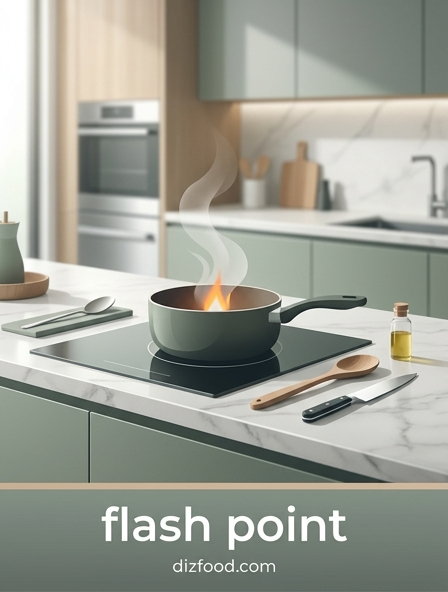
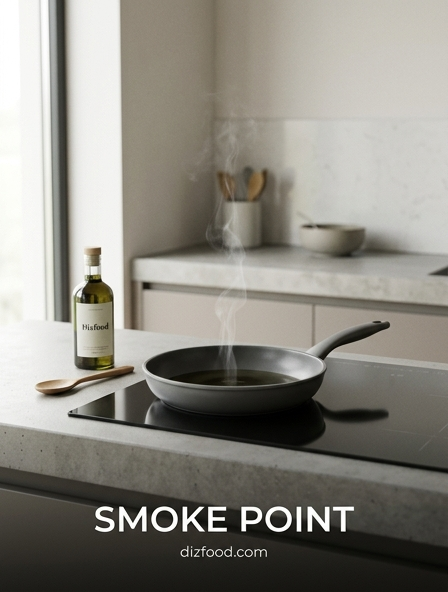
Every cooking fat possesses a unique smoke point, the specific temperature at which the oil stops shimmering and begins to produce a steady stream of bluish smoke. This threshold is a critical indicator of chemical degradation. When oil reaches its smoke point, the triglycerides break down into glycerol and free fatty acids, eventually producing acrolein, the compound responsible for the acrid smell and bitter taste associated with burnt oil. Understanding these limits is essential for both culinary quality and kitchen safety, as heating oil beyond this point brings it dangerously close to its flash point.
The smoke point is influenced by the degree of refinement. Highly refined oils have higher smoke points because impurities and free fatty acids have been removed. Factors that lower a smoke point include:
- The presence of food particles or "fines" from previous frying cycles.
- The salt content of the food being cooked.
- Exposure to light, air, and moisture during storage.
- The surface area of the oil relative to the pan size.
Best High Heat Cooking Oils
Selecting the appropriate fat for high-temperature techniques like searing or deep-frying requires choosing oils with high smoke points. Refined vegetable oils are generally preferred for these tasks because they can withstand temperatures exceeding 400°F without breaking down or igniting. Utilizing a low-smoke-point fat, such as extra virgin olive oil or butter, for high-heat applications will result in scorched food and potential fire hazards.
The following table outlines common cooking fats and their respective smoke points, providing a guide for safe kitchen practices:
| Oil Type | Smoke Point (Fahrenheit) | Primary Use |
|---|---|---|
| Avocado Oil (Refined) | 520°F | Searing, Grilling | Safflower Oil | 510°F | High-heat Frying |
| Peanut Oil | 450°F | Deep Frying |
| Grapeseed Oil | 420°F | Stir-frying |
| Extra Virgin Olive Oil | 375°F | Sautéing, Dressing |
Proper Oil Preheating Techniques
Preheating oil is a nuanced process that requires patience and attention. Rapidly heating a pan on the highest setting can lead to uneven hot spots and cause the oil to bypass its smoke point and reach its flash point before the cook is prepared. The goal is to reach the target temperature gradually to ensure stability and even cooking. This process starts with a clean, dry pan to prevent premature degradation or dangerous splattering caused by residual moisture.
To safely preheat oil, follow these sequential steps:
- Place the dry pan over medium heat for one minute to remove any ambient moisture.
- Add the oil and allow it to coat the bottom of the pan evenly.
- Observe the oil's viscosity; as it heats, it will become thinner and begin to "shimmer" or form ripples.
- Use a thermometer to verify the temperature matches your recipe's requirements.
- Avoid leaving the pan unattended, as oil temperatures can climb rapidly once they surpass 300°F.
Essential Tools for Safe Frying
Maintaining control over hot oil requires a specialized set of tools designed to handle high temperatures and mitigate the risk of burns or fires. The most critical tool is a reliable thermometer, which removes the guesswork from monitoring thermal levels. Without precise measurement, the transition from a safe frying temperature to a dangerous flash point can occur in a matter of seconds. Additionally, the vessel used for frying should be heavy-bottomed to ensure even heat distribution and prevent localized overheating.
Equip your kitchen with these safety-focused items:
- Clip-on Deep Fry Thermometer: Provides constant, hands-free temperature readings.
- Infrared Laser Thermometer: Excellent for checking surface temperatures of pans quickly.
- Splatter Screen: A fine mesh tool that prevents hot oil droplets from escaping the pan.
- Long-Handled Spider or Skimmer: Allows for the safe removal of food while keeping hands away from heat.
- Class K Fire Extinguisher: Specifically designed for high-temperature vegetable oil and animal fat fires.
Monitoring Temperature for Perfect Results
Consistent temperature monitoring is the difference between perfectly golden-brown food and a hazardous kitchen environment. When food is added to hot oil, the temperature will naturally drop. The cook must then adjust the heat source to bring the oil back to the desired range without overcompensating. If the oil becomes too cool, the food will absorb excess grease; if it becomes too hot, it moves toward the flash point where vapors can ignite spontaneously.
To maintain the ideal thermal balance, adhere to these monitoring practices:
- Keep the thermometer probe submerged in the oil but not touching the bottom of the metal pan.
- Adjust the burner in small increments rather than jumping from low to high heat.
- Fry in small batches to prevent dramatic temperature fluctuations.
- Wait for the oil to recover to the target temperature before adding the next batch of food.
- Check the oil frequently for signs of darkening or heavy smoke, which indicates it is time to replace the fat.
Recognizing the Flash Point
The flash point is the temperature at which oil produces enough volatile vapors to momentarily ignite when exposed to a flame or spark. This is a severe warning sign that a grease fire is imminent. Typically, the flash point occurs about 50°F to 75°F above the smoke point. If oil reaches its flash point, you may see tiny wisps of flame dancing on the surface of the vapor. If the heating continues, the oil will reach its fire point, where the vapors ignite and continue to burn for at least five seconds.
Identifying the transition from safe cooking to a flash point involves watching for these indicators:
- Thick, heavy, and continuous clouds of acrid smoke.
- A sharp, stinging sensation in the eyes or nose from the evolving gases.
- Tiny, hovering sparks or "flash" flames above the oil's surface.
- Oil that appears to be rolling or agitated despite no food being present.
- A distinct change in oil color to a dark, viscous amber or brown.
Preventing and Extinguishing Grease Fires
Grease fires are among the most dangerous kitchen accidents because they are fueled by the very medium used for cooking. Prevention starts with never leaving hot oil unattended and keeping flammable materials, like paper towels or curtains, away from the stove. If the oil reaches its fire point and ignites, your reaction must be swift and correct. The most common mistake is using water, which sinks to the bottom, flashes into steam, and causes a massive explosion of burning oil.
If a grease fire occurs, follow this protocol immediately:
- Turn off the heat source if it is safe to reach the knob.
- Cover the flames with a metal lid or a baking sheet to starve the fire of oxygen.
- Dump a large amount of baking soda or salt on the flames if the lid is unavailable; never use flour or sugar.
- Avoid moving the pan, as this can lead to splashing burning oil on yourself or the surroundings.
- Call emergency services if the fire is not contained within seconds.
Managing Oil Splatter and Spills
Oil splatter occurs when moisture trapped in food rapidly evaporates into steam, forcefully ejecting hot oil droplets from the pan. This not only creates a mess but poses a significant burn risk and can lead to small fires if the oil hits a gas flame. Managing this requires keeping the cooking environment dry. Spills are equally dangerous, as oil on a kitchen floor creates a high-slip environment that can lead to falls near hot surfaces.
To minimize splatter and manage spills effectively, use these strategies:
- Thoroughly pat dry all proteins and vegetables with paper towels before placing them in the oil.
- Use a splatter guard to contain droplets while still allowing steam to escape.
- For small spills on the counter, use salt or cornstarch to absorb the oil before wiping.
- For floor spills, create a perimeter with absorbent material to prevent the oil from spreading.
- Avoid wearing loose clothing or dangling jewelry that could catch on pan handles.
Safe Oil Disposal and Storage
Once cooking is complete, handling the hot oil requires caution to prevent burns and plumbing issues. Oil should never be poured down a sink drain, as it solidifies and causes major clogs. Furthermore, the way oil is stored determines its longevity and its future smoke point. Exposure to heat, light, and air causes oxidation, which lowers the temperature at which the oil will eventually smoke and flash. If you plan to reuse oil, it must be strained of all food particles that would otherwise burn during the next use.
Consider these guidelines for disposal and storage:
- Allow the oil to cool completely to room temperature before attempting to move it.
- Strain cooled oil through a coffee filter or fine-mesh sieve into a clean glass jar.
- Store reused oil in a cool, dark place or the refrigerator to prevent rancidity.
- Discard oil that has become dark, foamy, or possesses a "fishy" or off-putting odor.
- Dispose of large quantities by pouring them into a sealable non-recyclable container and placing it in the trash.
Cleaning and Maintaining Fryware
The condition of your pans and deep fryers directly impacts the safety and flavor of your cooking. Residual carbon buildup or "polymerized" oil-that sticky, amber-colored residue-acts as a catalyst for smoke and can lower the effective flash point of your fresh oil. Proper maintenance ensures that the metal surface remains smooth and non-reactive. Different materials require specific approaches; for instance, stainless steel can handle aggressive scrubbing, whereas cast iron requires a delicate balance of cleaning and re-seasoning.
Maintain your fryware using these steps:
- Degrease the pan immediately after it has cooled using a specialized dish soap formulated for grease cutting.
- Use a paste of baking soda and water to lift stubborn, burnt-on food particles without scratching the surface.
- Boil a mixture of water and vinegar in the pan to loosen polymerized oil layers.
- Dry all cookware thoroughly to prevent rust, which can contaminate oil and affect its thermal properties.
- Periodically inspect handles and rivets to ensure they are secure and safe for lifting heavy loads of hot fat.



Comments