
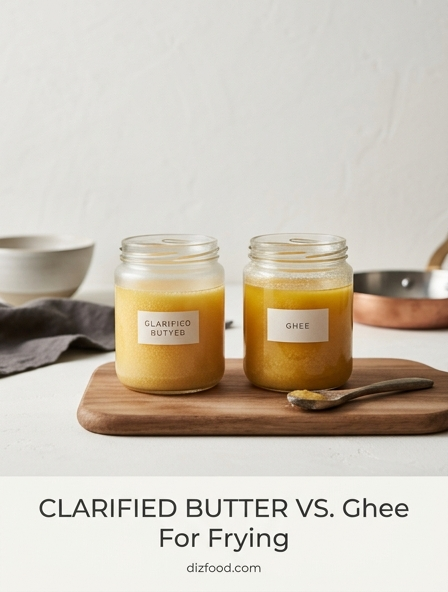
When you're looking to master high-heat frying without the bitter tang of burnt proteins, choosing between clarified butter and ghee is your first step toward kitchen excellence. While both are essentially butterfat with the water and milk solids removed, the subtle difference in their "simmer time" changes everything under the flame. Clarified butter is simply melted and strained, offering a clean, pure buttery taste with a respectable smoke point. However, ghee takes it a step further by simmering until the milk solids caramelize before being filtered out, resulting in a rich, nutty aroma and a superior smoke point of 485°F. If you want a golden sear on a steak or a crisp finish on deep-fried delicacies without the acrid smoke, ghee is the undisputed heavyweight champion of the frying pan.
| Feature | Clarified Butter | Ghee |
|---|---|---|
| Smoke Point | ~450°F (232°C) | ~485°F (252°C) |
| Flavor Profile | Clean, mild, pure butter | Toasted, nutty, intense |
| Processing | Melted and strained immediately | Simmered longer to brown solids |
| Moisture Content | Trace amounts possible | Near zero (fully evaporated) |
| Shelf Life | 6 months (refrigerated) | 12+ months (shelf-stable) |
| Top Culinary Use | Sautéing, Hollandaise, dipping | Deep-frying, searing, roasting |
Understanding Smoke Points for High Heat Frying
The smoke point of a fat is the specific temperature at which it begins to break down chemically, producing visible smoke and releasing harmful compounds like acrolein. In the context of the kitchen, understanding this threshold is essential for achieving the perfect sear without compromising the health or flavor of the dish. When fats are heated past their smoke point, the molecular structure of the fatty acids ruptures, leading to the formation of free radicals and a distinct, acrid taste that can permeate the food. For high-heat applications such as deep frying or pan-searing, choosing a fat with a high smoke point is non-negotiable.
While standard whole butter has a relatively low smoke point of approximately 350°F (175°C), it is generally unsuitable for high-heat frying due to the presence of milk solids and water. As the temperature rises, these solids burn rapidly, turning the butter bitter and black. To circumvent this, chefs turn to clarified butter and ghee. By removing the components that burn at lower temperatures, the smoke point is significantly elevated. This modification allows the fat to remain stable at temperatures exceeding 450°F, making it an elite choice for professional kitchen environments where heat intensity is a constant factor. Selecting the right fat based on its thermal limit ensures that the exterior of the food develops a crisp texture while the interior remains moist, all without the risk of burnt residues or scorched flavors.
Flavor Profile Differences in Sautéed Dishes
The choice between clarified butter and ghee often comes down to the desired sensory outcome of the dish. Clarified butter offers a pure, concentrated dairy flavor that is clean and slightly sweet. Because the milk solids are removed immediately after they separate, the fat does not take on any toasted characteristics. This makes it an ideal medium for sautéing delicate proteins like Dover sole or scallops, where the goal is to enhance the natural flavor of the ingredient with a rich, silky mouthfeel without distracting from the main component.
Ghee, on the other hand, undergoes a longer cooking process where the milk solids are allowed to brown and caramelize at the bottom of the pot before being strained out. This process, known as the Maillard reaction, infuses the fat with deep, nutty, and toasted aromatic notes. When used in sautéed dishes, ghee acts as a flavor booster, providing a complexity that clarified butter lacks. It is particularly effective in hearty vegetable sautés, grain-based dishes, and spiced preparations. While clarified butter is a neutral powerhouse of richness, ghee is a culinary contributor that brings its own distinct personality to the pan. Professionals often choose based on whether they want the fat to be a silent partner or a vocal participant in the dish's final flavor architecture.
The Science of Removing Milk Solids
Butter is an emulsion consisting of roughly 80% to 82% milkfat, 16% to 17% water, and 1% to 2% milk solids, which include proteins like casein and sugars like lactose. The science of creating clarified butter or ghee involves breaking this emulsion through controlled heating. As the butter melts, the water begins to evaporate, which is signaled by a bubbling and hissing sound. Simultaneously, the milk solids begin to separate from the fat. Some solids rise to the surface as a white foam, while others sink to the bottom of the vessel.
The primary difference in the scientific execution lies in the duration of heat exposure. In the production of clarified butter, the foam is skimmed off and the clear liquid fat is ladled out as soon as the water has evaporated. This leaves behind the pure butter oil. To produce ghee, the heat is maintained until the sunken milk solids undergo pyrolysis and caramelization. During this phase, the sugars and proteins react to create new flavor compounds. Once these solids turn a golden brown, the fat is filtered. By removing these solids, the resulting oil is almost 100% pure fat. This removal is what prevents the fat from smoking and burning at standard frying temperatures, as the elements with low thermal resistance are no longer present in the mixture.
Ghee versus Clarified Butter Smoke Thresholds
When comparing the thermal limits of these two fats, ghee generally holds a slight advantage over standard clarified butter. While both are significantly more resilient than whole butter, the extra steps taken during the ghee-making process ensure the near-total elimination of moisture and any residual proteins. This creates a more stable medium for the most demanding high-heat culinary techniques. The difference in their thresholds can determine whether a chef can safely move from a medium-high sauté to a high-intensity sear.
| Fat Type | Average Smoke Point (°F) | Average Smoke Point (°C) | Primary Usage |
|---|---|---|---|
| Whole Butter | 350°F | 177°C | Baking, Finishing |
| Clarified Butter | 450°F | 232°C | Sautéing, Shallow Frying |
| Ghee | 485°F | 252°C | Searing, Deep Frying |
The extra 35 degrees of clearance offered by ghee provides a safety margin for home cooks and professional chefs alike. At 485°F, ghee rivals many refined vegetable oils and exceeds the smoke point of extra virgin olive oil and lard. This high threshold is why ghee is traditionally favored in cuisines that require intense heat, such as Indian stir-frying or "tempering" spices, where the fat must reach extreme temperatures to release the essential oils of aromatics without burning itself.
Best Fats for Pan Searing and Browning
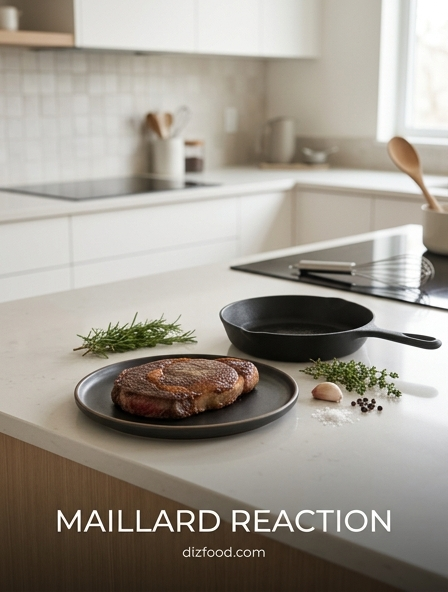
Pan searing is a technique designed to create a flavorful, caramelized crust on the surface of meat or vegetables through the application of high heat. To achieve this, the fat must be able to withstand the temperature required to trigger the Maillard reaction quickly. If the fat breaks down before the crust forms, the food may stick to the pan or develop a greasy, bitter exterior. Both clarified butter and ghee are superior to liquid oils for this purpose because of their saturated fat content, which provides a better "cling" to the food and a richer finish.
For steak enthusiasts, ghee is often the preferred choice because its high smoke point allows the pan to reach the intense heat necessary for a thick crust. Additionally, the nutty undertones of ghee complement the savory notes of roasted meat. Clarified butter is frequently used in professional kitchens for browning delicate items like veal or fish, where a cleaner dairy taste is preferred. When browning vegetables, such as potatoes or cauliflower, the use of these fats ensures a golden-brown hue and a crisp texture that remains stable even after the food is removed from the heat. Because these fats are anhydrous-meaning they contain no water-they do not cause the temperature of the pan to drop upon contact, allowing for a more efficient and consistent sear across the entire surface of the ingredient.
Nutritional Impact of Frying with Ghee
Frying with ghee offers several nutritional advantages, particularly for those with dietary sensitivities or those seeking stable fat sources. Because the milk solids are completely removed, ghee is virtually free of lactose and casein. This makes it a viable option for individuals with dairy intolerances who still desire the flavor and functional benefits of butter. Furthermore, the removal of water and impurities increases the concentration of beneficial fat-soluble vitamins and fatty acids.
- Vitamin Content: Ghee is a concentrated source of Vitamins A, E, and K2, which are essential for bone health and immune function.
- Butyrate: It contains butyric acid, a short-chain fatty acid that supports gut health and has anti-inflammatory properties.
- Conjugated Linoleic Acid (CLA): Ghee derived from grass-fed cows is rich in CLA, which is associated with improved body composition.
- Oxidative Stability: Due to its high saturated fat content, ghee is less likely to oxidize and form harmful compounds when heated compared to polyunsaturated vegetable oils.
From a metabolic perspective, the medium-chain triglycerides (MCTs) found in ghee are easily absorbed by the liver and converted into energy, making it a popular choice in ketogenic and paleo diets. Unlike many highly processed seed oils used for frying, ghee provides a stable, nutrient-dense profile that maintains its integrity under thermal stress, ensuring that the nutritional value of the meal is not degraded by the cooking process itself.
Moisture Content and Splatter Prevention
One of the most frustrating aspects of frying with whole butter or lower-quality oils is the inevitable splatter that occurs when the fat hits the pan. This popping and spraying are caused by the rapid evaporation of water trapped within the fat. As the water turns to steam, it expands violently, carrying hot droplets of oil out of the pan. Because clarified butter and ghee have had their moisture content removed through the rendering process, they offer a significantly safer and cleaner frying experience.
In the kitchen, "dry" fats are essential for maintaining constant contact between the heat source and the food. When you use clarified butter, you are working with a nearly 100% lipid environment. This lack of moisture prevents the "steaming" effect that can occur with whole butter, which often results in soggy rather than crispy food. For tasks like shallow frying breaded cutlets or tempura, the absence of water in the fat allows the coating to dehydrate and crisp up immediately upon contact. This leads to a superior texture and reduces the risk of oil burns for the cook. By eliminating the 16% to 18% water naturally found in butter, these fats provide a stable, quiet sizzle that is the hallmark of controlled, professional-grade frying.
Aromatics and Nutty Tones in Frying
The culinary application of ghee is deeply rooted in its ability to carry and enhance aromatics. In traditional Indian cooking, the process of "tadka" involves heating ghee to a high temperature and adding whole spices like cumin, mustard seeds, and dried chilies. The intense heat of the ghee causes the spices to "bloom," releasing their essential oils and infusing the fat with a complex fragrance. Because ghee has its own inherent nutty tones, it creates a synergistic effect with these spices, resulting in a depth of flavor that cannot be replicated with neutral oils or standard clarified butter.
These nutty tones are the result of the toasted milk solids that were present during the rendering process. Even after the solids are strained out, the fat retains the volatile aromatic compounds created during caramelization. When you fry aromatics like garlic, ginger, or shallots in ghee, the fat acts as a bridge, blending the pungent notes of the vegetables with the toasted richness of the dairy. This makes it an exceptional choice for recipes where the cooking fat is intended to be a foundational element of the sauce or the final dish. In contrast, clarified butter provides a milder, creamy background that allows the pure scent of the aromatics to shine without the added toasted complexity, offering a more versatile but less distinctive aromatic profile.
Thermal Stability During Long Cooking Sessions
Thermal stability refers to a fat's ability to resist breaking down during prolonged exposure to heat. This is a critical factor for dishes that require long frying times or multiple batches, such as deep-frying large quantities of appetizers or slow-confit techniques. Clarified butter and ghee are exceptionally stable due to their high concentration of saturated fatty acids. Saturated fats lack the double bonds found in unsaturated fats, which are the primary sites where oxidation and rancidity occur when exposed to heat and oxygen.
During a long cooking session, a less stable oil will begin to polymerize, becoming thick, sticky, and dark. It may also develop "off" flavors that are transferred to the food. Ghee, in particular, is highly resistant to this degradation. It can be held at frying temperatures for extended periods without significant changes in its chemical structure or flavor profile. This makes it more economical in some professional settings, as the fat does not need to be replaced as frequently as delicate seed oils. Furthermore, the absence of milk solids means there is nothing to accumulate at the bottom of the fryer and burn over time. This consistent performance ensures that the first batch of food tastes exactly like the last, providing a level of reliability that is essential for high-volume kitchen operations.
Final Verdict for High Temperature Frying
Deciding between clarified butter and ghee for high-temperature frying depends on the specific requirements of your recipe, but both are vastly superior to whole butter. If the goal is pure heat resistance and a sophisticated, complex flavor, ghee is the clear winner. If the goal is a clean, classic dairy richness that supports but does not overshadow the main ingredients, clarified butter is the ideal choice. In terms of technical performance, both fats provide the stability and safety required for professional-level results.
Consider the following guidelines for your kitchen:
- Choose Ghee for: Searing steaks, blooming spices, Indian and Middle Eastern cuisines, and deep-frying where a nutty aroma is desired.
- Choose Clarified Butter for: Sautéing delicate seafood, browning French omelets, making hollandaise sauce, and recipes requiring a neutral but rich dairy profile.
- Health Considerations: Both are excellent for those avoiding lactose, though ghee is typically more thoroughly filtered.
- Heat Limits: Ghee offers the highest safety margin for extreme heat (485°F), while clarified butter is perfect for almost all standard stovetop tasks (450°F).
Ultimately, having both in a well-stocked kitchen allows for total control over the frying process. Ghee serves as the rugged, high-performance tool for intense heat and bold flavors, while clarified butter acts as the refined, versatile workhorse for elegant and precise cooking. By removing the limitations of whole butter, both fats open up a new world of high-heat culinary possibilities.


Comments