
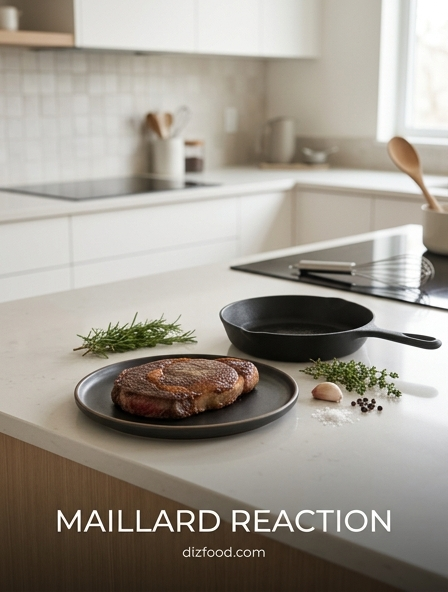
Understanding the Maillard Reaction
The Maillard reaction is a complex chemical interaction between amino acids and reducing sugars that occurs when food is exposed to high heat. Named after the French chemist Louis-Camille Maillard, this process is responsible for the deep savory flavors, enticing aromas, and rich brown colors characteristic of seared steaks, toasted bread, and roasted coffee. Unlike simple caramelization, which only involves the pyrolysis of sugar, the Maillard reaction produces hundreds of different flavor compounds that reorganize into new structures. These compounds provide the "umami" or "meaty" depth that defines much of professional culinary output.
- Temperature: The reaction typically accelerates significantly between 280°F and 330°F (140°C to 165°C).
- Reactants: Requires both proteins (amino acids) and carbohydrates (reducing sugars) to proceed effectively.
- Result: Formation of melanoidins, which are brown polymers that create the visual crust on fried and roasted foods.
To maximize this reaction, cooks must manage the environment of the food's surface. Because the presence of water limits the temperature to 212°F (100°C), the Maillard reaction cannot efficiently occur until the surface moisture has evaporated, allowing the temperature to climb into the range necessary for complex flavor development.
Selecting the Ideal Frying Oil
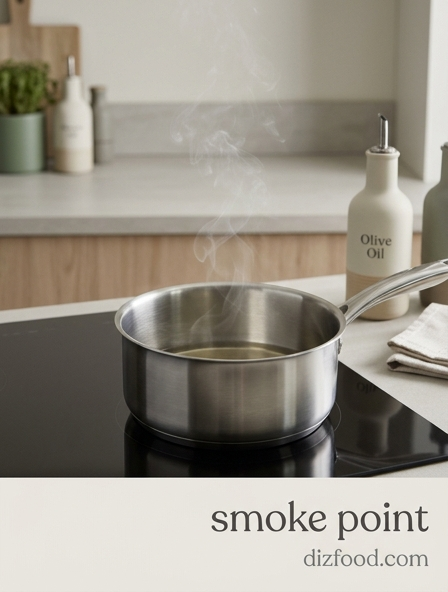
Choosing the correct oil is foundational to successful browning and frying. The primary consideration is the smoke point, which is the temperature at which the oil begins to decompose and produce visible smoke. When an oil breaks down, it releases acrolein and free fatty acids, resulting in an acrid taste and potentially harmful compounds. For high-heat Maillard development, refined oils are generally preferred over unrefined options because the refining process removes impurities that lower the smoke point.
| Oil Type | Smoke Point | Best Use Case |
|---|---|---|
| Avocado Oil (Refined) | 520°F | Extreme high-heat searing |
| Peanut Oil | 450°F | Deep frying and stir-frying |
| Canola Oil | 400°F | General frying and browning |
| Extra Virgin Olive Oil | 375°F | Low to medium heat sautéing |
Flavor neutrality is also vital. In many fried applications, you want the oil to serve as a heat transfer medium without overshadowing the natural flavors developed through the Maillard reaction. Refined oils like grapeseed or sunflower oil are excellent choices for maintaining a clean palate.
The Importance of Surface Dryness
Surface moisture is the greatest obstacle to achieving a crisp, browned exterior. This is due to the latent heat of vaporization; as long as water is present on the surface of the food, the energy from the heat source will be consumed by the process of turning that water into steam. Consequently, the surface temperature will remain trapped at 212°F, which is far too low for the Maillard reaction to trigger effectively. Achieving a crust requires the surface to reach temperatures exceeding 300°F.
- Pat the food dry with paper towels immediately before cooking to remove accumulated moisture.
- Allow proteins to air-dry uncovered in the refrigerator, which uses the low humidity to dehydrate the skin or surface.
- Apply salt early to draw out moisture, then wipe it away, or salt immediately before the food hits the pan to prevent weeping.
When the surface is dry, the oil can immediately begin heating the food's exterior. This leads to a faster transition to the browning phase, resulting in a thinner, crispier crust and preventing the interior from overcooking while waiting for the outside to color.
Mastering Oil Temperature Control
Precise temperature management is the difference between a golden-brown masterpiece and an oil-laden failure. Most frying occurs between 325°F and 375°F. If the oil is too cold, the food will sit in the fat too long, allowing the oil to penetrate the interior and create a greasy texture. If the oil is too hot, the exterior will undergo the Maillard reaction and eventually char before the interior is safely cooked. This balance is maintained through the concept of thermal mass.
- Preheat the oil slightly higher than the target temperature to account for the drop when food is added.
- Fry in small batches to prevent the oil temperature from plummeting and slowing the browning process.
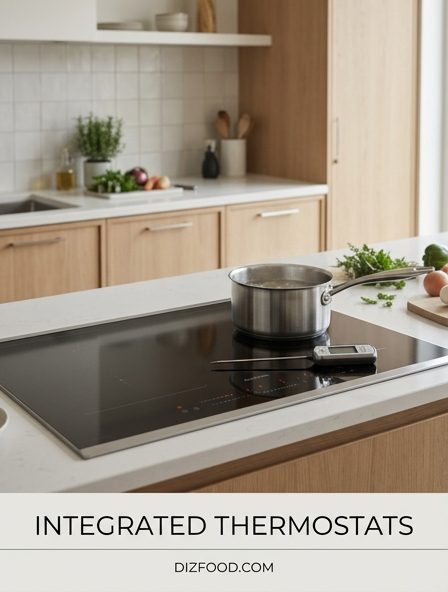
- Use a clip-on thermometer to monitor real-time fluctuations during the cooking cycle.
Maintaining a steady temperature ensures that the steam pressure escaping the food is strong enough to act as a barrier against the oil. This outward pressure prevents oil absorption while simultaneously facilitating the rapid dehydration of the surface required for browning.
Starch Versus Flour in Batters
The choice between flour and pure starch significantly alters the texture and color of the fried product. Wheat flour contains proteins (gluten) and sugars that readily participate in the Maillard reaction. This results in a darker, more flavorful crust but can also lead to a heavier, more bread-like texture. In contrast, pure starches like cornstarch, potato starch, or rice starch are virtually free of protein, meaning they do not undergo the Maillard reaction as aggressively.
| Component | Effect on Crust | Browning Level |
|---|---|---|
| Wheat Flour | Sturdy, chewy, thick | High (Maillard active) |
| Cornstarch | Crispy, brittle, thin | Low (Pale color) |
| Rice Flour | Light, crunchy, airy | Very Low |
Many chefs utilize a blend of both to achieve the "best of both worlds." A mixture of 70% flour and 30% starch often provides enough protein for a beautiful golden-brown color while the starch ensures the crust remains light and shatters upon impact. This synergy balances flavor development with structural integrity.
The Science of Heat Transfer
Frying is essentially a high-efficiency form of heat transfer. While air is a poor conductor of heat, oil is much more effective, allowing it to deliver energy to every nook and cranny of the food's surface simultaneously. This is known as convective heat transfer. The oil acts as a medium that bridges the gap between the heat source and the food, ensuring that the surface reaches the necessary temperatures for the Maillard reaction almost instantly upon contact. This rapid energy transfer is why fried foods develop a crust so much faster than baked foods.
As the food enters the oil, the water inside begins to turn into steam. This steam migrates toward the surface, creating a protective "buffer zone." This is why you see vigorous bubbling; those bubbles are actually steam escaping the food. As long as this steam is exiting, the oil cannot enter. The efficiency of this heat transfer allows the exterior to dehydrate and brown while the interior remains moist, protected by the relatively slow conduction of heat through the food's internal moisture and cellular structure.
Why Double Frying Works
Double frying is a technique used to achieve an exceptionally crisp and long-lasting crust. This process involves frying the food at two different temperatures for two different purposes. The first fry is typically done at a lower temperature (around 300°F) to cook the interior through and establish the initial structure of the crust. During this phase, the surface moisture is reduced, but the Maillard reaction is not yet complete.
- Initial Fry: Softens the interior and begins surface dehydration without excessive browning.
- Resting Period: Allows internal moisture to migrate to the surface, softening the initial crust.
- Second Fry: Performed at a higher temperature (375°F) to flash-evaporate that migrated moisture and trigger rapid Maillard browning.
The second fry is crucial because it removes the water that moved to the surface during the rest. By removing this residual moisture, the crust becomes significantly drier and harder than it would have been with a single fry. This creates a more durable crystalline structure in the starch, ensuring the food stays crunchy for a longer duration after leaving the oil.
Managing pH for Enhanced Browning
The Maillard reaction is highly sensitive to the pH level of the cooking environment. Generally, the reaction is accelerated in alkaline (basic) conditions and slowed in acidic conditions. By manipulating the pH of a batter or the surface of a protein, a cook can control the rate and intensity of browning. This is a common trick used in professional kitchens to achieve deep color without overcooking the food's interior.
- Baking Soda: Adding a small amount of sodium bicarbonate to a batter increases the pH, leading to faster browning and a darker hue.
- Pre-treatments: Dipping dough in a lye or baking soda solution (as with pretzels) creates an extremely alkaline surface for intense browning.
- Acids: Conversely, adding lemon juice or vinegar to a marinade can inhibit the Maillard reaction, keeping the food paler.
When the pH is higher, the amino groups in the proteins are less likely to be protonated, making them more reactive with the sugars. This chemical shift allows the Maillard reaction to begin at slightly lower temperatures or proceed more quickly at standard temperatures, resulting in a more robust flavor profile.
Preventing Oil Absorption and Sogginess
The dreaded sogginess in fried food is usually the result of oil absorption, which happens when the internal steam pressure of the food drops. While the food is cooking, the outward pressure of steam keeps the oil out. However, as soon as the food is removed from the heat, the temperature of the internal gases drops, creating a vacuum effect that can pull surface oil into the crust. This is why the transition from the fryer to the plate is the most critical moment for texture.
To prevent this, the food must be handled in a way that encourages the oil to drain away before it can be absorbed. If the oil is allowed to cool on the surface, its viscosity increases, making it harder to remove and more likely to soak in. Proper technique involves maintaining high heat until the very second the food is lifted, followed by immediate mechanical agitation or draining. Using a batter with a high alcohol content (like vodka) can also help; alcohol evaporates more violently and at lower temperatures than water, creating a more porous crust that sheds oil more effectively while remaining light and crisp.
Proper Resting and Cooling Techniques
The way fried food is cooled determines whether the crust remains crispy or turns soft. The primary enemy during cooling is "steaming from within." Even after the food is removed from the oil, the hot interior continues to release moisture. If that moisture is trapped against the crust, it will rehydrate the starch, ruining the crunch developed during the Maillard reaction. This is a common mistake when food is placed directly onto a flat surface or stacked.
- Use a wire cooling rack set over a baking sheet to allow air to circulate around all sides of the food.
- Avoid placing hot fried foods directly onto paper towels for more than a few seconds, as the towels can trap steam against the bottom surface.
- Ensure the food is in a single layer; stacking pieces creates "steam pockets" that quickly soften the crust.
Proper resting also allows for carry-over cooking, ensuring the center reaches its final temperature without the exterior becoming overly dark. By providing a well-ventilated environment, you ensure that the moisture escaping the food dissipates into the air rather than being absorbed back into the carefully constructed Maillard crust.


Comments