
Achieving that perfect, shatteringly crisp exterior on your favorite fried dishes is all about mastering moisture control and heat management. To ensure a sturdier and long-lasting bite, always pat your ingredients completely dry before dredging to prevent trapped steam from softening the crust from the inside out. Maintaining a consistent, high oil temperature is equally vital, as it prevents excess oil absorption that leads to premature sogginess. Beyond technique, the specific starch you choose significantly impacts the final structural integrity and crunch. To discover which ingredient delivers the best results for your kitchen, check out this guide on Rice Flour Vs. Cornstarch Coating.
Selecting High Amylose Starches
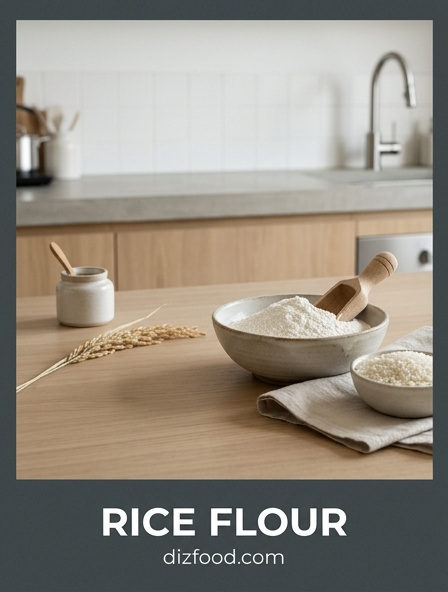
In the realm of deep-frying, the choice of rice flour is determined primarily by its amylose content. Unlike short-grain rice flour, which is high in amylopectin and tends to become sticky or chewy when hydrated, long-grain rice flour is rich in amylose. This specific starch structure is essential for achieving a rigid, glass-like crunch. When exposed to high heat, amylose molecules undergo a process of retrogradation more effectively than amylopectin, forming a firm matrix that resists oil absorption.
- Long-Grain Rice Flour: High amylose, ideal for crisp coatings and tempura.
- Medium-Grain Rice Flour: Moderate amylose, provides a balance of crunch and tenderness.
- Short-Grain (Glutinous) Rice Flour: Low amylose, used for elasticity rather than crispness.
Choosing a high-amylose rice flour ensures that the exterior of the fried food remains brittle and dry. This scientific selection process prevents the "soggy bottom" syndrome often found in batters made with high-protein wheat flours, as rice flour lacks the gluten that traps moisture within the crust's interior walls.
Science of the Double Fry
The double fry technique is a cornerstone of professional kitchen chemistry, particularly when utilizing rice flour. The initial fry serves to cook the protein or vegetable through while establishing a stabilized starch structure. During this phase, the rice flour begins to gelatinize, creating a protective barrier. However, moisture from the interior of the food inevitably migrates toward the surface, softening the coating as it cools.
- First Pass: Fry at 325°F (160°C) to set the starch and cook the interior.
- Resting Phase: Allow the food to cool, facilitating moisture migration to the surface.
- Second Pass: Fry at 375°F (190°C) to rapidly evaporate surface water and create a shatter-crisp texture.
Rice flour is uniquely suited for this method because it does not brown as quickly as wheat flour. This allows for a longer or second immersion in hot oil without the risk of burning or developing a bitter, over-caramelized flavor. The result is a lighter, more durable crunch that maintains its integrity long after leaving the fryer.
Managing Surface Moisture
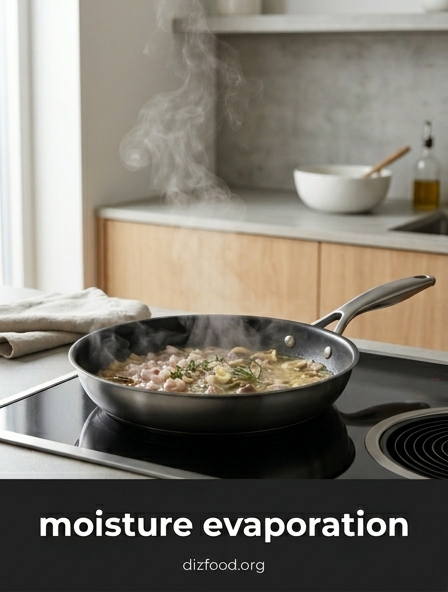
Surface moisture is the primary enemy of a successful rice flour crust. Any excess water on the surface of the ingredient creates steam during the frying process, which can force the coating to detach or become rubbery. Before applying rice flour, it is imperative to remove as much external hydration as possible to ensure a tight mechanical bond between the starch and the substrate.
| Technique | Purpose | Result |
|---|---|---|
| Pat-Drying | Removes bulk water | Prevents batter dilution |
| Salting & Wiping | Draws out internal moisture | Drier surface for adhesion |
| Pre-Dredging | Absorbs residual film | Creates a "glue" for the main coat |
Rice flour's fine particle size allows it to absorb microscopic amounts of moisture more efficiently than coarser starches. By managing this moisture, the chef ensures that the oil immediately hits the starch rather than a layer of water, initiating the crisping process instantly and reducing the overall oil uptake into the food.
Incorporating Carbonated Liquids
The addition of carbonated liquids, such as seltzer water or cold beer, transforms a standard rice flour batter into an ultra-light, aerated shell. The carbon dioxide dissolved in these liquids expands rapidly when it hits the hot oil, creating tiny air pockets within the starch matrix. Because rice flour produces a very thin and fragile coating compared to wheat flour, these air pockets contribute to a "honeycomb" structure that feels lighter on the palate.
- Cold Temperature: Using ice-cold carbonated liquids slows down starch gelatinization before frying.
- Acidity: Beer or sparkling cider adds a slight acidity that can enhance the Maillard reaction.
- Bubble Density: The more effervescent the liquid, the more porous the final crust will be.
This technique is particularly effective with rice flour because the lack of gluten prevents the batter from becoming tough when whisked with the liquid. The result is a delicate, puffed exterior that shatters upon impact, providing a stark textural contrast to the tender, steamed interior of the ingredient being fried.
Alcohol for Crisp Longevity
Adding high-proof alcohol, such as vodka, to a rice flour batter is a sophisticated method for enhancing and preserving crispness. Alcohol is more volatile than water; it evaporates at a lower temperature and much more quickly. When the batter is submerged in hot oil, the alcohol flashes off almost instantly, leaving behind a dehydrated and extremely crisp starch structure. This rapid evaporation minimizes the time the food spends in the oil, reducing grease absorption.
Furthermore, alcohol inhibits the formation of gluten if any wheat flour is blended with the rice flour, but even in pure rice flour applications, it plays a vital role in moisture management. Because alcohol does not hydrate starch granules the same way water does, it prevents the batter from becoming a heavy paste. This ensures that the coating remains thin and airy. The longevity of the crunch is improved because the final crust contains significantly less residual water, which is the main culprit behind fried foods turning soft as they cool on the counter.
Optimal Frying Temperature Control
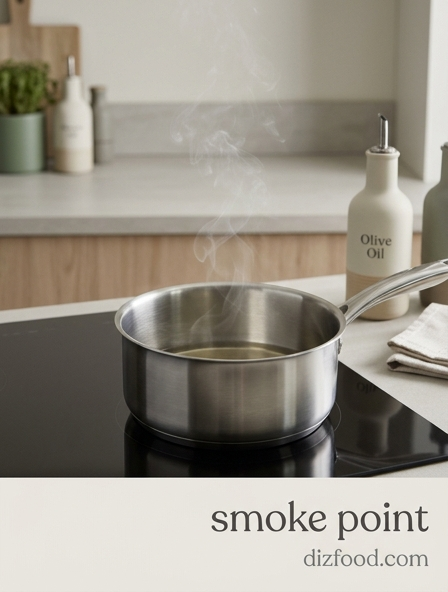
Temperature control is the most critical variable when working with rice flour coatings. Because rice flour contains very little protein and sugar compared to wheat flour, it does not brown as readily. This can mislead cooks into thinking the food is not yet ready, leading to overcooking. Maintaining a consistent temperature between 350°F and 375°F (175°C to 190°C) is essential for the rapid dehydration of the starch granules.
| Oil Temp | Effect on Rice Flour | Quality Outcome |
|---|---|---|
| Below 325°F | Excessive oil absorption | Greasy and heavy |
| 350°F - 375°F | Rapid steam release | Light and shatter-crisp |
| Above 400°F | Surface scorching | Bitter taste, raw interior |
Using a digital thermometer to monitor oil recovery time is vital. When food is added, the oil temperature drops; if it falls too low, the rice flour will soak up the oil like a sponge rather than forming a crisp barrier. Precision heating ensures the rice flour creates that signature glass-like finish that defines high-quality fried textures.
The Role of Cornstarch
While rice flour is excellent for crispness, blending it with cornstarch can create a superior frying medium. Rice flour provides a granular, hard crunch, whereas cornstarch contributes a finer, more powdery crispness. When used together, they fill the microscopic gaps in the coating, creating a more continuous and durable barrier against moisture. This synergy is particularly useful for items that need to remain crispy for extended periods, such as in buffet service or takeout scenarios.
- Ratio: A common ratio is 2 parts rice flour to 1 part cornstarch for a balanced snap.
- Opacity: Cornstarch helps the rice flour coating appear more opaque and golden.
- Texture: The combination prevents the crust from feeling too "sandy" or gritty.
The cornstarch acts as a secondary structural agent. Since rice flour is gluten-free, it can sometimes be prone to flaking off the food. The cornstarch helps the mixture adhere more effectively to the surface of the ingredient, ensuring that every bite has a consistent level of crunch and flavor without the heavy mouthfeel of a thick batter.
Effective Draining on Wire Racks
The post-fry treatment of rice flour-coated foods is just as important as the frying itself. Many home cooks make the mistake of placing fried items directly onto paper towels. While paper towels absorb excess oil, they also trap steam underneath the food. This trapped steam is quickly reabsorbed by the rice flour crust, turning a once-crisp surface into a soggy mess within minutes. The solution is the use of an elevated wire cooling rack.
A wire rack allows for 360-degree air circulation, ensuring that steam can escape from all sides of the food simultaneously. This rapid cooling and ventilation are necessary for the rice flour to fully harden and set its "glassy" state. For maximum efficiency, place the rack over a baking sheet to catch any oil drippings. By elevating the food, you prevent it from sitting in its own rendered fat and moisture. This simple step preserves the delicate, lattice-like structure of a rice flour fry, ensuring that the first bite is as crispy as the last, even as the food begins to cool to room temperature.
Leavening for Structural Integrity
Leavening agents such as baking powder or baking soda play a fundamental role in the structural integrity of rice flour batters. When these agents react with moisture and heat, they produce carbon dioxide gas. In a rice flour medium, these gas bubbles are trapped, causing the batter to expand and become less dense. This is particularly important because rice flour can otherwise produce a very hard, almost tooth-cracking shell if not properly aerated.
- Baking Powder: Provides a reliable lift through a double-acting chemical reaction.
- Baking Soda: Best used when an acidic component like buttermilk or lemon juice is present.
- Quantity: Use sparingly; approximately 1 teaspoon per cup of flour is usually sufficient.
The chemical leavening creates a "crumb" within the crust. This makes the fried layer easier to bite through while increasing the surface area exposed to the hot oil. More surface area results in more crispness. When combined with rice flour's natural lightness, leavening agents produce a tempura-style finish that is both structurally sound and delicately fragile.
Advanced Dredging Techniques
Advanced dredging involves more than just tossing an item in flour; it requires a strategic multi-step process to maximize adhesion and texture. The "dry-wet-dry" method is often adapted for rice flour to create a thicker, more textured "crag" on the surface of the food. First, a light dusting of dry rice flour is applied to absorb surface moisture. Then, the item is dipped into a thin rice flour slurry, and finally, it is tossed again in dry rice flour or a rice flour-cornstarch blend.
- Resting: Allow the dredged food to rest for 5 to 10 minutes before frying. This helps the starch hydrate and "glue" to the food.
- Shaking: Always shake off excess flour to avoid "gummy" spots in the oil.
- Texturing: Drizzle a little bit of the wet batter into the dry flour to create small clumps that stick to the food for extra crunch.
This method creates an uneven surface with many ridges and nooks. These irregularities increase the surface area, which leads to a more complex and satisfying crunch. By mastering the dredge, you ensure that the rice flour coating becomes an integral part of the dish rather than a separate, detached shell.

Comments